Why do electric vehicle tires wear out faster than gasoline tires, and important tips to optimize their lifespan?
The large battery weight and instantaneous torque cause electric vehicle tires to wear out about 20% faster than gasoline tires, requiring specific technical standards.
Electric vehicles (EVs) are gradually dominating the market thanks to their smooth operation and environmental friendliness. However, a reality users need to face is that EV tires tend to wear out significantly faster than those of traditional internal combustion engine vehicles. According to industry studies, this wear rate can be up to 20% higher, creating stricter requirements for tire selection and maintenance.
Battery weight: A major challenge for tire surfaces.
The primary cause of this is the vehicle's weight. Due to carrying a large-capacity battery system, electric vehicles are typically much heavier than gasoline-powered models of similar size. This difference creates significant pressure on the tires throughout the driving process.
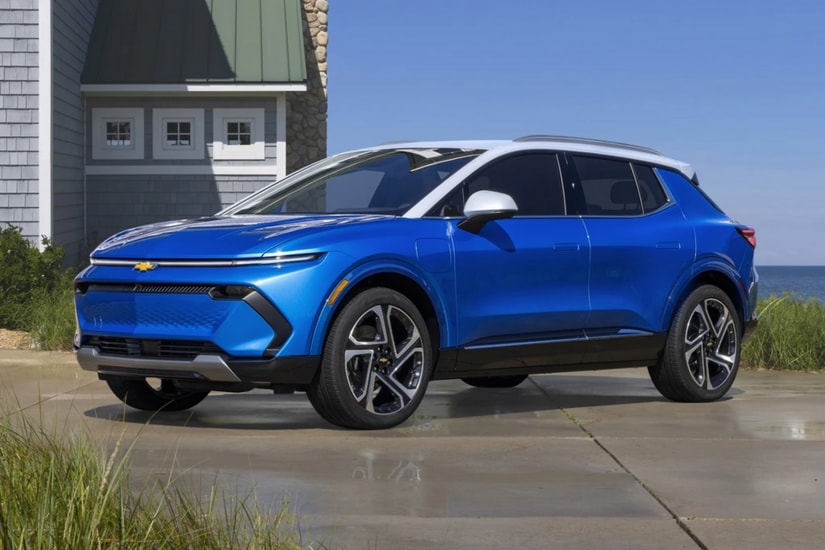
A prime example is the Chevrolet Equinox: while the four-cylinder version weighs only about 1,555 kg, the all-electric Equinox EV weighs a hefty 2,234 kg. This increased weight not only raises tire temperatures but also increases the deformation of the rubber structure, leading to faster tire degradation.
Instantaneous torque: Power that damages rubber.
Besides weight, the operating characteristics of electric motors are also a direct factor. Unlike gasoline cars, which need time to reach optimal engine speed, electric cars can deliver maximum torque instantly when the driver presses the accelerator.
Using the Chevrolet Equinox EV as an example, this model boasts 320 Nm of torque readily available from low speeds, far exceeding the 250 Nm (only achieved at 2,000 rpm) of the gasoline version. This extremely high torque transmitted to the wheels in a very short time puts extreme friction on the tires, especially for drivers who tend to accelerate aggressively.
The difference between specialized tires for electric vehicles.
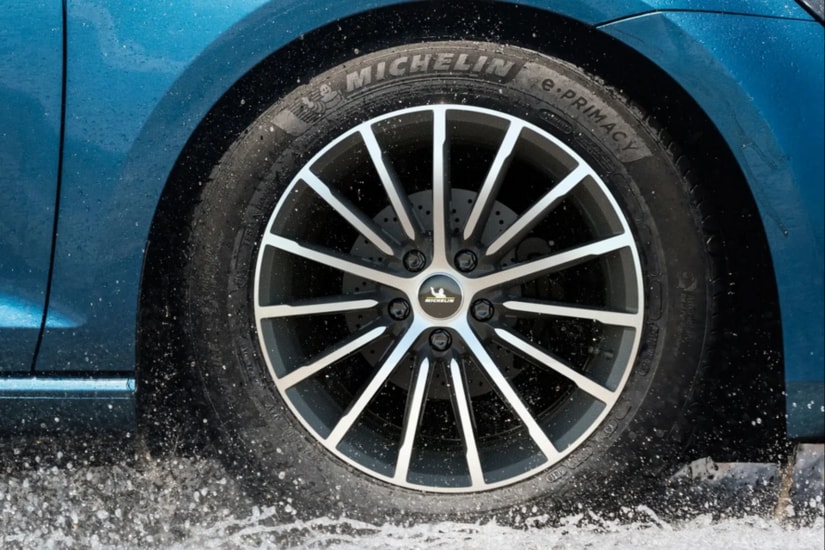
To address these specific challenges, leading tire manufacturers have developed dedicated product lines for EVs. These tires are not simply rubber rings but are deeply refined in terms of structure and compound.
Electric vehicle tires typically have a stiffer frame structure to reduce flexing under heavy loads, thereby limiting heat generation. The tire sidewalls are also reinforced to better withstand lateral forces when cornering. At the same time, the rubber compound is blended in a more durable formula to adapt to the power of the electric motor.
Costs and risks of choosing the wrong type of tire
The cost of this specialization is not cheap. While a regular tire costs around $115, specialized tires for electric vehicles can cost up to $300 each. However, using gasoline tires on electric vehicles to save costs is a choice that carries significant safety risks.
Tires that don't meet the required standards wear out very quickly, reducing traction and prolonging braking distances, which is especially dangerous for large, powerful vehicles like electric cars.
| Comparison parameters | Gasoline-powered vehicles (ICE) | Electric vehicles (EVs) |
|---|---|---|
| Medium weight (e.g., Equinox) | 1,555 kg | 2,234 kg |
| Torque | Increases gradually with RPM | Instantaneous from 0 rpm |
| Tire wear rate | Standard | Faster by about 20% |
| Estimated tire price | ~115 USD | ~300 USD |