
Why have many small traders at Vinh Market stopped doing business?
Vinh Market is not only the largest market in Nghe An province but also a major trading hub in the North Central region. However, in recent days, many small traders in the main hall of Vinh Market have simultaneously closed their stalls and ceased business...
80% of small traders have closed their stalls.
Vinh Market is the largest market in Nghe An province, with over 3,400 business households. For many years, the market has consistently maintained its position as a leading commercial center with a bustling volume of buyers and sellers.
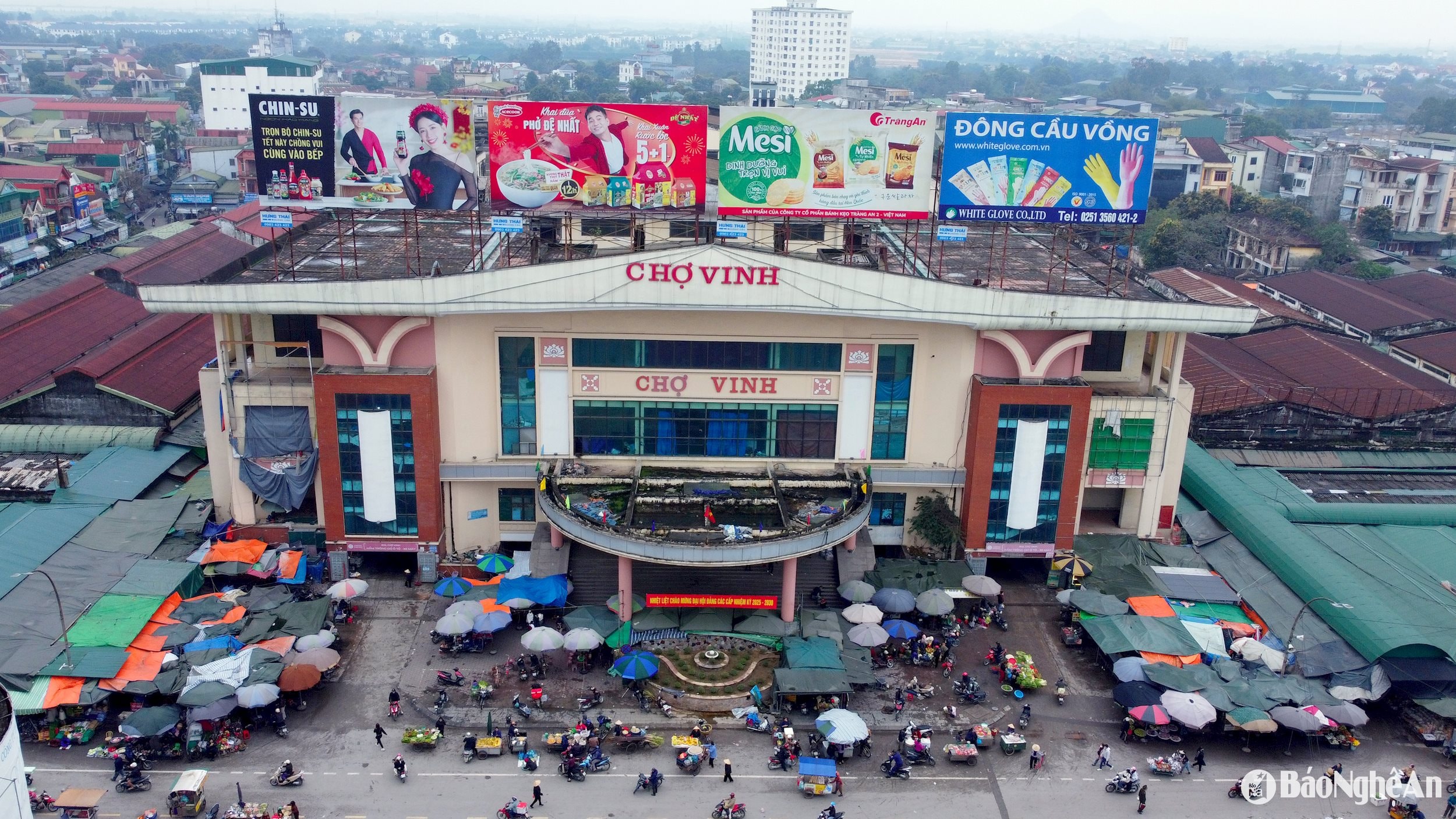
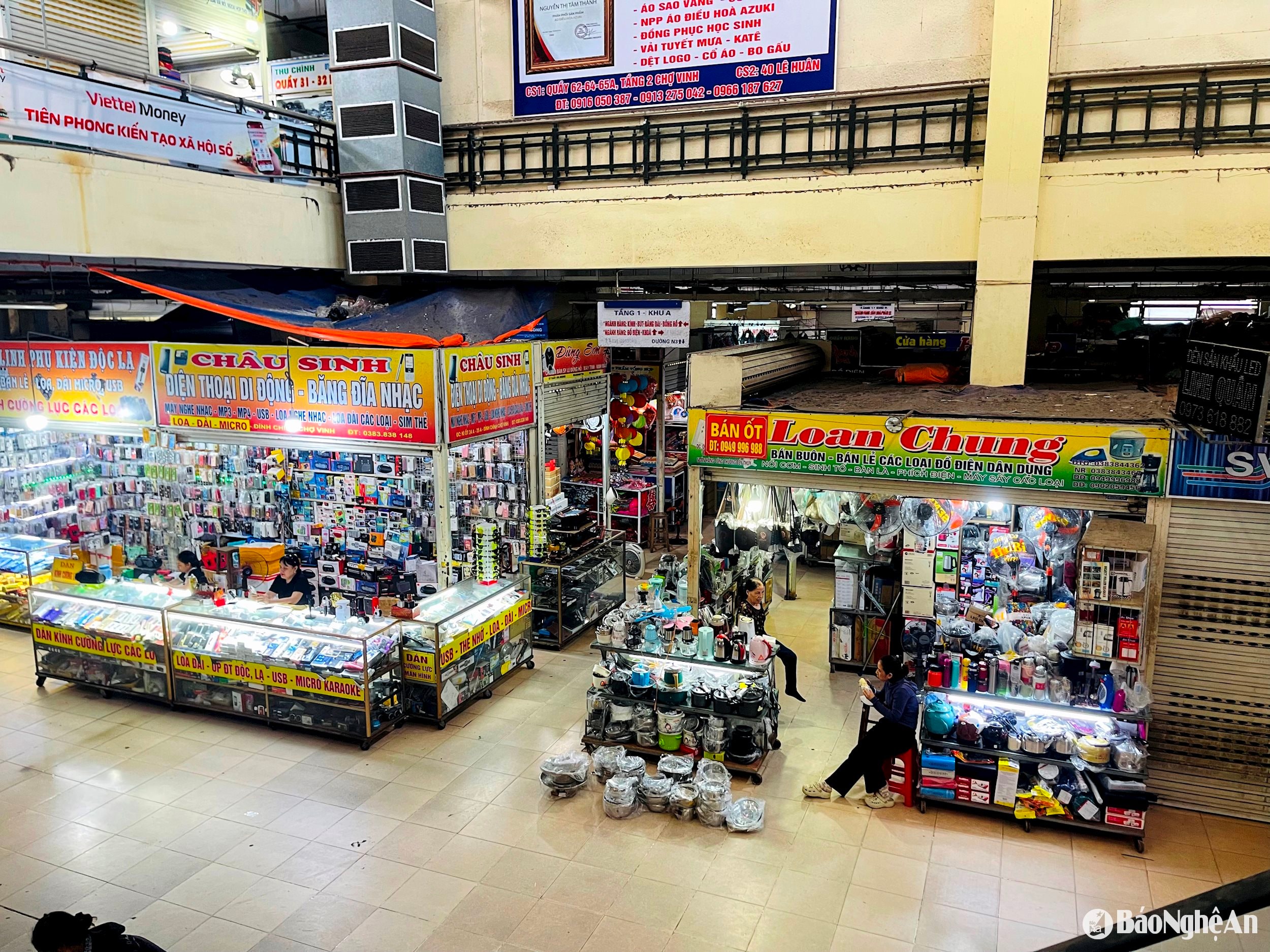
However, in the last days of May 2025, this bustling market saw many vendors closing their stalls and temporarily suspending business, with a significant drop in customers, especially on the first and second floors of the main building, where clothing, shoes, and household goods were concentrated.
A representative from the Vinh Market Management Board stated: The situation of vendors simultaneously closing their stalls began on May 28th. To date, approximately 80% of vendors in the main market have temporarily ceased operations. This is a rare occurrence since the Covid-19 pandemic a few years ago.
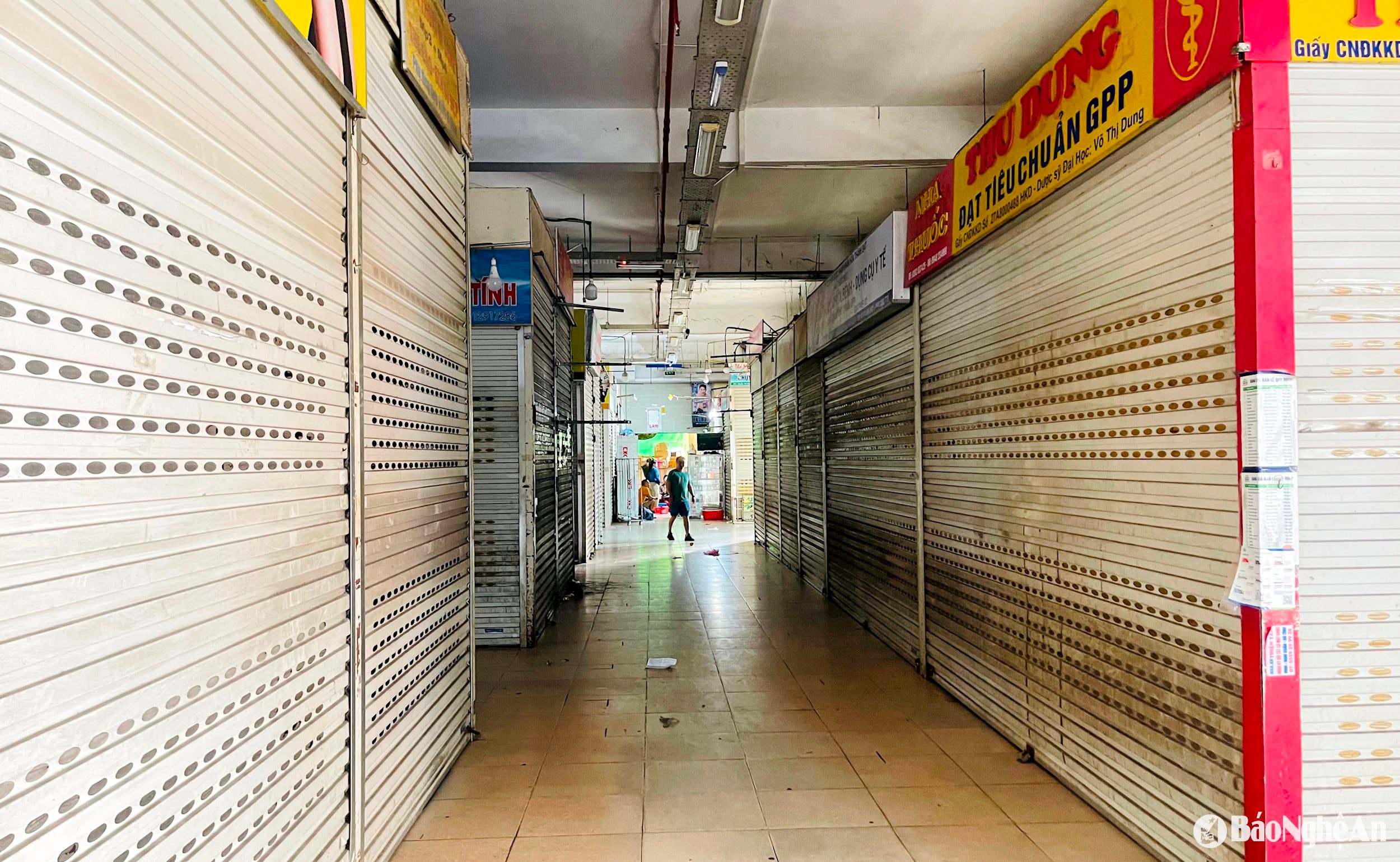
According to our investigation, there are several reasons for this situation. One reason is that small traders are worried about the information that "an inter-agency task force will inspect goods," so business owners are closing their stalls to "avoid" the peak inspection period.
In fact, shortly after the provincial People's Committee announced the establishment of an inspection team to combat counterfeit goods, and even though provincial authorities had only conducted surveys and gathered information from a few stalls behind the Vinh market, the vendors had already spread the word. Some businesses with goods lacking proper documentation became apprehensive and temporarily closed their stalls "for safety," while others packed up their goods to take home for safekeeping.
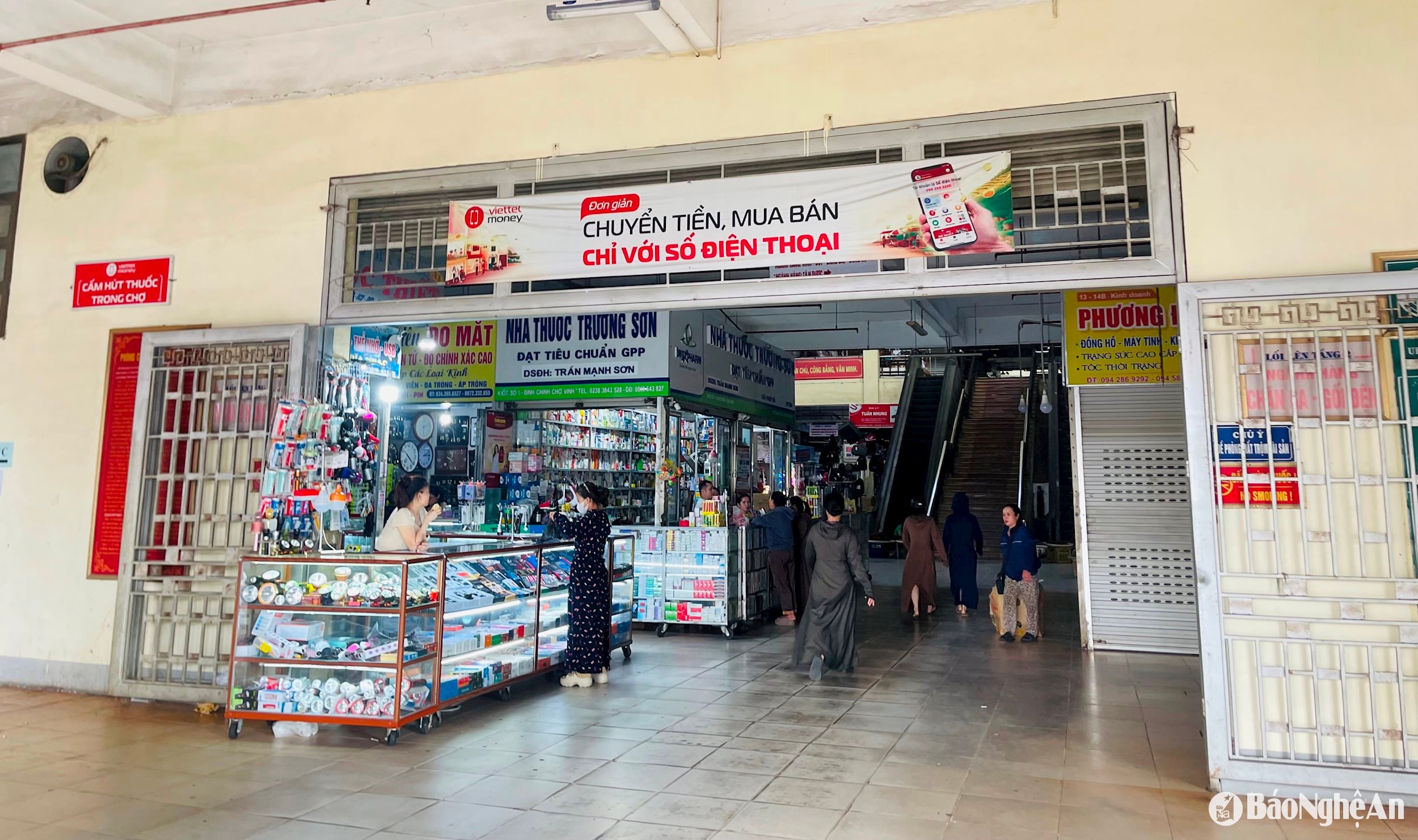
In fact, the aforementioned phenomenon has also occurred in other localities across the country, such as Can Tho, Hanoi, and Ho Chi Minh City, as functional forces nationwide launched simultaneous inspections of goods at markets and shopping centers. The continuous news coverage on television, newspapers, and social media has also affected the morale of small traders at Vinh Market.
Besides concerns about inspection teams, according to vendors, the closure and temporary suspension of business also stem from the fact that in recent years, business in traditional markets has not been promising due to declining customer numbers and fierce competition from e-commerce. The number of kiosks closing and being subleased has been increasing year after year.
Ms. Nguyen Thi Nga, a small business owner at Vinh Market, shared: "Previously, each stall with a prime corner location at Vinh Market had a transfer price of 4-5 billion VND, an exorbitant amount, while other locations cost from 1-2 billion VND for a stall of only 4-5 square meters."2In recent years, due to poor business performance, the price has dropped to only 500-700 million VND, but it is still difficult to sell because no one is interested in renting or buying it.
It is understood that the Nghe An Department of Industry and Trade is currently conducting a survey to gather opinions from small traders in 12 markets across the province to revise Decision No. 73/2016/QD-UBND dated December 20, 2016, of the Provincial People's Committee on regulations regarding the price of services for using sales space in markets within the province. Vinh Market is one of the markets currently undergoing this consultation. Upon review, some small traders operating in Vinh Market believe the fees are still high and have requested a reduction in the service fee for renting stalls to better reflect the current situation.
The current rental fee for stall space at Vinh Market ranges from 24,000 VND to 190,000 VND per square meter, depending on the location. Each stall has an average area of 4–5 square meters, corresponding to a fee of approximately 100,000 to 500,000 VND per stall per month.
According to the draft of the new price adjustment based on Circular 45 of the Ministry of Finance, some locations are proposed to have their fees reduced from 190,000 VND/m² to 140,000–150,000 VND/m²; others from 166,000 VND/m² to 120,000–130,000 VND/m². However, many small traders still believe that these fees are too high and continue to request further reductions, especially during this difficult business period. This is also one of the reasons why small traders have closed their stalls in recent days.
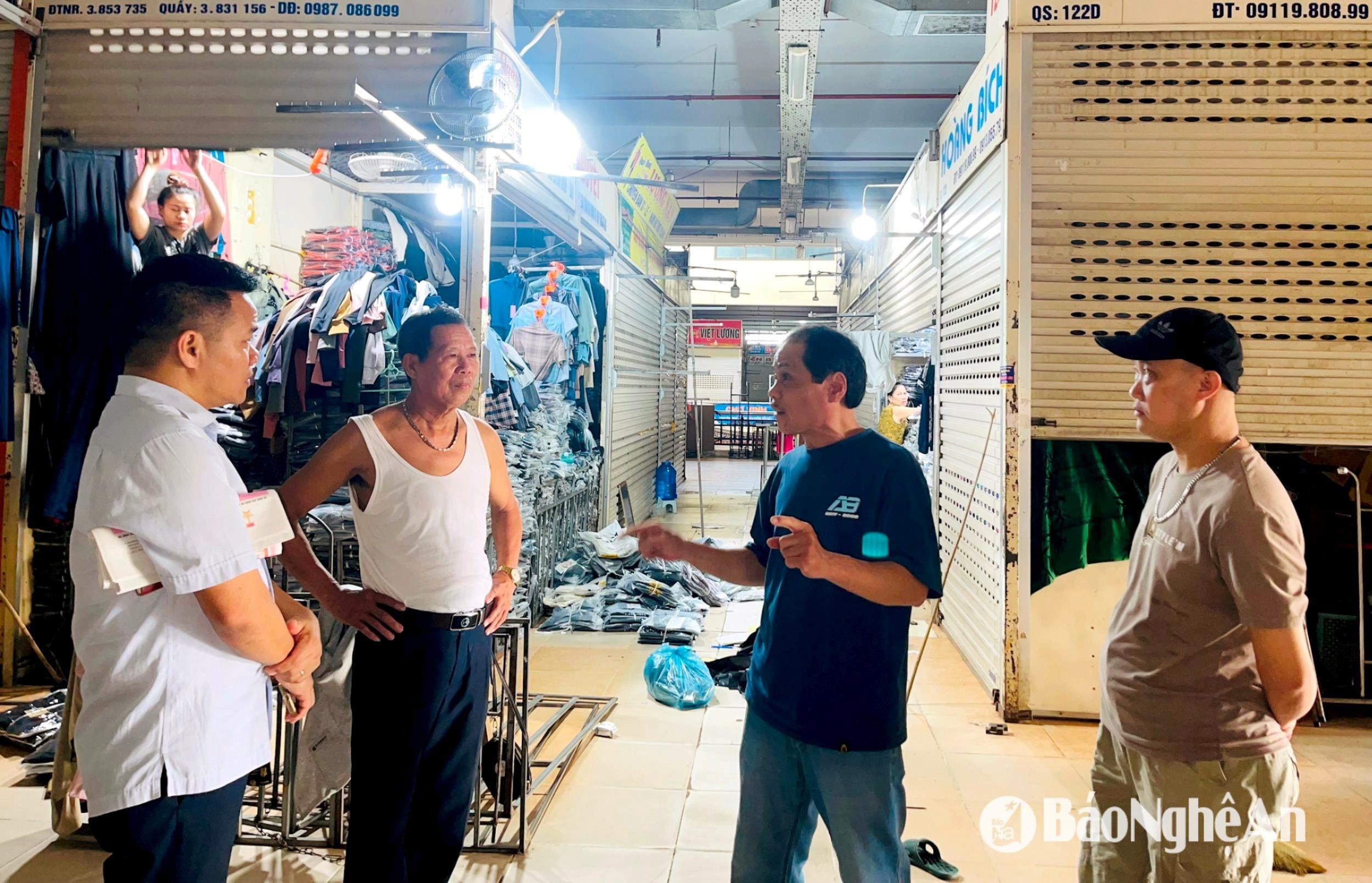
Mr. Hoang Bach, representing a small business owner at Vinh Market, stated: "The number of customers visiting the market is declining. Furthermore, the market's infrastructure is deteriorating, with elevators and escalators not functioning. Elderly customers are reluctant to go to the second and third floors, causing difficulties for businesses. Therefore, we small business owners request that relevant departments conduct a survey and determine appropriate pricing. Only when businesses are profitable can we fully contribute to all taxes and fees."
Encouraging small traders to resume business.
Vinh Market is a Class 1 market and the largest wholesale and commercial center in Nghe An province. However, the quality of goods and the posting of prices at this market are major concerns.
Regarding the issue of business fees, the Vinh Market Management Board held a dialogue session clarifying that Vinh Market is a Class 1 market, therefore the fees should be higher than other markets. The corresponding fees for each location within the market are regulated by the Provincial People's Committee, and any modifications, increases, or decreases are within the authority of the Provincial People's Committee. The Market Management Board will record and compile the opinions of the traders to submit to the Vinh City People's Committee and the Department of Industry and Trade, which will then report to the Provincial People's Committee for consideration.
Speaking with reporters, Mr. Nguyen Van Hiep, Head of the Trade Management Department of the Department of Industry and Trade, said: Decision No. 73/2016/QD-UBND on the price of services for using sales space in markets has been applied for nearly 10 years. Currently, the new Circular 45 issued by the Ministry of Finance has many changes in the method of calculating prices, therefore, the Department of Industry and Trade is coordinating with market management boards and local authorities to gather opinions and advise the Provincial People's Committee on amending and supplementing this Decision.
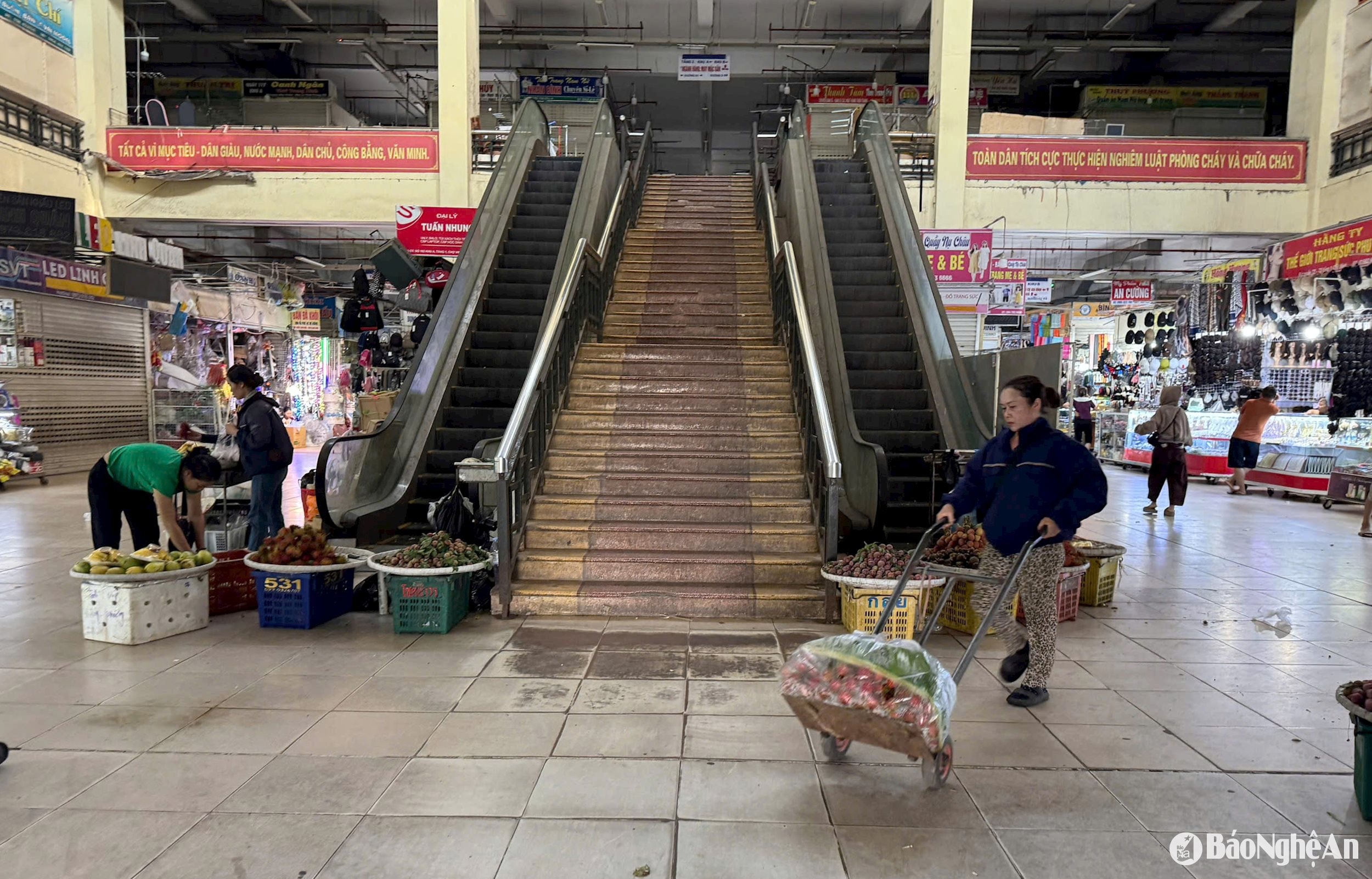
Currently, Vinh Market is reviewing and renewing lease contracts on a 5-year cycle, while also disseminating a draft of new prices to gather feedback from traders. However, while other markets in the province (12 markets surveyed) generally agree with the proposed price adjustments, some traders at Vinh Market have reacted negatively, arguing that their current business is unprofitable, the proposed fees are still too high, and some have chosen to temporarily close their stalls while awaiting a review of the fees by the authorities.
"Currently, we have also instructed the Vinh Market Management Board to take note of the traders' requests, and at the same time, encourage and educate them to resume business, ensuring the supply of goods in the market," Mr. Nguyen Van Hiep added.
The mass closure of stalls by small traders at Vinh Market not only disrupts business operations but also leads to many negative consequences. First, it directly affects budget revenue from market service fees, and at the same time creates difficulties for the management and operation of the market's overall infrastructure such as sanitation, security, and fire prevention and control.
From the consumer's perspective, the shortage of goods at the province's largest market has disrupted shopping. Over time, this could diminish the appeal and traditional role of Vinh Market, which was once one of the most vibrant trading hubs in the region.

Representatives from the Nghe An Provincial Market Management Department advised: Small traders temporarily closing their stalls is only a temporary solution. For long-term business success, traders should sell goods with clear origins and sources; trading in counterfeit or substandard goods is a violation of the law and will be detected, confiscated, destroyed, and prosecuted by authorities.


