
Technology jobs in 2025: A bleak picture.
Recruitment experts in the technology industry believe that the job market in 2025 will not be any easier than in 2024. However, career opportunities remain wide open for those who equip themselves with new skills.
For many years, Silicon Valley was the promised land for skilled tech professionals, attracting them with generous salaries, relatively easy jobs, and luxurious benefits such as free meals and office recreation. But those days are over.
Certainly, this is no longer news; from 2022 to 2023, the US tech industry cut hundreds of thousands of jobs. Companies have been widely stating that they over-hired during the pandemic and are now adjusting their workforce. They maintain that this is only a temporary phase.
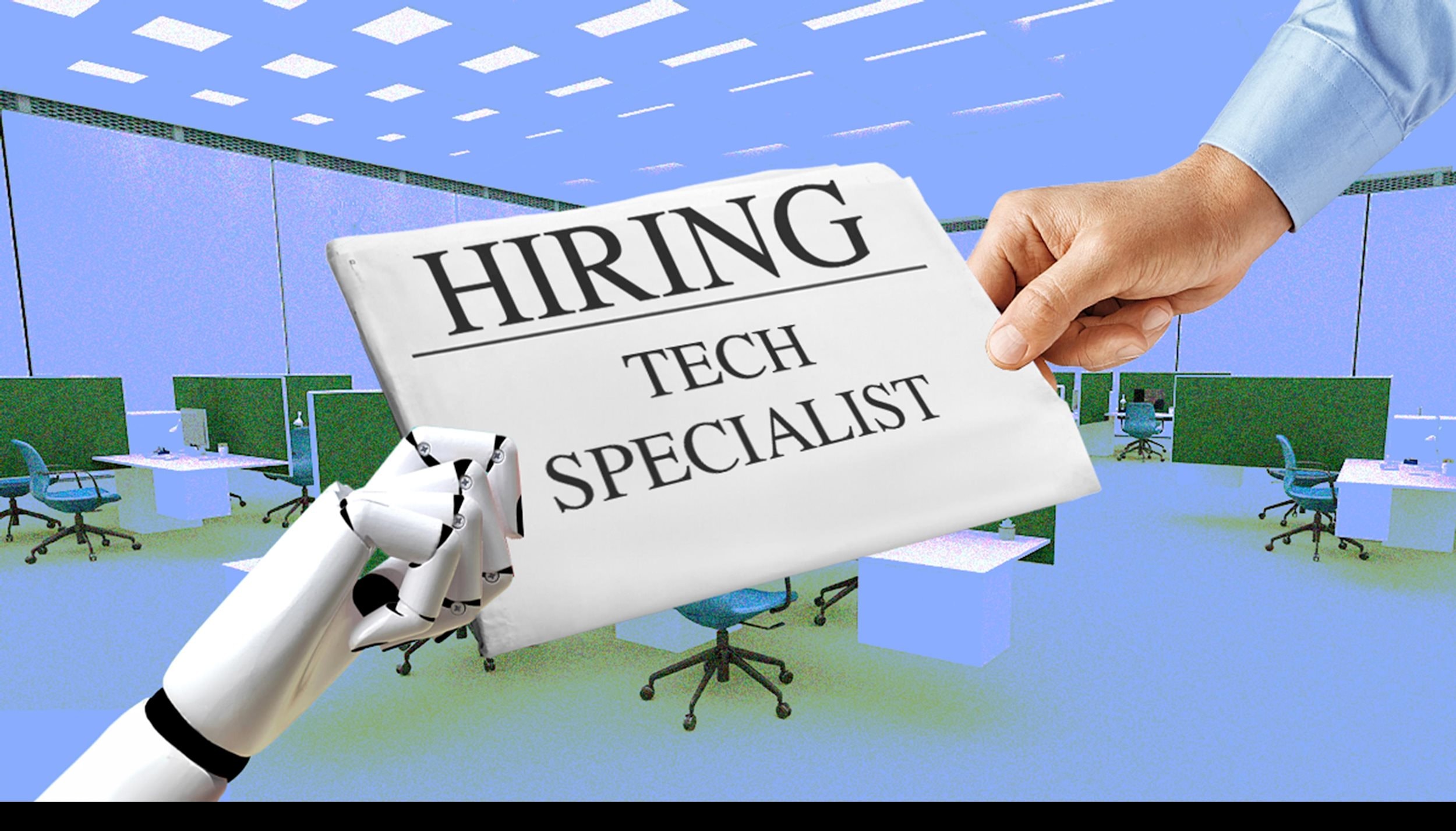
However, the current reality doesn't seem any more optimistic. Layoffs continue, and even highly experienced tech professionals have to apply hundreds of times before receiving a job offer.
Furthermore, the rise of generative artificial intelligence (GAI) is raising concerns about mass automation, particularly in fields such as software testing and software services, which could be easily replaced within the next few years.
But is this a real sign of a decline in the tech industry? Or simply a transformation? Data can be interpreted in many different ways.
Some experts believe that recruitment for technology personnel remains vibrant; the industry is simply entering a restructuring phase to adapt to the new era.
The tech industry isn't dead, it's just changing, and those who want to survive need to adapt to this wave of transformation.
The labor market is witnessing numerous rounds of layoffs and dismissals.
“The situation is really bleak,” acknowledges Sam Wright, Operations and Partnerships Supervisor at Huntr, a company that specializes in supporting job seekers in the technology sector.
Wright told Cybernews that since the beginning of 2025, he has contacted dozens of candidates and noticed a sharp decline in job opportunities, while layoffs are on the rise.
“It’s not just entry-level positions that are affected; mid-level roles aren’t immune to the wave of cuts either. I’m talking to people who have established careers, who have never had trouble finding a job before, but now spend four to six months applying and only get a few interview invitations out of hundreds,” Wright said.
Meanwhile, Jeff Le, former Deputy Cabinet Secretary to former California Governor Jerry Brown, and now Vice President of Public Policy and Global Government Relations at cybersecurity firm SecurityScorecard (USA), argues that the current tech job market is "brutal."

Photo: Internet.
Jeff Le further shared: “I was looking for a position in technology policy last year and noticed a sharp drop in job numbers, perhaps as much as 75% less than before. Massive layoffs and cuts have flooded the market, leaving a pool of talented individuals with insufficient job opportunities.”
"I've seen almost no leadership positions being recruited. A few entry-level opportunities remain, but mid-level and higher positions have significantly decreased," Jeff Le emphasized.
The current tech job market is incredibly harsh. According to The Washington Post, when Meta laid off approximately 3,000 employees last February, even those with "meet or exceed expectations" ratings were not retained. Some employees who had just returned from maternity leave were even included in the layoffs.
“Each team is subjected to layoff quotas. If there aren’t enough poorly rated personnel, they simply adjust performance ratings downward to legitimize the cuts,” a user shared on the anonymous social media app for tech employees, Blind. This user even called Meta ‘the most ruthless tech company today.’
Previously, Meta CEO Mark Zuckerberg stated in a memo that the company wanted to raise performance standards and remove underperforming employees more quickly. However, the wave of layoffs doesn't only affect those who are genuinely underperforming.
Many former Meta employees are now speaking out in their defense on the LinkedIn recruitment platform, publicly refuting unfair assessments from their former company and criticizing how Meta misrepresented their contributions.
Workers need to continuously improve their professional skills.
Billionaire Elon Musk drastically cut approximately 80% of his company's workforce in just weeks following the acquisition of Twitter (now X), and it appears Mark Zuckerberg is following a similar path.
But more importantly, many of these job cuts will no longer be replaced by humans. AI is no longer a distant concern; it is developing at a pace far exceeding the ability of the workforce to adapt.
Some jobs, particularly in entry-level IT services and data center operations, are becoming automated and may never return.
Furthermore, an article published in The Wall Street Journal in March 2024 revealed a worrying reality: recently laid-off tech employees are struggling to find new jobs.
The reasons stem not only from fierce competition but also from the disparity between their skills, expected salaries, and what employers actually need.
Companies are coming to a clear conclusion: either they can replace humans with automated systems at a lower cost, or they need to hire personnel capable of operating and managing these AI tools.
This highlights the pressing issue of upskilling, reskilling, and cross-skilling as crucial elements for workers to survive in the new job market.

According to the Harvard Business Review, the lifecycle of current technology skills lasts only about 2.5 years before becoming obsolete. However, retraining is neither simple nor quick.
Jeff Le commented, "I haven't seen many truly effective retraining or upskilling programs, except perhaps companies trying to control personnel costs and focusing more on finding employees with good management skills."
Sam Wright also agrees that there is a serious shortage of retraining programs. He notes that many employers are struggling to find suitable candidates, even though the number of applications is at a record high.
“I’ve heard many stories of hiring managers struggling with hundreds of applications but still unable to find the right candidate. Simply because the required skills have changed so rapidly,” Wright told Cybernews.
A recent report from the US-based technology talent development company Revature revealed that over 80% of IT hiring decision-makers are concerned about not being able to find enough talent to meet growing demand.
AI and machine learning are two key areas they expect to fill, primarily through retraining existing staff rather than hiring new personnel.
In fact, the consulting firm Korn Ferry has predicted that by 2030, a skills shortage could leave 85 million technology-related positions globally unfilled.
Meanwhile, in January of this year, the unemployment rate in the IT industry jumped to 2.9%, a sharp increase from the 2% of the previous month, a signal that the labor market in the industry is still under significant pressure.
Is this an opportunity?
From another perspective, upgrading or retraining the skills of existing employees may be the most effective and least expensive option for businesses.
This also reflects the reality that the technology industry today is more complex than ever, requiring constant adaptation from both businesses and workers.
The reality is that the tech industry is becoming more cautious in hiring, but that doesn't mean opportunities have disappeared completely.
John Hurley, Chief Revenue Officer at Optiv – an American cybersecurity company – told Cybernews that this is “an exciting and opportunity-filled time to enter the technology field.” For him, AI and automation are not threats, but tools to enhance productivity and help people make better decisions.
“Those who know how to adapt and transform will find that AI doesn’t steal their jobs, but instead enhances and expands their capabilities. Technology, in any form, never stands still; it evolves through innovation. And as AI progresses, we must progress too,” shared John Hurley.
Dr. Kyle Elliott, a career coach and mental health expert, shares a similar view. He believes that AI could replace some jobs, but it will also create a whole new range of previously unheard-of positions.
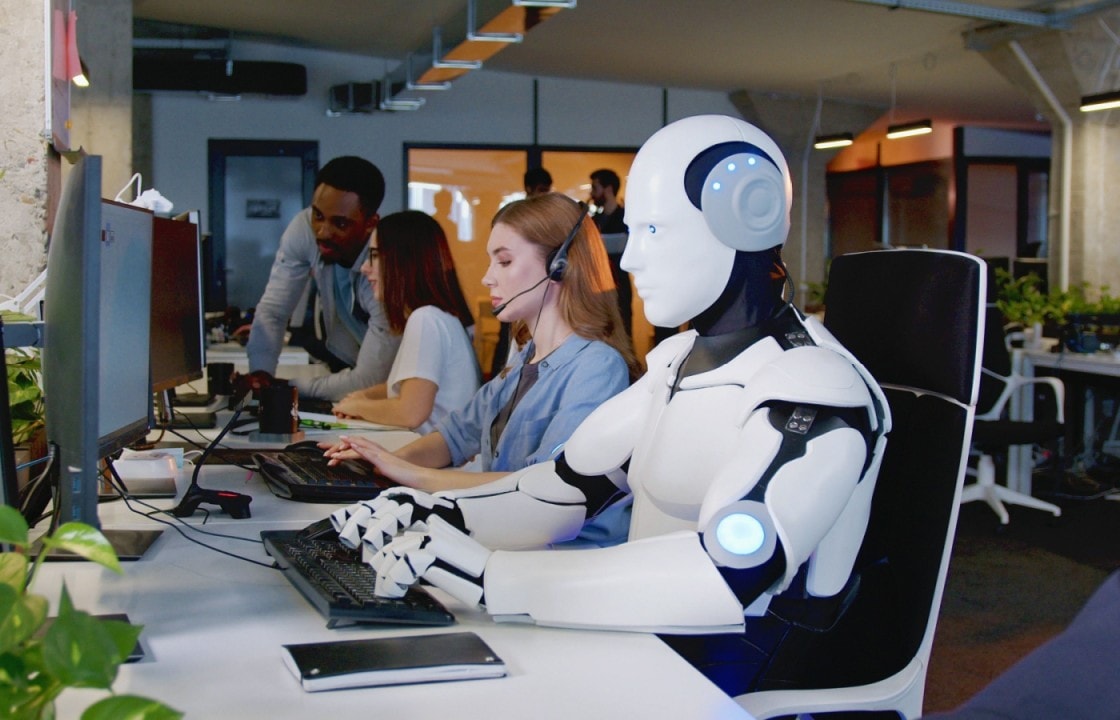
"You can't expect employers to prepare you with every skill. If you want to maintain an advantage in the job market, you have to proactively learn and upgrade yourself, instead of just relying on what you already know," Kyle Elliott added.
Meanwhile, Jason Wingate, CEO of Emerald Ocean, a Canadian IT consulting firm, emphasized that volatility is always a part of the technology industry.
He gave the example of ATMs. In the 1970s, there were concerns that this technology would cause bank tellers to lose their jobs. In fact, some positions were replaced, but ATMs helped banks open more branches at a lower cost, thereby creating new jobs.
“Personal computers in the 80s, e-commerce in the late 90s, mobile apps, cloud computing—all were once seen as threats to jobs. But the reality is, they not only created new opportunities, but also boosted the growth of the entire economy,” said Jason Wingate.
Clearly, AI and automation are not the end of the technology industry, but simply a major shift, and those who adapt, learn, and evolve will always have a strong foothold in the future.
Where did the problem arise?new,There are jobs there.
According to the World Economic Forum's 2025 Future of Jobs report, approximately 92 million jobs could disappear by 2030. However, 170 million new jobs will be created, resulting in a net increase of 78 million positions.
However, this does not mean that all of these new jobs are of high quality. Many people worry that technology may outpace humanity's ability to adapt, not only in the technology industry but across the entire economy.
Technology thinker Nicholas Carr wrote more than a decade ago: “Every day we are reminded of the superiority of computers. What we forget is that it was humans who created these machines. If machines can amaze us, it is because we have given them that ability.”
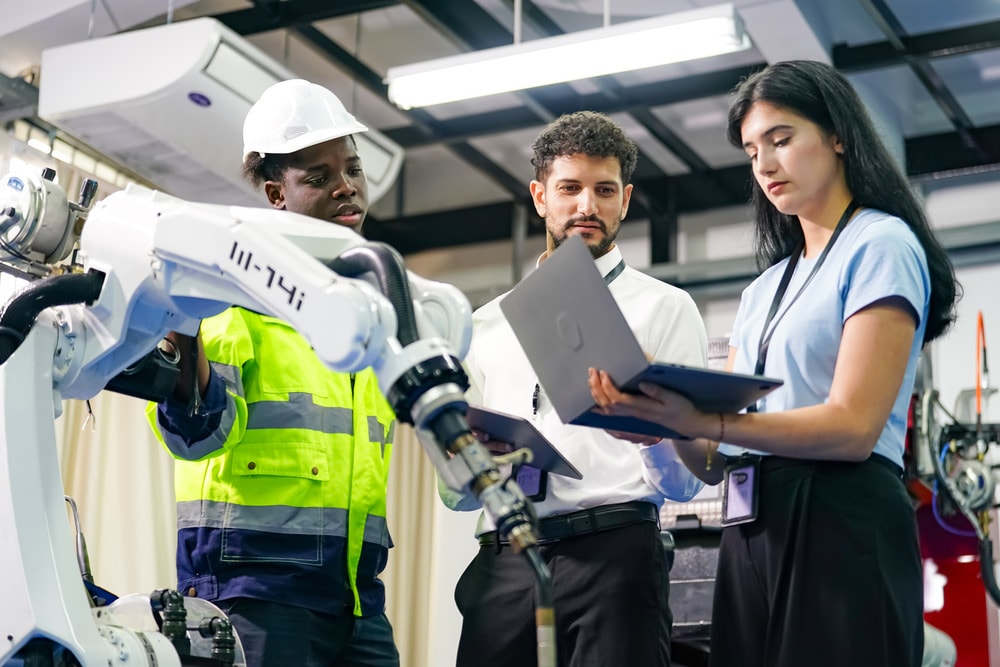
Daniele Viappiani, an economist who has advised on AI policy for the UK and Argentina, believes that AI will not destroy jobs, but rather will spur the emergence of many new professions.
According to Daniele Viappiani, one of the most important principles of economics is that there is no fixed number of jobs in the economy. The misconception is that the economy has a finite number of jobs. In reality, as demand changes, new jobs will emerge.
He asked, “Who could have imagined jobs like social media management or user experience design before? If we have new problems, we have new jobs. The labor market is always adapting to solve new problems. And because we will never run out of new problems, we will never run out of jobs.”
What we are witnessing is not a collapse of the tech job market, but rather a restructuring to adapt to a new reality. This transformation will not happen overnight, and both businesses and society will need time to adjust.
“If AI truly is a core technology that can change everything, then we should prepare for a wave of new opportunities, with job roles that don’t even exist today. But nothing happens automatically. Success will depend on human creativity, entrepreneurial spirit, and sometimes wise policies,” Daniele Viappiani stated.
This means that instead of being afraid, we need to focus on adapting, learning, and innovating to stay ahead of the technological wave, rather than being swept away by it.


