
Vietnam officially launched E10 bioethanol fuel on June 1, 2026.
The nationwide adoption of E10 gasoline from June 2026 is a strategic step to realize the Net Zero commitment and enhance national energy security, based on the roadmap approved in 2012.
From June 1st, 2026, Vietnam will officially implement E10 bioethanol nationwide. This is the next step in the energy transition strategy, aimed at reducing dependence on fossil fuels and fulfilling the commitment to net zero emissions by 2050. This policy is not a spur-of-the-moment decision but has been consistently planned within the legal framework for nearly 14 years.
Biofuel development roadmap from 2012
In fact, the policy of developing biofuels in Vietnam was established on November 22, 2012, according to Decision No. 53/2012/QD-TTg of the Prime Minister. This document clearly outlines the roadmap for applying the blending ratio of biofuels with traditional fuels. Accordingly, E5 gasoline has been implemented nationwide since January 1, 2018, and E10 gasoline had already been scheduled for implementation since the end of 2017.
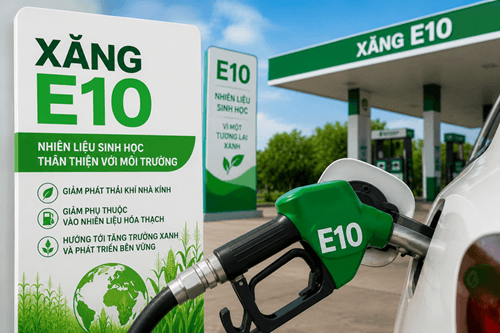
Introducing E10 gasoline from June 2026 essentially completes the planned roadmap and closely follows Resolution No. 55-NQ/TW of the Politburo on the orientation of the National Energy Development Strategy until 2030. Experts believe this is a necessary step to diversify supply sources, especially in the context of a constantly fluctuating global energy market.
Global trends and feedback from the domestic market.
According to a report from the International Energy Agency (IEA), more than 60 countries have implemented policies to blend ethanol into gasoline. In Brazil, the ethanol blending rate has reached 27% and is aiming for 30%. Countries in the region such as Thailand have been popularizing E20 gasoline for many years, while India is also making a strong move towards E20 and higher grades.
In the Vietnamese market, after the initial phase of widespread implementation, the Domestic Market Management Department (Ministry of Industry and Trade) has recorded no negative feedback regarding fuel quality or vehicle operation incidents. A representative from the Vietnam National Petroleum Group (Petrolimex) stated that E10 gasoline consumption is showing signs of increasing as consumers become more aware of its technical specifications and environmental benefits.
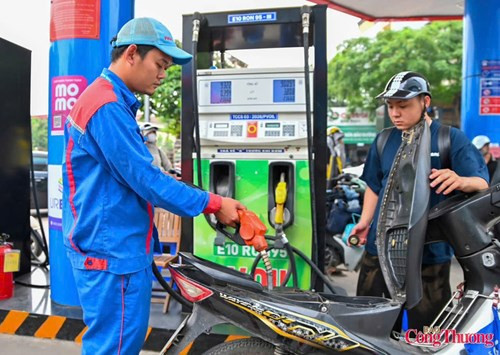
Multi-faceted economic and environmental benefits
Energy expert Ngo Thuy Quynh analyzed that promoting the use of E10 gasoline helps Vietnam utilize readily available agricultural resources such as cassava, corn, and sugarcane to produce ethanol. This not only creates a sustainable value chain for the agricultural sector but also helps stabilize retail gasoline prices in the medium term by controlling a portion of the alternative fuel supply.
The main positive impacts:
- Energy security:Reduce dependence on imported crude oil and refined petroleum products.
- Environment:Reduce greenhouse gas emissions, in line with international emissions standards.
- Agricultural economics:Creating a stable market for agricultural products and by-products promotes a circular economy.
Mr. Hong Sun, Honorary Chairman of the Korean Chamber of Commerce in Vietnam (KOCHAM), highly appreciated this green transformation effort. According to him, when conditions regarding distribution systems and quality are ensured, expanding the use of biofuels will enhance the proactive nature of the Vietnamese economy in the face of supply shocks from the global energy market.
Mr. Cao Tuan Si, Director of Dung Quat Refinery, also affirmed that self-sufficiency in ethanol supply for blending E10 gasoline is an important solution to enhance domestic production capacity and contribute to ensuring national energy security in the long term.


