
Is Vietnam becoming the world's technological dumping ground?
National Assembly Chairwoman Nguyen Thi Kim Ngan wondered: Is Vietnam becoming a technological dumping ground for the world, and could amending the Law on Technology Transfer remedy this?
Presenting the draft of the revised Law on Technology Transfer to the National Assembly Standing Committee this morning, Minister of Science and Technology Chu Ngoc Anh noted that after nearly a decade, the current law has revealed a number of obstacles and shortcomings, lacking the legal tools to control and prevent the influx of outdated technologies.
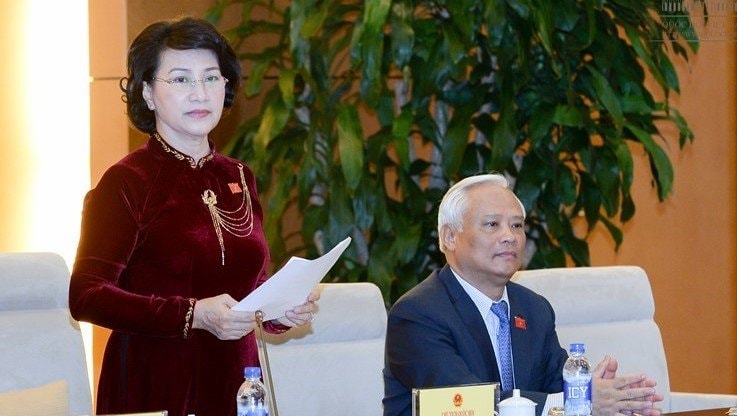 |
| National Assembly Chairwoman Nguyen Thi Kim Ngan |
The National Assembly's Science, Technology and Environment Committee, the reviewing body, agreed: "We are still transferring technology mainly through purchasing machinery and equipment that are largely 2-3 generations behind..., directly affecting the efficiency and competitiveness of the economy."
According to this committee, the practice of "circumventing the law" to bring outdated technology into Vietnam requires appropriate sanctions commensurate with the nature and level of technology to prevent it. The committee recommends a comprehensive revision of the Law on Technology Transfer, said Committee Chairman Phan Thanh Bình.
This was also a concern of the National Assembly Standing Committee during discussions. National Assembly Chairwoman Nguyen Thi Kim Ngan frankly asked: "Is Vietnam becoming a technological dumping ground for the world, and can amending the law remedy this?"
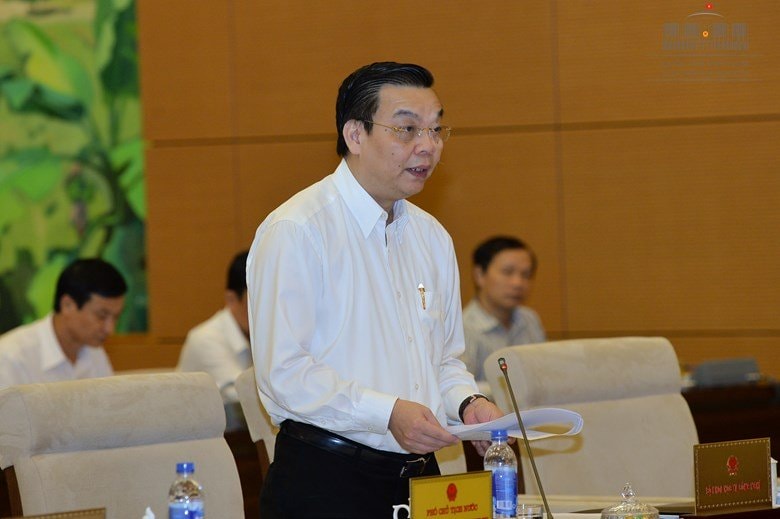 |
| Minister of Science and Technology Chu Ngoc Anh |
Citing the serious environmental incident caused by Formosa as an example, the Chairman of the National Assembly pointed out the role of technology and the control of technology imports into domestic production lines.
Also discussing the Formosa issue, Vice Chairman of the National Assembly Uong Chu Luu pointed out that the consequences of outdated technology not only affect the environment, but in reality, also impact security, public order, and people's lives and well-being.
"This raises the question of whether we lack a sufficiently robust legal framework, whether the 2006 Technology Transfer Law is limited, or whether state management is inadequate. In my opinion, it's both, and we need to address both issues," said Mr. Uong Chu Luu.
Chairman of the Committee on Culture, Education, Youth and Children Phan Thanh Bình raised questions about the remaining obstacles over the past 10 years in the internal transfer of technology within the country between institutes, universities and businesses, from laboratories to practice, from technology startup incubators to specific products...
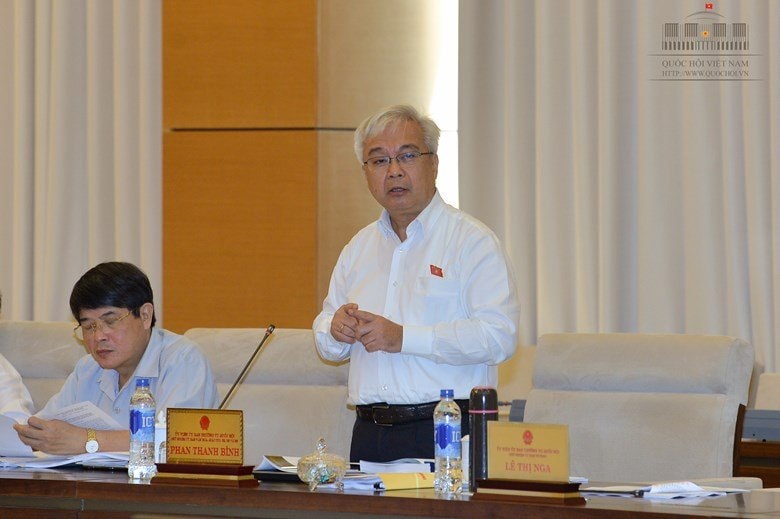 |
| Mr. Phan Thanh Binh |
According to Minister Chu Ngoc Anh, the biggest challenge is the market: "Businesses don't seem to have a self-driven need for technology. Many technologies are being researched, but to turn them into marketable goods requires investment. However, businesses still lack the mindset of competing on equal terms with technology as a weapon."
According to the Minister, this is where the government needs to step in to find buyers, especially businesses that are genuinely interested in the technology but have limited financial resources.
"We also need to develop intermediary organizations, because scientists only stop at the laboratory door. Someone else has to go there and sell the technology," he said.
According to Vietnamnet.vn


