
Nipah virus reappears in Asia: Thailand tightens border controls, Vietnam raises alert level.
Given the complex situation surrounding the Nipah virus in India, Southeast Asian countries are proactively strengthening health controls at border crossings to protect the safety of tourist destinations.
The resurgence of the Nipah virus in India is putting healthcare systems and the tourism industry in Asian countries on high alert. With a mortality rate ranging from 40-75%, this virus requires countries like Thailand and Vietnam to implement strict control measures at air travel gateways to ensure community safety and maintain the momentum of international tourism recovery.
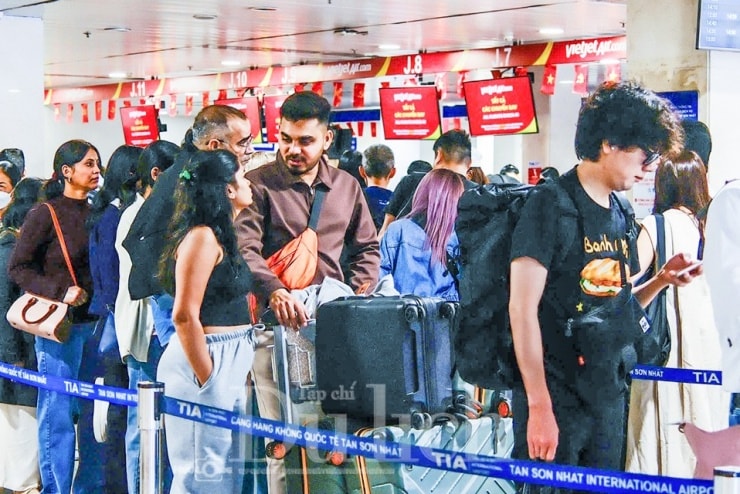
Thailand tightens health security measures at airports.
Thailand, one of the region's largest tourism hubs, has responded swiftly by strengthening health controls at international airports. Authorities consider this the first line of defense against the risk of disease transmission from abroad. Passengers arriving from high-risk areas are required to provide detailed health declarations, have their temperature checked, and be prepared for quarantine if any suspicious symptoms appear.
Effective health risk management is not only a preventive measure but also helps maintain the confidence of international tourists. Instead of reacting passively when an outbreak occurs, Thailand has chosen a proactive approach to protect its reputation as a safe destination.
Vietnam proactively monitors the disease remotely.
Although no Nipah cases have been recorded yet, Vietnam remains vigilant amidst bustling trade. The health sector has identified tightening epidemiological surveillance at border crossings, seaports, and international airports as a key solution to contain the outbreak.
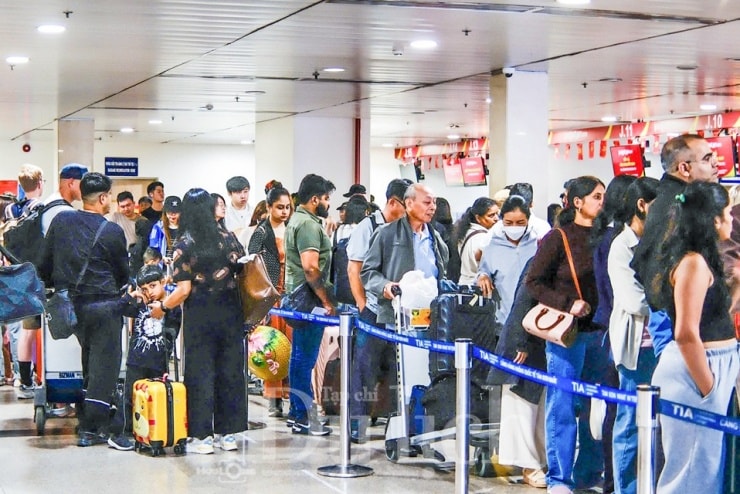
The Ho Chi Minh City Center for Disease Control (HCDC) is currently closely monitoring the global epidemiological situation. Cases entering the country from affected areas will be closely monitored. If travelers experience symptoms such as fever, headache, cough, or difficulty breathing within 3 to 14 days of entry, they should immediately contact a medical facility for advice.

Important information travelers should be aware of regarding the Nipah virus.
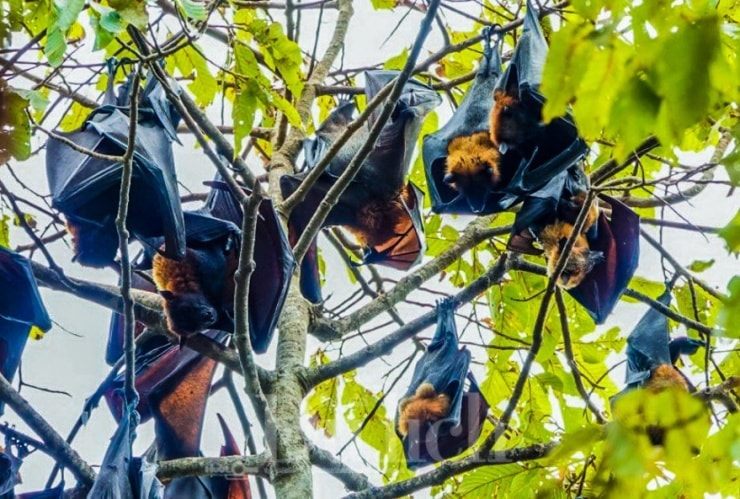
Nipah virus is a dangerous infectious disease originating from wild animals, primarily fruit bats. This virus can be transmitted from animals to humans through contaminated food (such as fruit or palm sap contaminated by infected bats) or directly between people through close contact.
Dangerous symptoms and complications
People infected with the virus usually develop symptoms after 4 to 14 days. Initial signs include fever, headache, sore throat, and difficulty breathing. In severe cases, the disease can progress to encephalitis, causing seizures, altered consciousness, and rapidly leading to coma.
Ways to prevent illness while traveling
Currently, there is no vaccine or specific treatment for Nipah disease. To ensure safety when traveling between endemic areas, travelers and residents should take the following self-protective measures:
- Wash your hands frequently with soap or hand sanitizer.
- Avoid contact with sick bats or pigs, and limit visits to areas where bats live.
- Only consume food that has been thoroughly washed and cooked; absolutely do not eat fruit that has been bitten by animals.
- Limit direct contact with the blood or bodily fluids of people suspected of being infected.
In addition to the efforts of the healthcare sector, the coordination of travel businesses and accommodation establishments in monitoring the health of tourists will play a crucial role in maintaining Vietnam's image as a safe and responsible destination.


