
Is the H-1B work visa becoming increasingly difficult under Trump?
With the possibility of increasingly stringent immigration policies under Trump, there are growing concerns about the ability to obtain H-1B visas for those who want to stay and work in the U.S.
Each year, the U.S. government issues H-1B visas, temporary work visas, to approximately 65,000 workers and another 20,000 college-educated professionals.
But the program is facing the possibility of cuts or tightening as Attorney General nominee Jeff Sessions has long criticized the H-1B visa system as a loophole that causes Americans to lose jobs.
"Thousands of American workers are being replaced by foreign labor," Reuters quoted Sessions as saying during a congressional hearing in February 2016.
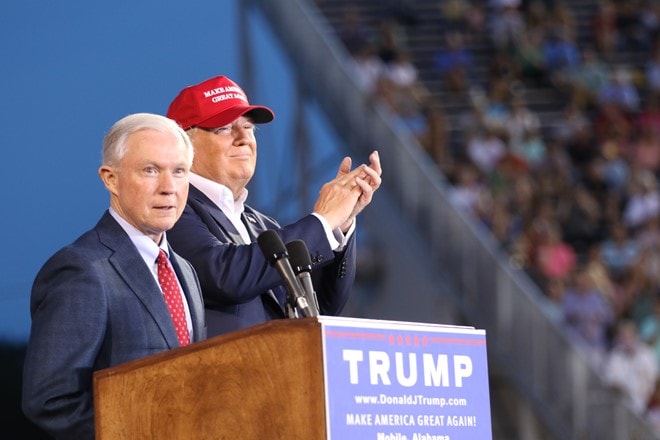 |
| Senator Jeff Sessions is a supporter of stricter work visa regulations for foreigners. Photo: Drudge Report. |
Tightening the H-1B visa policy will have a significant impact, as this is a popular work visa that many international students apply for after graduation in order to stay and work in the US.
Companies will submit approximately 236,000 visa applications for their employees, competing for one of the 85,000 visas – a quota stipulated by U.S. law. Due to the high number of applications, a lottery system will be used to award the visas.
This visa is applied for by companies for their employees, not issued to individuals. The H1-B visa is typically for occupations where domestic U.S. labor is unavailable, such as technology.
Critics of the program say that companies are taking advantage of it to hire cheaper foreign labor instead of using domestic (which is more expensive) labor.
Some tech companies have been lobbying to expand visa quotas, while many others are calling for the abolition of this "lottery" system and its replacement with a system of granting visas to the company that pays the highest salaries.
This salary-based visa policy would deter tech companies and force them to revert to hiring domestically. Senator Sessions proposed a similar measure in 2015.
Immigration law experts and lobbyists believe that under President Trump, the current visa program is unlikely to expand as much as tech companies would like.
However, some close associates of the president-elect also said that the visa program could remain unchanged rather than be scaled back. Shalabh “Shalli” Kumar, a businessman who contributed $9,000 to Trump’s campaign, recounted that Trump once said, “They (skilled workers) are wonderful people, only a fool would let them go.”
John Miano, a lawyer at the Immigration Reform Institute—a conservative advocacy group close to Trump—also supports prioritizing visas for companies that pay higher salaries.
President-elect Donald Trump himself has made contradictory statements about U.S. labor visa policy. Sometimes he criticizes it, other times he claims it's an important way to retain talent in the United States, according to Reuters.
However, throughout his campaign, Trump frequently stated that he would bring jobs back to Americans.
Neither Trump's representatives nor Sessions have commented on the matter.
According to Zing.vn
| RELATED NEWS |
|---|


