
Winter crop season "slows down" in the Lam River floodplain.
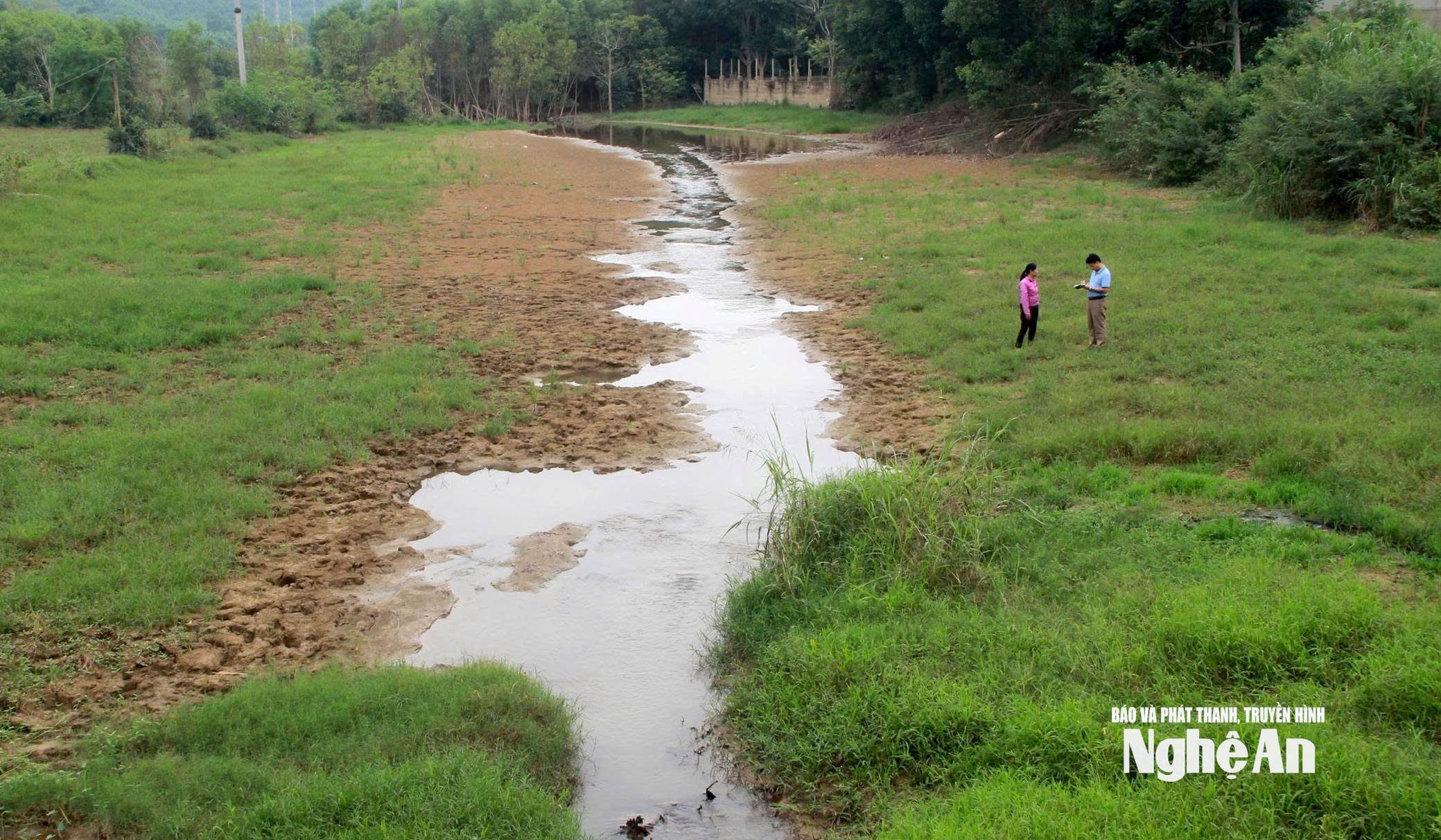
In previous years, at this time, the riverside alluvial plains along the Lam River from Do Luong to Con Cuong (formerly) were covered in a lush green of corn, pumpkins, and various vegetables. However, this year, that landscape has completely changed. Many fields are now just barren strips of land, unsuitable for cultivation due to the severe impact of prolonged heavy rains and floods from July until now.
Farmers are not yet able to improve the land.
In Tien Thanh village, Con Cuong commune, Mrs. Nguyen Thi Ly stood beside the plot of land along the Lam River that her family had been attached to for many years, unable to hide her worry. She said that in the past, her family planted corn and eggplant each season, harvesting regularly and earning tens of millions of dong annually from 2 sao (approximately 0.2 hectares) of arable land.
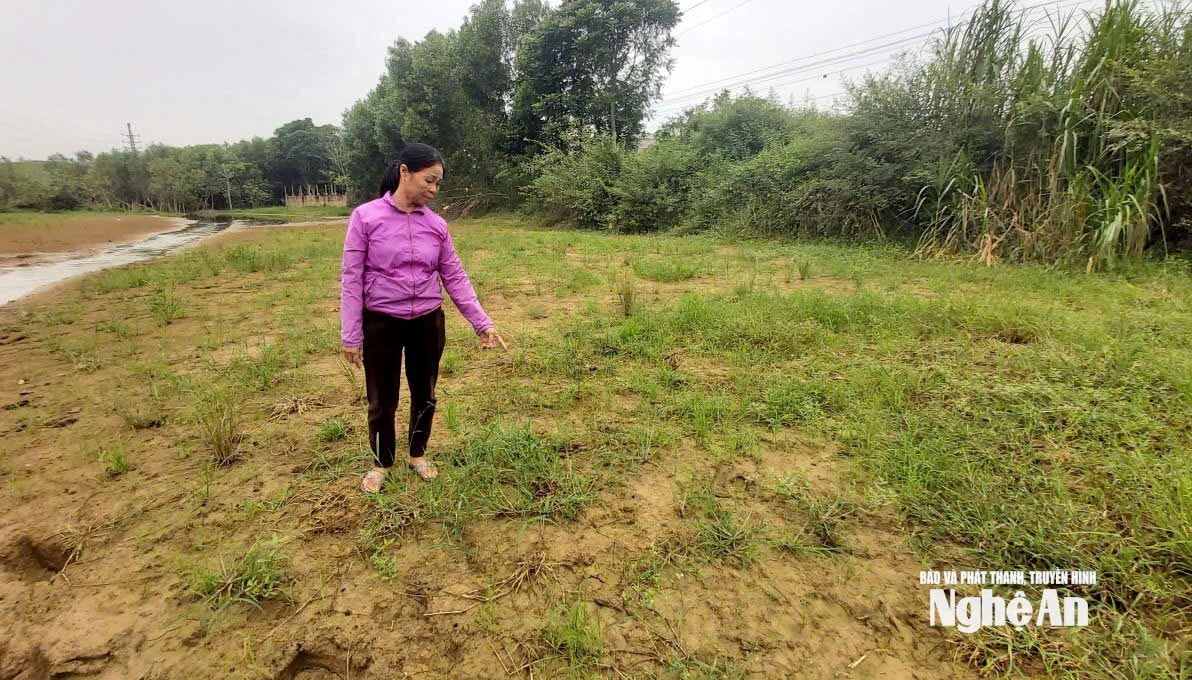
However, after several major floods, the river rose, carrying soil and rocks, covering the entire cultivated area. "The soil is covered with a thick layer of sediment, and with the continuous rain, it's completely soaked. From July until now, we haven't been able to plant anything," Ms. Ly shared.
According to Mr. Cao Tien Thinh, Head of the Economic Department of the Con Cuong Commune People's Committee, the consecutive floods caused by typhoons No. 3, No. 5, and No. 10 have caused widespread damage. The entire commune lost 30 hectares of arable land due to landslides along the river, and 60 hectares of riverside land were heavily silted with sand and gravel. In addition, approximately 40 hectares of rice paddies and 200 hectares of fruit trees were also severely affected.
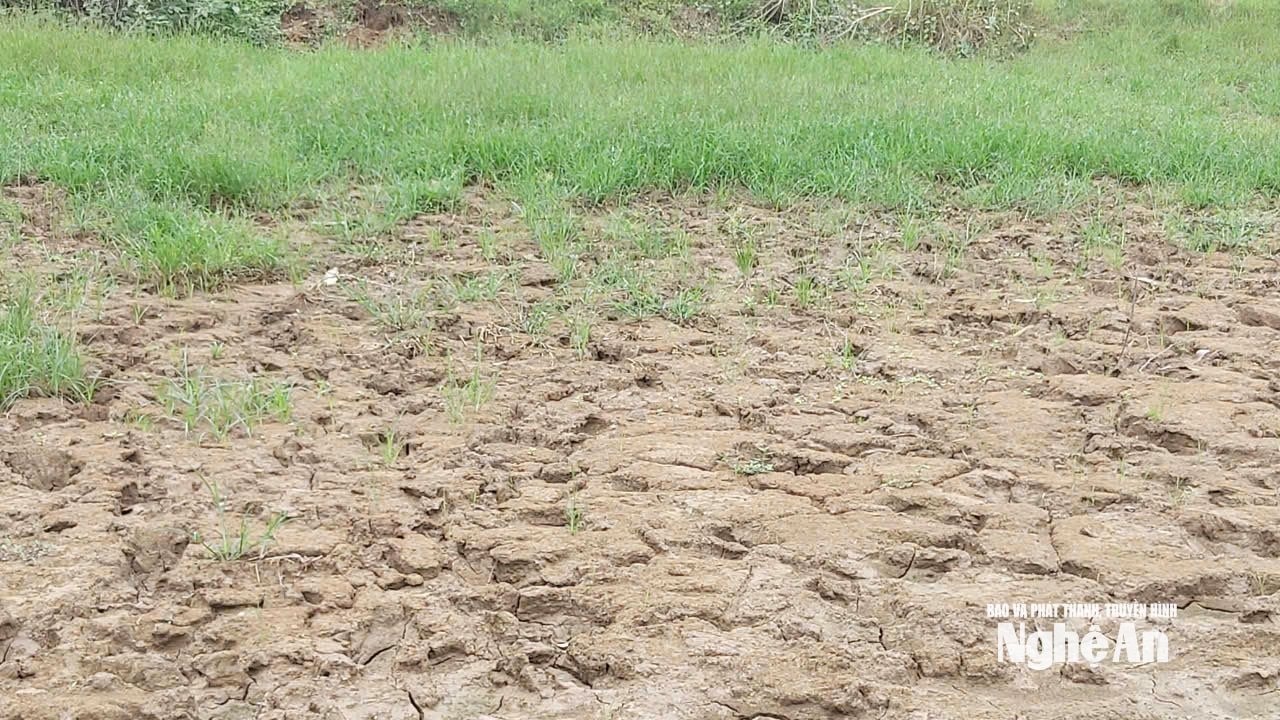
The biggest challenge now is that the majority of the buried land is not fertile alluvial soil but rather sandy soil and river pebbles. To reclaim it, the land must be leveled and the soil rehabilitated, and some of the topsoil must be transported to fill the gaps. Meanwhile, the internal field transportation system, which plays a crucial role in transporting machinery, materials, and draining water, has also been severely damaged, with many routes silted up and cut off.
To support the local area in overcoming the damage, the province has allocated 10 billion VND to Con Cuong commune. Based on this, the commune plans to allocate 1.5 billion VND to repair rural roads and 400 million VND to purchase lime powder to distribute to farmers for treating fields and improving soil after the floods.
“We have contracted with a lime supplier. When the soil starts to dry out, the commune will mobilize people to plow and dry the soil, then sprinkle lime powder to reduce acidity, limit fungal and bacterial growth, and improve soil nutrition. The area needing treatment initially is about 60 hectares of riverside land,” said Mr. Cao Tien Thinh.
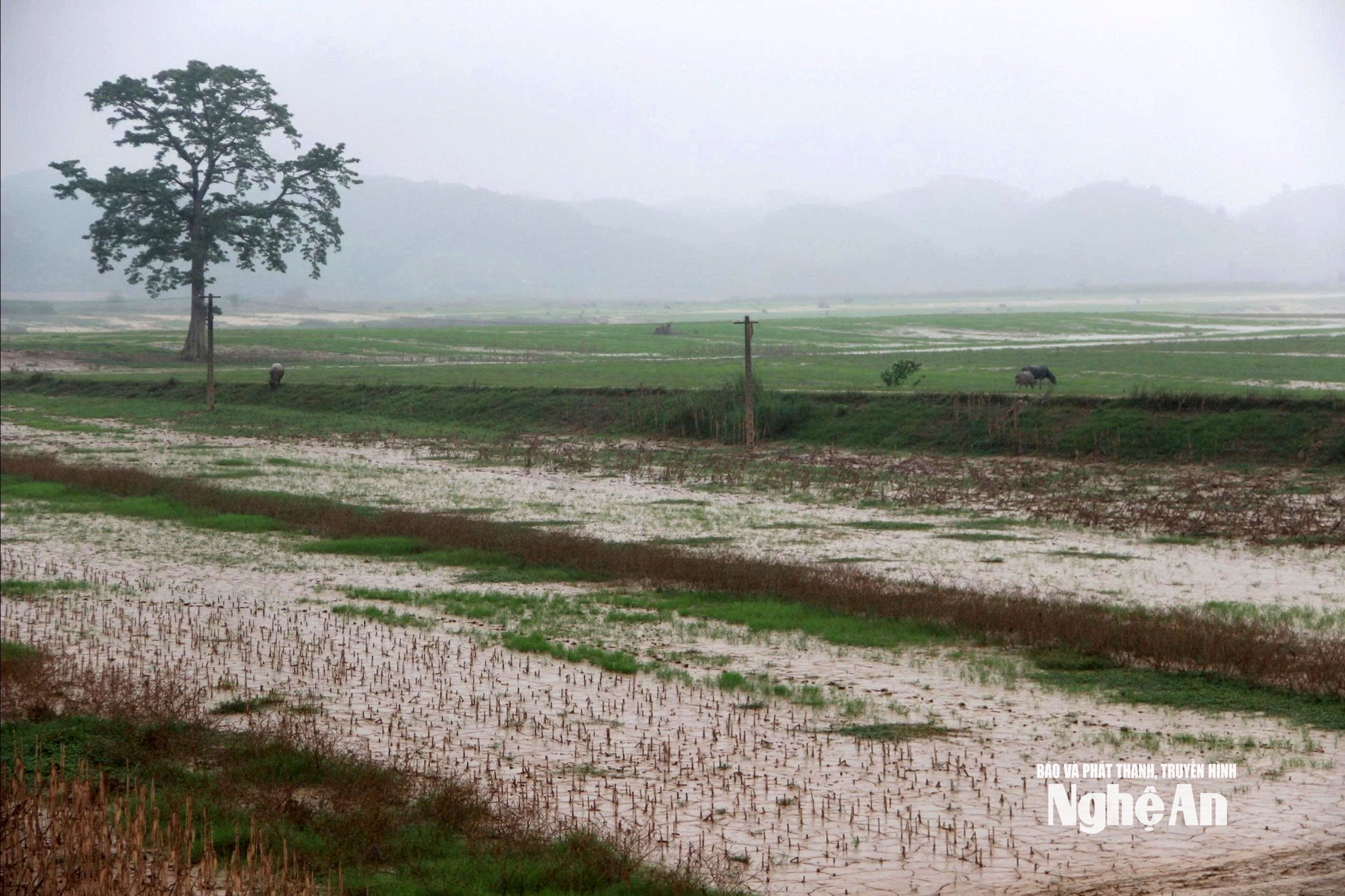
Nhan Hoa commune (formerly Anh Son district) was considered a key area for winter crop production in the locality, with the advantage of fertile alluvial plains along the Lam River. Every year, the commune's winter crop production structure focuses mainly on corn and various vegetables and fruits, providing a stable source of income for the people.
According to this year's winter crop production plan, the entire commune plans to plant 544 hectares of corn, including 404 hectares of biomass corn for livestock feed and 140 hectares of corn for grain; along with 15 hectares of potatoes. This area is mostly located in the riverside alluvial plain, which is considered to have good soil fertility and is suitable for concentrated commercial production.
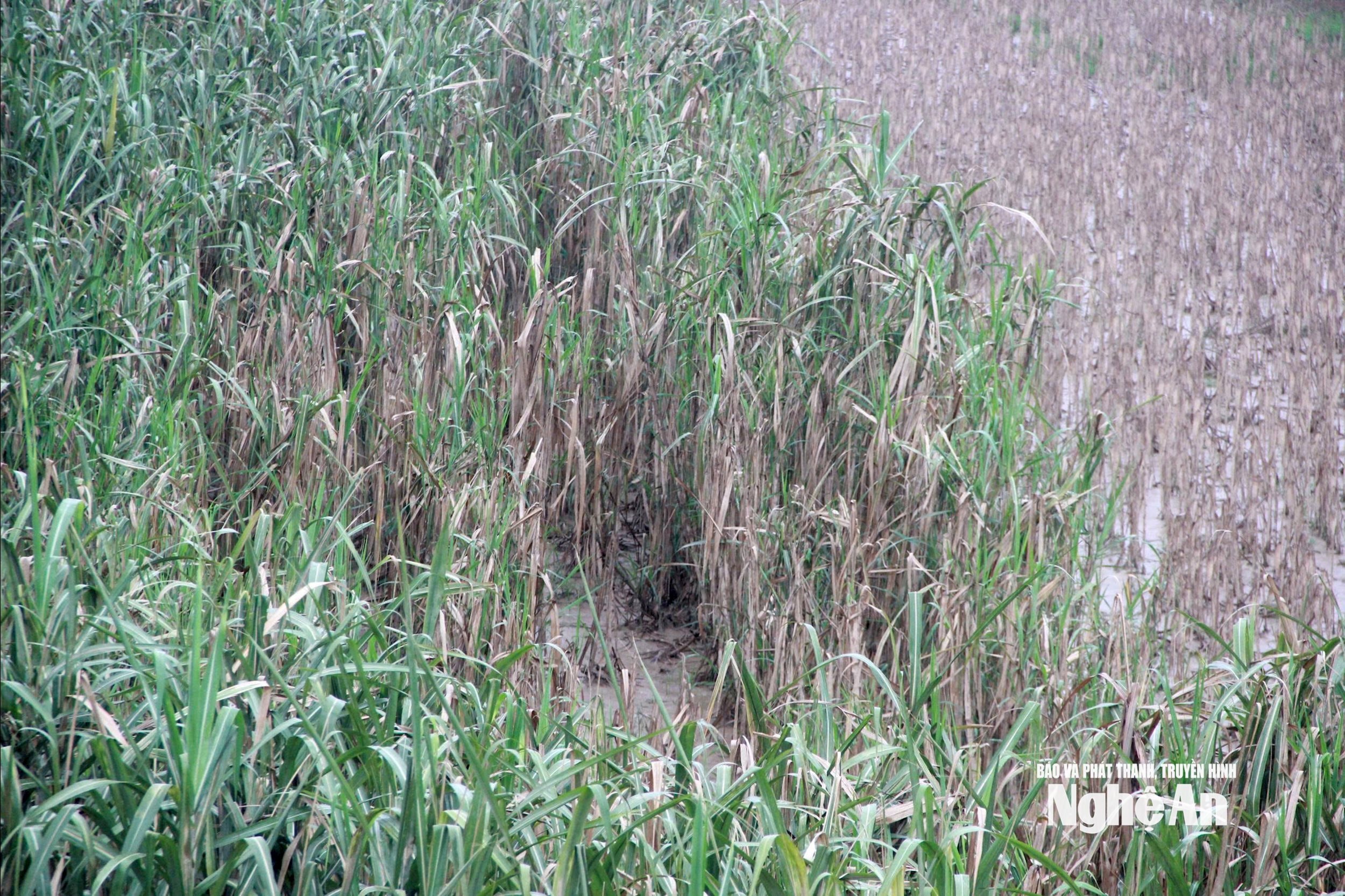
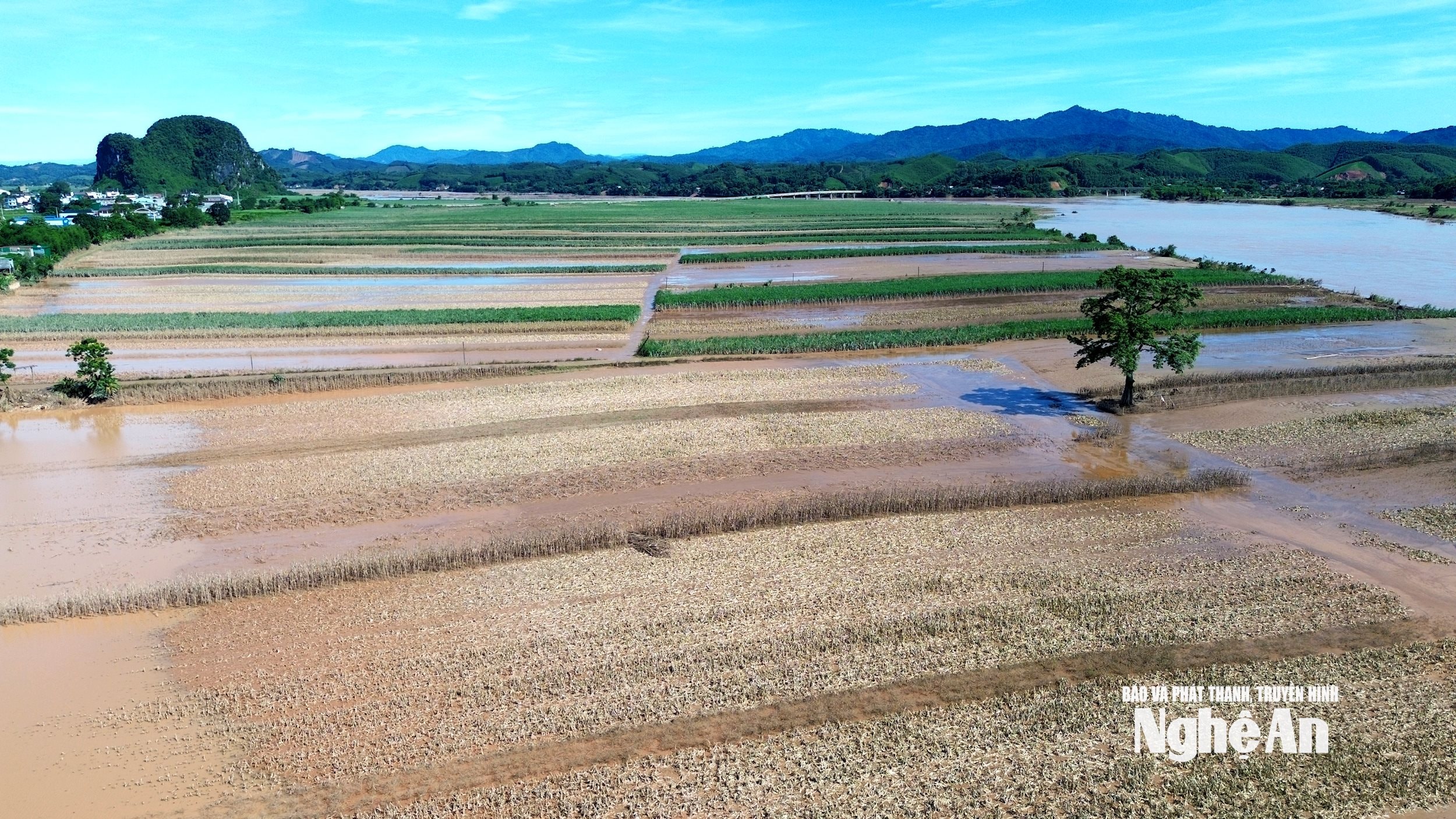
However, following recent heavy rains and floods, especially the historic flood at the end of July, the entire floodplain area was submerged for an extended period, then covered with a layer of mud, gravel, and rocks over 1 meter thick. This has created significant difficulties for the commune's winter crop production plan. Areas once considered the "winter corn granary" have become uneven, with many places created by swirling water creating deep holes, making it impossible for farmers to prepare the land and plant according to the seasonal schedule.
Mr. Dang Dinh Luc, Chairman of the People's Committee of Nhan Hoa commune, said that before the floods, the people had sown autumn corn and planted 55 hectares of sugarcane. However, almost the entire area was completely lost. For the corn, many areas were swept away by the water before the seeds could germinate. As for the sugarcane, although it is a crop with a certain degree of drought and waterlogging tolerance, after being submerged for a long time and then covered by a thick layer of mud, the roots and stems could not recover.
“Currently, farmers want to clear the damaged sugarcane fields to switch to planting winter corn. But the soil is still too wet to bring in machinery for reclamation. Some other areas have also had their terrain altered, requiring leveling before production can begin,” Mr. Luc said.
Given the severe damage, the province has provided Nhan Hoa commune with 2.5 billion VND to help mitigate the consequences of the floods. The commune plans to use part of this funding to repair the internal road system and rent machinery to resurface agricultural land for the people. However, the biggest difficulty currently is the unpredictable weather, with heavy rain and high soil moisture, making it impossible to immediately carry out land leveling and preparation.
In this context, local authorities are advising people to proactively monitor weather developments and, at the same time, study the possibility of changing crop structures if the planting season is not guaranteed. Restoring production after the floods is a race against time, because this is not just a matter of the harvest season, but also the livelihood of hundreds of households along the Lam River.
Providing seed support to local areas.
According to Mr. Nguyen Tien Duc, Head of the Provincial Department of Crop Production and Plant Protection, the province currently has approximately 8,600 hectares of riverside land along the Lam River used for agricultural production annually. However, due to the impact of successive floods from the end of July to September, more than 5,000 hectares were deeply submerged and covered with layers of sand, soil, and gravel. This has made it difficult to implement winter crop production in many localities, especially in land preparation and restoring soil fertility.
Mr. Duc advised that for areas affected by siltation, farmers should wait for stable weather and dry soil before plowing, then apply lime to treat the soil, in order to limit disease outbreaks, improve pH levels, and restore soil quality before replanting.
Following the impact of typhoons No. 3 and No. 10, hundreds of hectares of crops along the Lam River in the communes of Nhan Hoa, Vinh Tuong, Anh Son Dong, Anh Son, Con Cuong, Tam Quang, and other localities such as Quynh Anh, Dai Hue, Tan Phu, etc., suffered heavy damage. To promptly support farmers in restoring production, the Provincial Department of Crop Production and Plant Protection has coordinated with companies to implement a program providing vegetable seeds to affected areas.
Accordingly, the Provincial Department of Crop Production and Plant Protection provided 21 tons of LVN 14 corn seeds and 13,500 packets of various vegetable seeds, distributing them to the aforementioned localities.
The support activities aim to help people restore production in a timely manner for the winter crop, stabilize livelihoods, and minimize damage after natural disasters. However, at this time, localities along the Lam River, especially communes in the former districts of Do Luong, Anh Son, and Con Cuong, have not yet sown seeds because the fields have not yet been restored.


