
Global Strategic Weapons in 2025: The Hypersonic and New Nuclear Technology Race
2025 marks a breakthrough year for Russia, the US, and China in deploying strategic weapons such as the Oreshnik, Sentinel, and DF-61 missiles to maintain deterrence.
The year 2025 marks a significant shift in the global strategic weapons landscape as nuclear powers simultaneously introduce new delivery systems. According to the Bulletin of the Atomic Scientists (USA) and Lenta (Russia), these weapons integrate hypersonic technology and nuclear propulsion, posing new challenges to modern defense systems.
Russia: Optimizing hypersonic weapons and nuclear submarines.
The centerpiece of Russia's new strategic arsenal is the Oreshnik medium-range ballistic missile. Originally deployed in 2024, by September 2025, the technical and tactical characteristics of this system had been clarified through models unveiled in Belarus. The biggest difference between Oreshnik and traditional missiles is its hypersonic strike capability, carrying both conventional and nuclear warheads. By the end of 2025, Oreshnik units were officially operational in both Russia and Belarus.
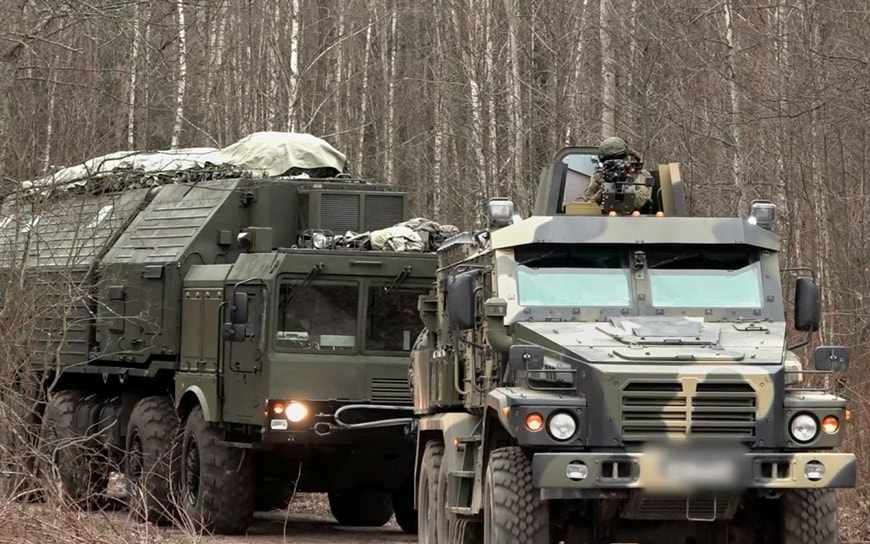
In addition, Russia has also deployed the Burevestnik nuclear cruise missile. According to The New York Times, this weapon is designed to overcome sophisticated defense systems such as the US "Golden Dome" project. Simultaneously, the Poseidon strategic submarine has also completed testing. Using a nuclear engine and capable of carrying a 10-megaton warhead, Poseidon serves as a backup in the nuclear triad, capable of generating radioactive tsunamis to attack coastal targets.
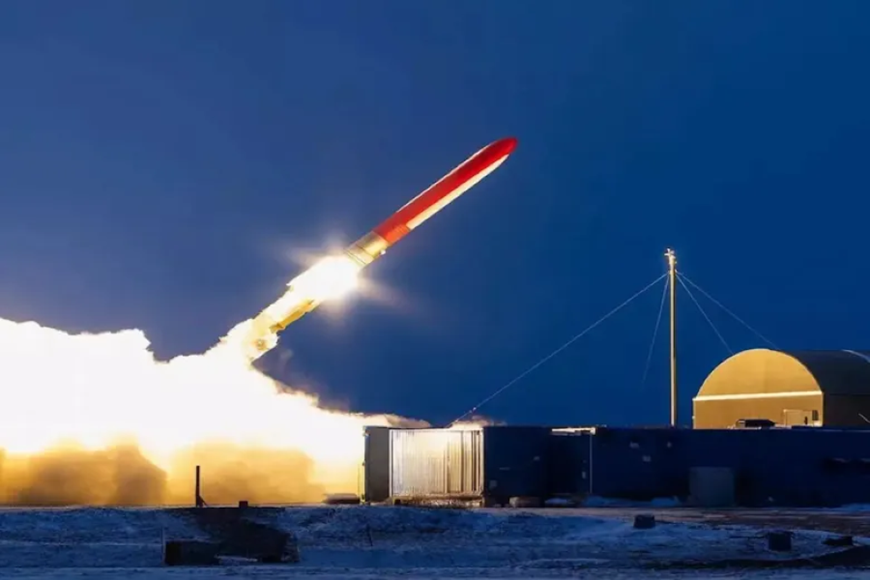
To operate Poseidon, Russia deploys the Khabarovsk nuclear submarine of Project 09851. This design possesses special compartments that allow for stealthy nuclear retaliation from underwater.
US: Budget challenges and cruise missile modernization.
In contrast to Russia's deployment progress, the US Sentinel intercontinental ballistic missile (ICBM) development program has encountered numerous obstacles. Due to rising costs and budget cuts demanded by Congress ($1 billion in 2025 and $2.85 billion in 2026), the Pentagon has been forced to extend the service life of the older Minuteman III series until 2050.
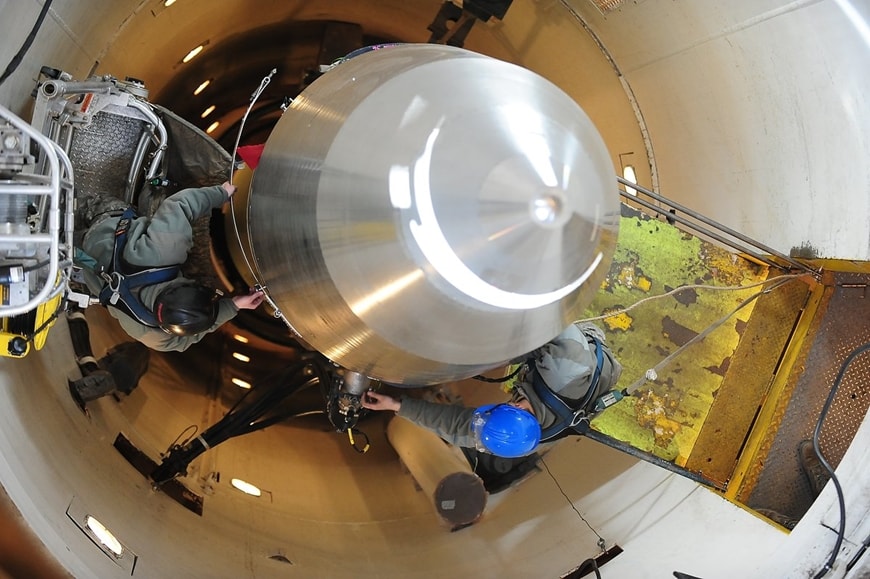
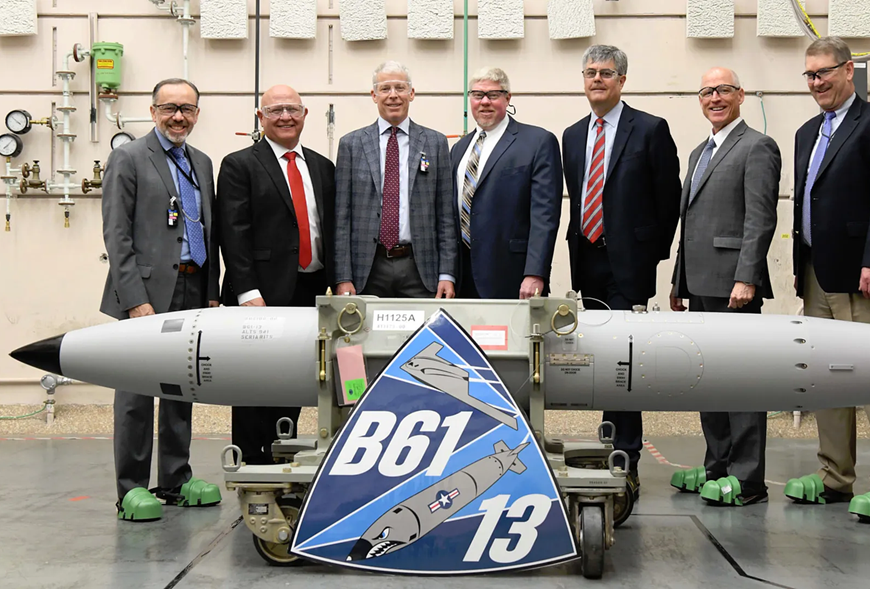
However, the US has still made progress in the field of tactical nuclear weapons with the B61-13 thermonuclear bomb. This bomb has a destructive power of 340 kilotons and is expected to be integrated into the B-21 Raider stealth bomber. In addition, the AGM-181 nuclear cruise missile (LRSO) with a range of 2,500 km has also been revealed on the B-52H Stratofortress, intended to replace the outdated AGM-86 due to its superior stealth capabilities.
China: Expanding the DF line and AJX-002 submersible.
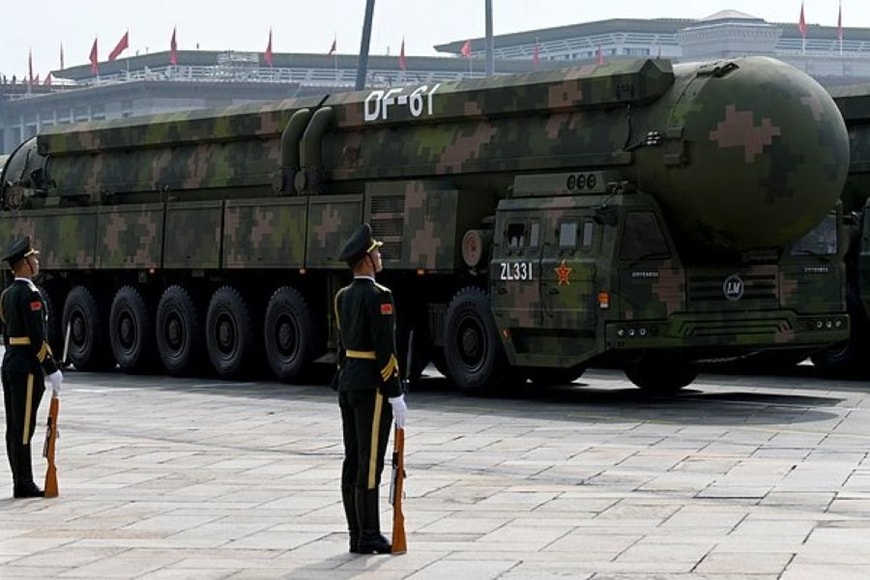
China unveiled several new strategic weapons at its 2025 Beijing anniversary celebrations. Most notably, the mobile DF-61 ICBM, using an 8-axis airframe, is capable of carrying up to 10 warheads with a range of 12,000 to 15,000 km. In addition, a new version, the DF-5C, was introduced with a trajectory that passes over Antarctica, enabling it to penetrate current missile defense systems.
On the sea surface, the JL-3 submarine-launched ballistic missile (SLBM), with a range of over 10,000 km, has been equipped on Jin-class submarines. Simultaneously, the 20-meter-long AJX-002 unmanned submersible has also appeared. Military experts believe the AJX-002 has capabilities comparable to Russia's Poseidon torpedo, with the potential to carry a powerful nuclear warhead to maintain global strategic balance.


