
Just after signing a historic agreement, US-Iran negotiations were unexpectedly postponed at the last minute.
Just hours after US Vice President JD Vance canceled his flight to Switzerland, the planned four-party talks aimed at reaching an agreement to end the conflict in the Middle East were officially postponed, leaving many questions about the path to peace ahead.
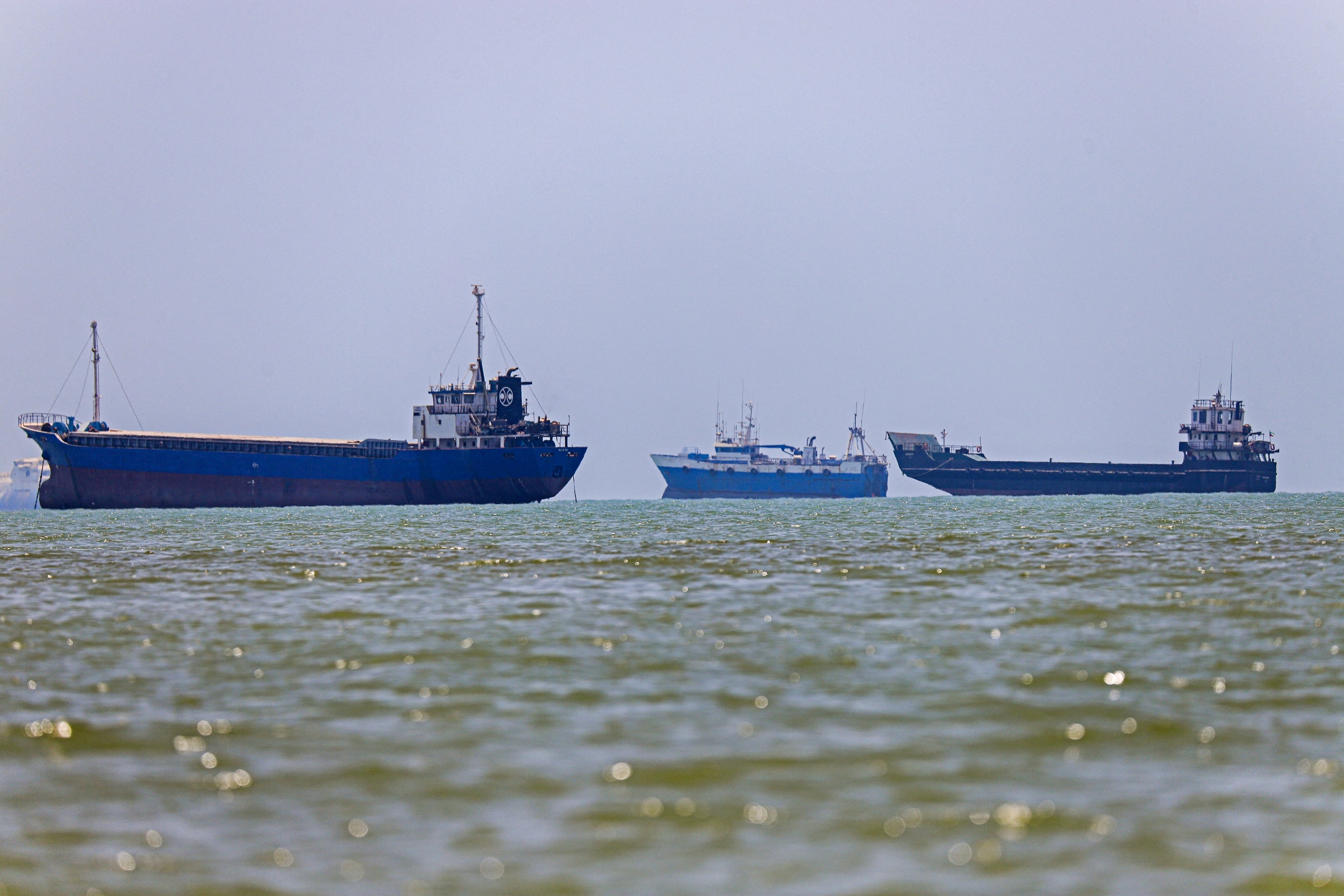
On June 19, the Swiss Foreign Ministry issued a statement confirming that the scheduled talks between the US, Iran, Qatar, and Pakistan had been postponed. While affirming that preparations in Burgenstock were continuing and that Bern remained ready to mediate, Switzerland did not provide a date for the resumption of negotiations.
This move comes shortly after the White House canceled Vice President JD Vance's trip. US officials explained the cancellation was due to the fact that "logistics for these negotiations have never been simple or predictable," and expressed hope that technical discussions would begin soon.
On Tehran's side, domestic media also reported that there had been no official confirmation regarding the schedule for the delegation's trip to Switzerland.
Previously, a landmark peace agreement was signed by US President Donald Trump and Iranian President Masoud Pezeshkian to end hostilities, reopen the Strait of Hormuz, and initiate a 60-day "golden period" of negotiations on broader issues, particularly Tehran's nuclear program.
Iran's Supreme Leader Mojtaba Khamenei, who succeeded the late Ali Khamenei in the February 28 airstrike, announced that he had approved the agreement aimed at "protecting national interests."
However, he stressed that sitting down for direct negotiations with the US in the future "does not mean accepting the other side's point of view."
According to AFP, the US military announced the lifting of the naval blockade on Iranian ports. As a result, maritime activity through the Strait of Hormuz – a global energy lifeline – has begun to resume. Saudi Arabian oil tankers and French liquefied natural gas (LNG) carriers are now able to navigate safely. Iran requires ships to apply for permits but has pledged to waive all fees for 60 days.
In return, Washington committed to immediately lifting the oil sanctions that were stifling Iran's economy. The agreement also stipulated that, if a final nuclear treaty was reached, the U.S. would facilitate the disbursement of $300 billion in reconstruction funds contributed by regional countries.


