
Nghe An Highlands: Why do tourists want to stay longer?
During the four-day April 30th - May 1st holiday, the highlands of Nghe An province became a popular destination for many tourists. Not only because of the cool climate and pristine landscapes, the appeal of this region also stems from its unique experiences, where local culture becomes a key factor in retaining visitors.
Proactively improve quality.services, improving the way tourism is done.
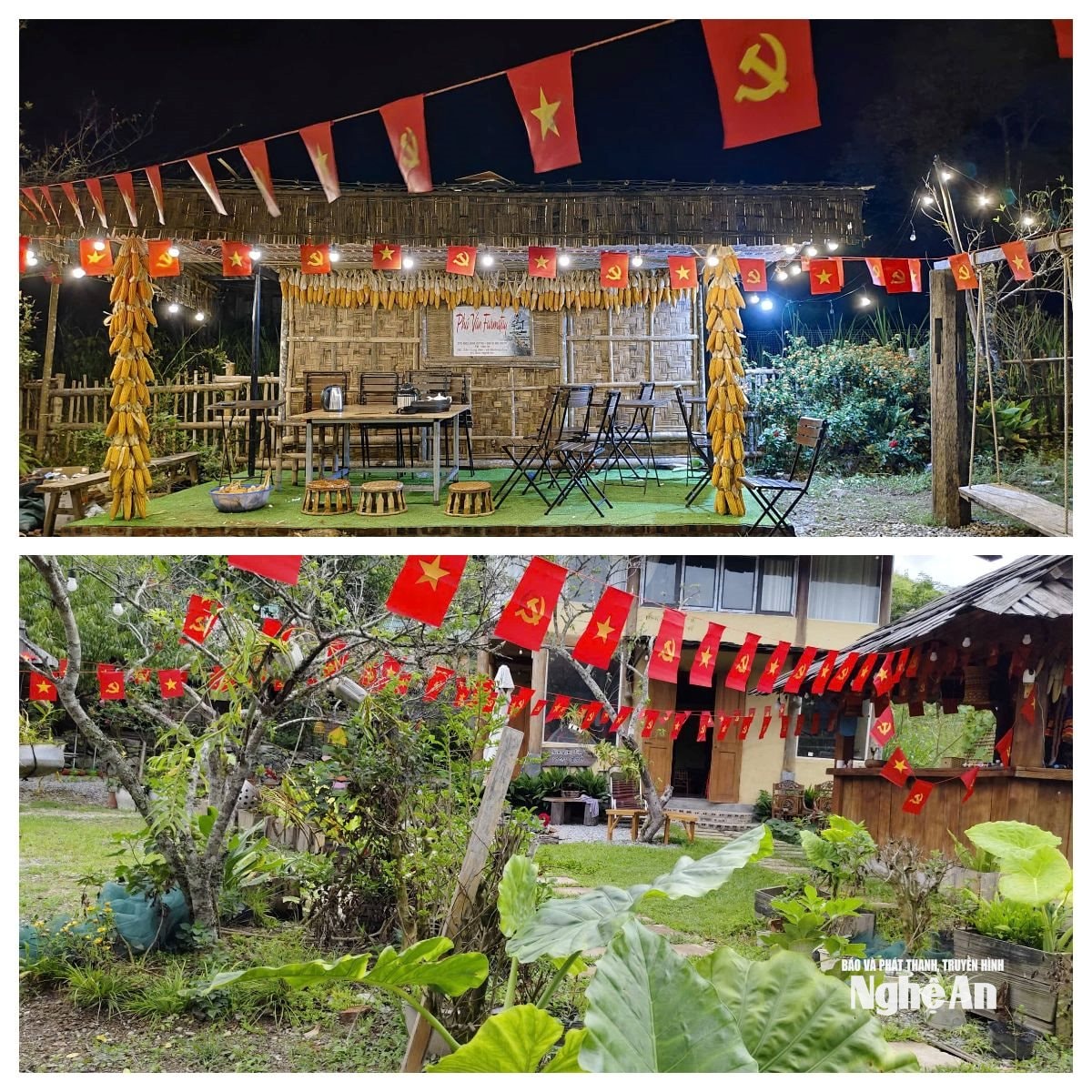
As the peak tourist season approaches, preparations are underway early at highland destinations in Nghe An province. In Muong Long, considered the "gateway to heaven" of Nghe An, homestays are proactively upgrading their facilities and improving services to welcome the surge in tourists during the holiday season.
Many accommodations are continuously welcoming diverse groups of guests, from domestic travelers to international visitors who find them through digital platforms like Google Maps. Bookings are increasing rapidly, with many places almost fully booked, especially with groups staying for extended periods to experience local life and culture in greater depth.
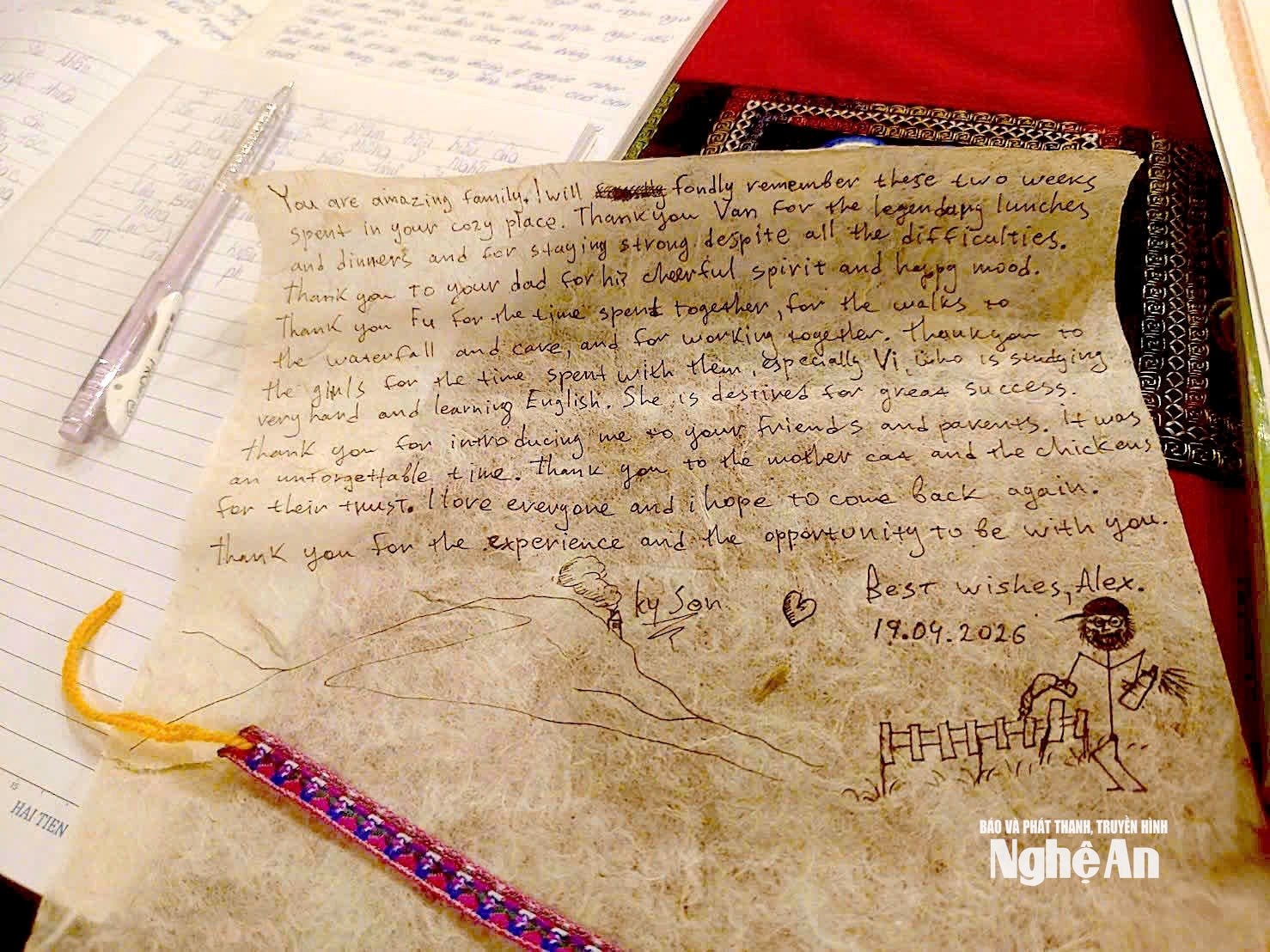
Driven by the increasing demand for unique experiences from tourists, the approach to tourism is gradually changing towards greater sophistication, enhancing the value of each service. Some accommodations have commissioned locals to make traditional dó paper to create guestbooks. These handcrafted expressions of emotion become a natural form of communication, deeply rooted in local culture.
Alongside the development of tourism-related households, local authorities are gradually perfecting the foundation for development. The promotion of community tourism cooperatives, the construction of night markets, the restoration of traditional houses, and the development of brocade weaving villages demonstrate a direction that goes beyond accommodation services and towards a diverse tourism ecosystem. Improved internal and inter-communal transportation infrastructure has opened up new experiential routes, such as the Dragon Waterfall adventure.
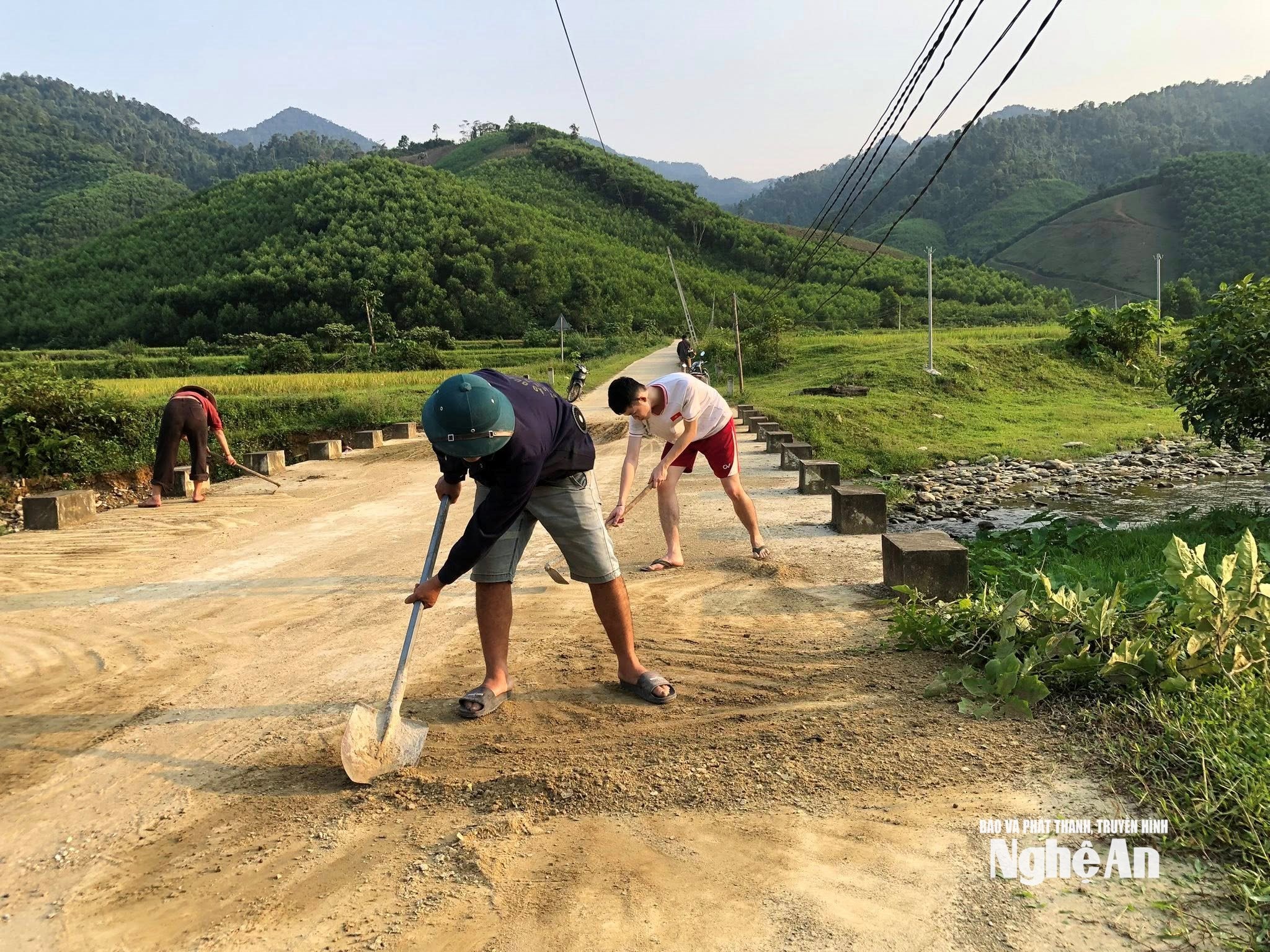
In Khe Ran village, Con Cuong commune, preparations begin with local supply sources. Residents proactively care for their chickens, vegetable gardens, and sources of clean food such as black chickens, local pigs, and garden vegetables to provide tourists with "clean from the source" meals. This forms an internal supply chain within the village, with each household playing a specific role, creating a strong link between production and service.
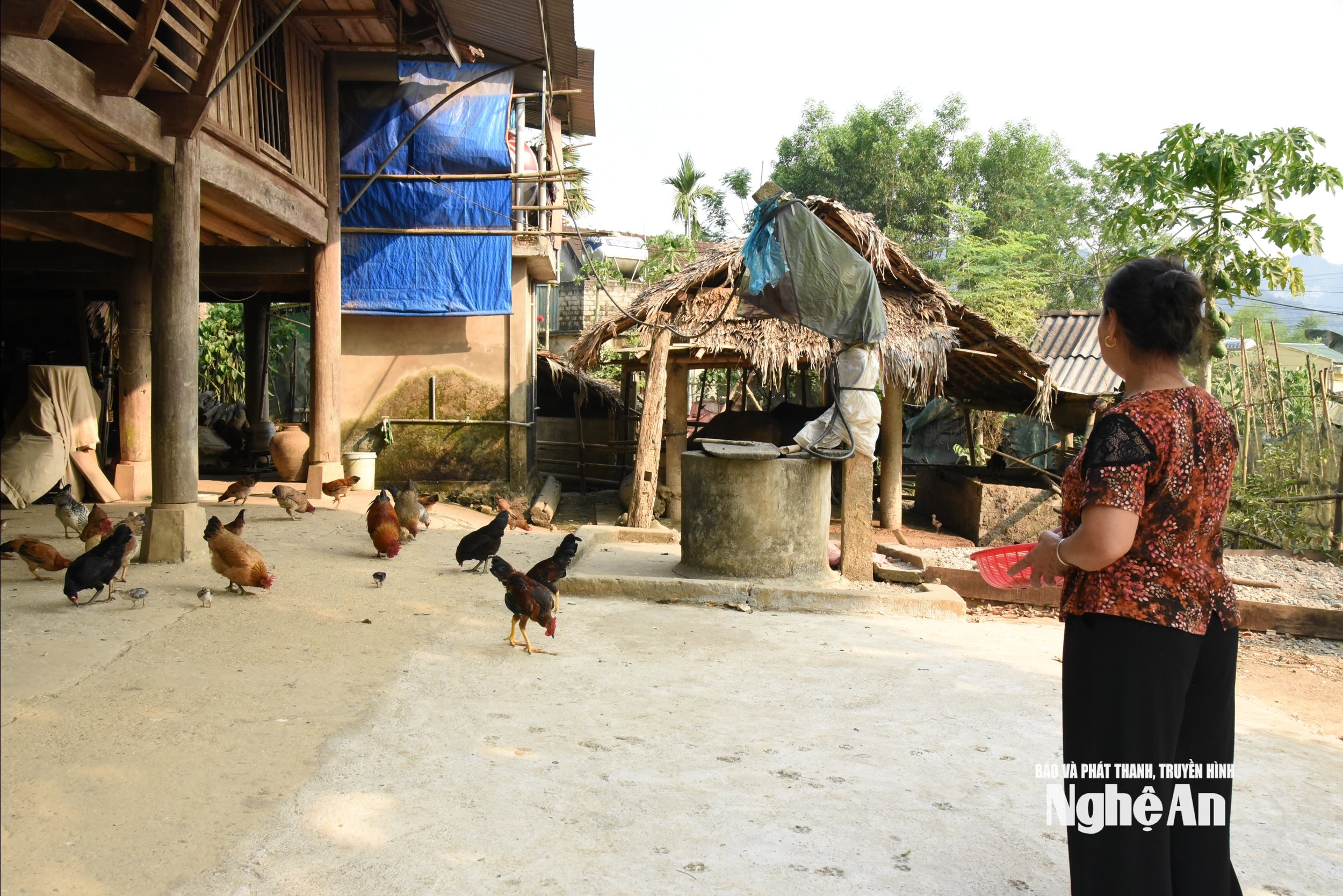
The community-based tourism cooperative model, with over 20 members, has made welcoming guests much smoother. It's not just an organization managing the business; it's also a way for the entire village to participate in tourism. Mr. Ha Van Inh, head of Khe Ran village, said: "To achieve this consensus, the village has encouraged people to change many habits in their daily lives. Previously, they raised livestock in a free-range manner and didn't pay attention to environmental hygiene. Since developing tourism, the villagers have become more conscious and keep the landscape clean. Guests appreciate the authenticity and cleanliness of our village. Maintaining that will ensure guests return."
.jpg)
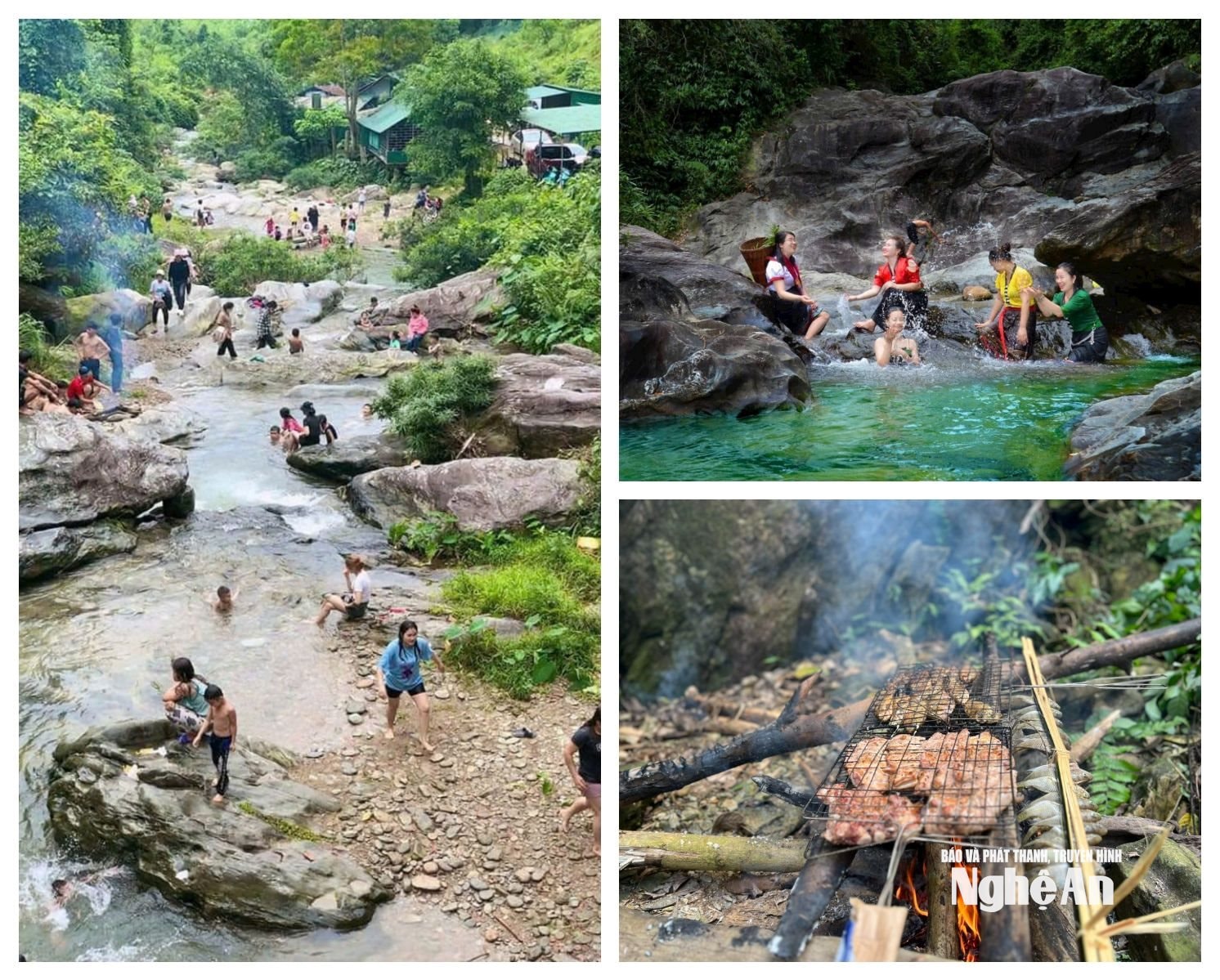
At Liếp Waterfall (Sơn Lâm commune), tourism activities have been reformed towards an organized approach. Before the peak season, the local authorities implemented a plan to shift from spontaneous activities to a cooperative model with centralized management, unified pricing, services, and safety regulations.
Mr. Trinh Van Bang, Chairman of the Son Lam Commune People's Committee, said: "The entire tourism space will be handed over to the cooperative for management according to the plan, acting as the central operator and bearing overall responsibility. We cannot allow a situation where everyone does as they please. Tourism must be organized and standardized to ensure long-term development."
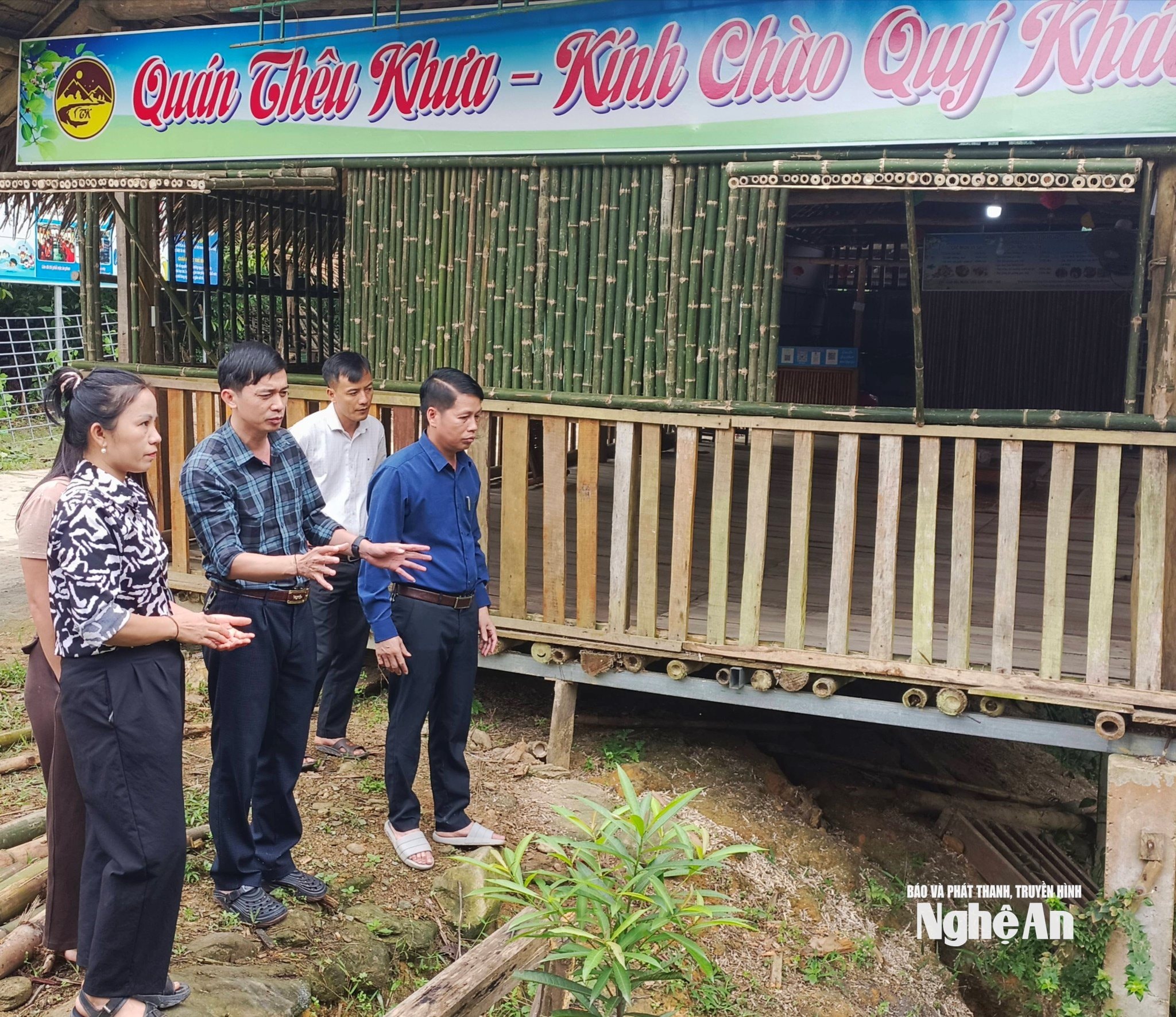
In addition, many comprehensive solutions have been implemented, such as: general environmental sanitation, landscape beautification, installation of warning signs, upgrading facilities, expanding parking lots, and adding more check-in points. Local people have also proactively invested in and improved conditions to serve tourists.
According to Ms. Lo Thi Theu, Director of the Liep Waterfall Tourism Cooperative, the number of visitors increases rapidly in the summer, especially during holidays. "Visitors come not only to bathe in the stream and admire the waterfall, but also to experience the local cuisine and culture. Therefore, we are upgrading our services while preserving our unique features to create lasting appeal," she shared.
Retain tourists through local cultural identity.
While preparation lays the foundation for operation, cultural identity is the decisive factor in attracting and retaining tourists. This is also where tourism in the highlands of Nghe An is gradually establishing its distinct identity.
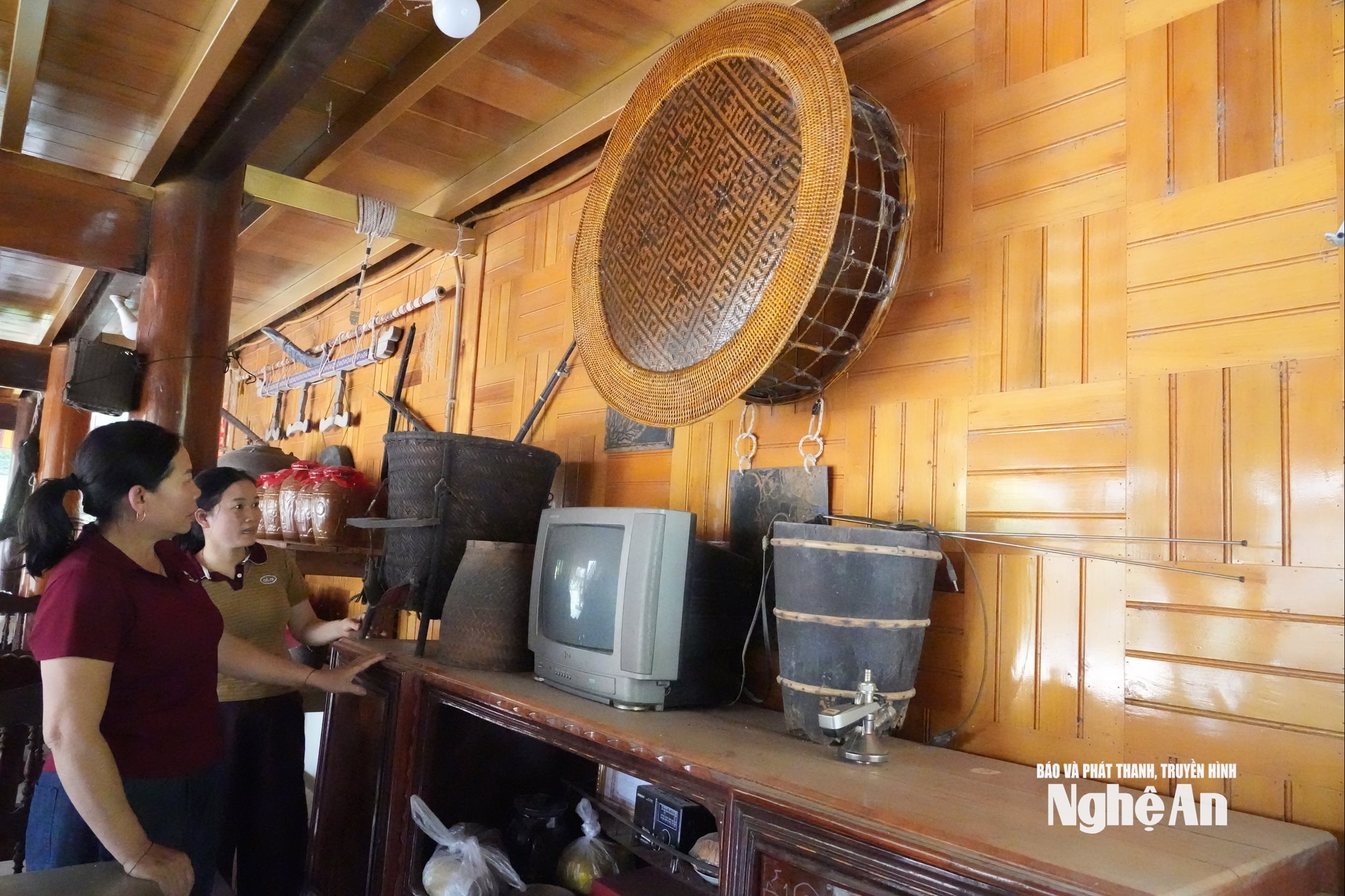
In Khe Ran village, the tourism experience is closely intertwined with daily life. In the evening, within the stilt houses, the sounds of gongs, the Xoe dance, and folk songs resonate naturally, without any staging. The performers are villagers who work in the fields during the day and become "artists" at night.
It is this authenticity that creates its unique appeal. Tourists not only participate but also immerse themselves in the living cultural space, something hard to find at mass tourist destinations.
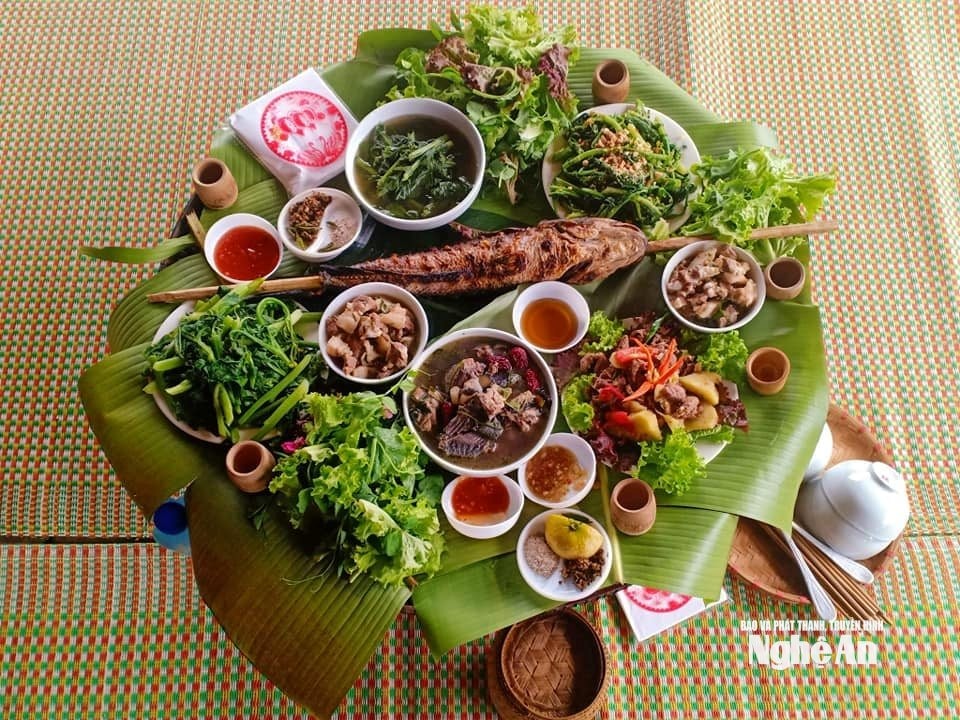
Local cuisine also contributes to the community's identity. Dishes made from black chicken, local pork, wild vegetables, etc., reflect the community's lifestyle. Using locally sourced ingredients ensures quality while linking tourism with agricultural production.
Ms. Nguyen Thu Trang, a tourist from Hanoi, shared her experience after an evening at the village: “I’ve been to many community tourism destinations, but this place feels very different. Everything happens naturally, from the meals to the sound of the gongs, without any staging or showmanship. It’s this simplicity that creates a sense of closeness and makes me want to stay longer.”
In Muong Long commune, cultural identity is not displayed but present in every experience. From stilt houses in the mist, the slow pace of life of the Hmong people, to the markets, everything creates a space to captivate tourists. Many choose to stay longer to participate in activities such as making Do paper, weaving brocade, and embroidering lace…
Meanwhile, Liếp Waterfall capitalizes on its scenic advantages intertwined with local culture. The forest space, stream, and natural terrain are combined with experiential activities such as culinary experiences, cultural exchanges, and community campfires, creating a complete tourism product.
Although each place has its own approach, a common trend can be clearly felt in Muong Long, Khe Ran, and Liep Waterfall: tourism in the highlands of Nghe An is gradually shifting from spontaneous to organized, with community participation. In this model, cultural identity is considered the foundation, people are at the center, and services are progressively improved, creating a sustainable attraction for tourists.


