
The Đượm region today
At the foot of the majestic Truong Son mountain range, Duom was once known as a remote and dangerous area. However, after 25 years, thanks to the youthful energy and unwavering determination of the volunteer youth, that land has been awakened, becoming a fertile land and a second home for dozens of volunteer families...
.png)
Content:Tien Dong/Technique:Hong ToaiDecember 16, 2025
------------o0o------------
At the foot of the majestic Truong Son mountain range, Duom was once known as a remote and dangerous area. However, after 25 years, thanks to the youthful energy and unwavering determination of the volunteer youth, that land has been awakened, becoming a fertile land and a second home for dozens of volunteer families...

About 15 years ago, every time I went to the 5th Youth Volunteer Brigade stationed in Thanh Thuy commune (then Thanh Chuong district), just mentioning my desire to go to the Duom area would make the officers in charge hesitant. It wasn't that they were reluctant to take me there, but because the road to Duom back then was so arduous that even those familiar with the jungle terrain shook their heads. The distance was only a little over 10km, but sometimes we had to walk along streams all day, clinging to rocks, and traversing dense, uncharted jungles. But now, everything has changed. The road to Duom has been opened, and motorbikes and cars can reach the homes of the brigade members.
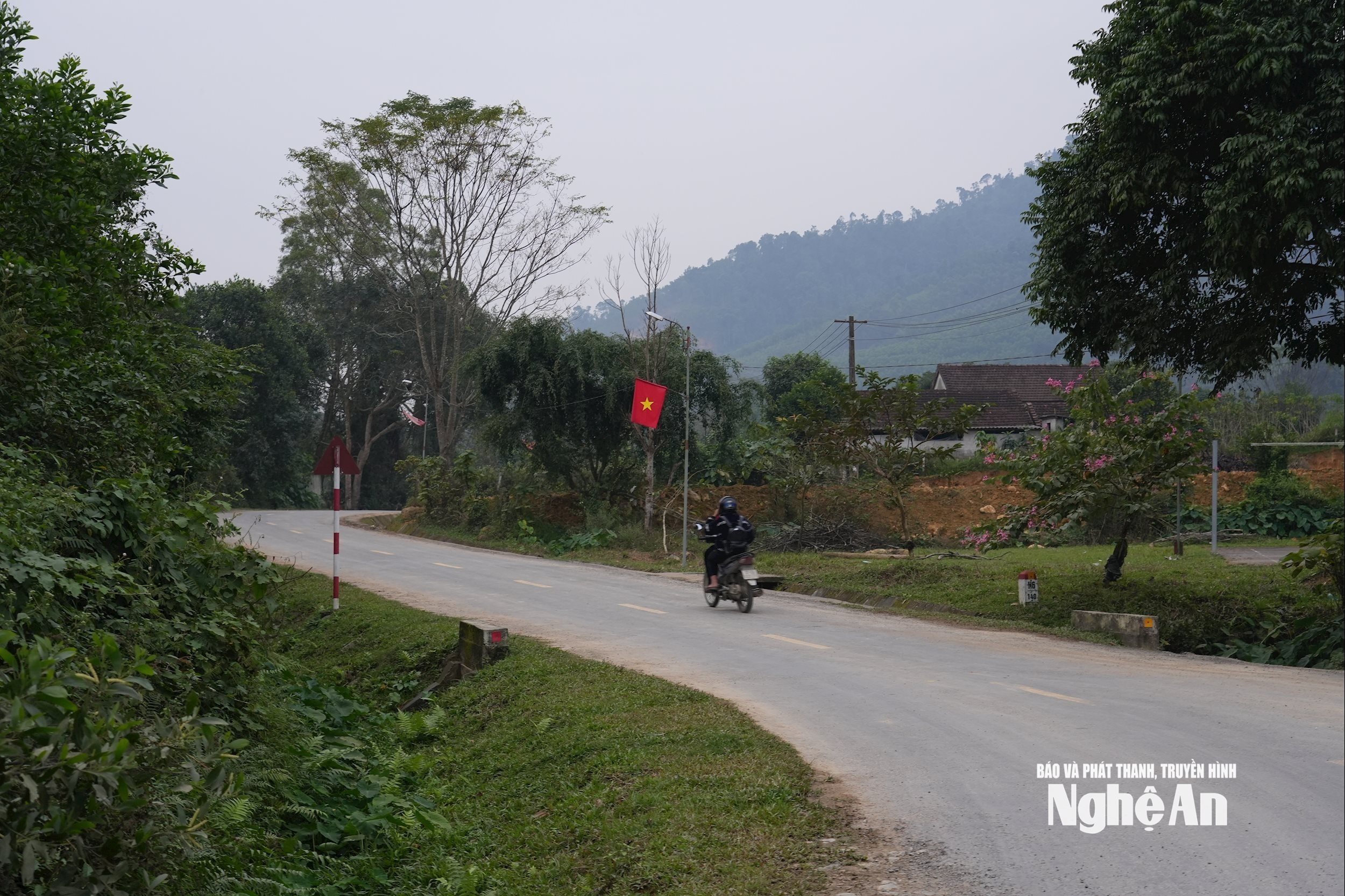
One day at the end of the year, from the headquarters of the 5th Youth Volunteer Brigade near Thanh Thuy intersection, I followed Mr. Nguyen Tung Khanh - from the Planning and Finance Department of the 5th Youth Volunteer Brigade - to the Duom area. We followed National Highway 46 towards the Thanh Thuy border gate for about 10km, then turned onto a concrete bridge crossing the Ro stream, and we saw houses and green tea hills appearing before our eyes… On that once desolate land, the changes were evident with every step.
Đượm is a region located at the foot of the Trường Sơn mountain range, bordering the Vietnam-Laos border. This area, along with the region west of the Ho Chi Minh Trail, belonging to Thanh Hà and Thanh Thủy communes of the former Thanh Chương district (now Kim Bảng commune), was assigned to the Nghệ An Youth Volunteer Brigade 5 for land reclamation and production development.
Going back in history, on the occasion of the 70th anniversary of the Nghe An - Thinh Hoa Soviet Movement (September 12, 2000), the People's Committee of Nghe An province decided to establish the Song Ro Youth Settlement Village (also known as the 5th Youth Volunteer Brigade - Economic Development of Nghe An), under the Provincial Youth Union. The main tasks of the Song Ro Youth Settlement Village at that time were to resettle young people for long-term employment, develop production, protect the protective forest, and coordinate in maintaining security and order, as well as border security between Vietnam and Laos.
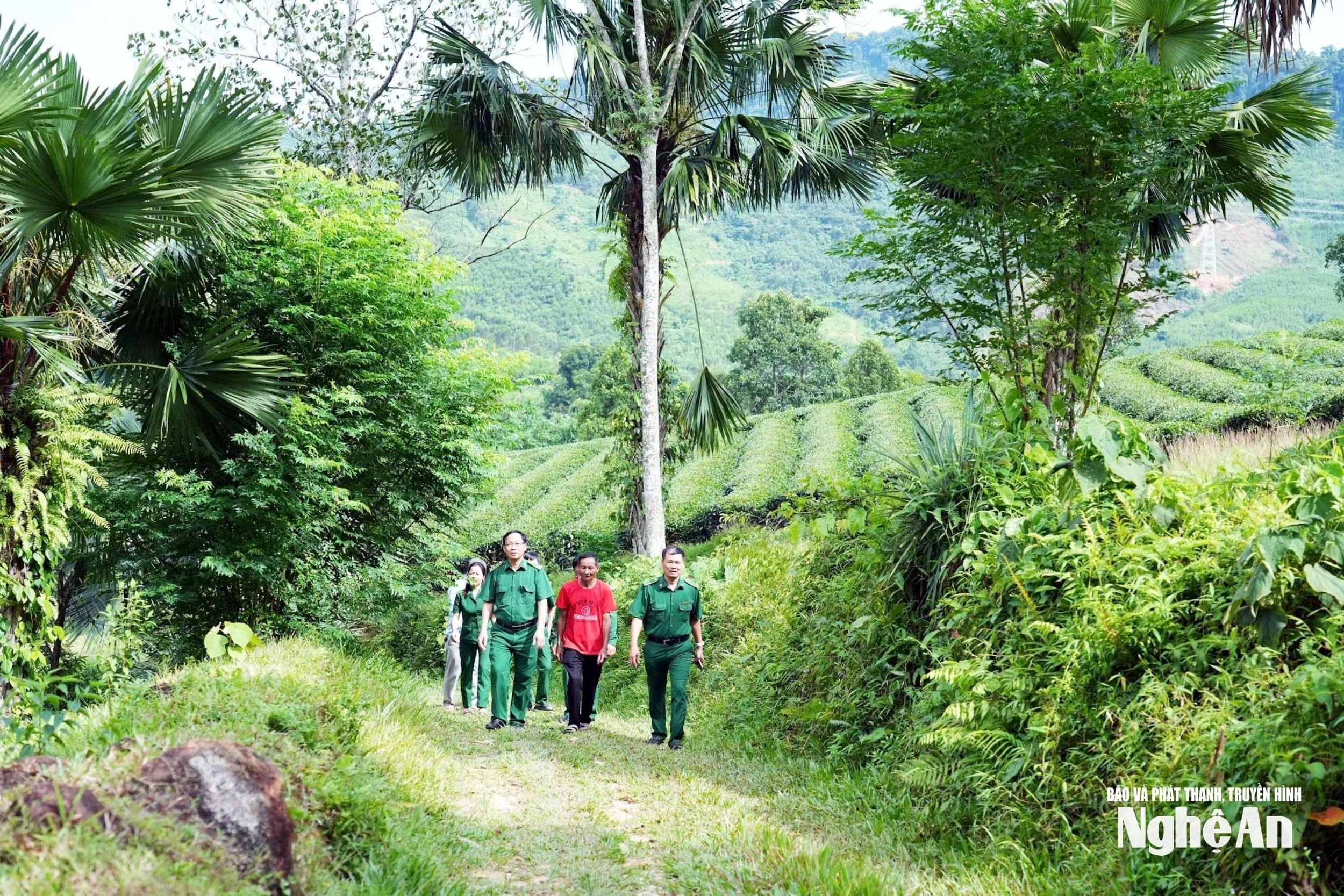
Archival photo
In the memories of the first team members, the days of setting foot in Đượm were unforgettable. Nguyen Huu Van, from Trung Son commune, Do Luong district (formerly), now Thuan Trung commune, arrived in Đượm in early 2002. Van recalled with emotion: "In the early 2000s, even though we had entered the new millennium, no one would have believed that this was a wild, untamed area still full of dangerous animals. Back then, the Ho Chi Minh Highway hadn't been built, and National Highway 46 leading to Thanh Thuy Border Gate was still a dirt road. There was absolutely no road into the Đượm area."
"That day, after dropping off our backpacks at the General Team headquarters, we were assigned to the Duom production area (also known as Production Team No. 2). To get there, we had to follow the stream all day long. When it rained, water rushed down from the mountains, making it slippery and very dangerous. But we were young, and nobody was afraid. We just knew we were here to reclaim land, to build the project area, and we did as much as we could," Van shared.
In the early days, the team members only had time to build makeshift shelters out of bamboo and reeds, hanging hammocks in the forest, and listening at night to the sounds of animals echoing from the mountains on the other side. There was no electricity, no clean water, no means of communication; food and supplies had to be carried on foot in individual trips. Yet, every morning, they still took their machetes to clear the forest and carried their hoes to cultivate the land. And so, patches of acacia trees and hills of tea plants sprouted up, thriving and green.
Mr. Nguyen Tung Khanh, also one of the first people to settle and cultivate this land, pointed down at the lush green valley and said: “Life was very hard back then. It was surrounded by dense forest. There were no machines like there are now; to plant even a few acres of tea, we had to clear the forest for months. So many pickaxes were worn down by the mountain rocks. Yet everyone was enthusiastic, working and encouraging each other to keep trying.”
Now, the dense forests that once obscured the view have been transformed into tea and acacia hills. Tea seedlings are carried from the center on bare shoulders, and the land is leveled by human effort—the only asset the team members possess.
Khánh recounted that back then, some of the team members were married, but the majority were young, unmarried men and women. There were young girls, tiny in stature, who carried dozens of kilograms of saplings for hours on end. They were tired, but they sang as they walked. Our youth was spent in this land.
Among those first recruits was a young man from the coastal town of Dien Chau - Vo Tuan Vy, now the Deputy Commander of the 5th Youth Volunteer Brigade. Vy recounted with emotion: “I came here in 2000, when I was just twenty. When I left, I simply thought that young people should go to difficult places and do difficult work. I never imagined I would be so attached to this place.”
Vy was one of the people involved in land reclamation, production area planning, road construction, and surveying locations for housing for team members right from the beginning.
“There were days when we went into the forest from early morning until late at night. Rice balls and stream water were our main meals. But seeing a patch of land open up, a road being formed each day… that made me happy,” Vy said with a big laugh.
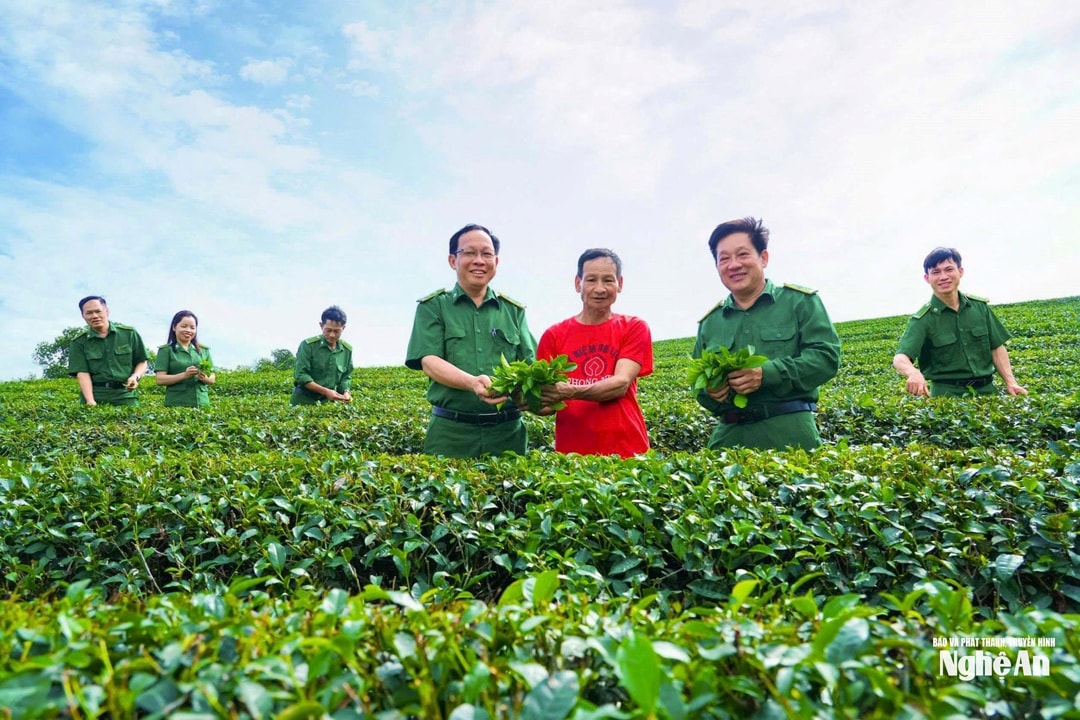
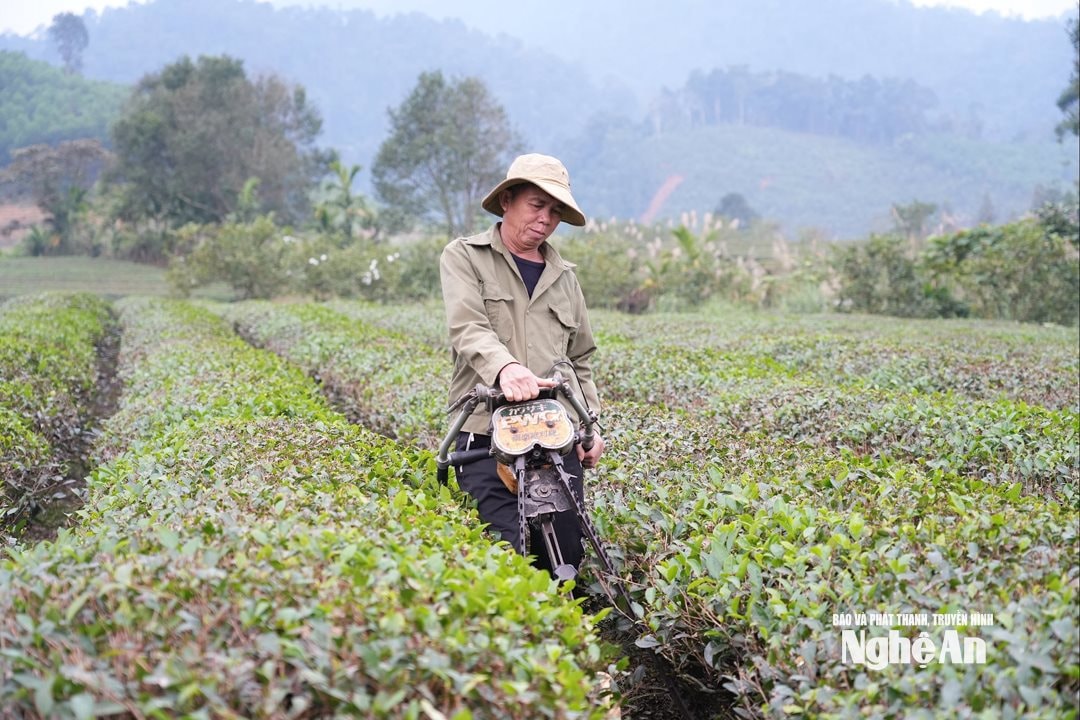
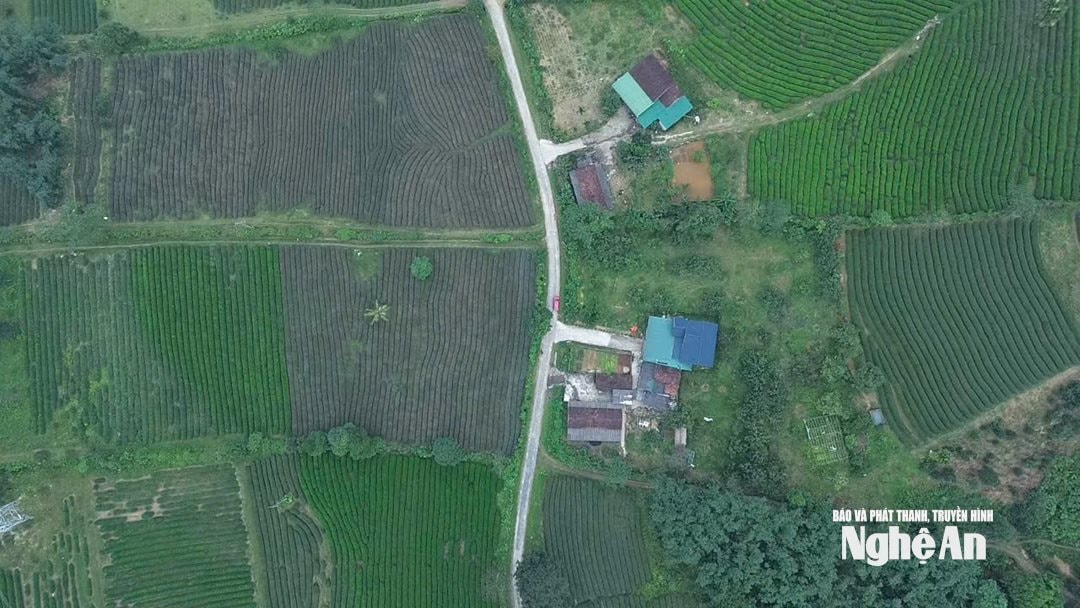
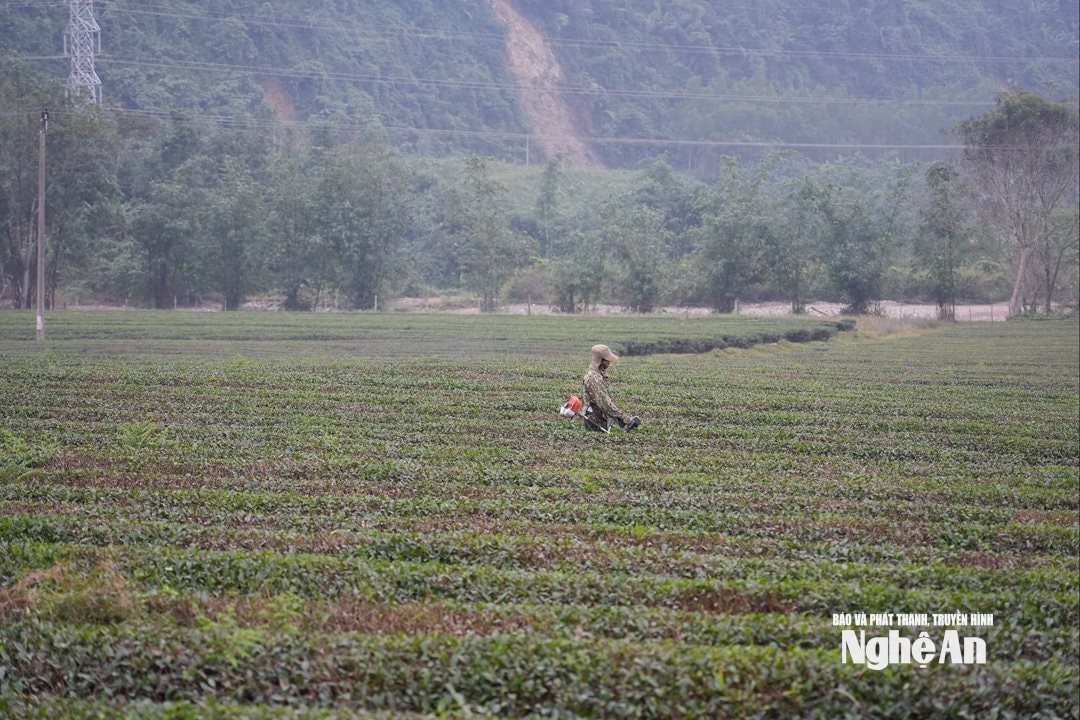

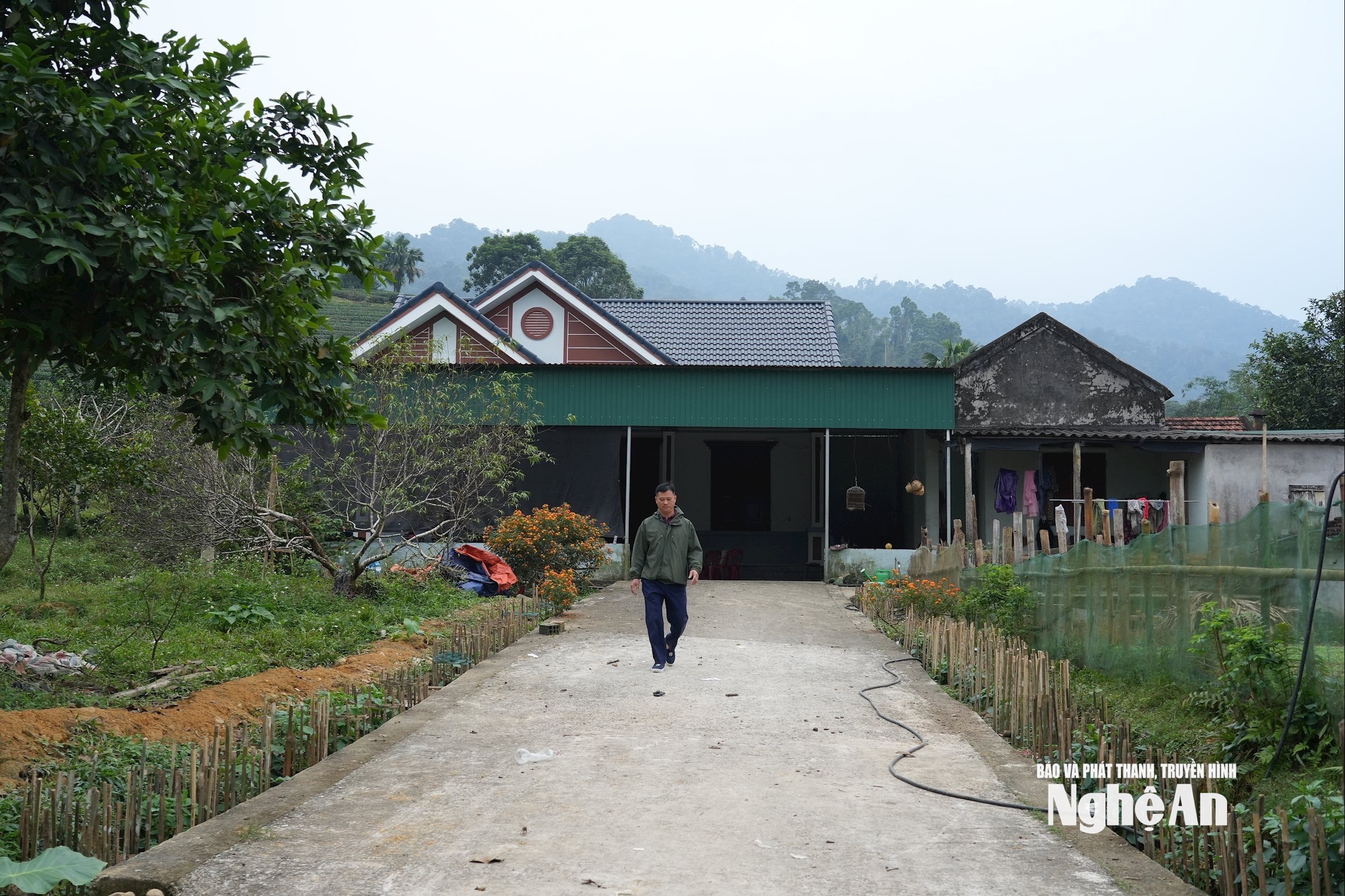
Twenty-five years have passed, and Đượm has changed so much that even those who pioneered the area are astonished. The rickety bamboo and thatch huts of yesteryear have now become sturdy houses nestled amidst lush green tea hills. The muddy dirt road that once caused so much hardship for the team members has now become a winding asphalt and concrete road, connecting the Đượm area with the headquarters of the 5th Youth Volunteer Brigade and leading to the commune center.
Electricity – something that young people of the past could only dream of – has been available for the past three years, bringing about significant changes in the economy and society of this land. Motorbikes, cars, the internet… have become familiar sights, as if this land had never experienced those difficult times.
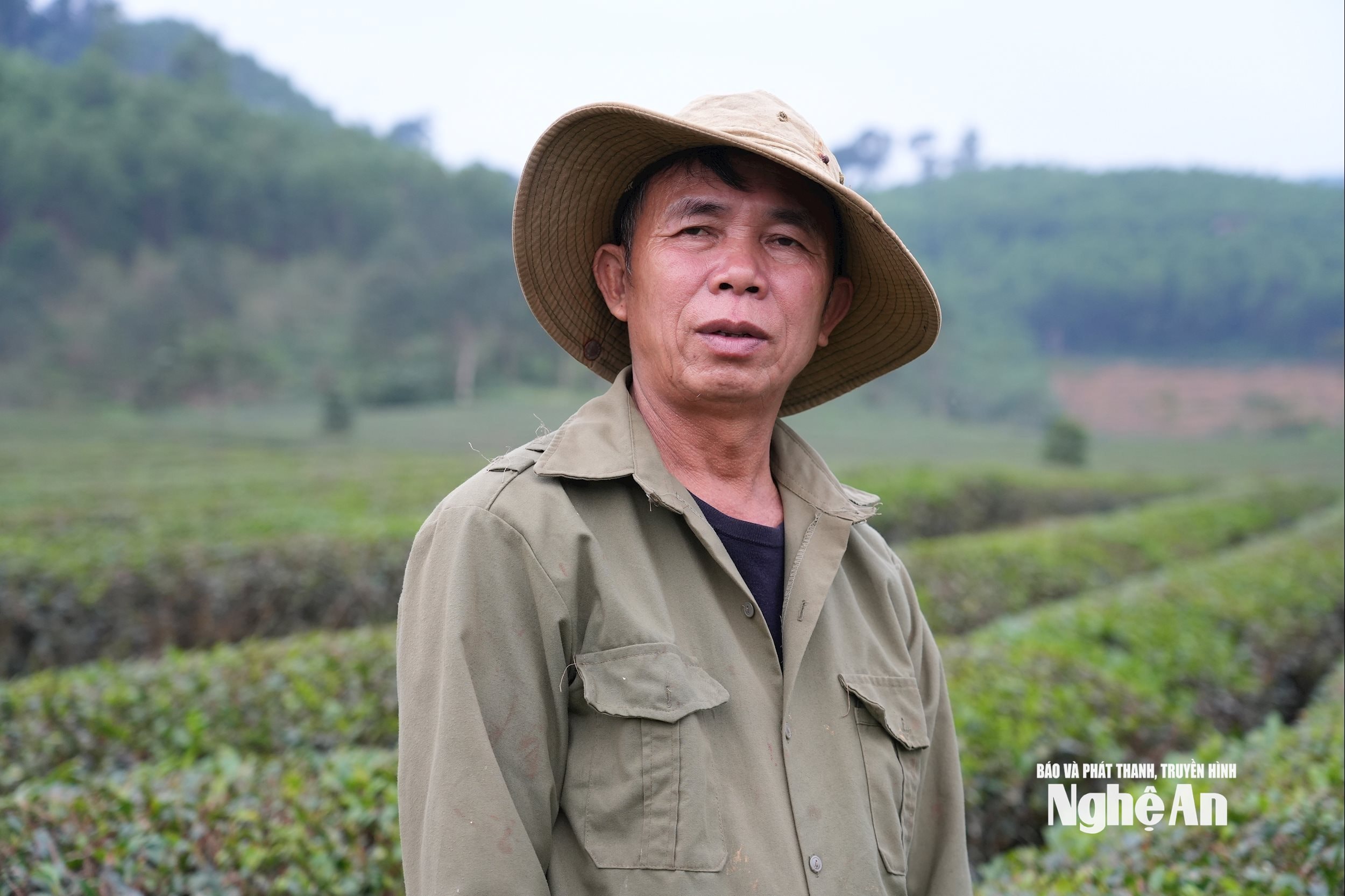
Standing before that scene, Mr. Hoang Van Xuan, in charge of Production Team No. 2, couldn't hide his emotion. Mr. Xuan said: "Before, it took a whole day to get to the headquarters of the General Team. Now, it takes less than an hour to get there. Life has changed so much."
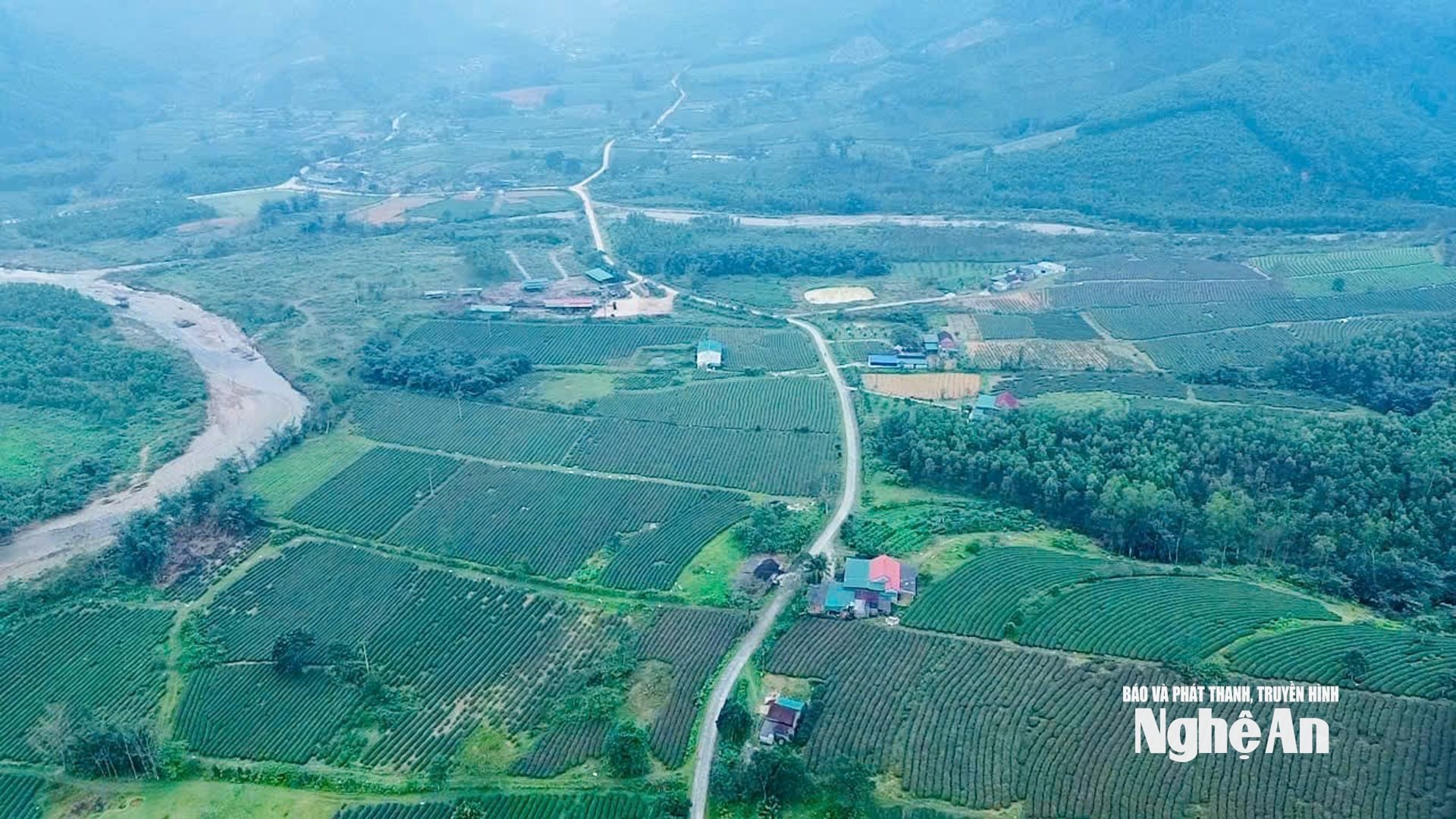
From an initial 5 officers and 23 members, the Youth Volunteer Brigade No. 5 now has 160 member households with nearly 600 people. In the Đượm area alone – the heart of Production Team No. 2 – there are now 59 member households, each allocated approximately 3 hectares of land for production, not to mention their forest protection duties. From hardship, the initial plots of land used for growing corn and cassava have now been restructured into green tea plantations and rows of acacia trees reaching towards the sun. Many member households have even built farms raising thousands of goats, cows, chickens, and pigs, generating high incomes.
What is most valuable is that Đượm has truly become a second home for the young men and women from all the villages of yesteryear. The children born amidst hardship have now grown up, started families, and continue to choose Đượm as their place of residence. Some families of former members have even reached their third generation living in this land.
Mr. Vo Tuan Vy also stated: The unit is assigned to manage 5,932.5 hectares of land, including 3,526 hectares of protective forest, 1,588.1 hectares of production forest, and 818.4 hectares of agricultural land. The area also includes more than 5km of border, the Ho Chi Minh Highway, National Highway 46, and the Thanh Thuy - Nam On border gate, creating a particularly important position for economic and national defense tasks.
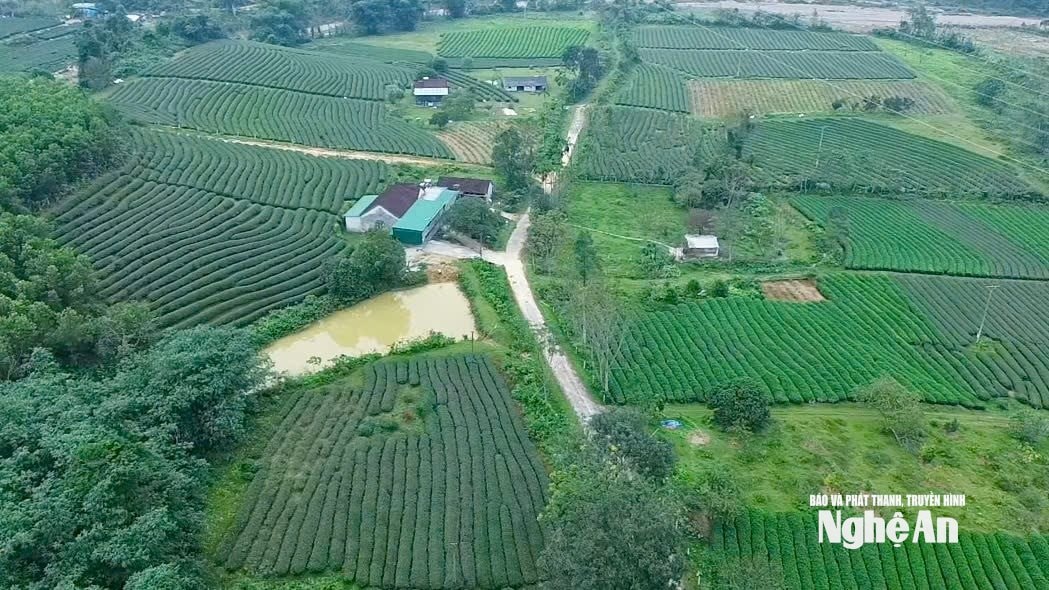
After 25 years of establishing a presence in this area, the unit now has 230 hectares of industrial tea plantations. By 2025, the average yield of fresh tea leaves is expected to reach 18.5 tons/ha, with a total production of over 4,255 tons; the monetary value is projected to reach nearly 20 billion VND/year, achieving 100% of the set plan. In addition, the area also includes rice paddies, citrus fruits, and bamboo for harvesting shoots…
Furthermore, the area of acacia plantations owned by households within the unit has now reached over 600 hectares. Each year, over 100 hectares are harvested, with an average yield of 100 tons per hectare. The total value of the products exceeds 10 billion VND per year. In addition, some member households also have stable income from wages at the unit's wood peeling factory, and from other crops and livestock. The average per capita income in 2025 is projected to reach 75.5 million VND, a 10% increase compared to 2024, exceeding the target set by the 2020-2025 Congress resolution.
In particular, with its location near Thanh Thuy Border Gate and also close to Ha Tinh, Duom is facing a great opportunity as the Vinh - Thanh Thuy expressway will soon be built, opening a new connection route from Vinh to Thanh Thuy Border Gate and eventually to Laos and Thailand.
With its vast tea plantations, dense protective forests, and crystal-clear streams, many households have considered developing experiential tourism, building homestays, and promoting ecotourism.
Despite being proud of the changes in this land, Mr. Vy still has one lingering concern: the allocation of residential and agricultural land to the team members' households has yet to be implemented, even though a survey and land registration process took place several years ago.
“Our team members came here when the land was still wild and undeveloped, clearing every single meter of land. But officially, the team members' households have not yet been granted land use rights certificates. Without documents, they can't borrow capital or dare to invest long-term. This is the biggest aspiration of the people of Đượm in particular and of the entire area of the 5th Youth Volunteer Brigade in general,” said Vy.
Leaving the Đượm area as dusk fell, we followed the concrete road back to National Highway 46 to head south. The last rays of sunlight cast a pale yellow hue over the tea hills. A cool breeze blew from the Rộ stream, carrying the scent of the earth, the forest, and the sweat of the young volunteers who had poured their lives here over the past 25 years. In that moment, we understood that Đượm was not just a place to visit, but a place to remember, to cherish, and to return to...


