
Rising amidst the vast forests: The mark of 80 years of ethnic affairs work in Nghe An.
Celebrating the 80th anniversary of the establishment of the Ethnic Affairs Agency (May 3, 1946 - May 3, 2026), looking back at the enduring journey of accompanying ethnic minority communities, Western Nghe An is witnessing significant transformations. Thanks to the sound policies of the Party and State, these changes are not only evident in the infrastructure but also deeply ingrained in mindset, inspiring aspirations for comprehensive and sustainable development in this remote highland region.
Eighty-Year Milestones: From Infrastructure Transformation to Shifting Perceptions
On May 3, 1946, President Ho Chi Minh signed a decree establishing the Department of Ethnic Minorities – the first specialized agency of the State responsible for ethnic affairs. This historic decision demonstrated a strategic vision in building national unity from the very beginning of the nation's founding.
.jpg)
In Nghe An province, where over 80% of the land is mountainous and hilly, and nearly 550,000 ethnic minority people live there, ethnic affairs have always been identified as a central and continuous task. Over the past 80 years, despite several changes in name and organizational structure, from the Department of Ethnic Minorities to the Department of Ethnic and Religious Affairs of Nghe An province, the ethnic affairs sector has maintained its role in advising and effectively implementing the Party and State's policies and guidelines for the people in the highlands.
Vice Chairman of the Nghe An Provincial People's Committee, Phung Thanh Vinh, affirmed: The mountainous region is a strategic area with a particularly important position in socio-economic development, national defense, and security. Building on 80 years of tradition, the ethnic and religious affairs sector continues to play a core role in concretizing policies for developing forest-based economy and ecotourism, linked with preserving cultural identity and ensuring border security.
In recent years, especially during the 2021-2025 period, national target programs have provided strong impetus for the development of Western Nghe An province. With a total resource of over 5,179 billion VND, essential infrastructure has been invested in comprehensively: inter-commune and inter-village roads have been gradually paved; electricity, clean water, schools, and health stations have been upgraded; and many public works have been put into use, contributing to a significant improvement in the living conditions of the people.

To date, the entire region has seen the effective implementation of 395 public works projects; many resettlement areas have been built, helping people stabilize their lives, especially in areas frequently affected by natural disasters. In addition, over 304,000 hectares of forest have been protected and developed, creating sustainable livelihoods for people through economic models under the forest canopy. Thanks to practical support policies, the average per capita income in ethnic minority areas has increased nearly threefold, reaching approximately 38.4 million VND/year in 2024; the poverty rate has decreased by an average of over 3% per year. Practical experience shows that the Party and State's guidelines and policies have truly been put into practice, creating consensus and trust among the people.
Beyond just infrastructure changes, the most important factor is the shift in the production mindset of the people in the highlands. From small-scale, self-sufficient production, the people have gradually embraced science and technology, boldly transforming their crop and livestock structures, and developing a market-oriented economy. Many effective economic models have emerged, from poultry and livestock farming to production forestry and medicinal plant cultivation, providing stable incomes, with some models generating hundreds of millions of dong annually.
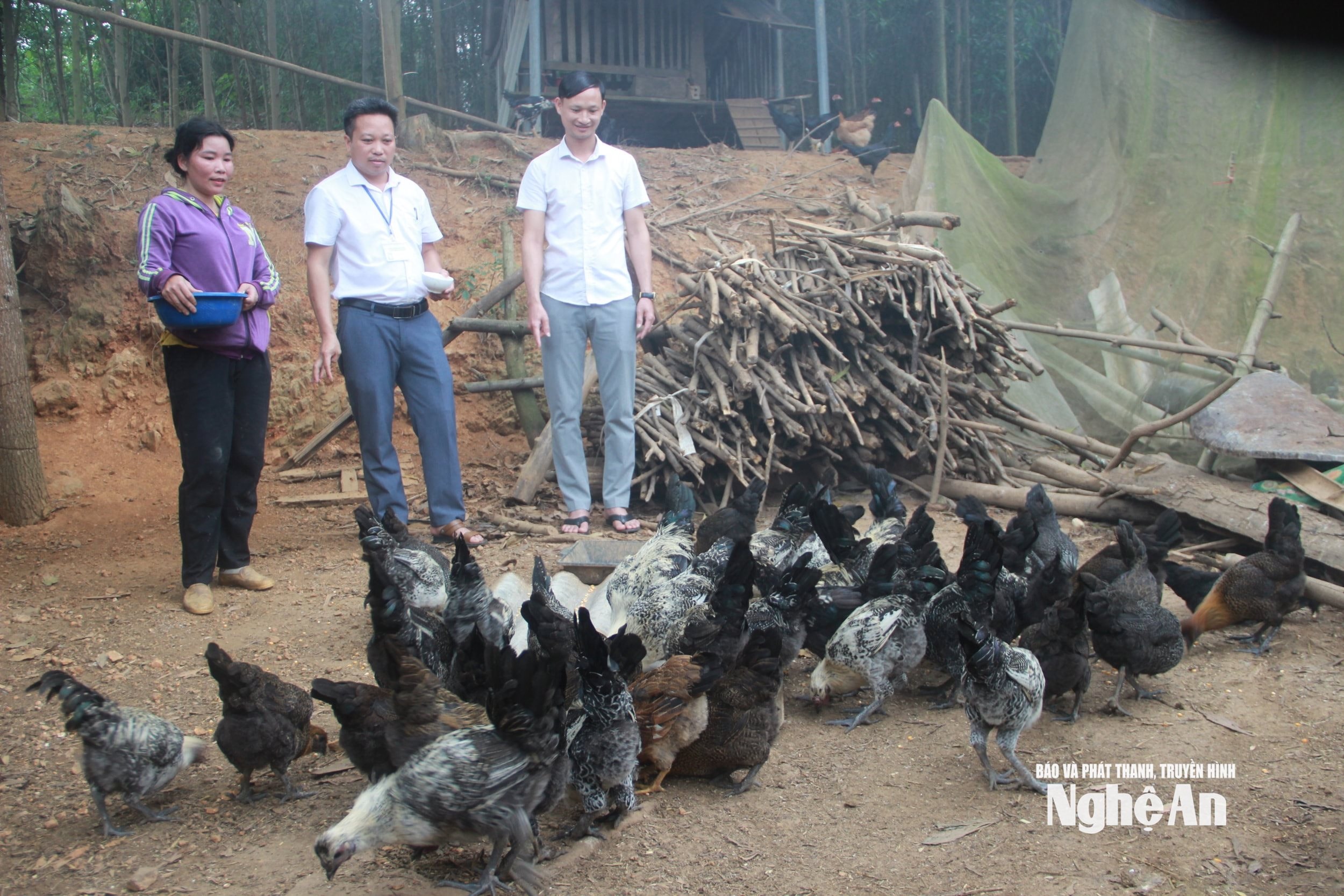
Ms. Ngan Thi Nhung (Que Phong commune) shared about the striking contrast: "Previously, my family's production mainly depended on nature, constantly struggling with limited farming resources, and poverty clung to our every meal. But after participating in training courses, my family boldly changed and developed commercial chicken farming. Now, each batch yields a profit of 25-35 million VND, and our lives have truly turned a new page, becoming much more prosperous and stable." The change in people's awareness and practices is a crucial factor, creating a foundation for sustainable development in mountainous regions.
Education continues to be identified as a fundamental and long-term solution for the development of ethnic minority areas. Currently, the province has 8 ethnic boarding schools and 51 semi-boarding schools, contributing to raising the intellectual level and training local human resources. The quality of education is constantly improving, with a high school graduation rate of 95-100% and a university admission rate of over 90%. Many ethnic minority students have achieved high results and received honors and awards. Nguyen Canh Loi, Vice Principal of Nghe An Ethnic Minority Boarding School, said: "The school aims to train ethnic minority cadres, contributing to building a successor workforce for the mountainous region in the future."
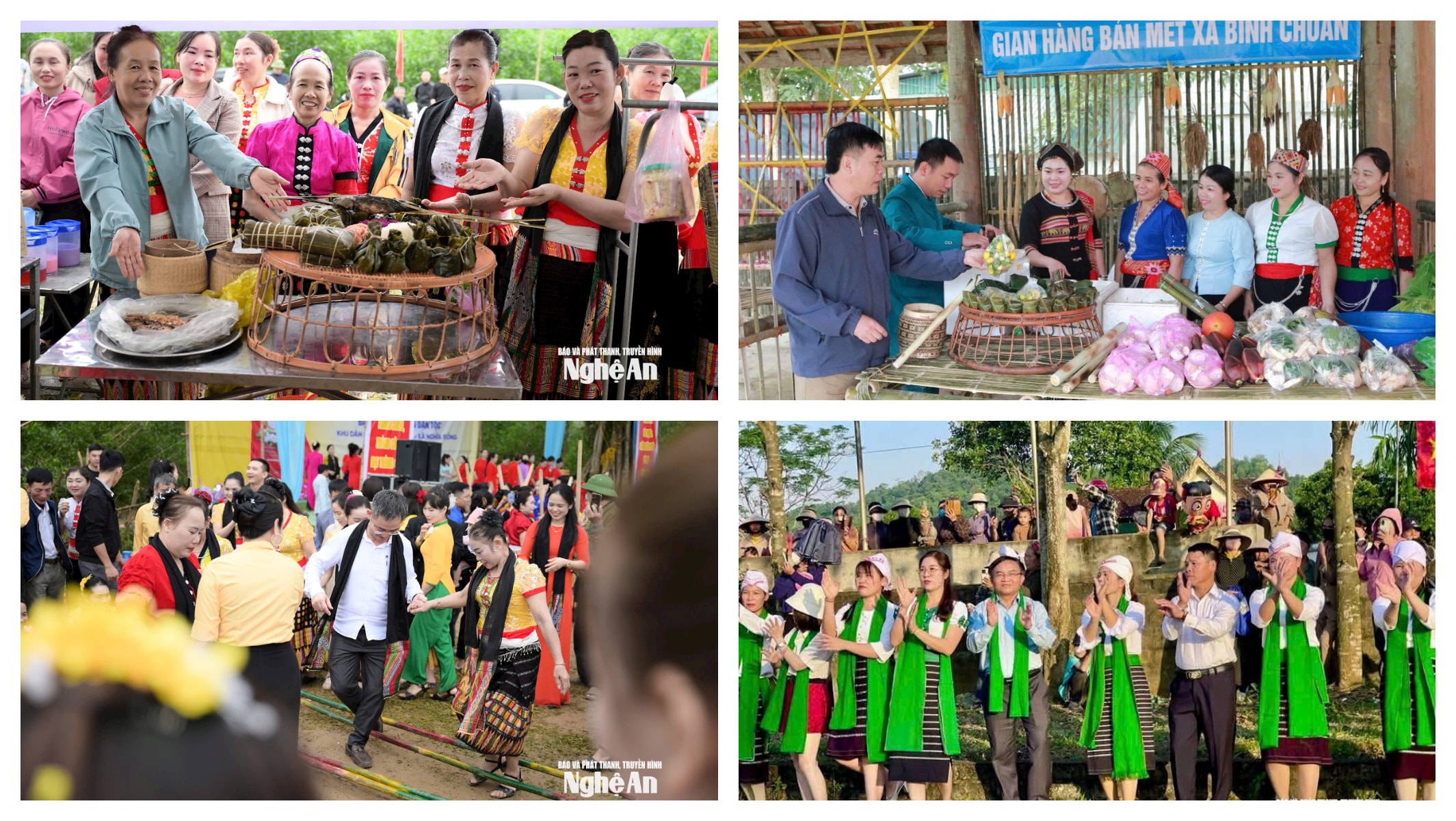
Alongside economic development, the preservation and promotion of national cultural identity has received due attention. The system of grassroots cultural institutions has been invested in; traditional festivals, folk songs, and handicrafts are preserved and revived. In particular, linking cultural preservation with community tourism development is opening up an effective direction, both generating additional income for the people and promoting the local image. Distinguished Artisan Luong Van Nghiep shared: "Passing on traditional culture to the younger generation is the best way to preserve national identity and prevent cultural values from fading over time."
Identifying challenges to move forward with confidence.
Despite the predominantly bright colors, the western region of Nghe An province still faces many challenges. The fragmented terrain, low economic starting point, and the extreme impacts of climate change – particularly drought, water shortages for irrigation during the dry season, and the threat of landslides during the rainy season – are directly affecting the sustainability of livelihoods. Furthermore, attracting, training, and retaining high-quality human resources to stay in the villages requires more specific and impactful policies and mechanisms.
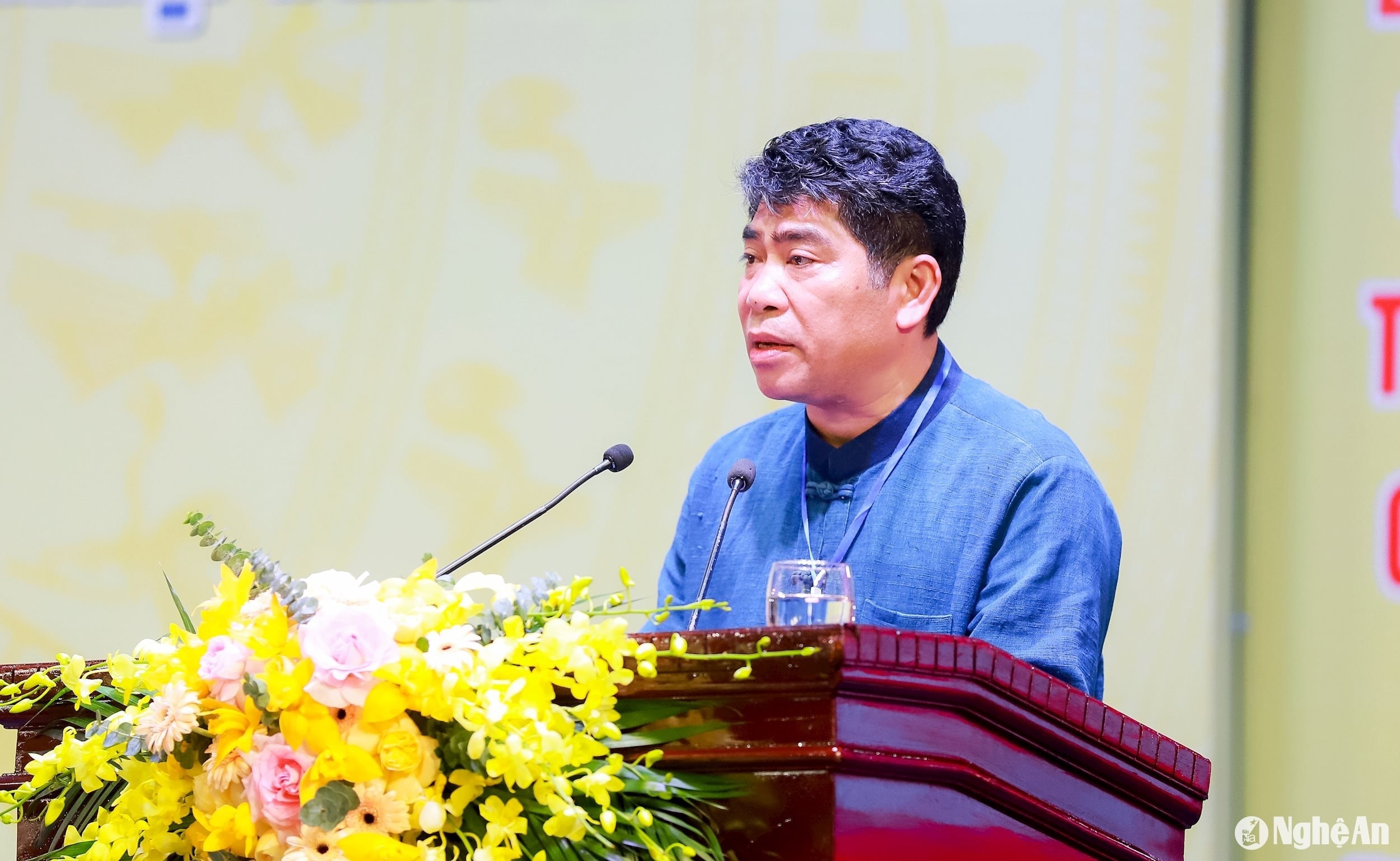
Entering the 2026-2030 period, Nghe An province continues to identify ethnic minority and mountainous areas as key priority areas for development. According to Vi Van Son, Director of the Provincial Department of Ethnic Minorities and Religions, the province will focus on effectively implementing national target programs; developing infrastructure; improving the capacity of its staff; promoting administrative reform and the application of information technology; and simultaneously leveraging the role of village elders, community leaders, and influential figures. Alongside this, the province will continue to prioritize strengthening national unity, fostering harmony between religious and non-religious communities, and creating a combined strength for socio-economic development and national defense and security.
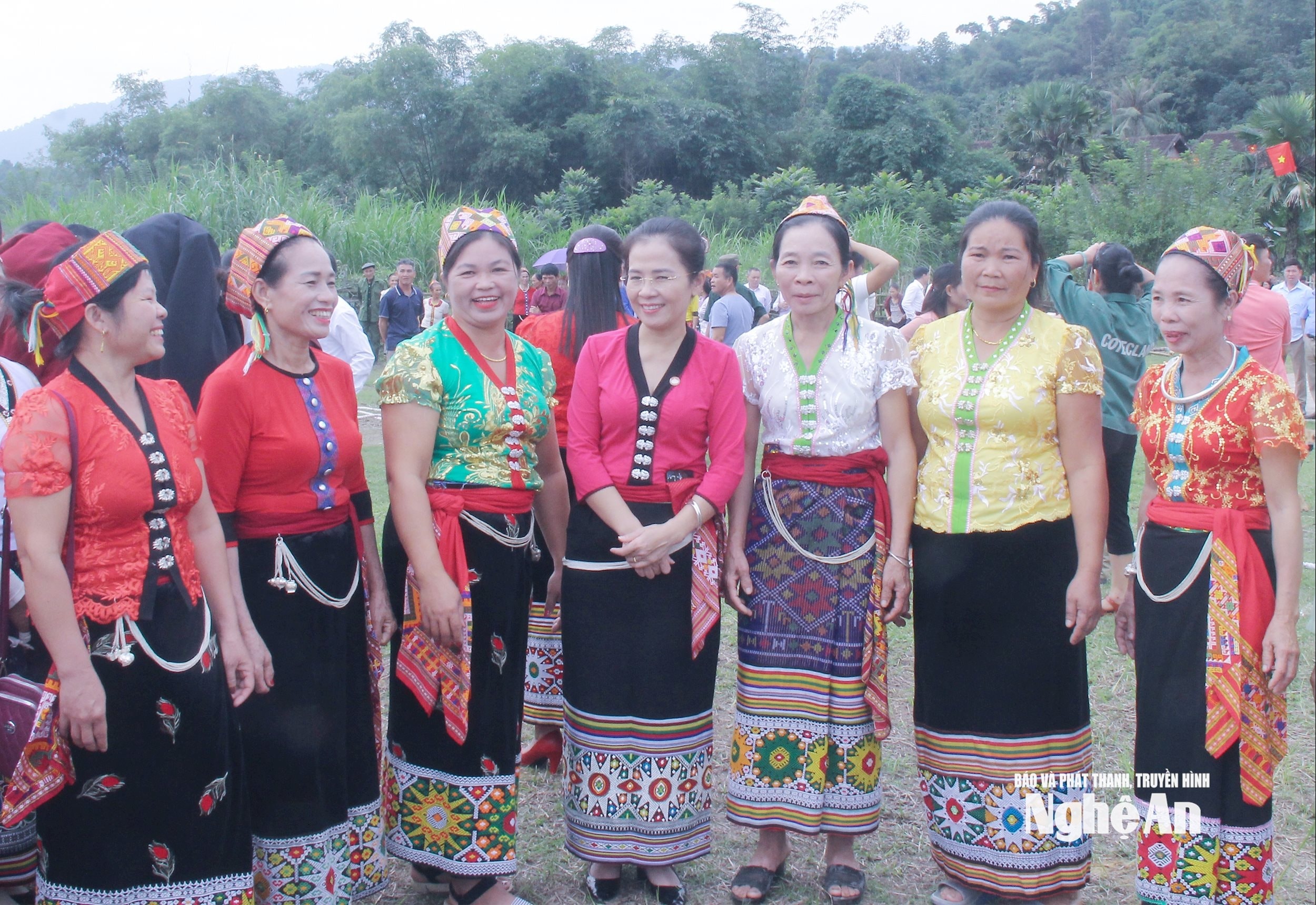
Over the past 80 years, ethnic affairs work in Nghe An has made a significant contribution to changing the face of the mountainous region. From villages facing many difficulties, the western part of Nghe An is now gradually rising and developing comprehensively. This journey is a vivid testament to the effectiveness of the correct policies and guidelines of the Party and the State; and at the same time, it demonstrates the spirit of unity and the will to progress of the ethnic people. With the foundation built over the past 80 years, western Nghe An is continuing to ignite the aspiration for development, steadily moving forward on the path to building a more prosperous, civilized, and sustainable homeland.


