
Waymo to bring robot taxi service to London in 2026
Waymo, a subsidiary of Alphabet, has confirmed it will launch a self-driving taxi service in London in 2026, opening a new chapter in the race for autonomous vehicle technology in Europe.
Waymo, the autonomous vehicle technology company owned by Alphabet, has officially announced plans to launch its robotaxi service in London, UK, expected in 2026. This move marks Waymo's first significant expansion into the European market, promising to reshape the urban transportation landscape and increase competition in the autonomous mobility sector.
Detailed plan in London
According to the announcement, Waymo will begin testing its autonomous vehicles in the British capital in the coming weeks. This phase will focus on collecting data, fine-tuning the system to suit London's complex traffic conditions, and completing the necessary legal procedures to obtain commercial operating licenses.
"We have demonstrated the ability to responsibly scale fully autonomous ride-hailing services, and we look forward to bringing these benefits to the UK soon," said CEO Tekedra Mawakana. Waymo's plans align with the UK government's early pilot program, which sets out regulations expected to be fully implemented by 2027. A core requirement is that self-driving vehicles must meet minimum safety standards equivalent to those of a careful and competent human driver.
Waymo Driver technology and fleet
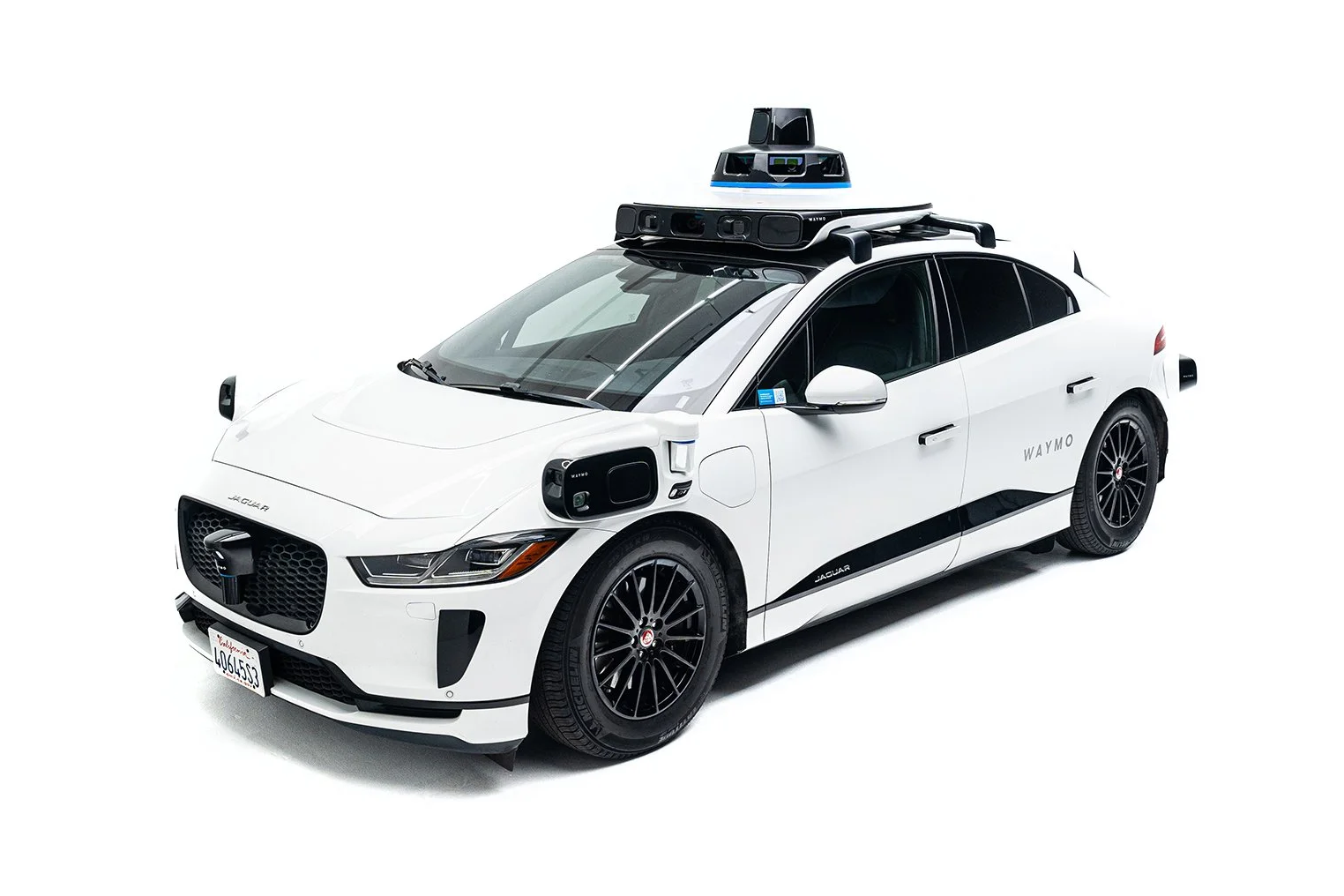
The foundation of Waymo's service is its "Waymo Driver" technology, a sophisticated integrated system comprising high-resolution cameras, radar, and lidar sensors. Data from these sensors is processed by artificial intelligence (AI) to recognize the surrounding environment, predict the behavior of other vehicles, and make control decisions without human intervention.
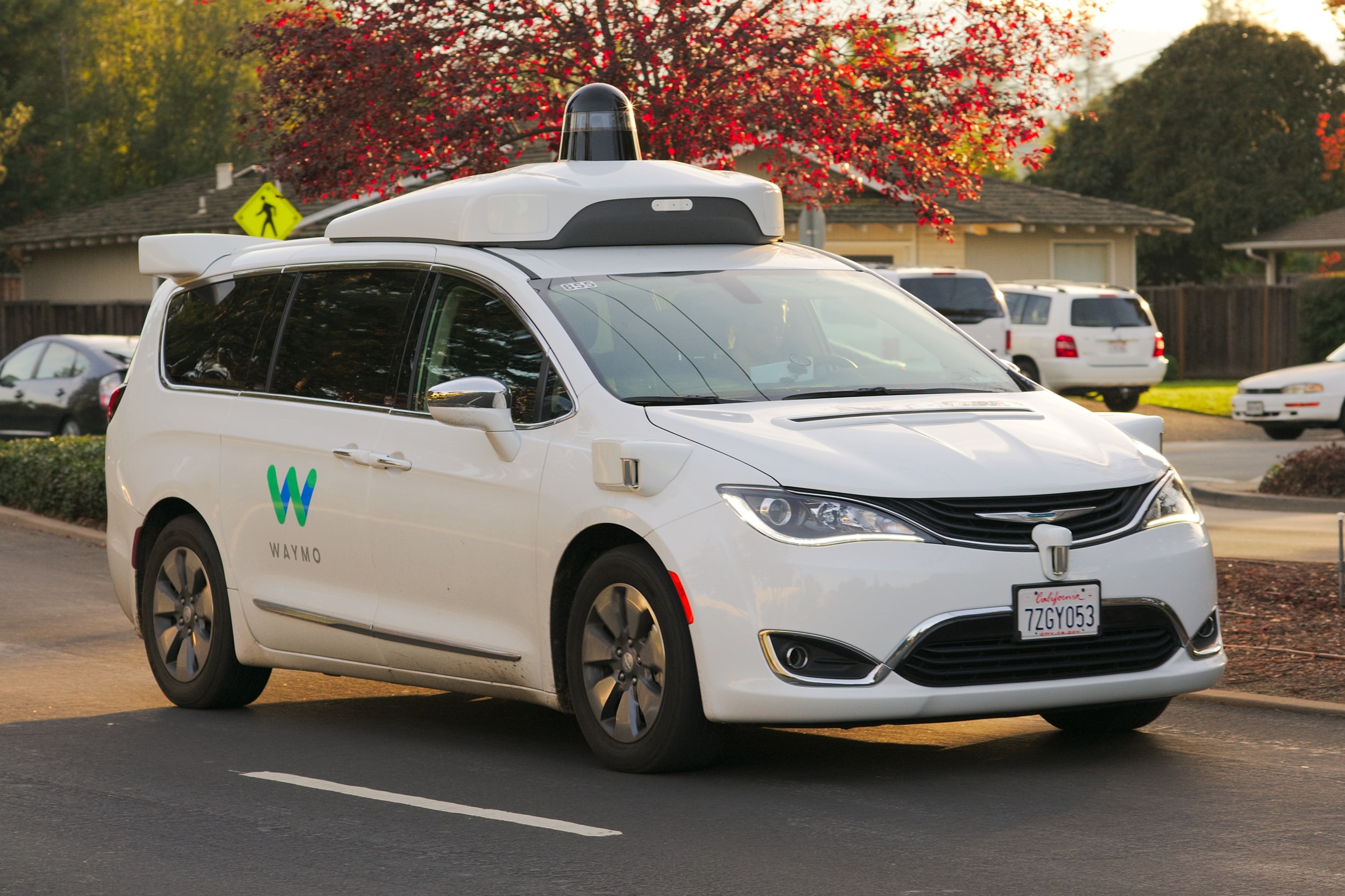
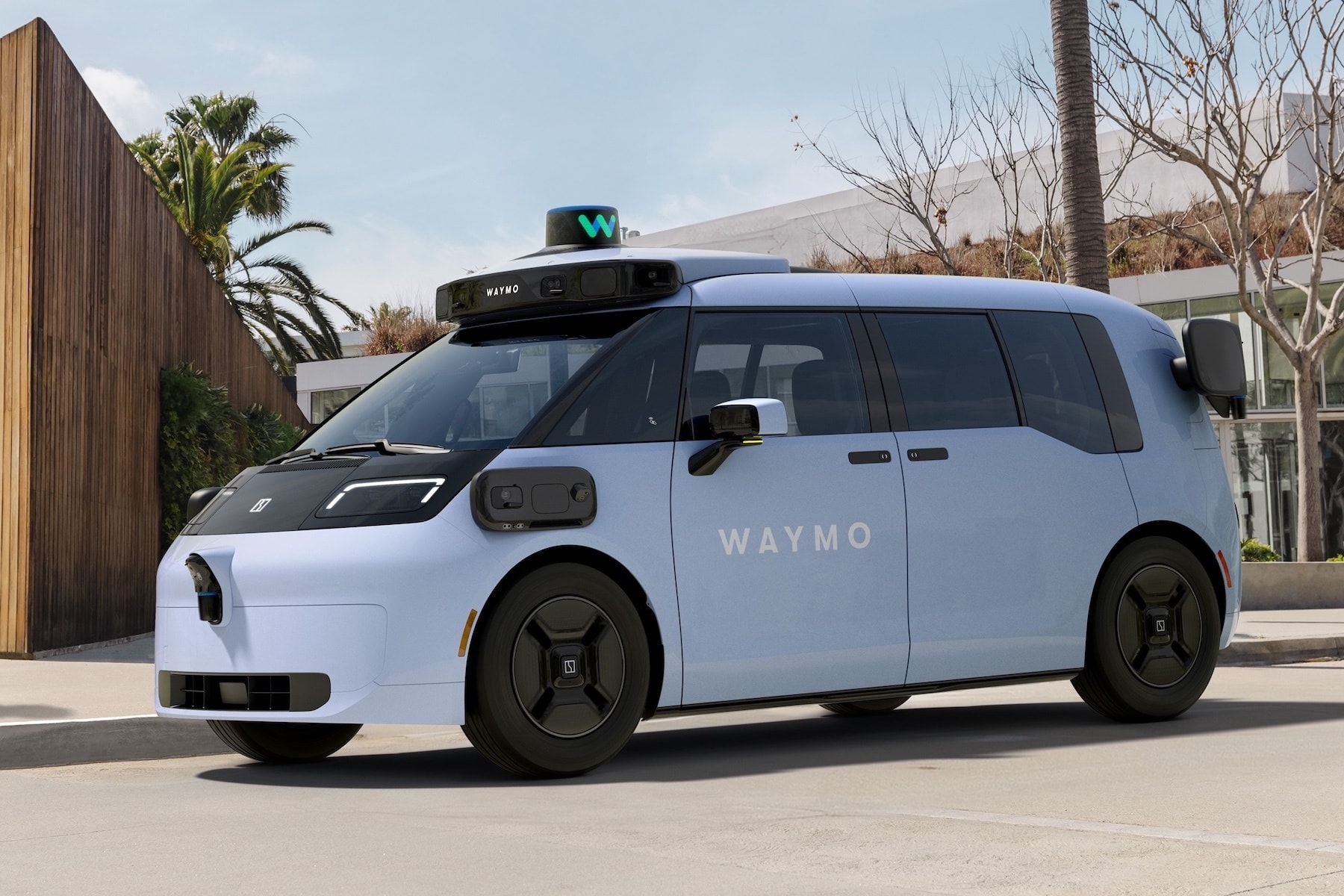
Currently, Waymo's main vehicle in its fleet is the Jaguar I-Pace electric SUV. Previously, the company used the Chrysler Pacifica Hybrid minivan from 2016 to 2023. In the future, Waymo is collaborating with China's Geely Group to develop a dedicated robotaxi service vehicle called the Zeekr RT.
Robotaxe Race in Europe
Waymo isn't the only company targeting the lucrative European market. Earlier, rival Lyft announced plans to partner with Baidu to deploy robotaxi in the UK and Germany, also in 2026. Waymo's presence, along with plans from Tesla and Chinese companies, shows that the race for autonomous vehicle technology is heating up globally.
Waymo's expansion is seen as a positive sign for the industry, however, safety concerns remain. Recent accidents involving Tesla and Baidu's self-driving cars have sparked controversy. In response, Waymo asserts that its technology can improve traffic safety. Internal company data shows that in its operating areas, the number of collisions resulting in injuries is five times lower, and the number of accidents involving pedestrians is 12 times lower compared to vehicles driven by humans.
The future of urban transportation
Originating from a Google project in 2009, Waymo commercialized its service in the US in 2018 and is now operating in major cities such as Los Angeles, San Francisco, and Austin. Its entry into London is not only a strategic move in its globalization plan but also a crucial test of the adaptability of autonomous vehicle technology in one of the world's oldest and most complex traffic environments.


