
Windows 11 will soon integrate a Low Latency Profile that will speed up app opening by up to 40%.
The new Low Latency Profile feature promises to eliminate interface lag on Windows 11 by optimizing CPU clock speeds, delivering a smooth experience comparable to macOS on budget PCs.
Windows 11 users frequently experience minor lag when interacting with the interface, an inherent weakness when compared to the responsiveness of macOS. To address this, Microsoft is testing a major performance upgrade called [Illegible].Low Latency ProfileThis leverages the full power of the available processor to eliminate launch lag and increase system responsiveness.
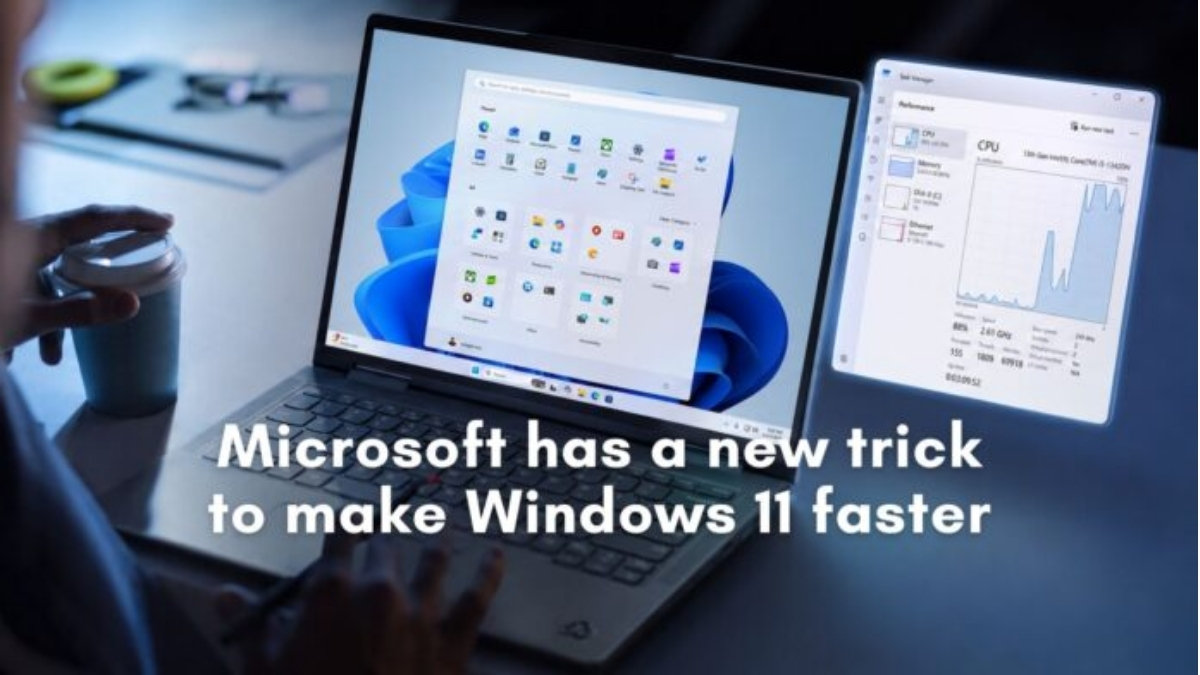
How Low Latency Profile works on CPUs
The Low Latency Profile isn't a visual change, but rather a background feature designed to optimize hardware resources. When the system registers actions like clicking the Start menu, right-clicking, or launching an application, this feature automatically boosts the CPU clock speed to its maximum for a very short period, typically 1 to 3 seconds.
This process allows the system to handle graphics commands and load application data instantly. Notably, this short-term acceleration is calculated to avoid negatively impacting component temperatures or significantly reducing the device's battery life.
Actual result: Increased Start menu responsiveness by 70%.
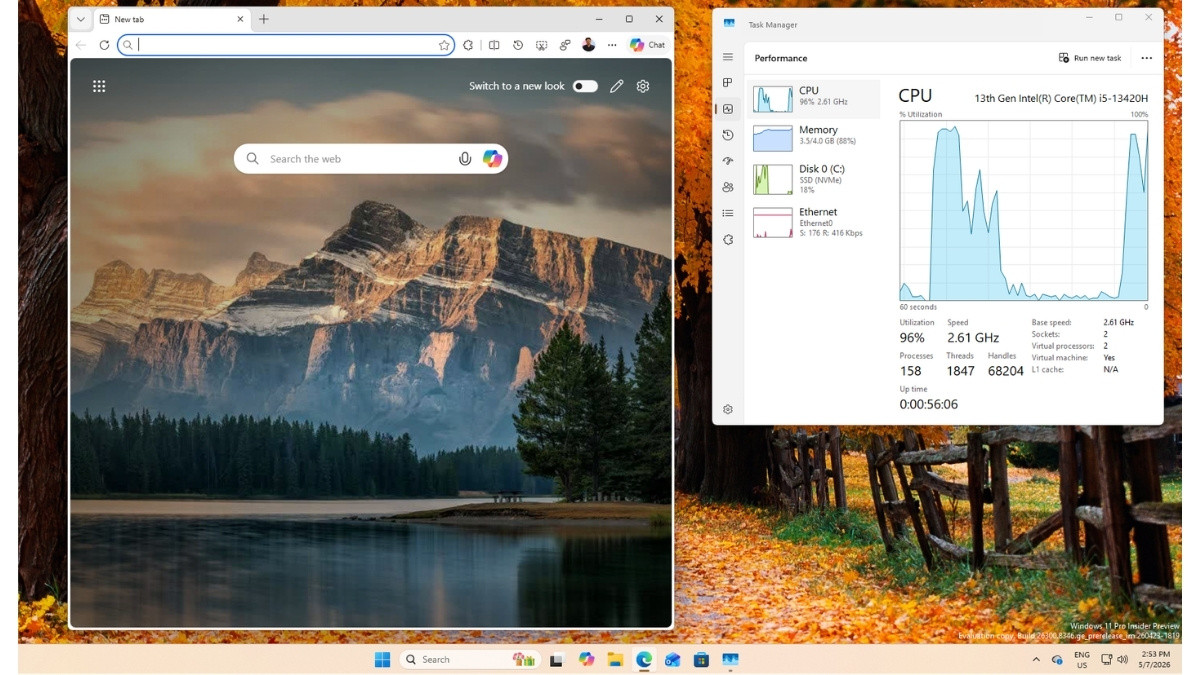
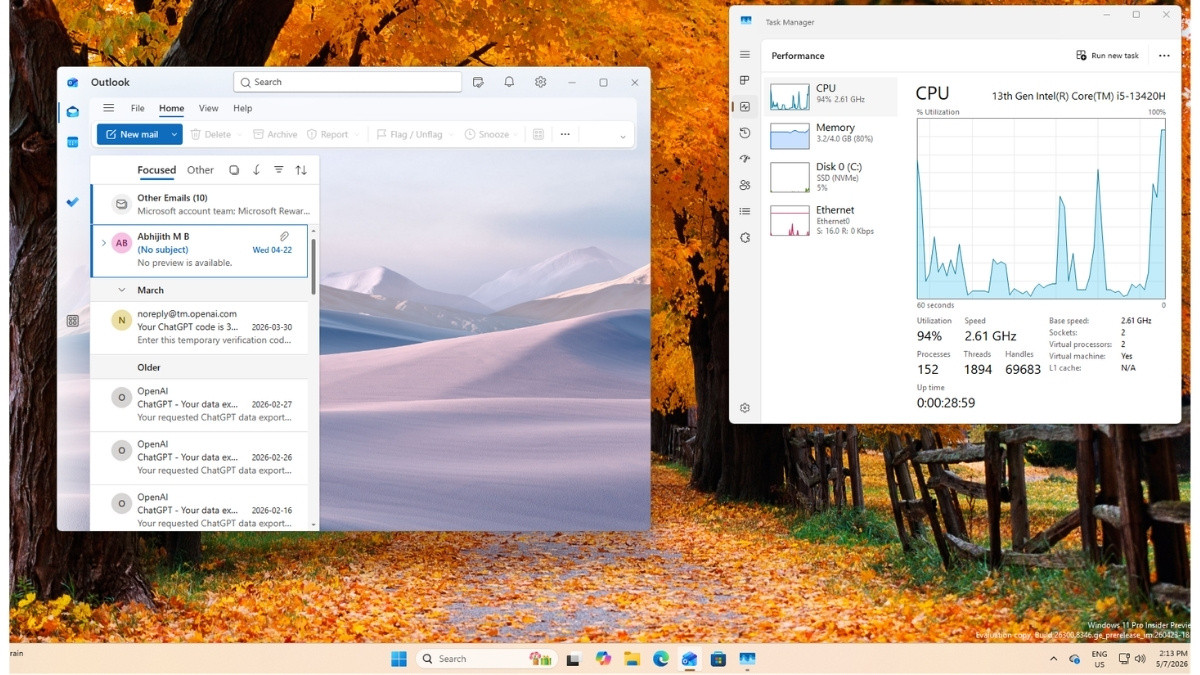
Test data shows that the Low Latency Profile delivers a significant improvement in responsiveness. Specifically, the responsiveness of the Start menu can increase by up to 70%, while the launch speed of popular system applications such as Microsoft Edge or Outlook is up to 40% faster.
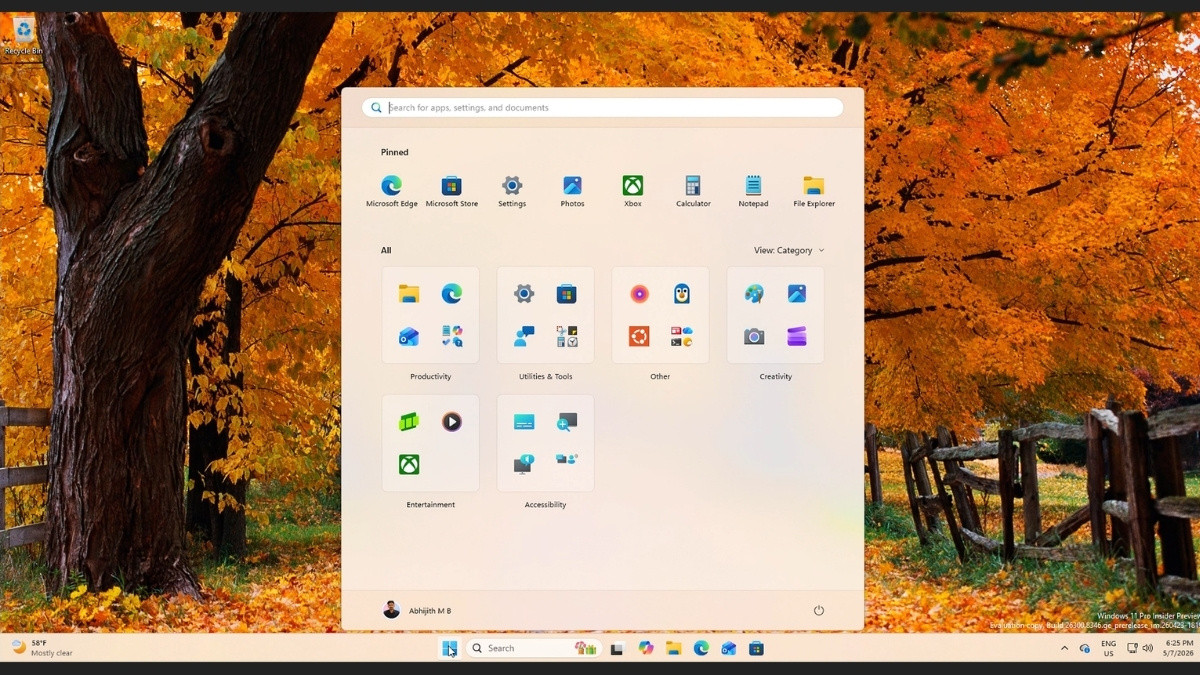
Tests on a low-configuration virtual machine (CPU Core i5 with limited 2 cores, 4GB RAM) demonstrated the effectiveness of this mechanism. During application launch, CPU usage was boosted to 96-97% to complete heavy tasks in an instant, then immediately reduced to a safe level below 17% within just 3 seconds.
Long-term user experience optimization strategy
Although the method of boosting CPU clock speeds has received some mixed reviews, it is actually a technique that modern operating systems like Android and macOS have long used to improve responsiveness. Microsoft is combining Low Latency Profile with this project.Windows K2, an effort to rewrite old source code to create a truly lightweight platform.
This solution is considered practical for millions of mainstream Windows 11 devices. Instead of requiring users to upgrade their hardware, optimizing how the CPU handles instantaneous tasks helps bridge the gap in user experience between budget computers and high-end models.


