
1994 World Cup: Las Vegas draw changed FIFA standards.
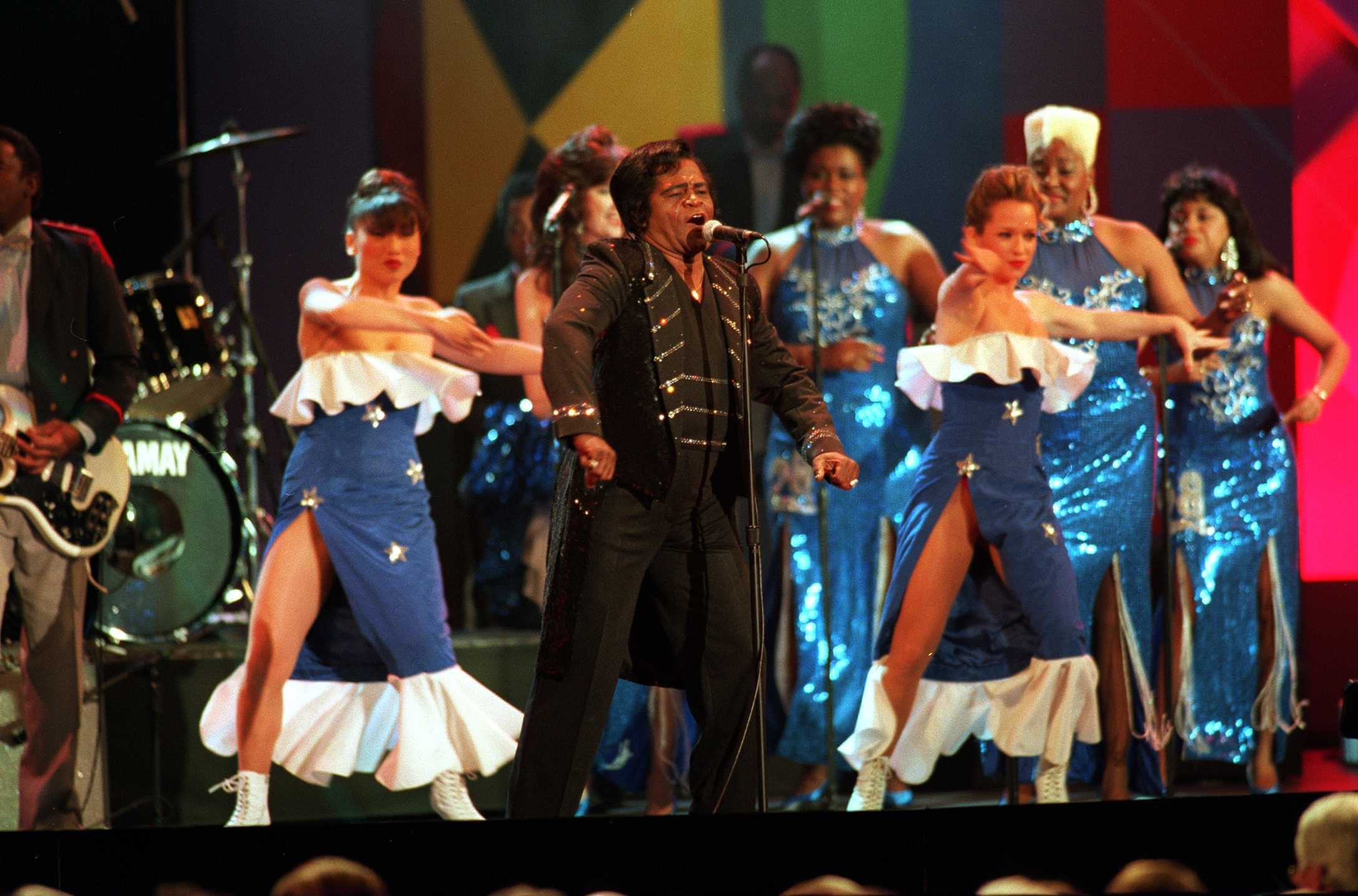
Las Vegas turned the 1994 World Cup draw into an entertainment show: James Brown opened the ceremony, Robin Williams cracked jokes and debated the draw for Colombia, setting a new standard for FIFA.
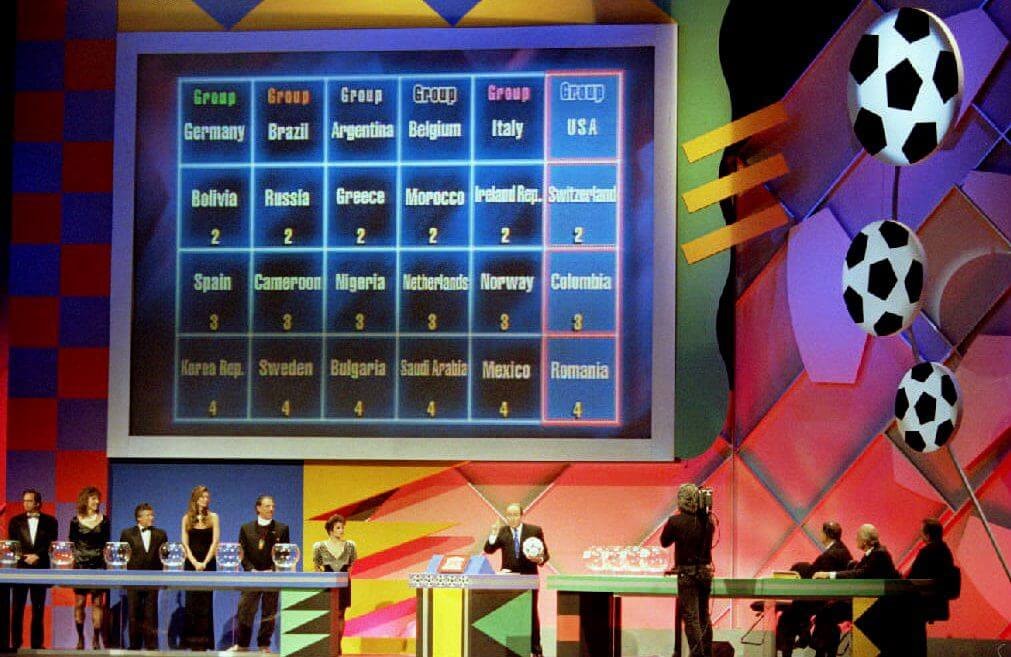
In mid-December 1993 at Caesars Palace in Las Vegas, FIFA turned the 1994 World Cup group stage draw into a full-fledged show: James Brown opened the ceremony, Robin Williams performed alongside Sepp Blatter, and the controversial decision to place Colombia in the same group as the United States was widely criticized. Called "cheesy, ostentatious, and very Las Vegas," the event set a new standard for how FIFA should stage a draw.
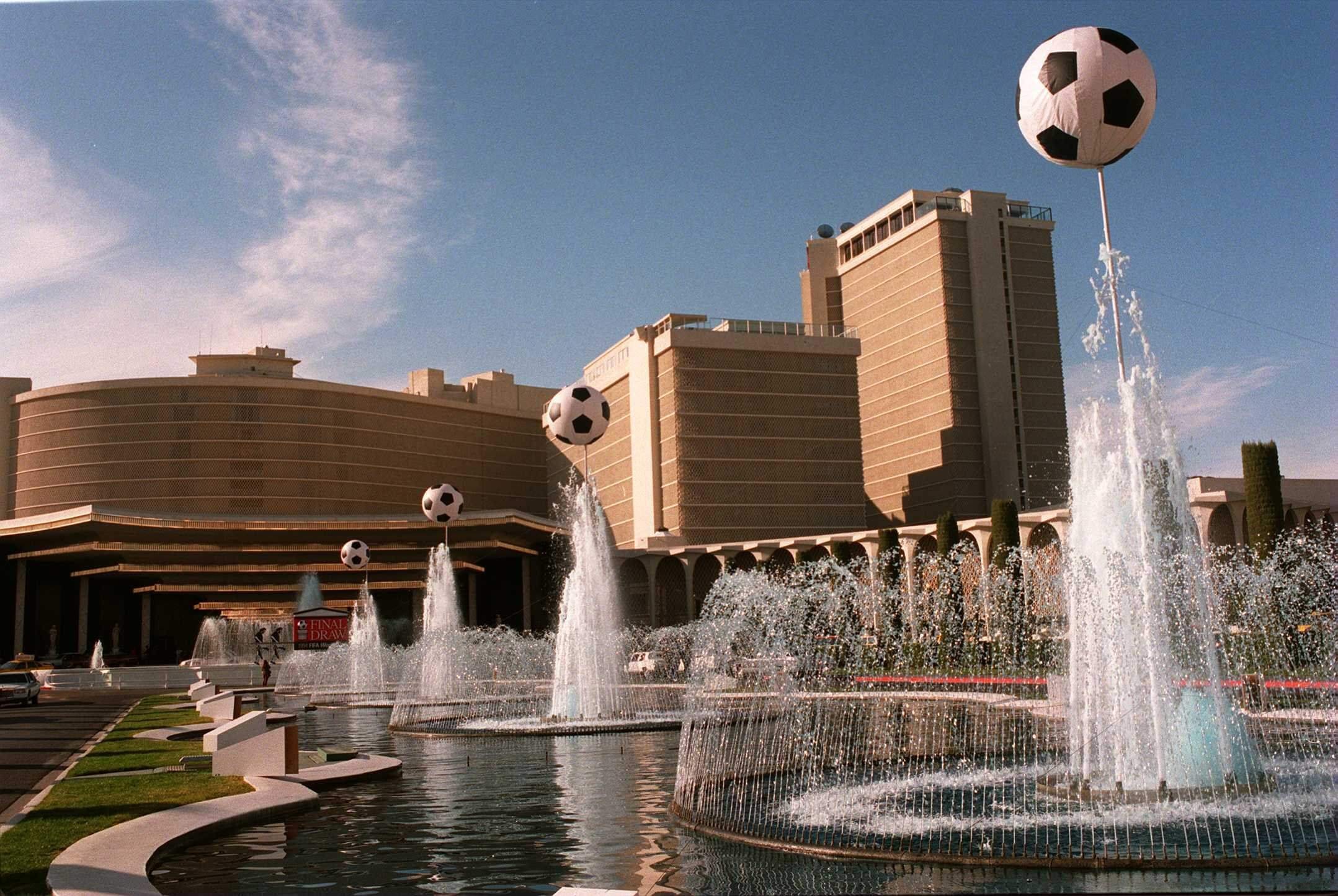
The opulent Las Vegas setting, the rows of brightly lit slot machines, and the architecture mimicking ancient Rome made many football officials in their formal suits look out of place. But it was here that FIFA launched the 1994 World Cup in a truly unique way.
Sepp Blatter, then FIFA Secretary General, both coordinated the event and shook hands with attendees. According to Soccer America, some German players were seen at a blackjack table, while Roy Hodgson exchanged small change to play slot machines. High-ranking FIFA officials stayed in luxurious suites, received generous allowances, and comfortably explored the "City of Lights."
The night before the draw, a grand gala took place in the ballroom. One witness recalled a FIFA official carrying a brown paper bag containing, according to accounts, $250,000 in cash just withdrawn from the casino's bank counter, to be distributed to the federations whose teams were participating in the World Cup. The atmosphere of cigarette smoke, slot machine noise, and neon lights made the opening of the 1994 World Cup unforgettable.
Las Vegas and FIFA's ambitions
The Las Vegas concept came from Guido Tognoni, the communications director and head of the World Cup project. He was overwhelmed by the 24-hour pace of life and the enormous hotels there, and brought that inspiration to FIFA. Blatter recounted that only one member of the Executive Committee objected, fearing the image of a "sin city," while the rest supported it.
The US organizers also wanted to turn the draw into a public spectacle. “We told ourselves we had to create the most spectacular show FIFA had ever had,” recalled Jim Trecker, head of communications. Alan Rothenberg acknowledged that soccer was a minor sport in the US at the time: a late 1993 survey showed only 13% of the population knew the World Cup was coming. They needed a mass boost.
From a formality to an entertainment show.
The organizers commissioned Dick Clark Productions to stage the show. “The goal was to get as many stars as possible,” said Barry Adelman, co-producer and writer. “The King of Soul,” James Brown, was given the opening act; Stevie Wonder and Barry Manilow also appeared. The promotional video featured William Shatner, David Hasselhoff, the Harlem Globetrotters, and President Bill Clinton; the host cities appeared alongside Walter Payton, Mickey Mouse, and many other pop culture icons.
Dick Clark and Faye Dunaway hosted the event. The ball pullers included Carol Alt, Tom Selleck, Beau Bridges, Mario Andretti, and Evander Holyfield. “I don’t know much about football… I don’t even remember which team was in the ball I was holding,” Carol Alt recounted, but called the event “fun” and “completely different from anything before.”
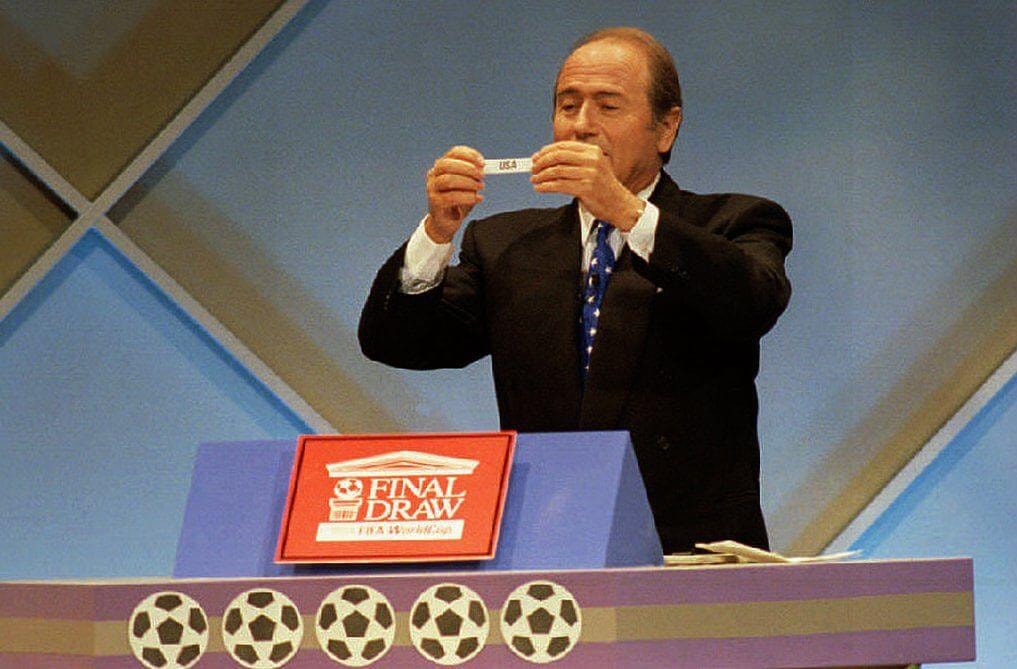
Behind the scenes: meetings, parties, and unbelievable moments.
Alongside the dazzling stage lights, FIFA's schedule was packed. At a press conference, Rothenberg first announced the idea for the MLS league. All-night parties followed. The night before the ceremony, over 1000 people attended a party in the ballroom of Caesars Palace, featuring a performance by Smokey Robinson.
The following morning, approximately 2,000 officials, players, sponsors, and VIP guests streamed into the Las Vegas Convention Center. Lights swept across, dancers energized the crowd, stage smoke billowed, and James Brown emerged, but before him were 2,000 men in suits who offered only soft applause. Adelman called it “a strange encounter between FIFA tradition and Las Vegas culture.”
Robin Williams appeared backstage, chatting with Michelle Akers like a true football fan. Standing on stage next to Blatter, he constantly joked: calling Blatter "Bladder," teasing about the white gloves, and saying, "I just saw him in the restroom a minute ago." Some considered this disrespectful, but Blatter – who had studied drama – enjoyed the performance and hugged Williams after the curtain fell.
Pele banned, star players draw lots.
The second group of seeded players, including Eusebio, Bobby Charlton, Michel Platini, Marco van Basten, Roger Milla, and Tony Meola, were absent. The player guaranteed to make a global impact was not present: Pele. The reason was a conflict between Pele and FIFA President Joao Havelange. Blatter and Tognoni tried to persuade him but failed; Havelange even threatened to stand up and stop the ceremony if Blatter mentioned Pele's name. The Brazilian legend therefore remained in the audience.
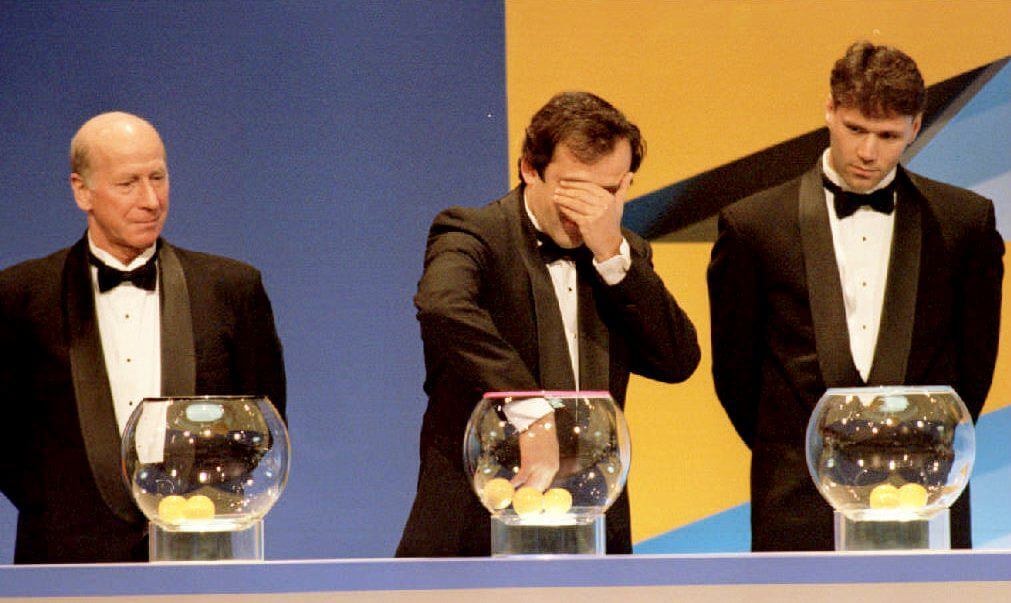
Controversy surrounding the draw for Colombia.
The highlight of the match was when Blatter, before the advent of computer-aided coaching, placed Colombia from the second seed into Group C against the host nation, the USA, playing in Los Angeles. Sitting in the front row, Rothenberg immediately reacted, expressing his anger at FIFA director Walter Gagg.
Blatter explained that he wanted to avoid having South American teams in the same group and didn't want the US to face Mexico in the group stage. However, logically, Colombia could still have been in Group A with Germany. The following day, Bolivia – also from South America – was placed in Group A with Germany, further fueling the controversy surrounding Colombia. Rothenberg asserted that if the trial run had followed the correct scenario, Colombia wouldn't have been in the US group.
Ironically, US coach Bora Milutinovic was pleased, seeing it as an opportunity to gain experience against a strong opponent. Six months later, a stunning victory against Colombia propelled the US into the knockout round.
The legacy of a night at Caesars Palace
Soccer America described the draw as “cheesy, ostentatious, and very Las Vegas,” but that’s exactly what FIFA wanted: to entertain a dry ritual. Despite complaints like “what does this have to do with soccer?”, most guests and officials enjoyed it. For FIFA, it was a signal: the World Cup in the US could become a noisy, symbolic event, a cultural icon.
Alexi Lalas viewed the draw as a defining moment for soccer in America: “This will be a different World Cup. We will do it the American way.” Three decades later, even Sepp Blatter admitted that, given everything that happened at Caesars Palace that day, it was a show that would be difficult to replicate.


