
World Cup 2026 and the paradox: The hotter the weather, the better the football.
The hot weather in the United States, Mexico, and Canada is a concern for the 2026 World Cup. However, history from Mexico 1970, 1986, the United States 1994, and ESPN rankings suggest that a warmer climate leads to better football.
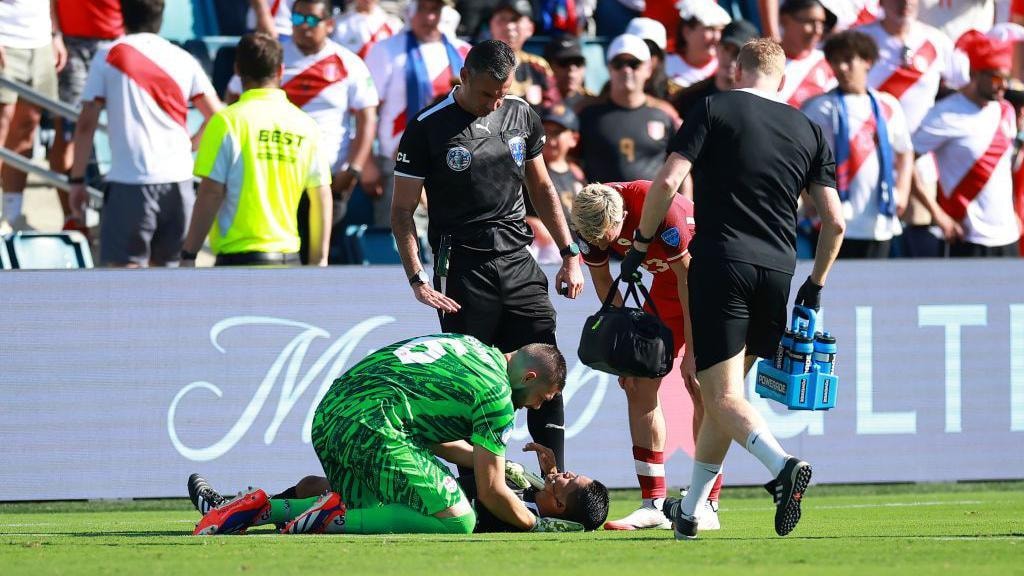
In the middle of a hot American summer, Enzo Fernandez had to lie down on the pitch during a FIFA Club World Cup match against Fluminense due to heat-induced dizziness. He admitted that the heat slowed down his pace and reduced the quality of his performance. That scene resurfaced as the 2026 World Cup approached: concerns about temperature not only threaten the health of players, spectators, and support staff, but also raise questions about the quality of play.
The climate and scheduling challenges of an expanded World Cup.
The 2026 World Cup, co-hosted by three countries for the first time, will expand to 48 teams. The four semi-finalists could play up to eight matches, and the total number of group stage matches will exceed the total number of matches in any previous World Cup. The logistical, travel, and physical demands will therefore skyrocket.
The extreme heat has become the biggest variable. Matches are likely to be moved to later times, especially in hotspots like Miami or Monterrey, in order to reduce risks for both players and fans.
History challenges anxieties: Mexico 1970 and the reversal of stereotypes.
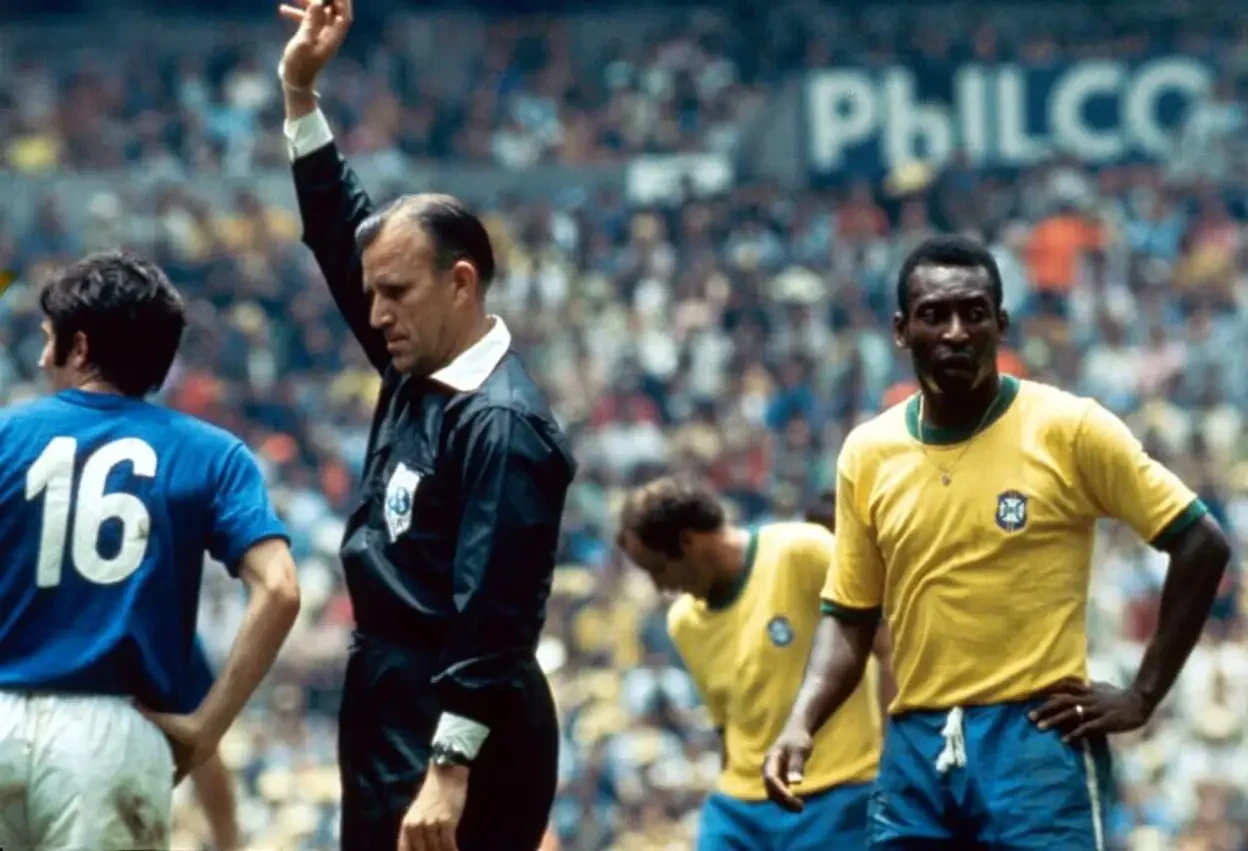
Mexico has hosted the World Cup twice (1970, 1986) under conditions of intense heat and high altitude. In 1970, many matches – including the final – were played at midday to accommodate European audiences. Journalist Brian Glanville once called it a ridiculous and dangerous endeavor. Concerns about exhaustion even led to the first-ever rule change allowing substitutions at the World Cup.
In fact, Mexico 1970 produced a magnificent style of football with Pele's Brazil, considered one of the greatest champions of all time. In the heat, the power-oriented style of play that had helped England win in 1966 was suppressed; technically gifted teams were freed to showcase their skills.
1986 and 1994: Harsh but explosive.
In 1986, Carlos Bilardo's Argentina admitted they barely trained because of the stifling atmosphere – they "only pretended to train" to avoid criticism. Yet Maradona and his teammates still produced an emotionally charged World Cup, with a highly-rated knockout round.

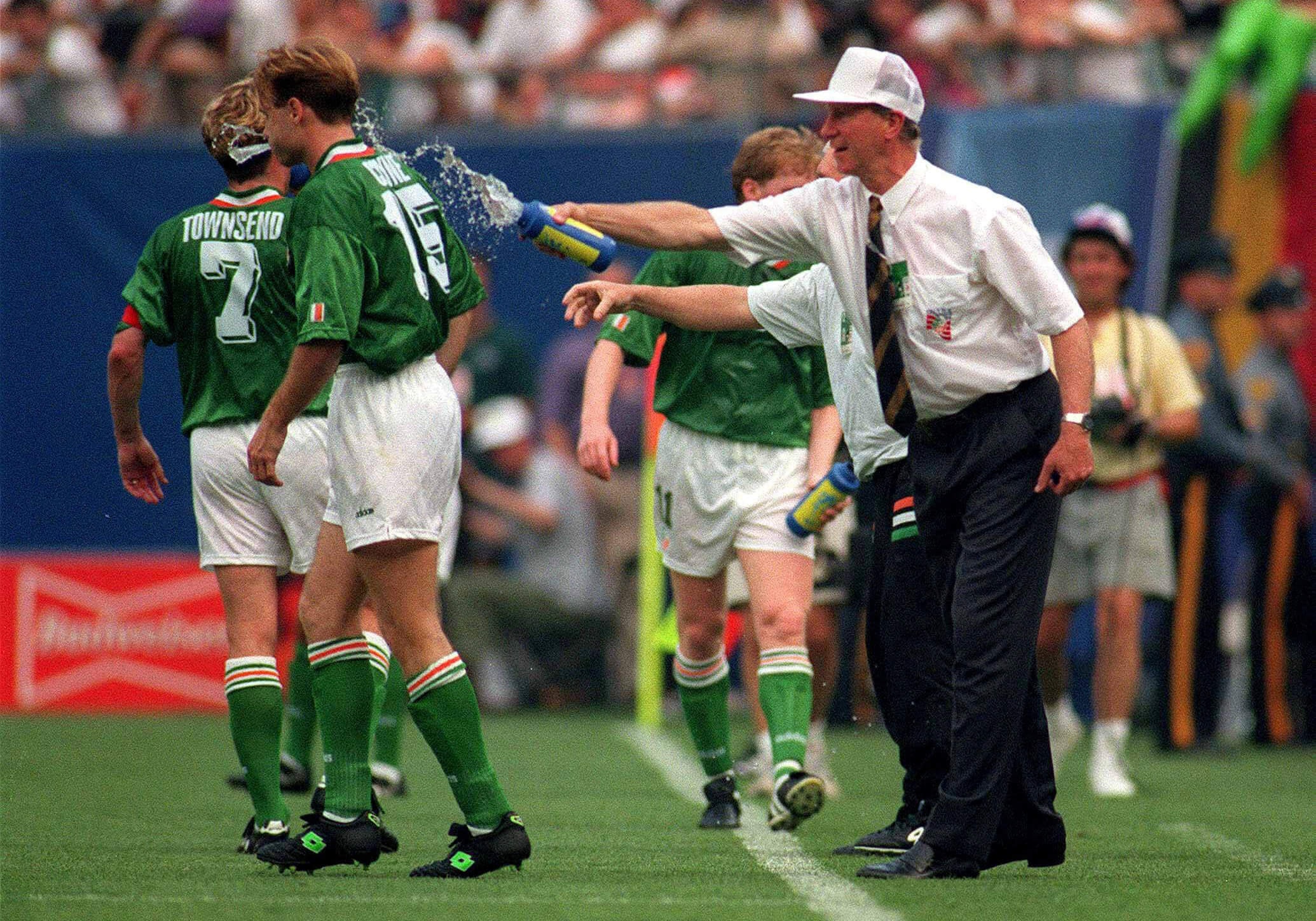
The 1994 World Cup in the United States wasn't a complete masterpiece – the final ended 0-0 – but it was far from boring. Despite the sweltering heat, the tournament still offered considerable professional depth.
A data test from ESPN: warmer, better.
Three years ago, two ESPN journalists ranked all World Cups from best to worst. Unable to gather detailed data for all 954 matches in history, they used an approximation: taking the geographically central city of each tournament and the maximum temperature of the month in which it took place to reflect climate patterns.
The results reveal a clear trend: the best tournament was the 1982 World Cup in Spain – which had the warmest climate according to this measurement. The worst-rated tournament was the 1930 World Cup in Uruguay – the coolest in the comparison group. Four tournaments that took place in actual winter (1930 Uruguay, 1962 Chile, 1978 Argentina, 2010 South Africa) all fell within the group of the eight worst tournaments.
- The six best periods – 1982 Spain, 1970 Mexico, 2006 Germany, 1998 France, 1986 Mexico, 1994 USA – were all warmer than average.
- Three of the six best tournaments took place in countries that will host the 2026 World Cup.
Modern tactics and the paradox of the heat.
Modern football is faster, demanding more bursts of speed and pressing than in the past. Once viewers become accustomed to that pace, a slower game can be frustrating. But history also warns of another danger: too much running can overshadow technical skill.
In weather conditions that make constant pressing impossible, the game structure can shift:
- The pace slows down, opening up space for technical skill and coordination.
- The value of ball control, positioning, and split-second decision-making is celebrated.
- Teams of artists often benefit when their opponents are unable to use physical strength to stifle them.
Outlook for 2026: cautious but hopeful
There's no guarantee the 2026 World Cup will be a masterpiece. The 48-team scale could dilute quality, the massive travel schedule and increased number of matches could easily tire both players and spectators. But if safety standards are respected and a reasonable schedule is chosen, World Cup history still offers a glimmer of hope: in the heat, football can sometimes flourish.


