
The 2026 World Cup and concerns about the dilution of quality when expanding to 48 teams.
FIFA's decision to increase the size of the 2026 World Cup to 48 teams is raising serious doubts about its professional value when commercial profit is prioritized.
The world of football is on the verge of a historic turning point as the 2026 World Cup officially expands to 48 participating teams. However, behind FIFA's promise of diversity and opportunities for developing nations, experts are concerned about a harsh reality: the professional value of the world's biggest tournament is being diluted to an alarming degree.
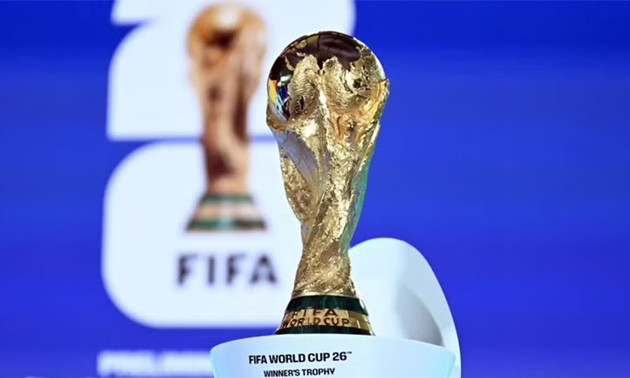
A decline in competitor quality.
Signs of a decline in quality have been evident since the 2022 World Cup. Argentina's journey to the championship revealed a thought-provoking statistic: despite defeating France or the Netherlands, the average rating of the opponents Lionel Messi and his teammates faced was 25.3. This is the highest number for a champion since 1930.
Looking back at history, the contrast is striking. In 1934, Italy triumphed against opponents with an average ranking of 8.8. Between 1958 and 1970, Brazil's three championships saw an average opponent ranking of 11.3, including encounters with powerhouses like England, Italy, and Spain.
The probability problem and the competition format are controversial.
The decline in quality is seen as an inevitable consequence of probability. In the 16-team tournament in 1978, the average ranking of participating teams was 13. By 2026, when the number of teams increases to 48, this number is expected to jump to over 34. The addition of numerous lower-ranked teams could make the group stage less attractive with many lopsided matches.
Notably, the new format with 104 matches is challenging fans' patience. Holding 72 group stage matches just to eliminate 16 teams means FIFA is using 70% of the total matches to eliminate only 25% of the participating teams. This is seen as a waste of resources and diminishes the inherent excitement of the tournament.
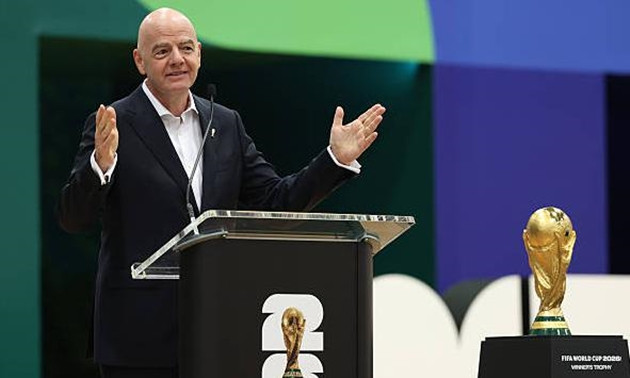
Commercial profit overshadows identity.
FIFA appears to be prioritizing revenue over the tournament's identity. While spectators face record-high ticket prices for lower-priority matches, broadcasters are also concerned about declining viewership due to the packed schedule and diluted quality. The tournament's underlying message seems to be shifting from professional excellence to ostentatious scale.
Beyond the on-field issues, the 2026 World Cup faces a host of logistical and political hurdles. Visa difficulties, high travel costs between host countries, and the impact of climate change are creating immense pressure on fans. If creativity and excellence are completely replaced by profit motives, the World Cup risks losing its status as the pinnacle of world football.


