
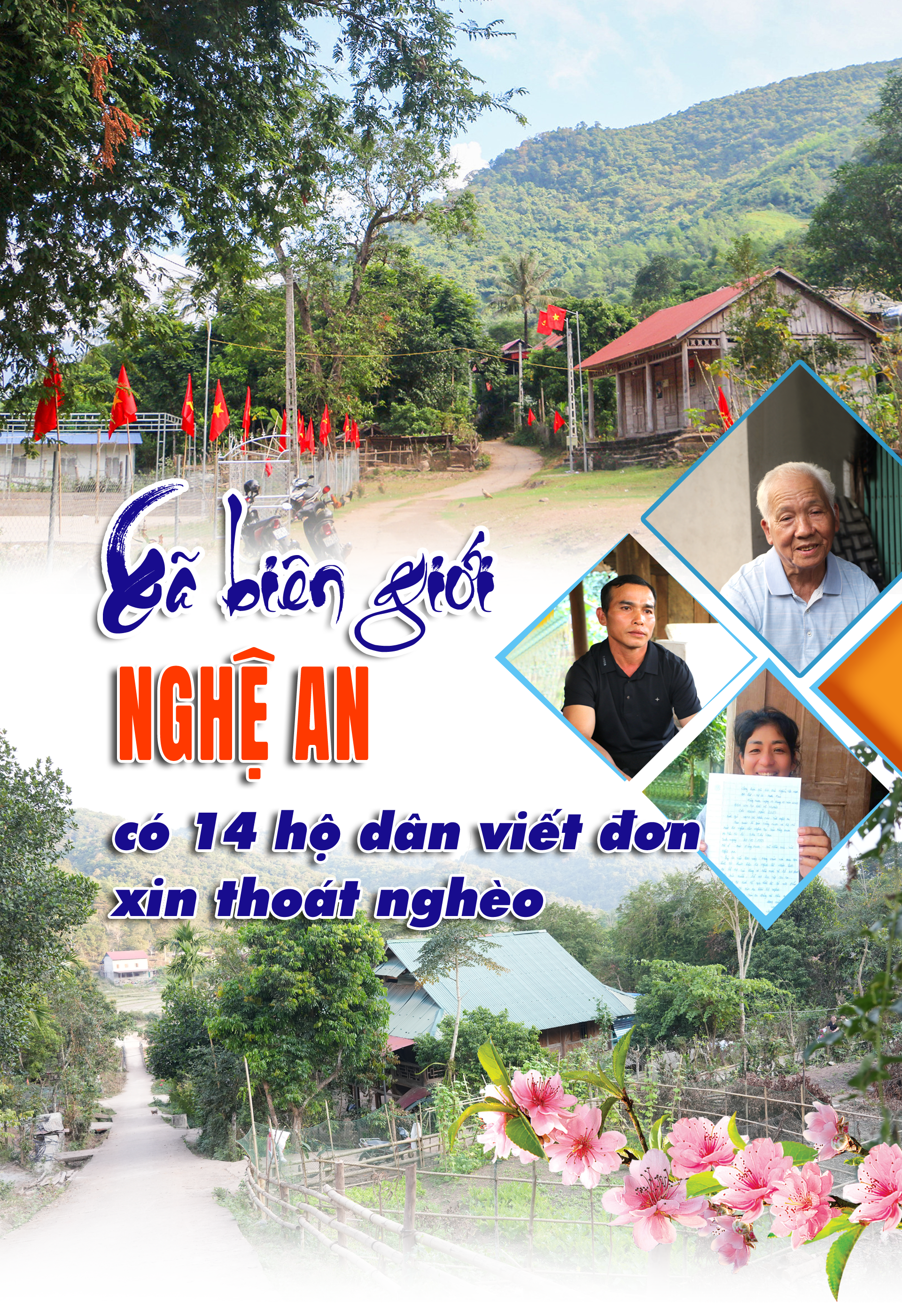
In a border commune in Nghe An province, 14 households have submitted applications to be removed from the poverty list.
In the early days of spring, returning to Nhon Mai border commune (Nghe An province), the story that warmed our hearts was not only the sight of green fields returning after the devastating floods, but also the 14 voluntary applications from local people requesting to be removed from the list of poor and near-poor households. In a place that once endured the historic floods of 2025, these applications are a vivid expression of self-respect, self-reliance, and the aspiration to take control of their lives in this remote border region.
Khanh Ly - Thanh Phuc/Present:Hong ToaiFebruary 20, 2026
*****
In the early days of spring, returning to Nhon Mai border commune (Nghe An province), the story that warmed our hearts was not only the sight of green fields returning after the devastating floods, but also the 14 voluntary applications from local people requesting to be removed from the list of poor and near-poor households. In a place that once endured the historic floods of 2025, these applications are a vivid expression of self-respect, self-reliance, and the aspiration to take control of their lives in this remote border region.
.png)
Regarding Huoi To 1 village, the most frequently mentioned story is that of Mr. Kha Van Hien (born in 1979). His family of four had been classified as poor or near-poor for many years. But unlike the mentality of waiting and relying on others, Mr. Hien chose a quiet but persistent path: diligently working and gradually building his livelihood.
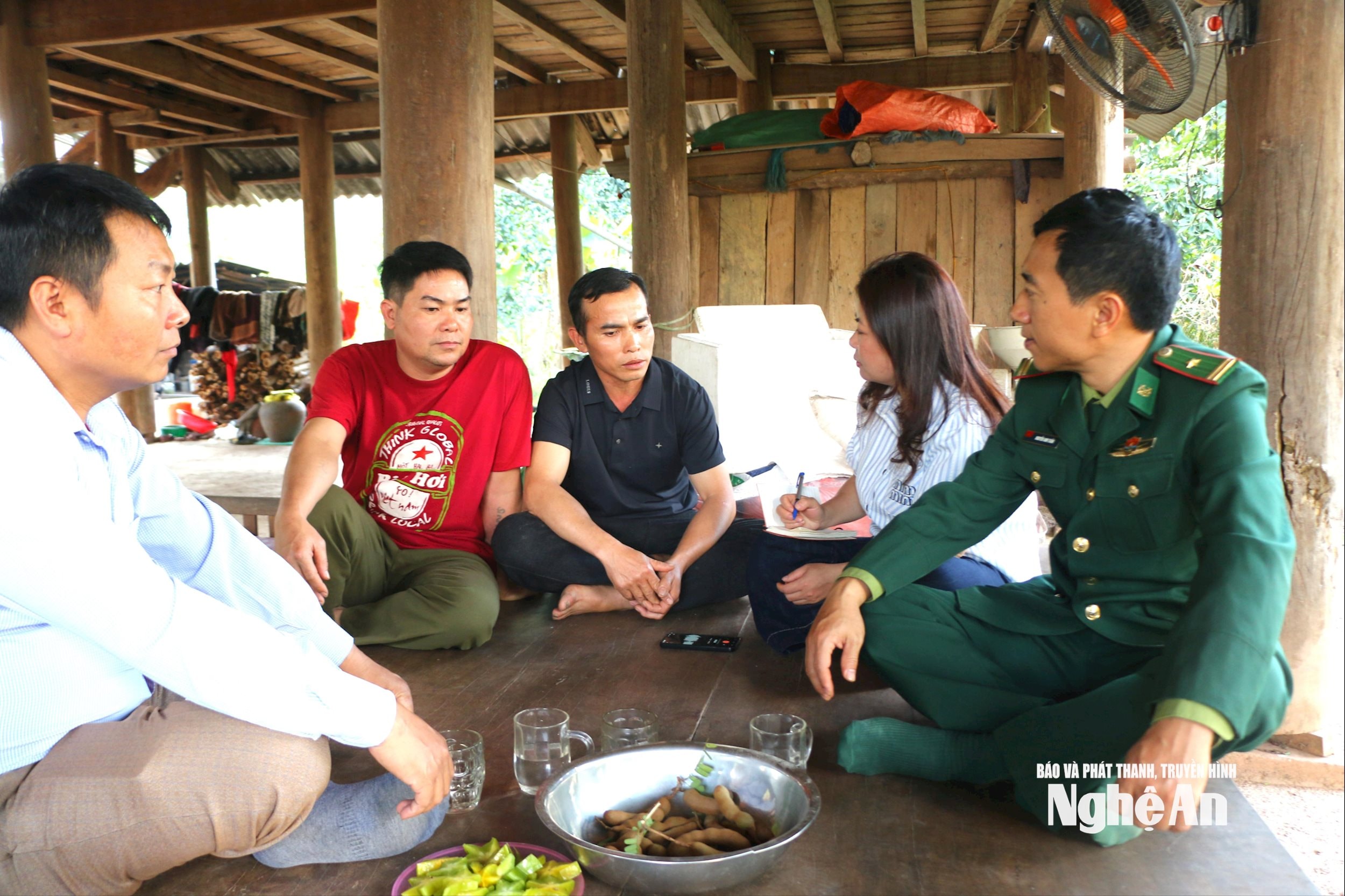
Besides his hillside fields and rice paddies, he boldly planted sorghum, developing nearly 1 hectare of it, and raised a few buffaloes and cows, and several dozen pigs. When he had saved up some capital, he invested in a milling machine and a mini-plow to support production.
Not stopping there, he also learned the trade of trading buffalo and cattle to increase his income. His wife, Lo Thi La, diligently worked at the loom, weaving brocade dresses and blouses to sell to people in the area.
Two major storms and floods in 2025 swept through, washing away fields and destroying crops, causing damage to his family. However, seeing that many households in the village were even more disadvantaged, Mr. Hien felt troubled. In October 2025, he proactively wrote a letter requesting to be removed from the list of impoverished households.
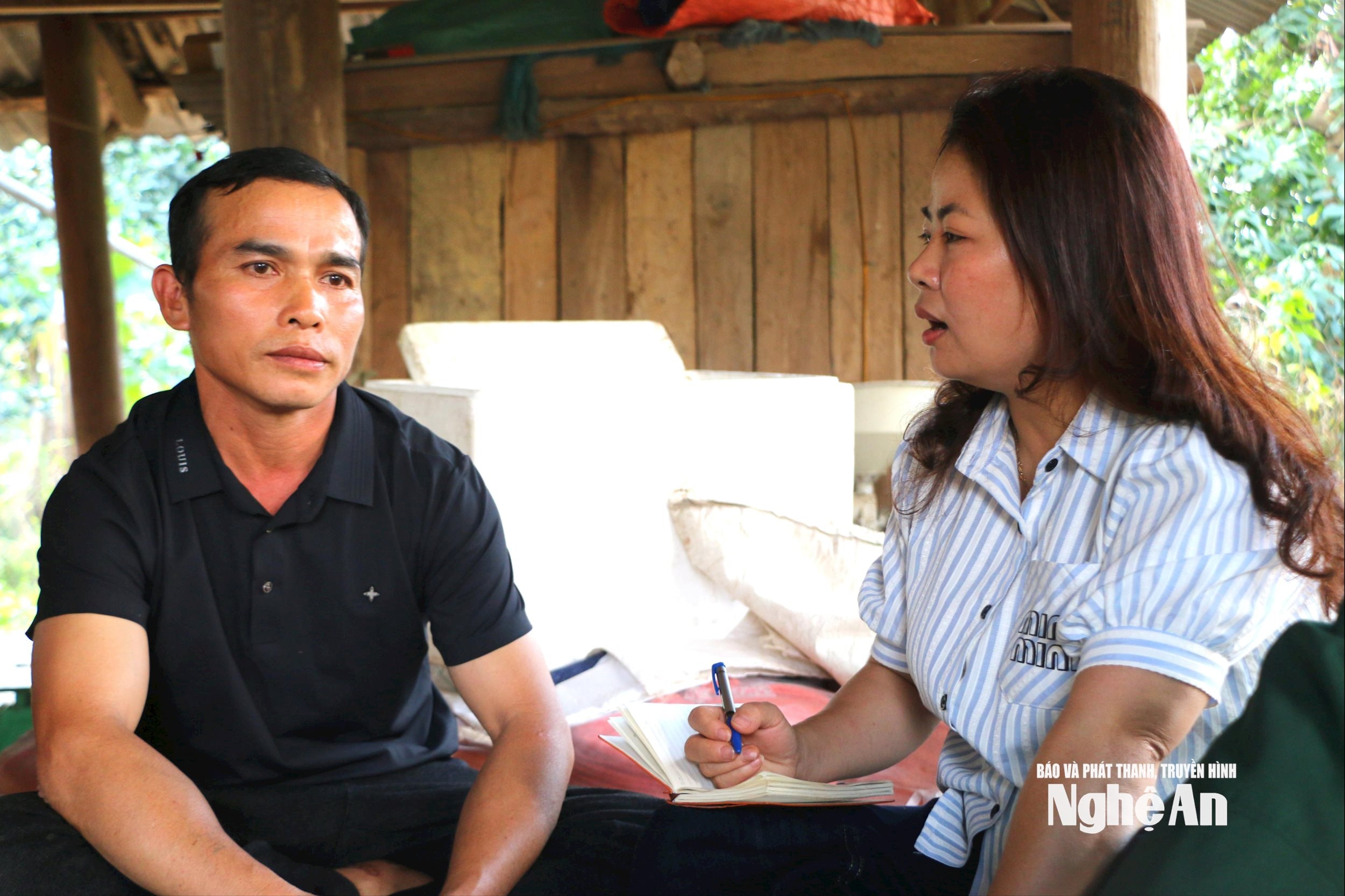
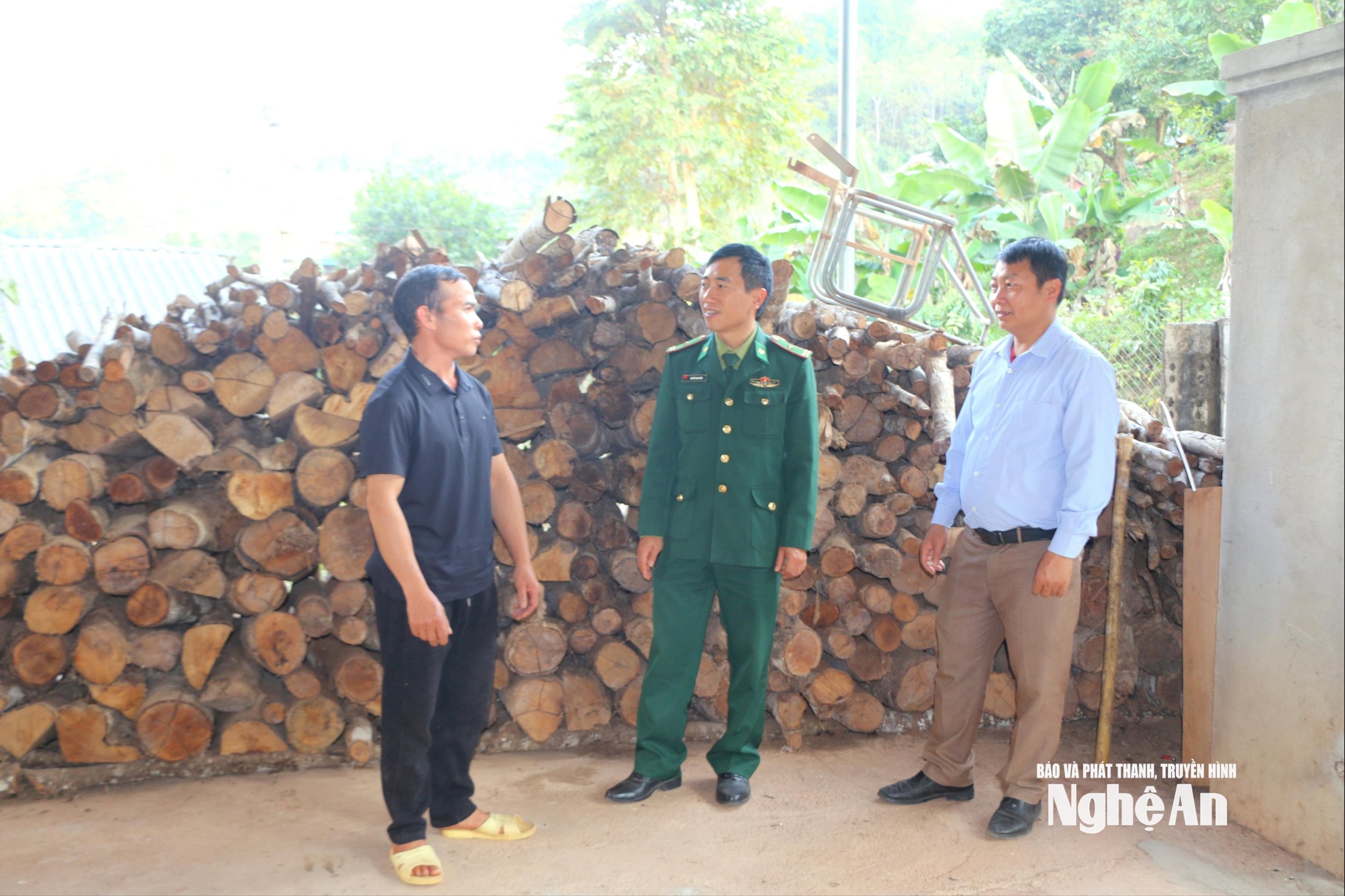
He simply shared: "My wife and I are still healthy, and our finances have gradually stabilized, so we're requesting to be removed from the poverty list to give the support to more disadvantaged households. As a Party member, I want to set an example so that people see that escaping poverty is not just a goal, but also a matter of honor."
The decision was unanimously agreed upon by the whole family. For Hien, "requesting to be removed from the list of impoverished households" was not about giving up support, but about giving himself more motivation to strive for success.
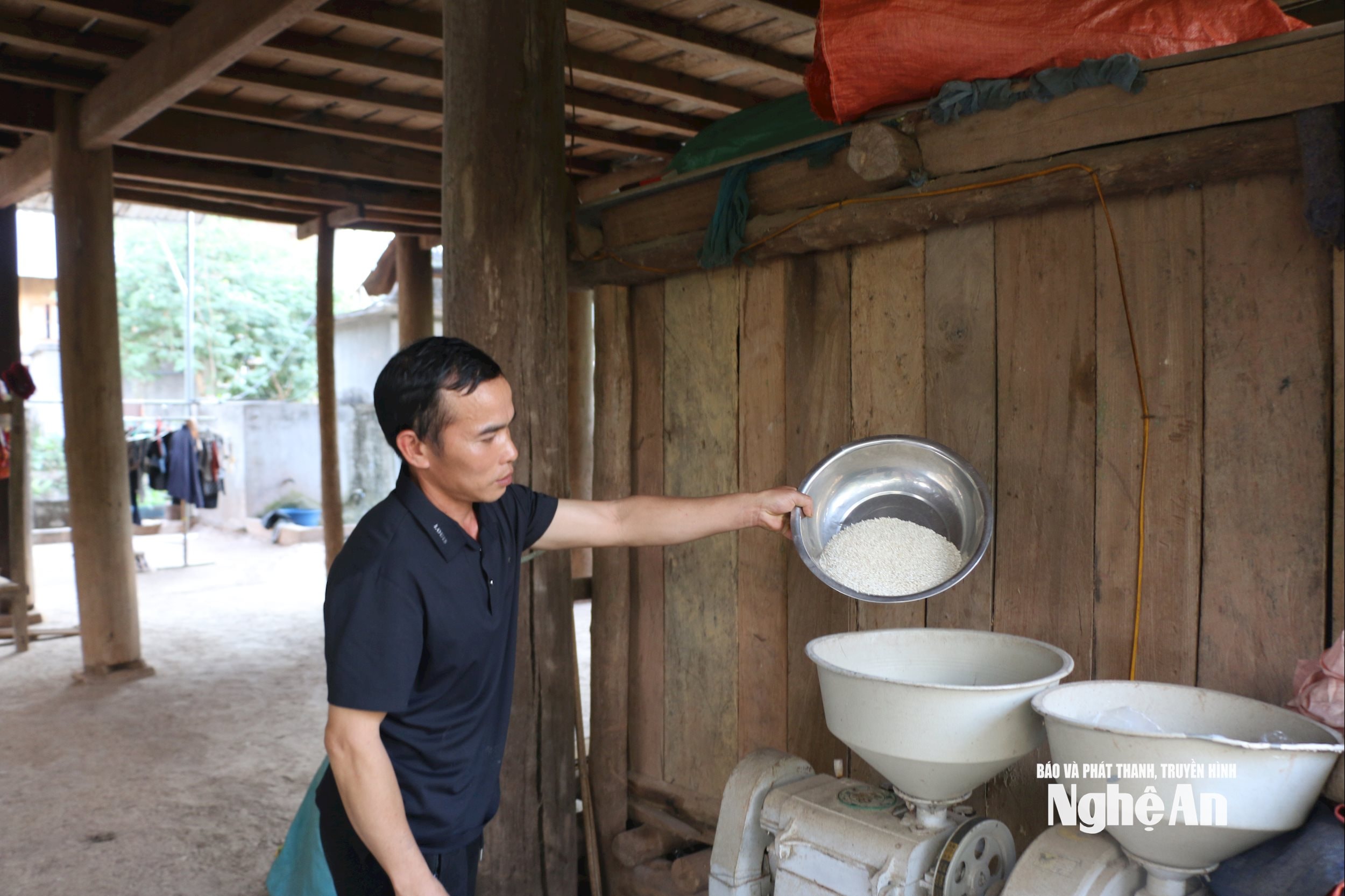
Not far from Mr. Hien's house is the small house of Mr. Lo Thanh Dinh (born in 1950) and his wife, Mrs. Lo Thi Tim (born in 1954). They have seven grown children, their only son having passed away a few years ago. The couple relies on each other, making a living by dispensing traditional Vietnamese medicine.
Due to her advanced age, frail health, and frequent illnesses, Mrs. Dinh understands the preferential policies for poor households regarding healthcare and loans. However, she says that there are many people around her who are in more difficult circumstances and need more support.
"We are requesting to be removed from the list of impoverished households so that they can have that opportunity," the old man said simply.
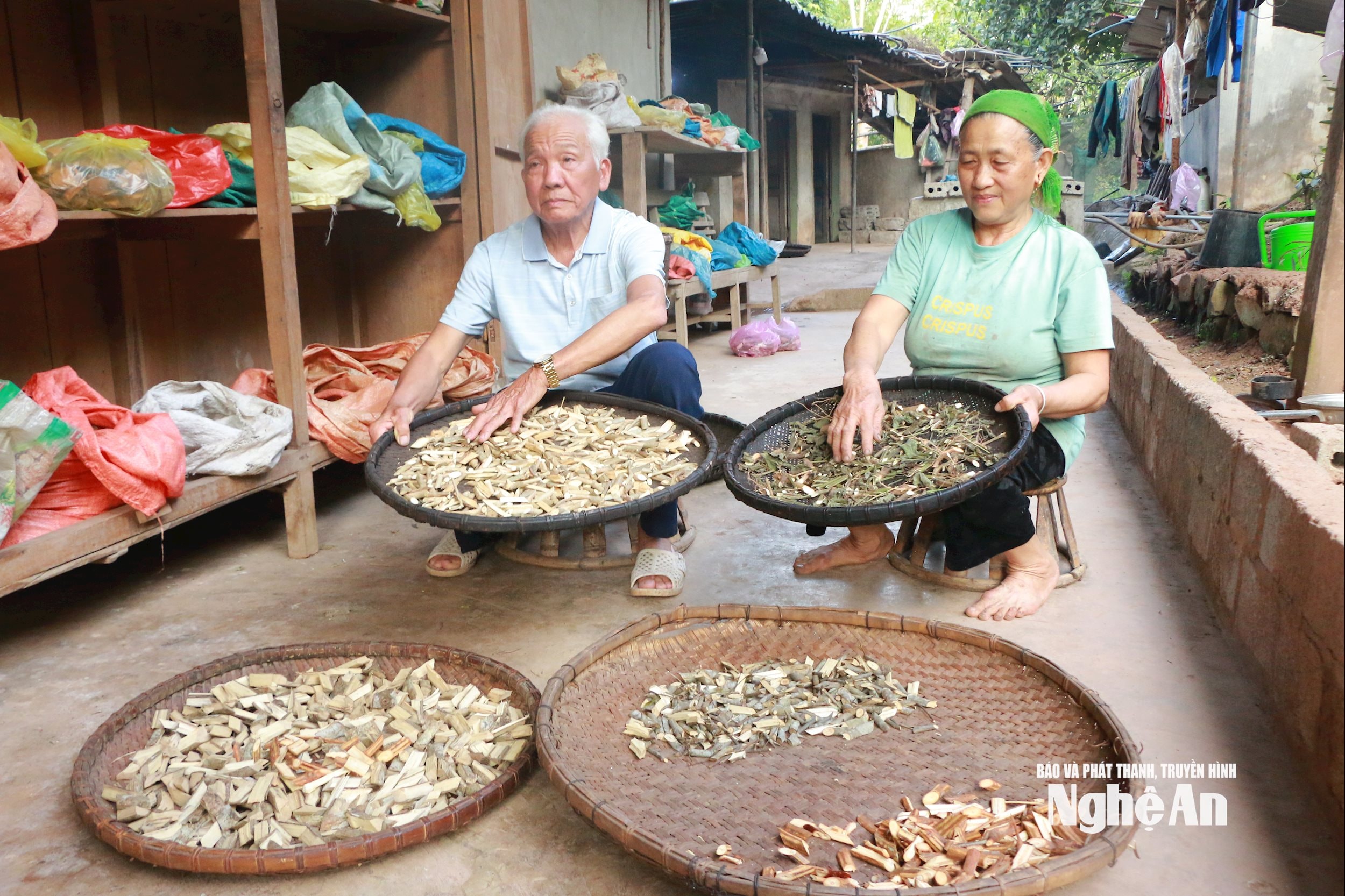
Mr. Luong Van Khoan, head of Huoi To 1 village, said: Huoi To 1 village has 85 households with 334 inhabitants, mainly Thai ethnic people. In 2025, as many as 8 households voluntarily submitted applications to be removed from the poverty list. After the storms and floods, the villagers focused on restoring their fields, planting 15 hectares of high-yield cassava, 5 hectares of bamboo, and developing their herds of buffalo and cattle to 108 animals, pigs to 225, and chickens to 2,000. Many households have proactively engaged in business and created sustainable livelihoods: some have opened grocery stores, some have developed duck and pig farms in the C5 area, and some are involved in the buffalo and cattle trade. Although difficulties remain, the spirit of self-reliance and self-improvement has become an underlying current spreading throughout the community.
"From a mindset heavily reliant on government policies, the villagers now consider escaping poverty a source of pride," emphasized Village Head Luong Van Khoan.
In Pieng Mun village, in 2025, three households also submitted applications to be removed from the list of poor households. Village head Kha Thi Hoa said that they are not entirely free from difficulties, but they have changed their mindset: They no longer want to rely on the government.
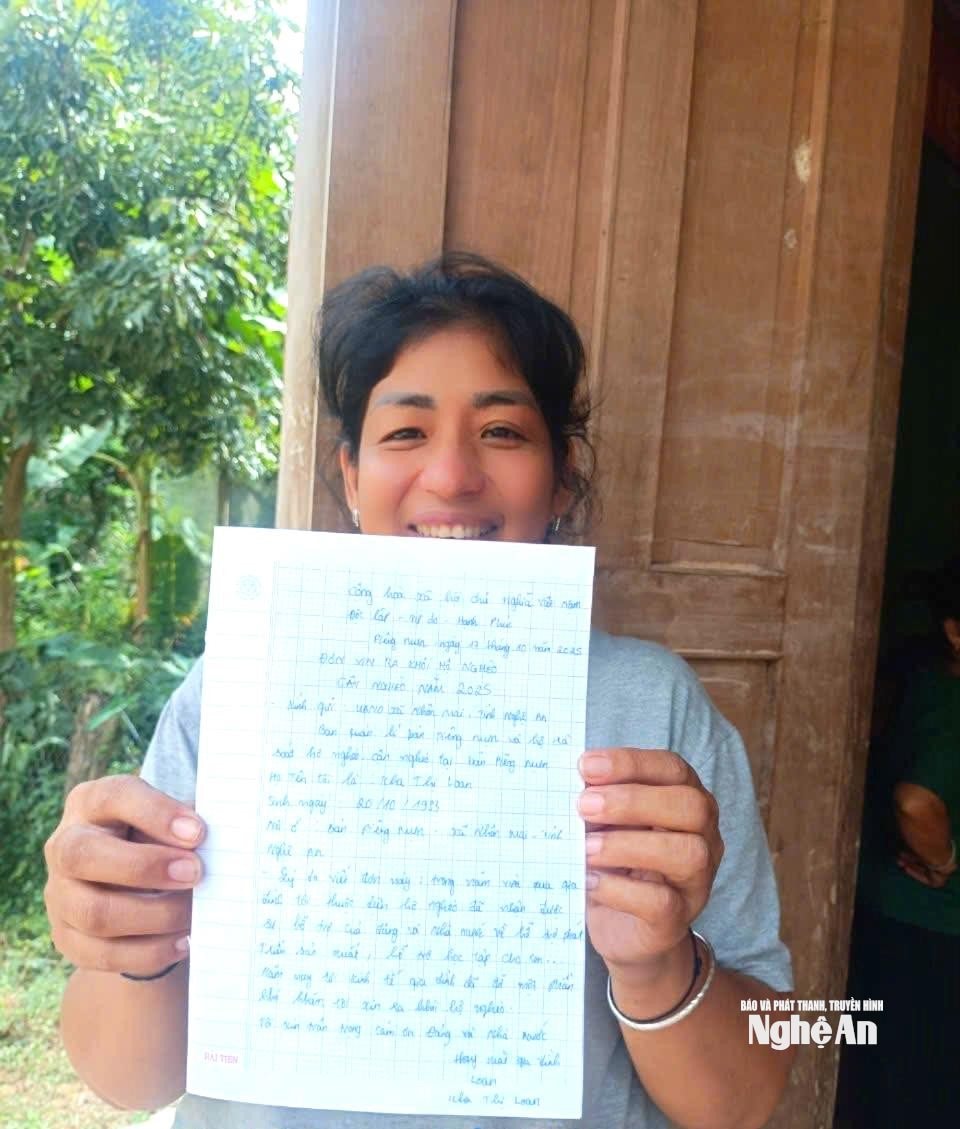
Ms. Kha Thi Loan (born in 1983) and her husband work as construction workers. Their two daughters are grown up and work far from home. In her letter, she clearly stated: Her family had previously received support for production development and their children's education; now that their economic situation has improved, she requests to be removed from the list of impoverished households to give the support to others.
Meanwhile, Mr. Vi Van Quynh (born in 1967), the owner of a farm in the C5 area, also voluntarily applied to be removed from the poverty list despite his family being severely affected by the floods and him having previously suffered an accident resulting in a broken finger. He said, "As long as there are people, there is wealth; if you work, you will eat." His daughter-in-law is the village head, so he wants to set an example even more.
.jpg)
The road to the C5 production area is still rough, requiring hours of walking. Yet, every week, Mr. Quynh and his children take turns tending to their herd of 20 goats, 30 pigs, 10 buffaloes, 12 cows, and 200 chickens. This diligence is the most convincing explanation for their decision to escape poverty.
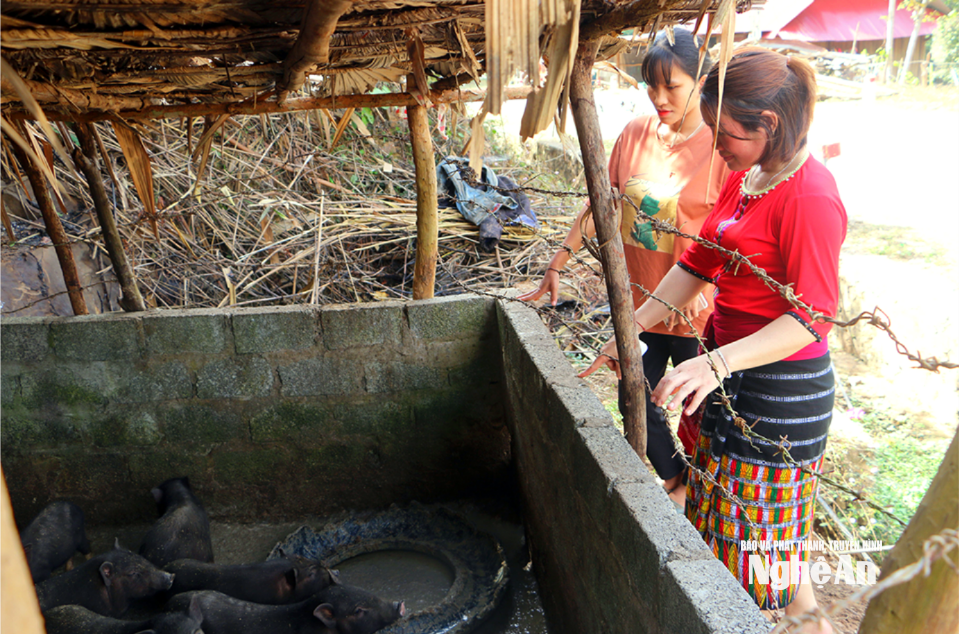
Currently, Piêng Mựn village maintains a herd of 272 black pigs, 138 buffaloes and cows; it also cultivates and cares for 5 hectares of pineapple, 6.4 hectares of cassava, 1 hectare of sweet potatoes, and various other vegetables. Approximately 40% of the working-age population goes to work elsewhere to increase their income and send money back to support their families.
The resilience of households like Mr. Quynh's and Ms. Loan's has created a positive effect, helping to gradually erase the mindset of "being poor means receiving assistance," replacing it with a desire for self-reliance and sustainability.
In a place where life is still very difficult, like this border commune, that decision wasn't easy. Because being removed from the poverty list means no longer being eligible for certain support policies. Yet, they still chose that path – as a way to motivate themselves and give opportunities to those less fortunate.

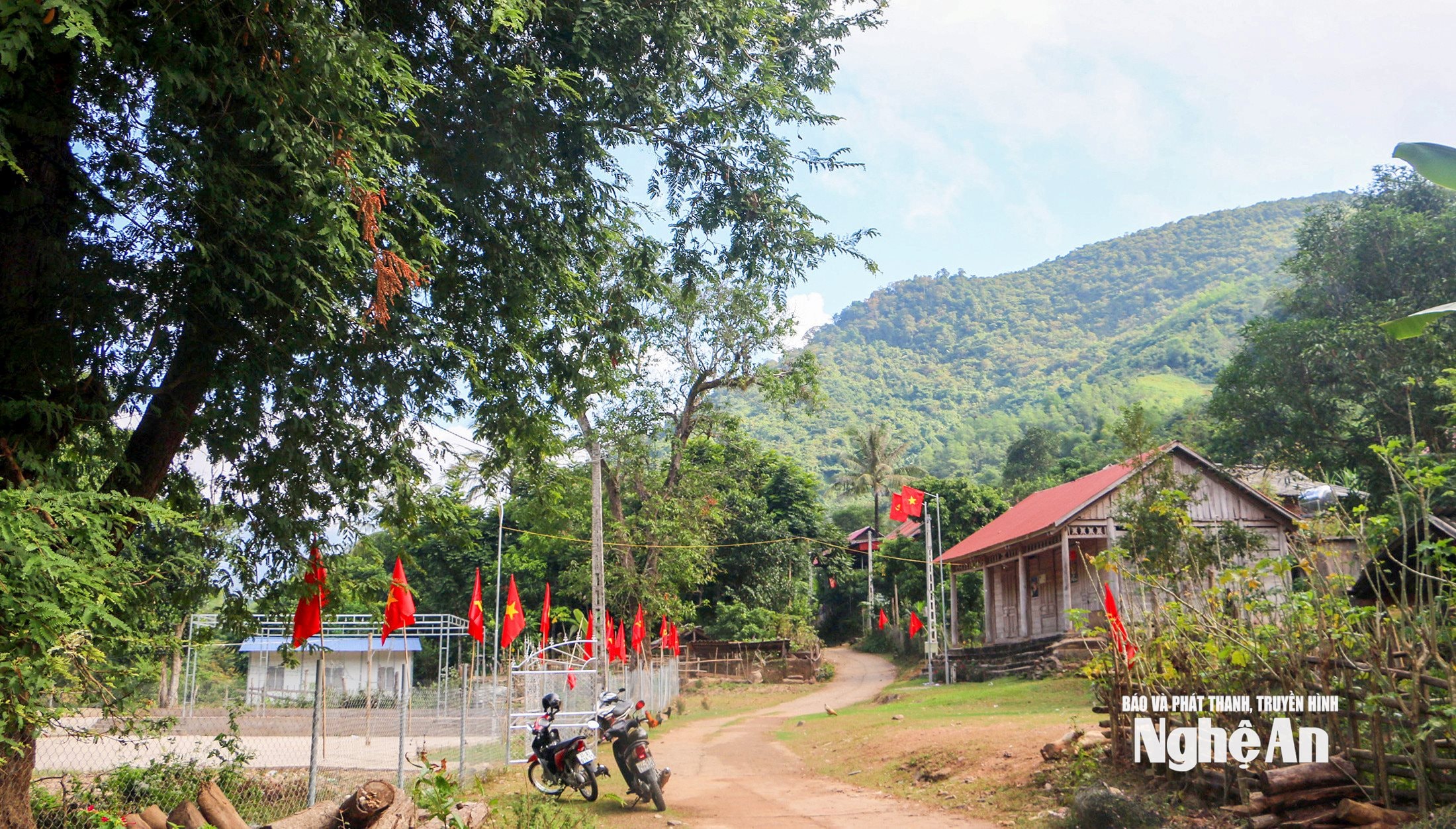
Nhon Mai is a border commune in Nghe An province, bordering Laos with a border stretching over 28 km and marked by 9 border markers from 381 to 389. The commune has 21 villages with 1,504 households and 6,923 inhabitants, including Thai, Mong, Kho Mu, and Kinh ethnic groups; among them are 5 particularly disadvantaged border villages.
Speaking with us, Mr. Le Hong Thai – Chairman of the People's Committee of Nhon Mai commune – said: To achieve the goal of sustainable poverty reduction by 2025, the Party committee, government, and mass organizations have implemented many comprehensive solutions to support economic development, assigned Party members to be in charge of villages and hamlets, and assisted individual households; at the same time, they have intensified propaganda to encourage people to develop a spirit of self-reliance and not depend on or rely on State policies.
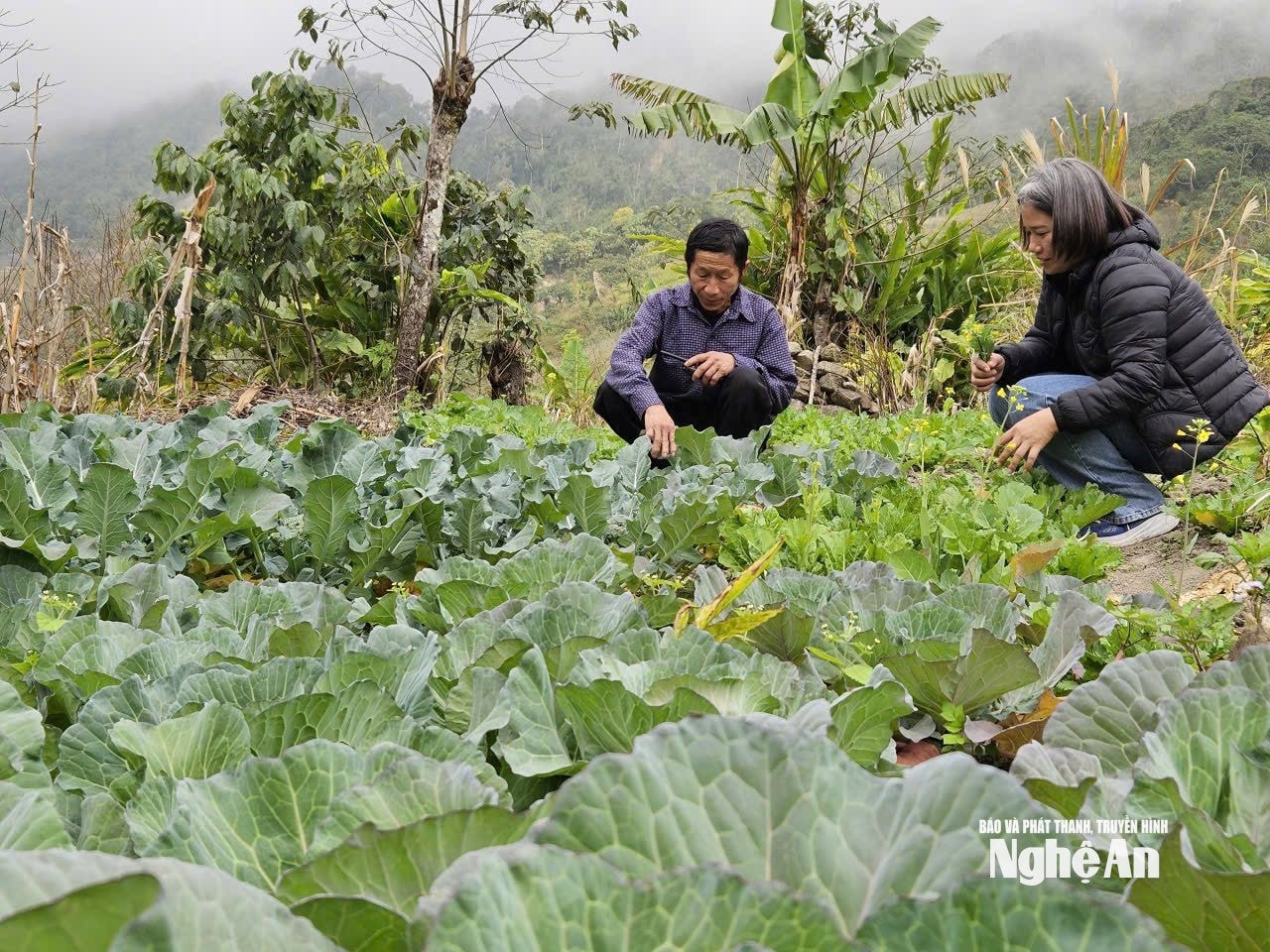
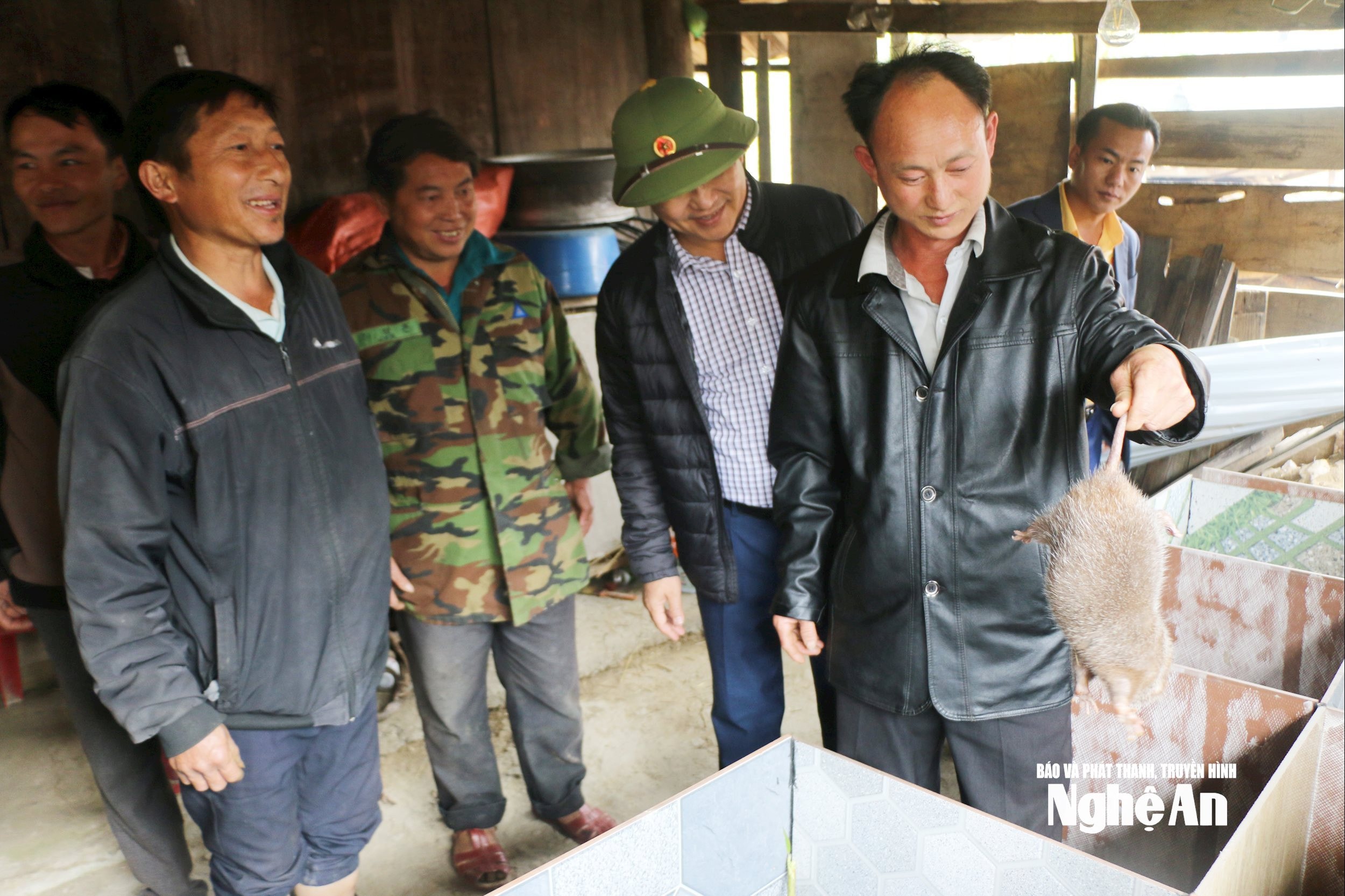
In particular, after the historic floods of 2025, the commune focused on directing the restoration of production, repairing damaged infrastructure, providing support with plant and animal breeds, and developing models for raising goats, cows, buffaloes, chickens, ducks, guinea pigs, and growing vegetables... Through these efforts, the lives of the people have gradually stabilized.
“In 2025, the entire commune will have 14 poor and near-poor households who voluntarily submit applications to be removed from the list. Of these, Huoi To 1 has 8 households, Huoi To 2 has 1 household, Pieng Mun has 3 households, and Na Hang has 2 households. These are all households with a strong will to improve their lives, striving to develop production and create stable jobs to establish themselves,” Mr. Thai emphasized.
Applications to escape poverty are not uncommon. However, in the context of a remote mountainous commune that has suffered severe natural disasters, where the poverty rate remains over 54% and the near-poverty rate over 22%, this is clear evidence of a shift in people's mindset: from passive to proactive, from waiting to self-reliance.
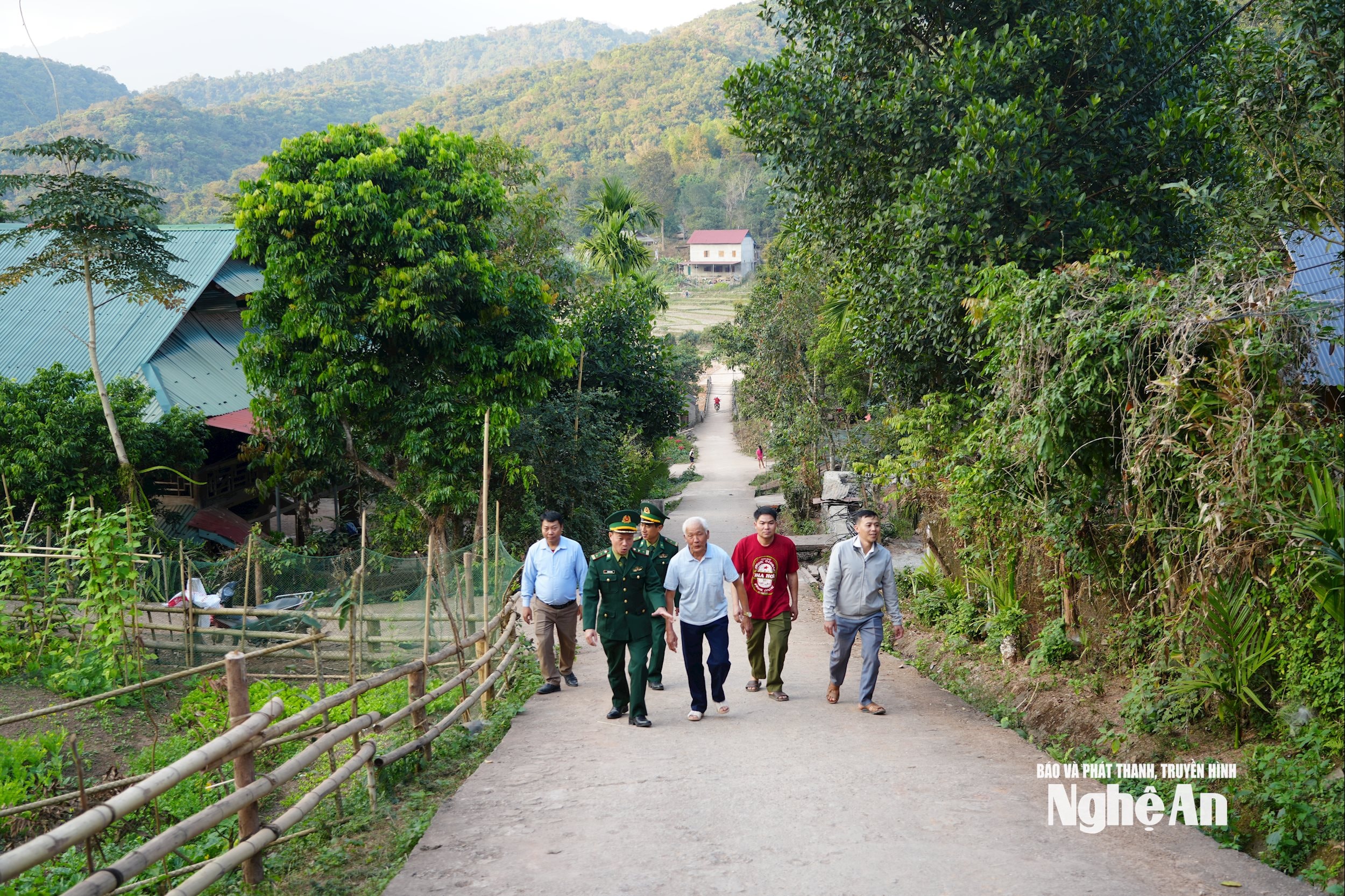
For them, escaping poverty is not just about getting off a list, but about changing their mindset. It's about self-respect and belief in their own labor.
The story of the 14 households in Nhon Mai therefore goes beyond mere numbers. It sends a message about the faith and willpower of people in disadvantaged areas. These small petitions, though modest, contain immense self-respect, inspiring and spreading a spirit of self-reliance within the community and creating a positive effect in the sustainable poverty reduction efforts in this remote border region.
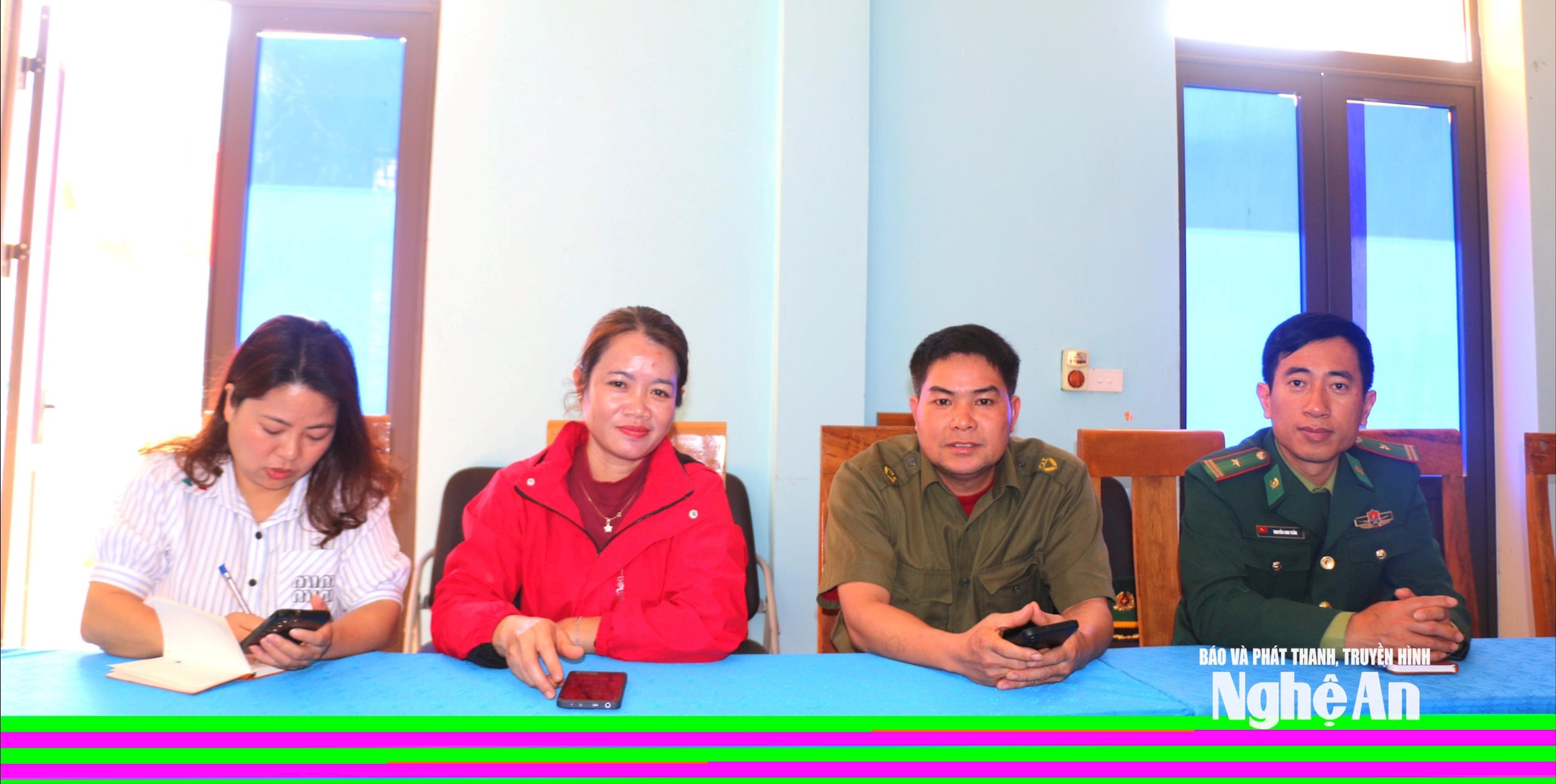
When people consider escaping poverty as an honor and aspiration, support programs and policies will be even more effective. And these simple, humble letters in the remote border region are adding a bright color, full of faith and hope, to the journey of sustainable poverty reduction in this still challenging border commune.


