
A border commune in Nghe An province has developed from native plants and animals to the specialty of bamboo rats.
In the western border region of Nghe An province, Tam Quang commune (Tuong Duong district) has made a remarkable transformation in household economic development, based on the potential and dynamism of its people. From native plants and animals to the specialty bamboo rat, each model is a story of sustainable poverty alleviation.
Bamboo rat - a delicacy on the rise.
Once considered an "unusual" animal, raising bamboo rats in Tam Quang commune has now become a popular trend, with the local government aiming to develop it into a key commodity in the near future. Leading the way in this model is the family of Mr. Tong Van Chien in Bai So village. Besides raising cattle and chickens like many other households, Mr. Chien has boldly invested in raising bamboo rats for both commercial and breeding purposes, with a scale of over 100 pairs.
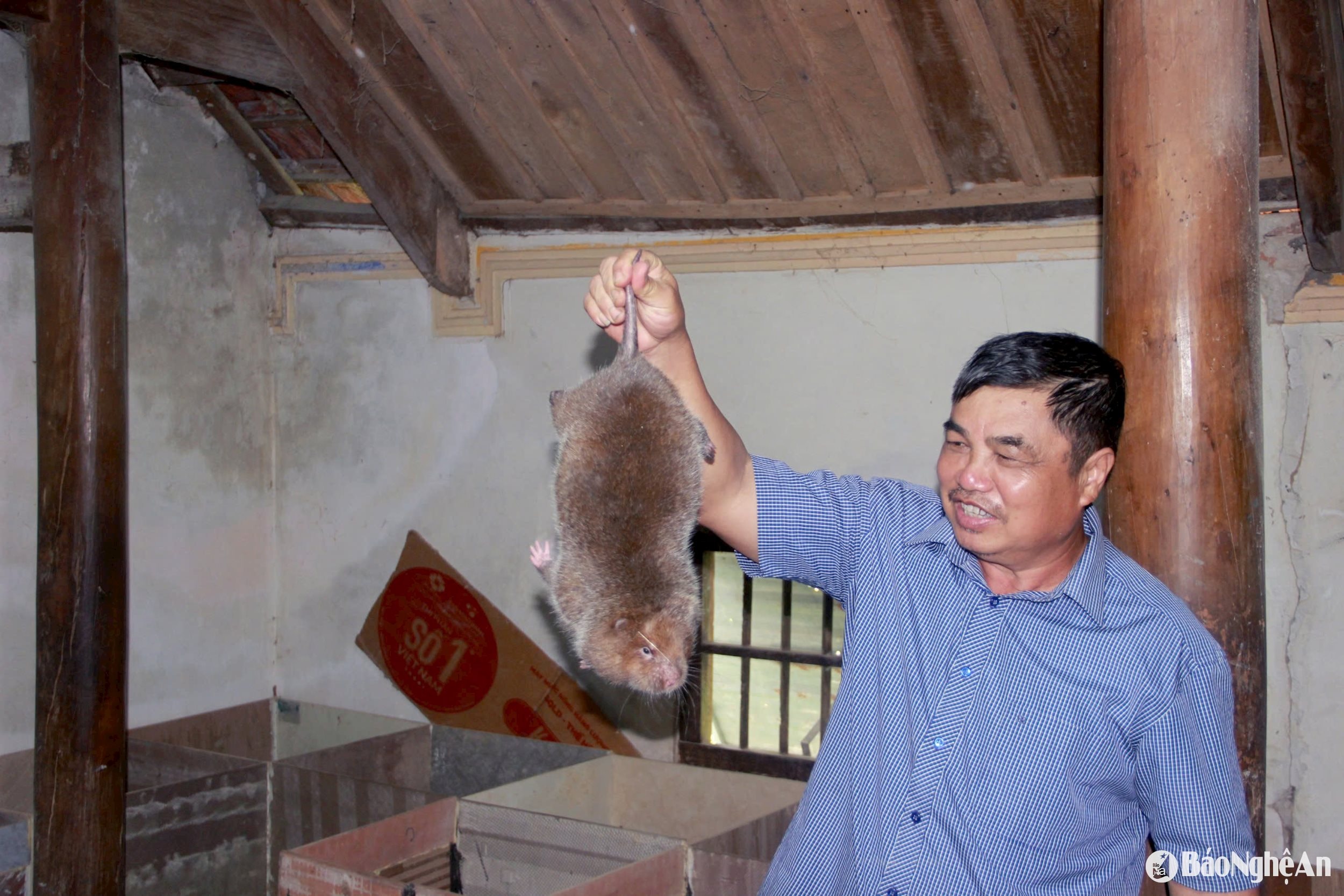
"Raising bamboo rats is low-cost, they are less susceptible to disease, and their food is readily available like bamboo, sugarcane, corn, and cassava, making it very suitable for local conditions. However, you must understand their habits, because they are wild animals and are very afraid of light and noise," Mr. Chien shared.
With a selling price of around 350,000 VND/kg for commercial bamboo rats, Mr. Chien's family's bamboo rat herd brings in a stable income each year, not including the money from selling breeding stock. His experience has also been sought after and replicated by many households.
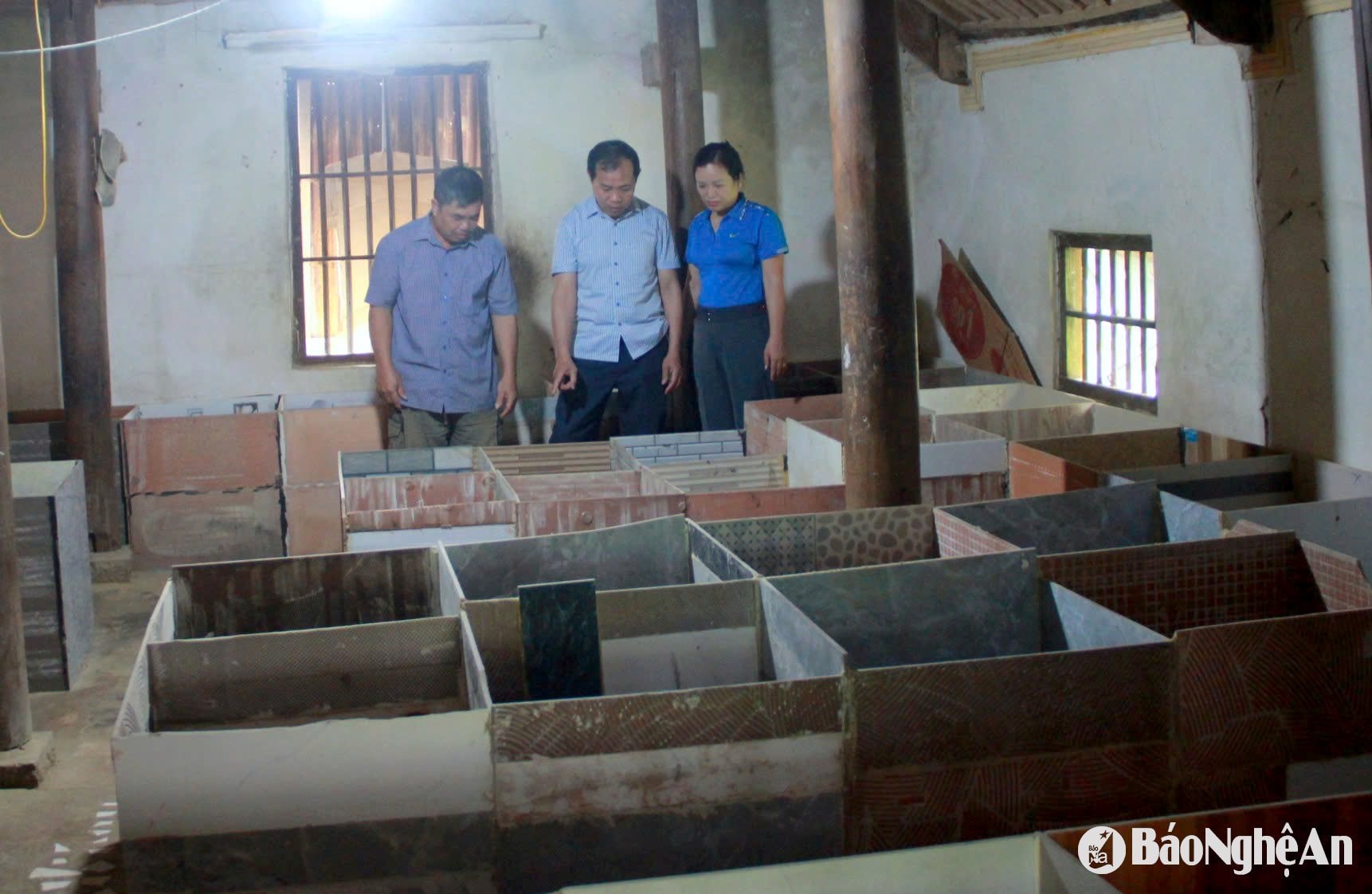
From the first model launched in 2019, Tam Quang commune now has 7 households raising porcupines, opening up opportunities for the development of a new industry for the locality. Ms. Kha Thi Hien - Chairwoman of the People's Committee of Tam Quang commune said: "The natural conditions are very favorable, food is readily available, raising porcupines is easy, requires little investment in cages, and is currently popular in the market, so the commune encourages the expansion of this model. This is a promising direction in the development of a commodity economy. Currently, the supply does not meet the demand for porcupines in the market."
Met tree - a stable and sustainable source of income.
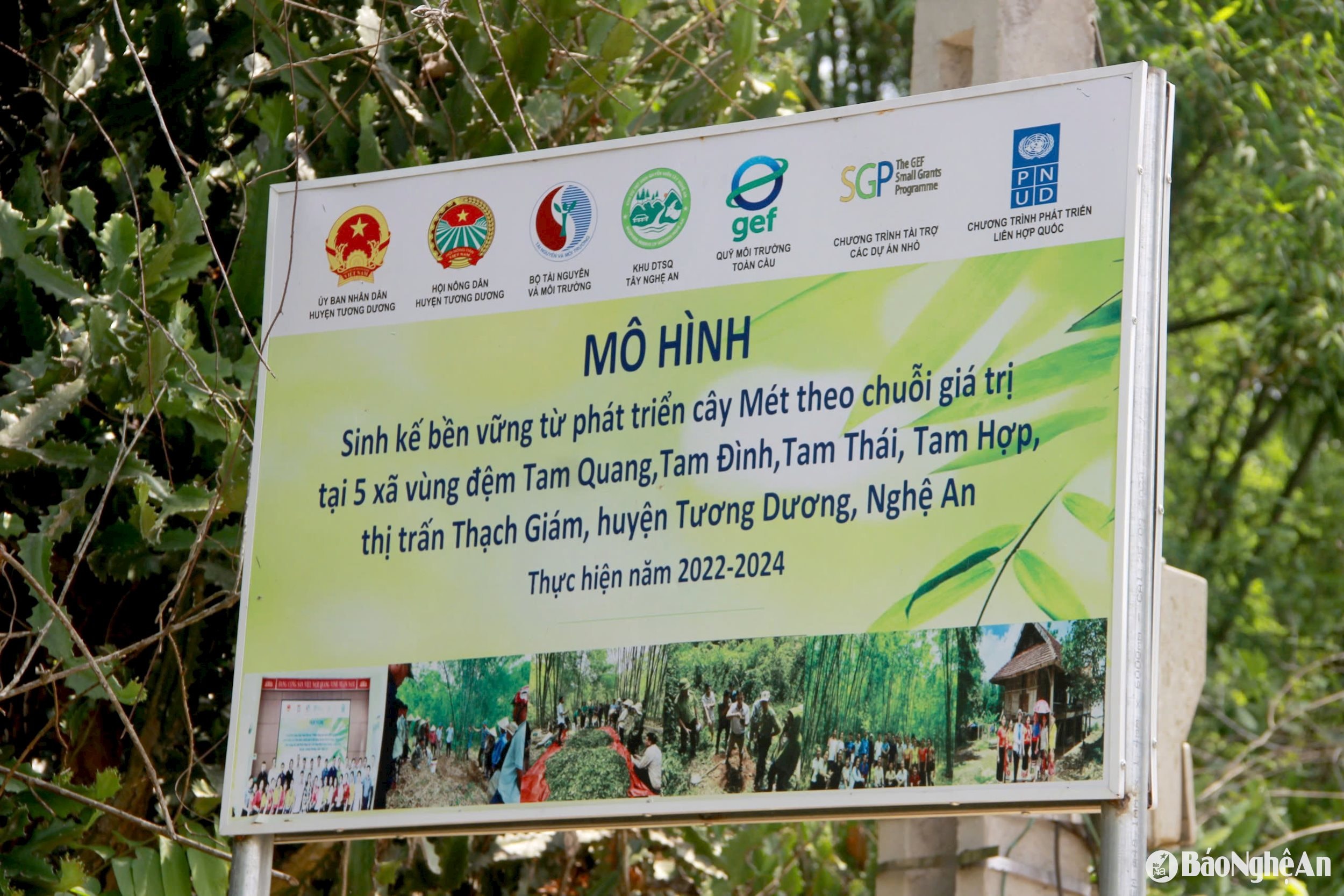
Besides livestock farming, Tam Quang commune is also notable for the bamboo plant – a native species that has long been associated with the Thai ethnic people here. Bamboo not only yields bamboo shoots during the rainy season, but is also a valuable material in civil construction and handicrafts.
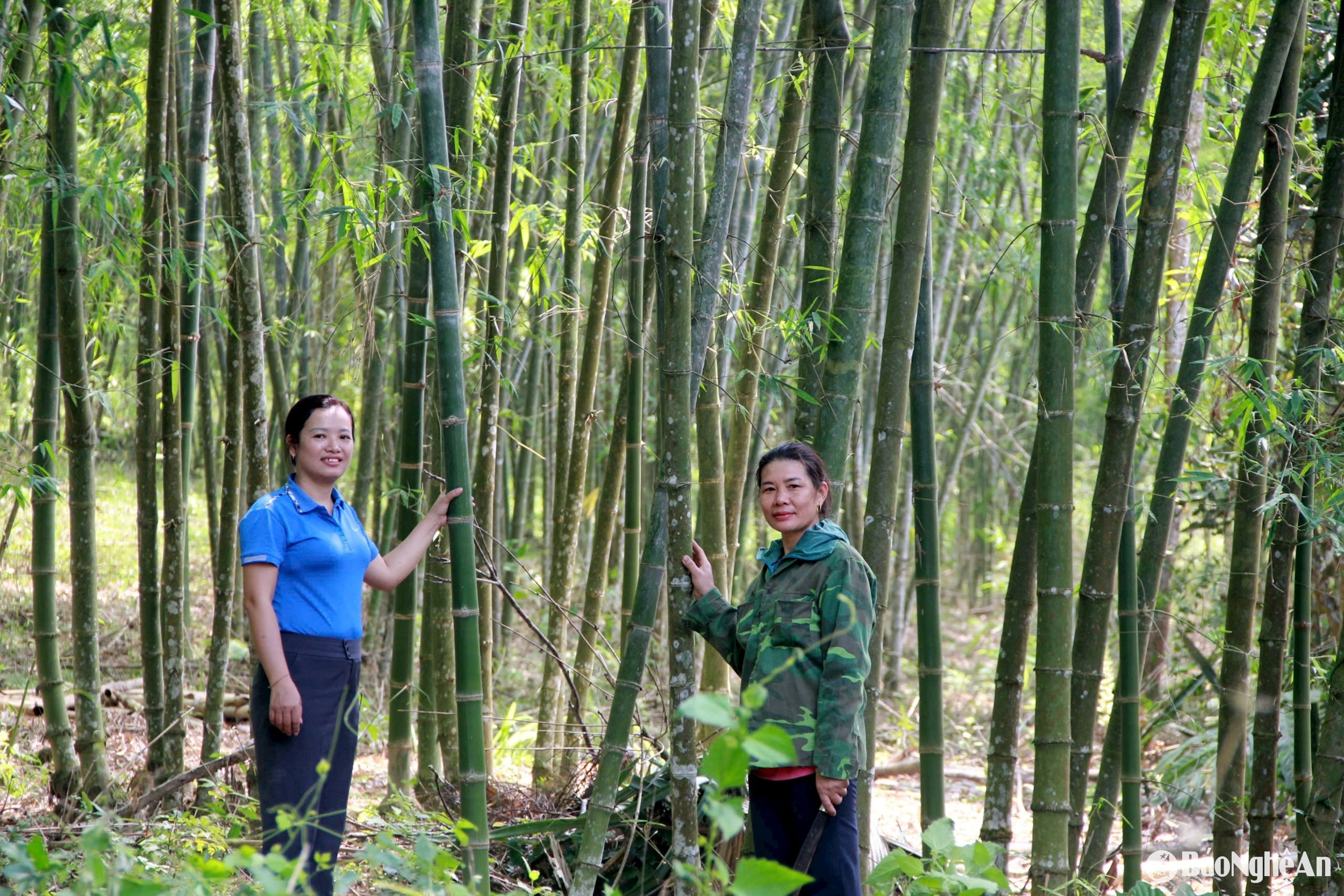
Ms. Luong Thi Bao's family in Tam Lien village currently owns more than 5 hectares of bamboo forest. Ms. Bao said that to have a high-yield bamboo forest, care must be taken right from the bamboo shoot season: "The large, plump bamboo shoots are left to grow into mature bamboo, while the rest are harvested and sold. Under the bamboo canopy, the family also raises native chickens and beef cattle." With chicken selling for 180,000 VND/kg and an annual bamboo harvest of thousands of trees, this model provides a fairly steady income for the family.
According to data from Tam Quang commune, the entire commune currently has 618 hectares of bamboo forest, with Tam Lien village alone accounting for one-third of the area. Bamboo is not only a source of livelihood but also a cultural aspect of the local people's economic practices.
Beyond just raising bamboo rats or cultivating bamboo, Tam Quang commune is also thriving in traditional livestock farming combined with technological advancements. The family of Mr. Dinh Xuan Quang in Bai So village is a prime example. With two breeding sows and two to three beef cattle, he sells four to five litters of piglets annually, earning hundreds of millions of dong, not including income from his rice fields.
What's remarkable is that in Tam Quang commune, not only the people but also the commune officials are successful in business. "We emphasize that every commune official must be a role model for the people to learn from. To date, about 80% of commune officials have their own livestock or crop farming models," said Ms. Kha Thi Hien, Chairwoman of the Commune People's Committee. A prime example is Deputy Secretary Lo Quang Hop, whose model of raising sows combined with crop farming generates an income of approximately 200 million VND per year.
The impetus from the "Effective Mass Mobilization" movement
Currently, Tam Quang commune has 36 community mobilization models, mostly focusing on household economic development. Among these, the model of forest planting combined with livestock farming is dominant. According to statistics, out of a total of 2,400 households, 70% raise at least one sow, 30% raise breeding and fattening cattle, with a total herd of over 4,000 cattle. In addition, 20% of households participate in commercial chicken farming, supplying markets within and outside the district.
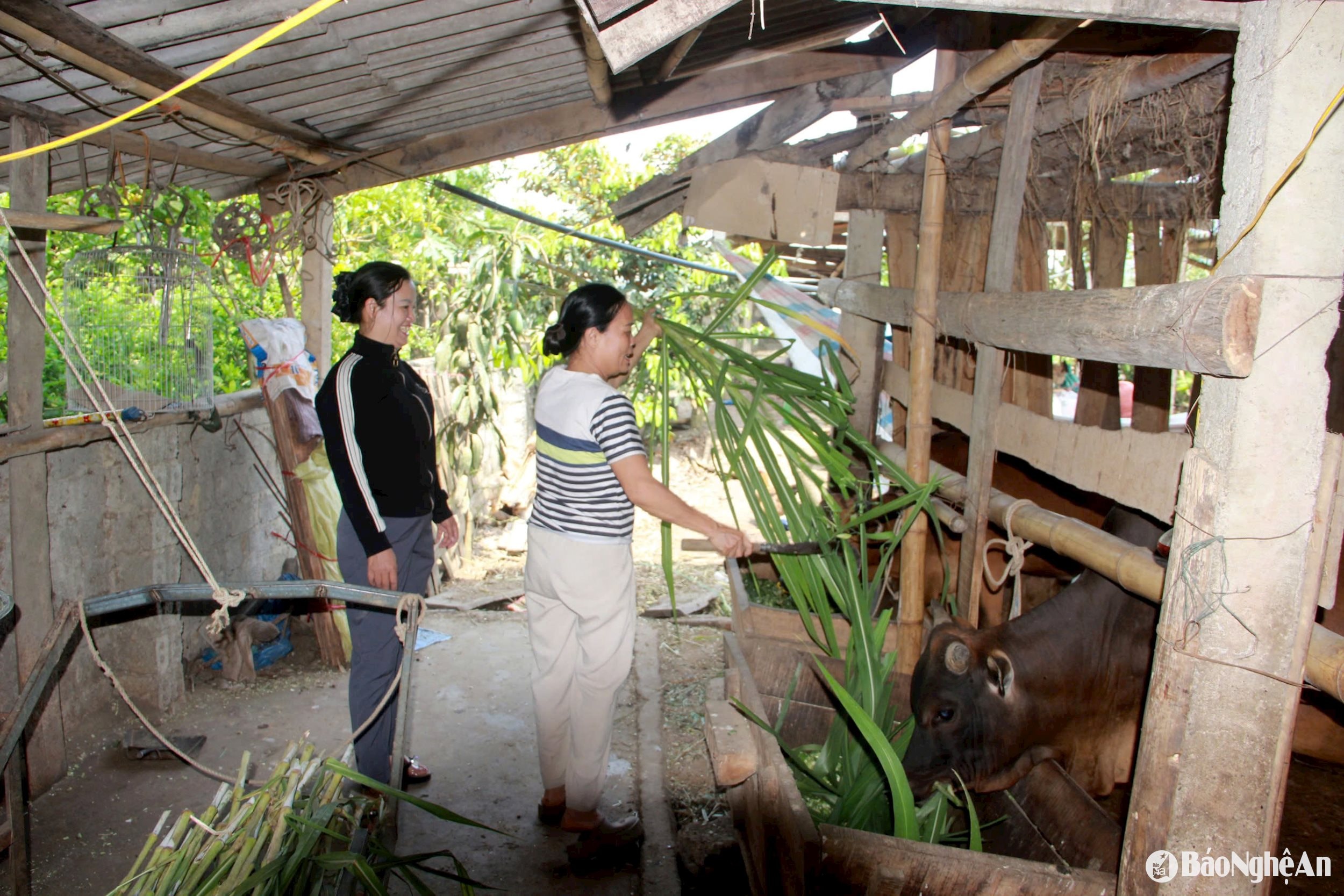
In Tam Quang commune, there are currently over 100 households with an income exceeding 200 million VND per year..This figure clearly demonstrates the effectiveness of diversifying economic models based on the available potential of the locality.
As a border commune with 76% of its population being Thai ethnic minorities, Tam Quang commune used to be primarily self-sufficient. But now, the mindset for doing business has changed dramatically. "We are not stopping at just having enough to eat, but aiming for commodity production, with a market for consumption, and accumulation for our families," a commune official shared.
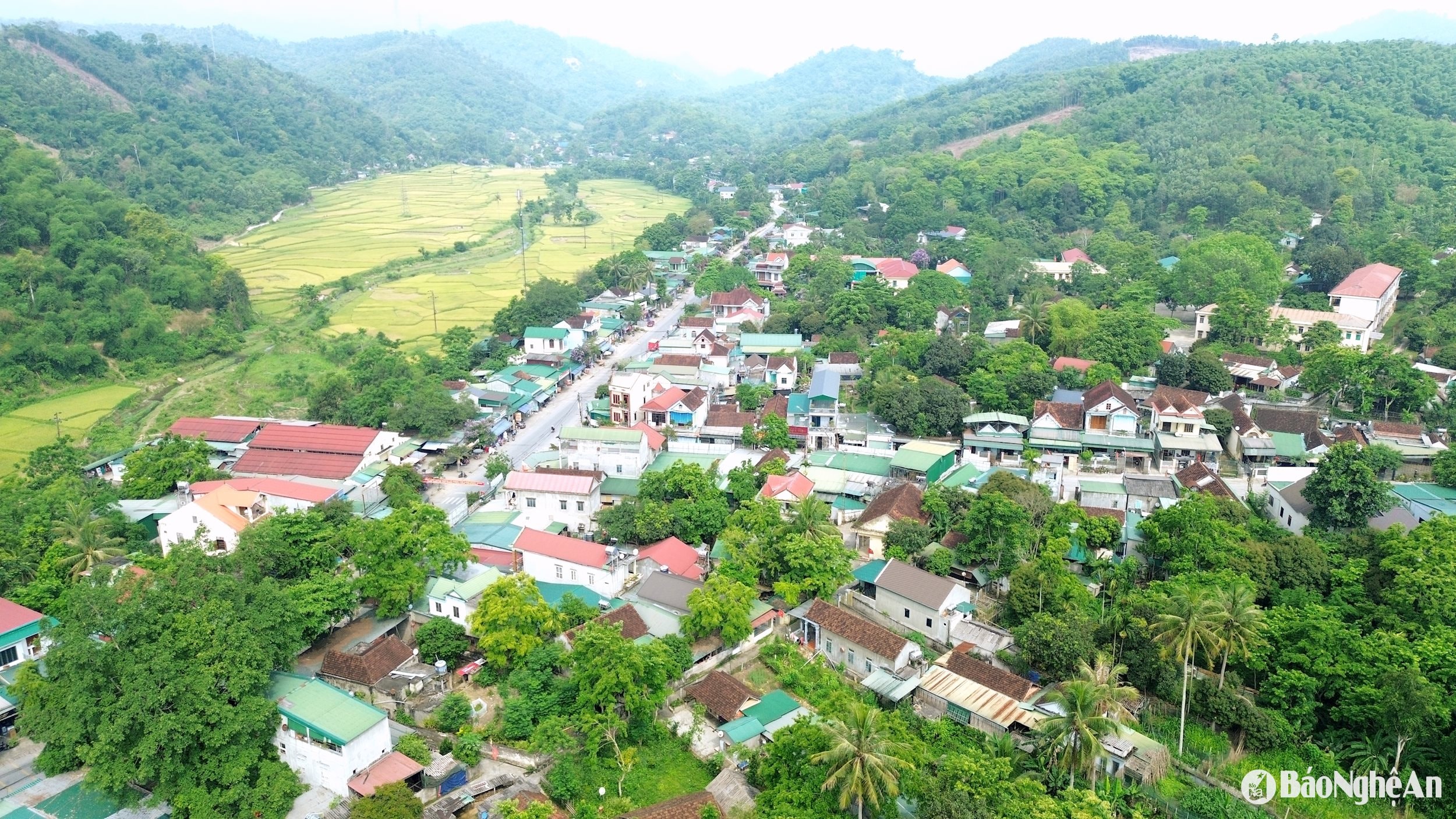
From small-scale models, Tam Quang is gradually forming linkages in agricultural production and consumption, aiming for ecological and sustainable agriculture. With the active involvement of the Party committee, the government, and the proactive spirit of the people, Tam Quang commune is steadily progressing on the path of sustainable poverty reduction and building a new rural area in the border region of Nghe An province.


