
Huoi Tu commune in the highlands suffers crop failure in upland rice fields.
Early November marks the harvest season for late-ripening upland rice in Huoi Tu commune (Nghe An province), but due to rain, the rice grains have sprouted. Farmers are now making efforts to save the rice crop and minimize losses before Tet (Lunar New Year).
“This year, there have been continuous natural disasters. In late October, when the rice was starting to ripen, we were secretly happy to see the sun shining and hoped for a successful harvest. Unexpectedly, it rained again just before harvest, causing almost all the ripe rice grains to become damp, moldy, and sprout,” said Mr. Ly Va Tong, from Huoi Dun village, sadly.
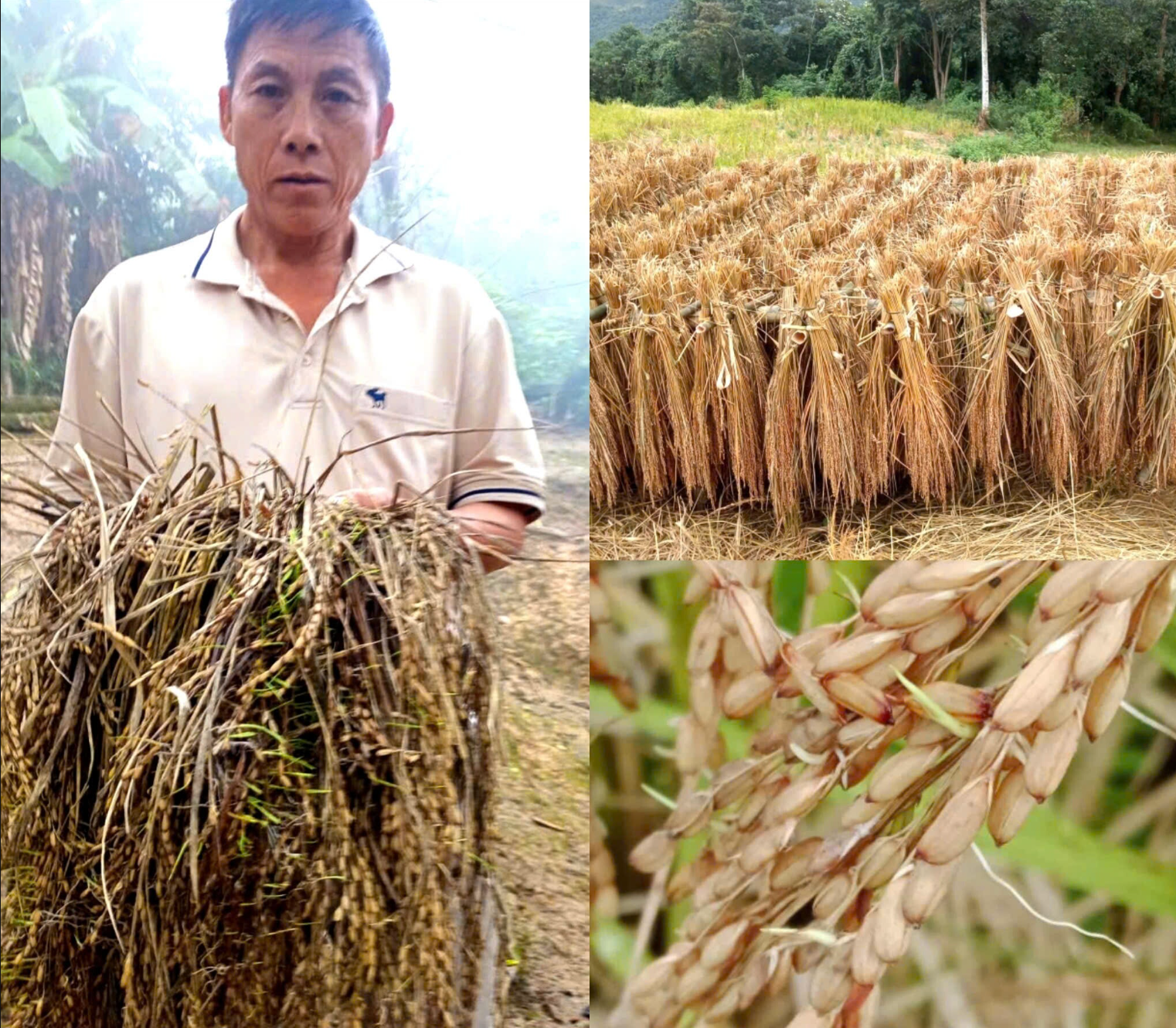
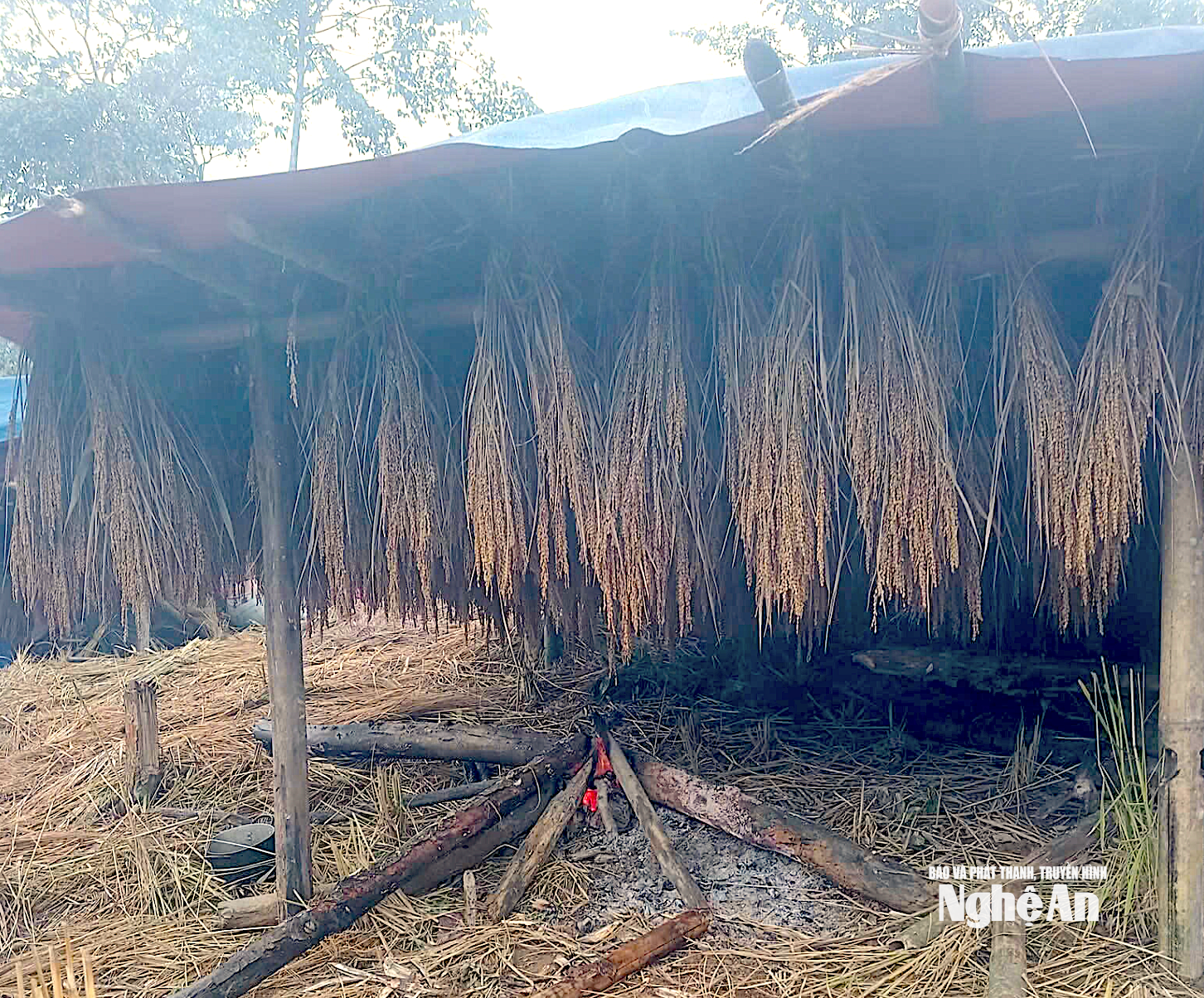
Mr. Hờ Xìa Nênh's family has about 0.3 hectares of upland rice that has reached maturity. They had to mobilize all family members to harvest quickly and build shelters to protect the rice from the rain, then divide up the tasks of gathering firewood to dry the rice. "Although we tried to dry the rice with firewood, because we are high in the mountains and the rain has been prolonged, many rice grains still sprouted, and we could only save a small amount," Mr. Nênh said.
Similarly, in Huoi Khe village, 11 households suffered crop losses on their upland rice fields when over 5 hectares of rice, recently harvested, were hit by prolonged rain. Mr. Ha Ba Ly, an official from the Huoi Tu commune People's Committee, stated that at the end of the year, the local people have two upland rice crops, with harvesting times about a month apart. The current harvest is from a late-ripening crop, and the prolonged rain following the storm caused the rice grains to sprout, sometimes even turning into green leaves, making them only suitable for feeding cattle.
Huoi Tu commune has 13 villages with over 1,000 households, mainly Mong ethnic people, who have lived by cultivating upland rice for generations. Every year, the people of Huoi Tu actively maintain agricultural production, gradually shifting the structure of crops and livestock to areas with favorable and suitable conditions, such as hybrid corn and hybrid rice, which has yielded practical results. In addition, the people also maintain the cultivation of traditional upland sticky rice with a total area of approximately 117 hectares.
“Upland rice is the main food source for the people. Therefore, in the face of unfavorable weather, the People's Committee of the commune as well as the management boards of the villages are actively supporting and guiding people to save the rice by covering it, threshing it in cool places, and trying to dry it manually, striving to preserve the food supply for the upcoming Tet holiday,” said Mr. Ha Ba Ly.


