
E5 gasoline, if not strictly regulated, can easily fall into traps.
People are starting to adapt to using E5 gasoline, but remain concerned about quality control in the market due to the continued existence of a monopoly.
Some argue that biofuels are widely used worldwide due to the well-controlled quality and technology of ethanol production, resulting in high purity. However, in Vietnam, the production of ethanol for blending is currently only supplied by Tung Lam Company. This leads to risks of inconsistent quality and unstable prices due to the monopolistic supply of the fuel.
|
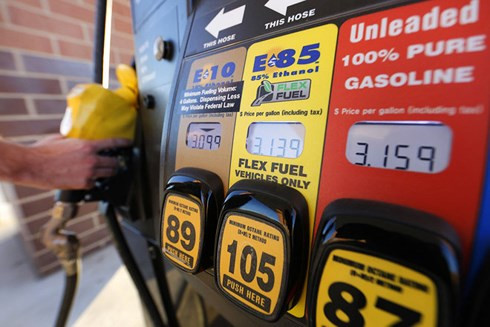
| E5 gasoline needs strict regulation to ensure quality for consumers. (Illustrative image: kt) |
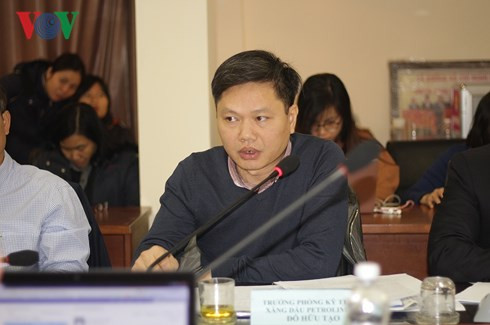
According to Mr. Do Huu Tao, Head of Petrolimex's Petroleum Engineering Department, petroleum is a sensitive commodity. A comprehensive system of standards and regulations is already in place. "We strictly control and evaluate at the factory, evaluate through the system, conduct market sampling, and only produce and release petroleum products to the market after they meet the requirements. Regarding storage, the Ministry of Industry and Trade has issued the QCVN8/2012 standard related to equipment and tanks for blending petroleum... which is also very strict to ensure the quality of petroleum products supplied to the market."
|
| Mr. Do Huu Tao, Head of Petrolimex's Petroleum Engineering Department. |
Furthermore, when supplying the market, Petrolimex's system is spread nationwide, covering many regions with different weather conditions. "We have assessed the quality of E5 gasoline under various weather conditions, including the most extreme weather such as humid areas, highlands, and areas with heavy rainfall, during the 3-month trial period, and the quality of E5 gasoline was completely assured," Mr. Tao affirmed.
As the agency responsible for managing the quality of gasoline circulating in the market, the General Department of Standards, Metrology and Quality (Ministry of Science and Technology) has issued 19 standards. TCVN 8063 is the national standard on quality control management, and there are also standards regarding the amount of ethanol blended into gasoline. In addition, there are other related standards...
According to Mr. Nguyen Van Khoi, Deputy Director in charge of the Standards Department (General Department of Standards, Metrology and Quality), the entire system of standards has adopted the US standard - the most widely used standard today. The entire process of developing and compiling the standards was carried out with the participation of many parties, including representatives from businesses, management agencies, the Ministry of Transport, and involved gathering numerous opinions and feedback…
|
| Mr. Nguyen Van Khoi, Deputy Director in charge of the Standards Department (General Department of Standards - Metrology - Quality, Ministry of Science and Technology). |

Mr. Khoi stated: "According to regulations on ethanol content in gasoline, which have been in place since 2015, the level was approximately 2.7-3%. The current regulation is 4-5% ethanol."
According to Mr. Nguyen Phu Cuong, Director of the Science and Technology Department, Ministry of Industry and Trade, in order to manage the quality of E5 gasoline, the Standards Development Committee, comprising representatives from fuel manufacturers, automobile manufacturers, and regulatory agencies, had to develop a specific set of standards.
These standards and regulations are also continuously updated and reviewed to align with global trends. Vietnam's fuel quality management standards and regulations must also be consistent with those of other countries worldwide. "We cannot simply adopt a unique fuel type," Mr. Cuong emphasized.
Gasoline and diesel fuel in particular, and fuels in general, are regulated by the Law on Standards and Regulations, with conformity assessment conducted by batch or process at the production facility.
However, with the acceptance of biofuels (i.e., gasoline mixed with ethanol), managing the quality of gasoline on the market requires the participation not only of the General Department of Standards, Metrology and Quality (Ministry of Science and Technology) but also of market management agencies to ensure fuel quality for the people and prevent the sound policy of using environmentally friendly biofuels from becoming a "trap" for people's vehicles.


