
Developing community-based tourism destinations that are self-sufficient in clean food.
(Baonghean.vn) - Currently, one of the development directions that homestays and community tourism destinations are implementing and investing in more systematically is ensuring a supply of clean food right on-site.
Self-sufficient in animal husbandry and farming.
Dai Son commune in Do Luong district is not a mountainous area and has never had ethnic minority people living there. Therefore, when Le Dong and his wife, Vi Thi Nga, moved their Dong Nga homestay from Thanh Dao village, Bong Khe commune (Con Cuong district) to Hamlet 1 of the commune in early 2022 to develop community tourism, the locals considered it unusual.
After stabilizing the house and production/livestock areas, the owner of Dong Nga homestay invited people from Dai Son commune to experience the "new model" of community tourism, including the participation of people from Thanh Dao village, Bong Khe commune, Con Cuong district - who have been "partners" in developing this community tourism facility for many years.
According to Mr. Le Dong, in addition to collaborating with the Thai ethnic people in some communes of Con Cuong district such as Bong Khe and Mon Son to produce traditional Thai leaf yeast and leaf yeast wine, the homestay also engages in its own livestock farming and crop cultivation to create a source of clean food for tourists.
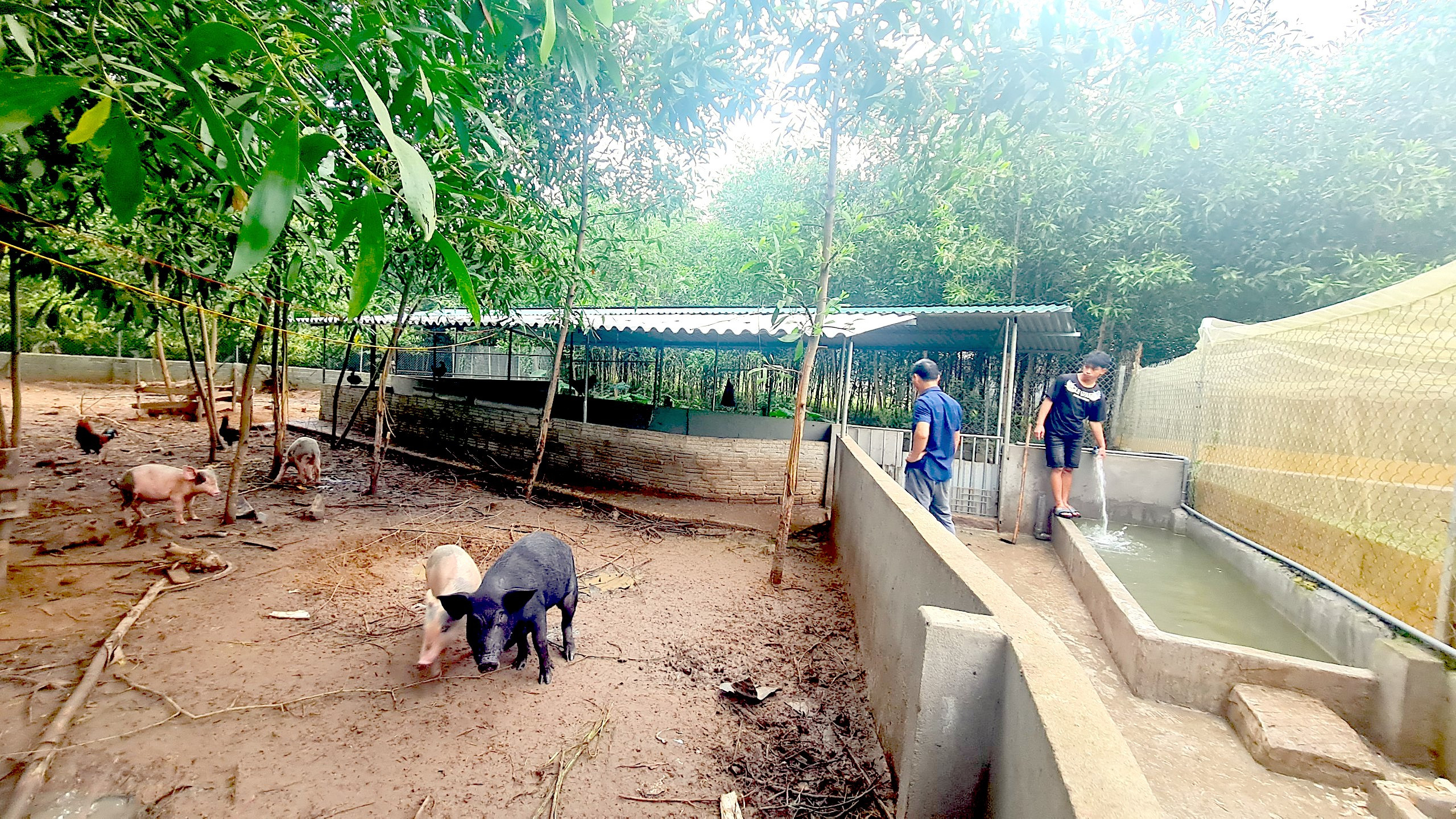
Behind the row of stilt houses used for sleeping, cultural activities, and gong and drum dances, Mr. Le Dong has set aside a fairly large space to build a system of pens for raising black pigs, chickens, ducks, and growing various kinds of herbs and spices.
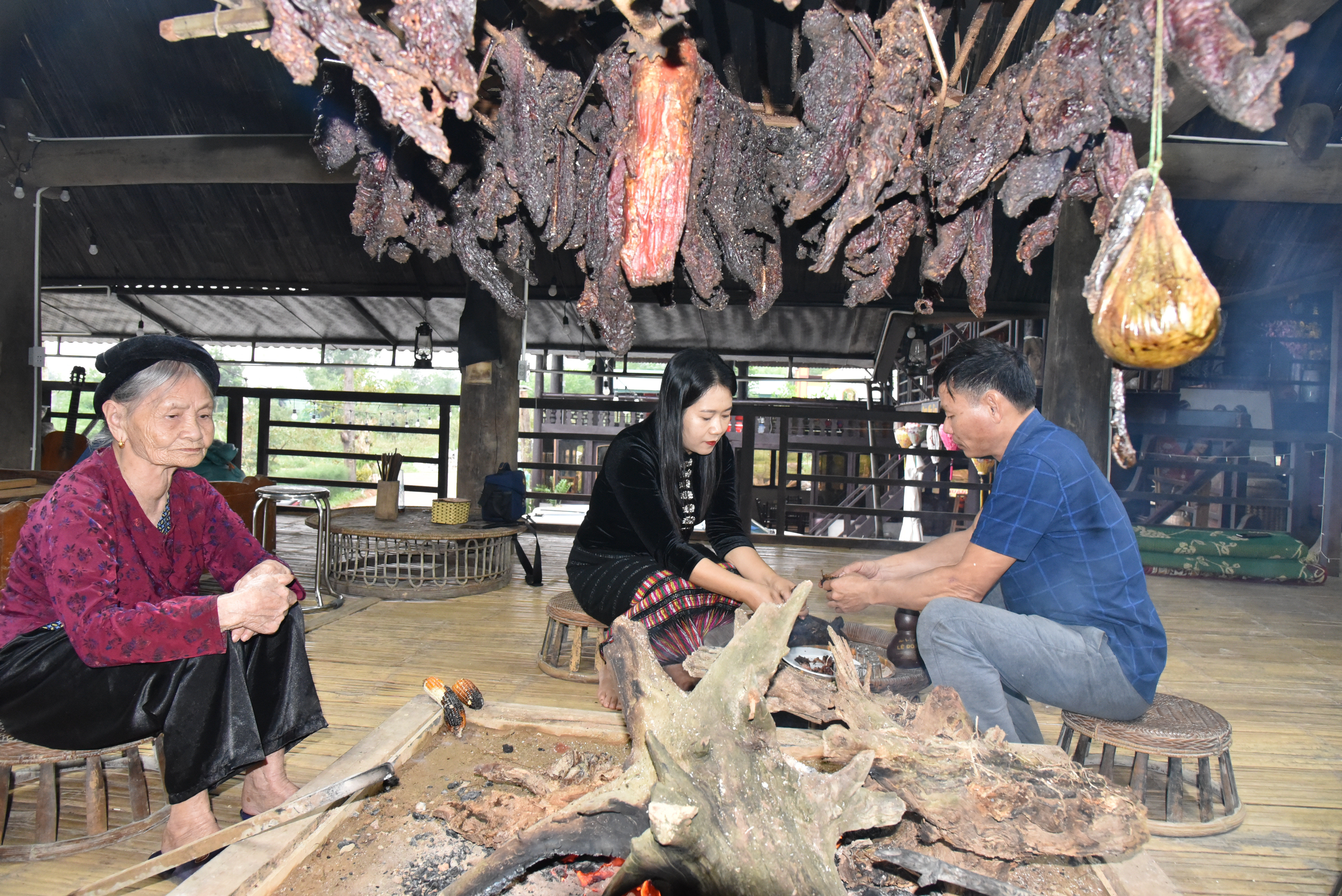
“The homestay's livestock area consistently maintains around 30 black pigs and over 100 chickens. For beef, because the facility is based in a local area with a tradition of raising and trading cattle, the family directly contacts local breeders to ensure quality. In the future, I plan to raise some other specialty animals such as crickets, rat snakes, and bamboo rats. Regarding preparation, most dishes are prepared using the traditional methods of the Thai ethnic group,” said Mr. Le Dong.
Following the trend of self-sufficiency in food to ensure a clean and reliable supply, Mr. Dinh Ba Cuong, owner of Nhat Minh farmstay in Chau Thon commune (Que Phong district), said that since building the experiential tourism destination on the top of Bu Chong Cha slope, he has focused on raising livestock and growing crops to create a food source to serve tourists.
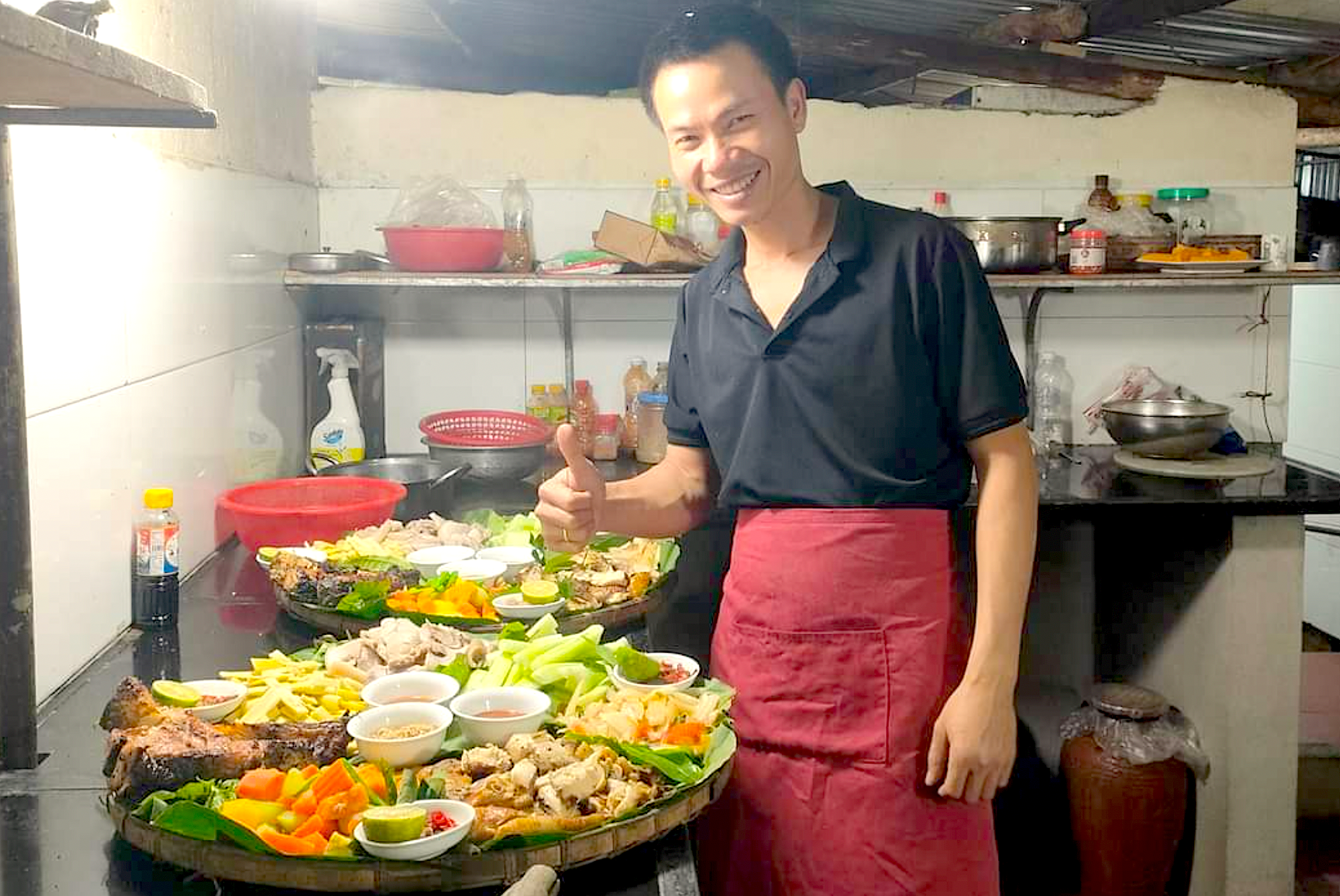
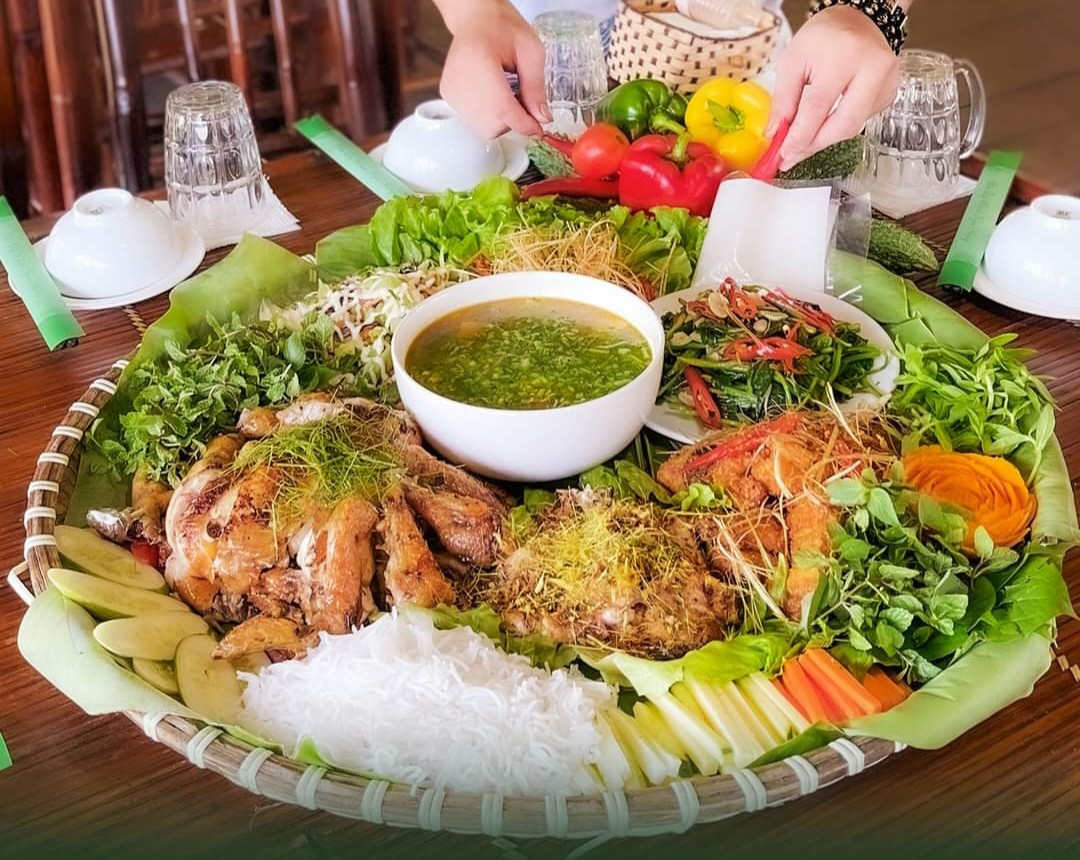
The signature dish on the menu at Nhat Minh farmstay is made from local black pork raised on his family's farm. "Currently, the farm maintains an average of about 150 local black pigs, raised in a staggered manner, not sold to the market. Self-sufficiency in raising livestock ensures a stable supply, provides clean food to improve culinary quality, and avoids livestock and poultry diseases. In addition, the farm grows seasonal vegetables and invests in cultivating flowers," Mr. Cuong explained.
For example, at the Hon Mat Eco-tourism Area in Son Hai hamlet, Nghia Loc commune, Nghia Dan district, according to the owner, the area is now basically self-sufficient in food, such as free-range chicken and pork, and various types of river fish raised in cages, such as catfish and snakehead fish. The facility has also allocated 3 hectares of land for growing flowers and vegetables, 1 hectare for fruit trees, and 1 hectare for medicinal herbs to serve tourists during their visit and experience.
Linking production of clean raw materials
The trend of self-sufficient food supply in community-based tourism destinations is being adopted by most organizations and individuals operating in this sector. According to them, this is a way to both save costs and ensure the quality of the food served at their establishments.
However, not all establishments are capable of growing all types of food themselves. Therefore, in addition to producing some raw materials, mainly livestock and poultry meat, they also seek out sources of food with traceable origins and quality to establish distribution networks.
For example, at the Muong Cuong tourist experience site in Yen Khe commune (Con Cuong district), the owner stated that although the facility has only been operating for over a year and the majority of customers are local residents, the establishment consistently maintains self-sufficiency in food, primarily chicken and freshwater fish. For other items such as pork, beef, goat, and some seasonal vegetables and fruits, the facility directly contacts local households in the commune for supply. This collaboration prioritizes ensuring a clean and high-quality supply.
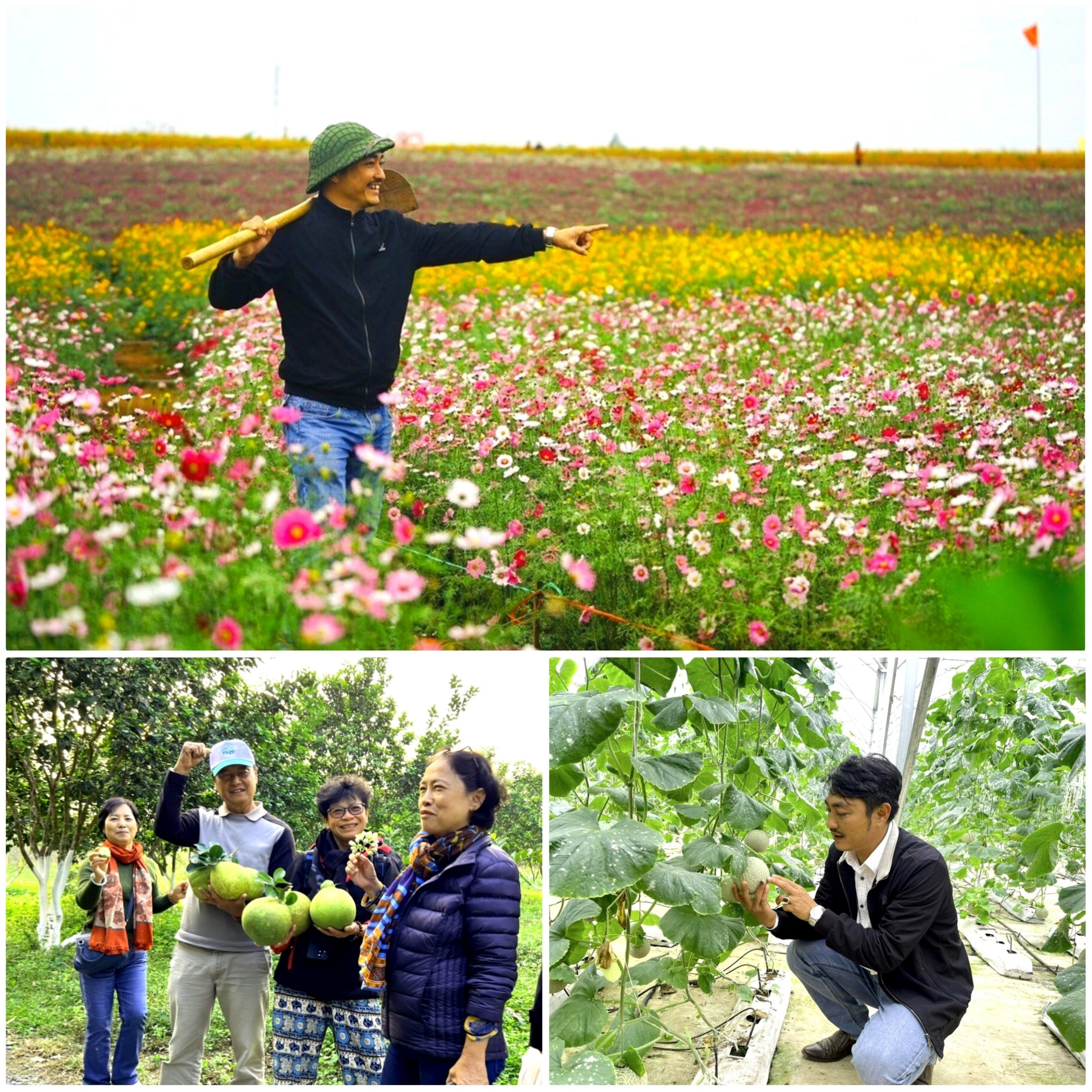
Mr. Le Trung Loi, Vice Chairman of the Yen Khe Commune People's Committee, said that homestays and experiential tourism destinations in the commune have long operated on the principle of self-farming, cultivating crops, and ordering agricultural products from local households. The commune government always encourages and also inspects and controls to ensure the quality of service for local tourists and to guarantee food safety. This is also a regular directive of the Con Cuong District People's Committee in the development of ecotourism and community tourism in localities.
It can be said that ensuring food quality and creating unique characteristics in local culinary culture are among the factors that promote the sustainable and efficient development of the tourism industry, in line with the current green economic development orientation.
Regarding the tourism sector, the Provincial People's Committee has approved the Nghe An Tourism Development Strategy until 2030, with a vision to 2035, in which ecotourism in the western region is one of the key orientations.
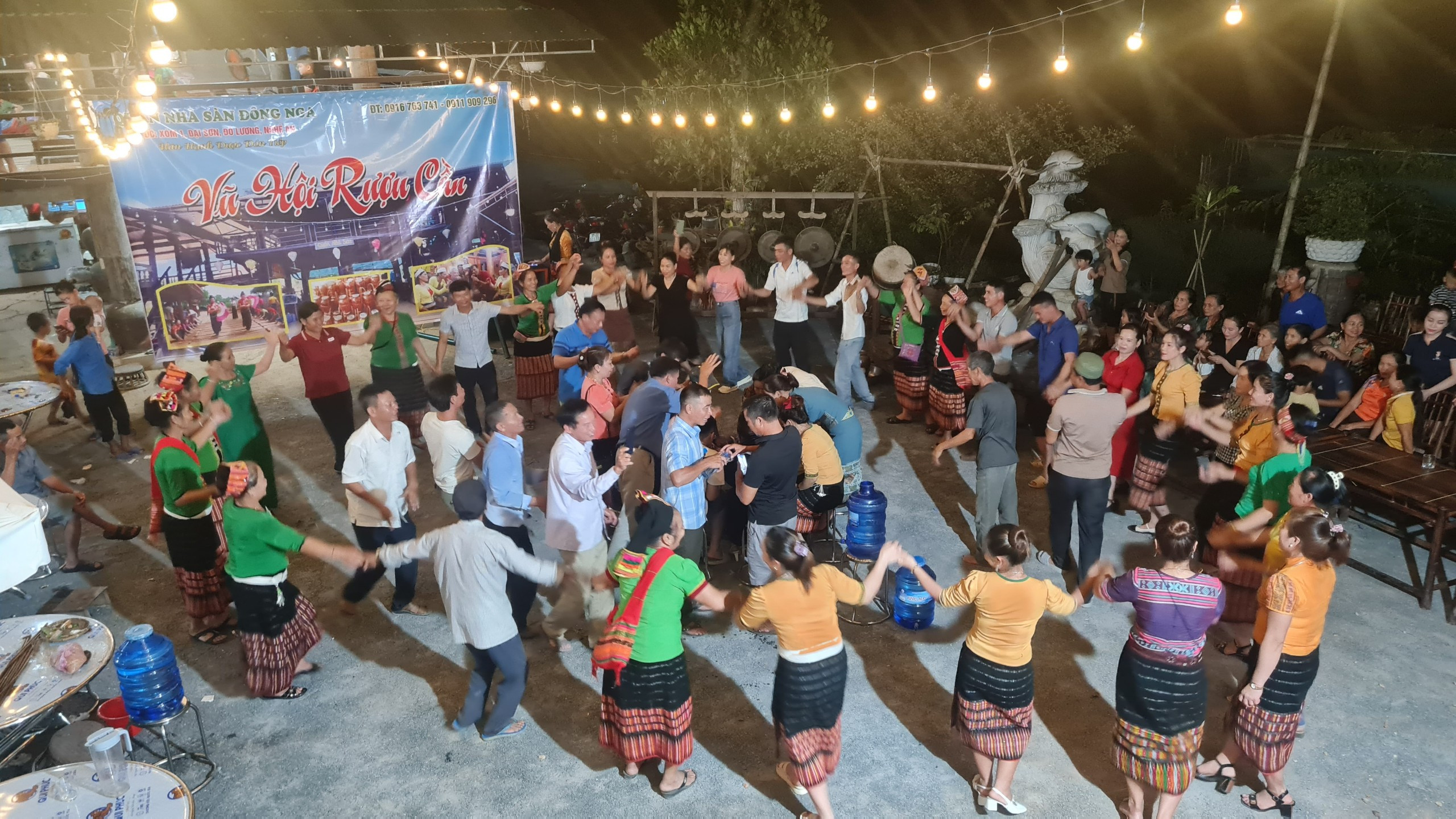
The tourism sector organized a team of experts to conduct surveys, provide consultation, guidance, and support for the development of community tourism in the districts, and to develop ecotourism products. In particular, promoting the unique characteristics of local cuisine while ensuring food safety is a crucial factor. After the survey team assessed and recognized three more tourist destinations, the province now has 27 recognized community and ecotourism destinations.
According to the Provincial People's Committee's summary, tourism in 2023 generally showed more positive signs than in previous years. It is estimated that in the first 10 months of the year, the number of tourists reached 7.3 million, an increase of 23% compared to the same period in 2022; of which, the number of overnight stays reached an estimated 4.68 million, also an increase of 23%. Total revenue from tourism is estimated at 17,149 billion VND, of which tourism revenue is estimated at 6,730 billion VND, an increase of 37% compared to the same period in 2022.


