
Used cars with no mileage are booming in China: risks and stricter regulations needed.
Used cars with 'no mileage' bypass procedures, accounting for 80% of exports, reaching nearly 440,000 vehicles in 2024 and expected to exceed 500,000 in 2025. China tightens regulations to reduce data distortion and reputational risks.
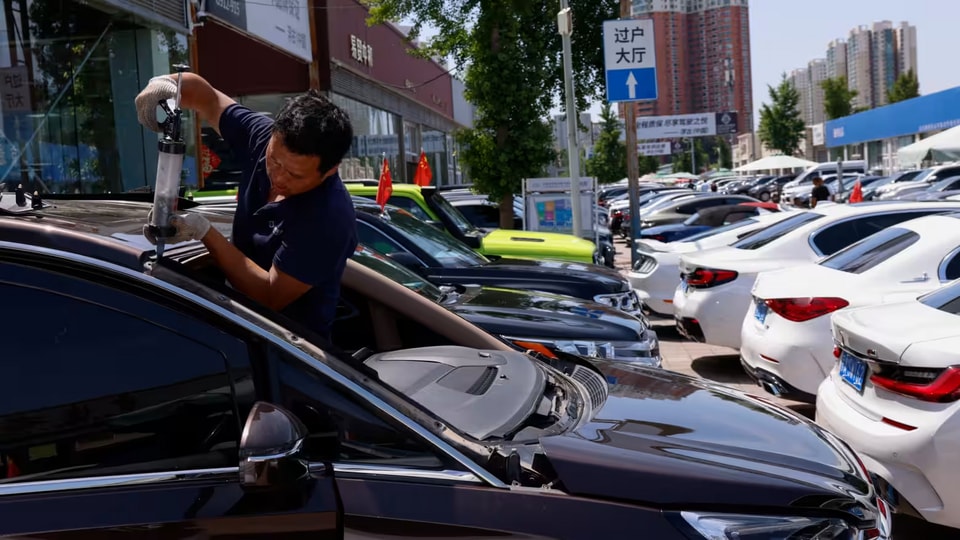
The phenomenon of "used cars with no mileage" is booming in China's automotive exports, distorting sales data and jeopardizing brand reputation overseas. This model exploits legal loopholes to sell nearly new cars as used vehicles, circumventing licensing requirements and after-sales infrastructure needed for new cars, thereby reducing costs and creating room for deep discounts.
What are "used cars with no mileage" and why are they becoming so widespread?
Since 2021, some Chinese companies have discovered they can sell new cars as used cars to circumvent the export procedures for new vehicles, which require official dealerships, a logistics chain, and after-sales service. Exporting used cars doesn't require such complex processes, allowing for significant cost reductions.
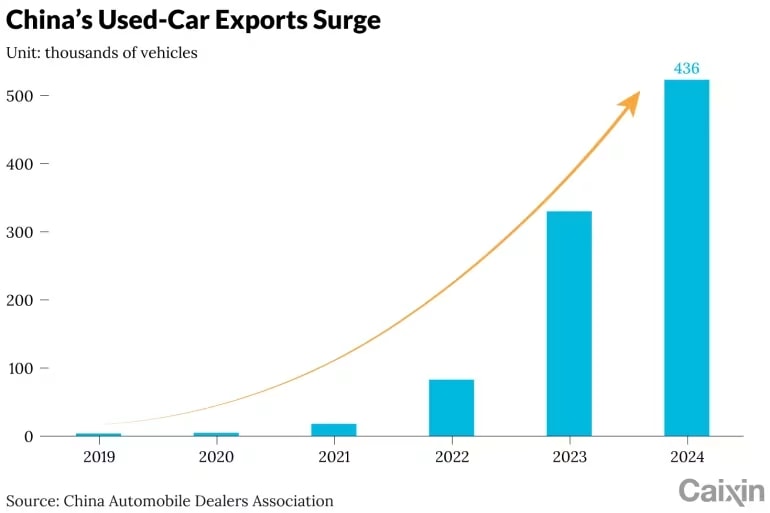
An industry estimate suggests that around 80% of China's used car exports are now "used cars with zero mileage." A car dealer told Caixin that this surge is contributing to a surge in used car exports to nearly 440,000 vehicles in 2024, with shipments expected to exceed 500,000 in 2025, up from around 15,000 in 2021.
Initially, this activity surged in Russia after Western companies left in 2022, then spread to Southeast Asia, the Middle East, and Africa. In these markets, inexpensive Chinese electric vehicles can sell for two to three times the price of domestically produced vehicles, according to Caixin.
Driving force: price wars and domestic incentives
The prolonged price war in the Chinese automotive market has driven costs down, while policies supporting new energy vehicles (NEVs) such as purchase tax exemptions and trade-in subsidies (from April 2024) continue to reduce transaction costs for the "used car with zero mileage" channel.
Structurally, total capacity exceeds demand, and local subsidies for electric vehicle production keep factories running. According to Li Huai (Haishangche Technology), many companies are being forced to cut prices directly or sell vehicles as used cars to keep them running.
Consequences: inaccurate data, unfair competition, post-sales risks.
Publicly, this practice distorts sales data and creates unfair competition. Great Wall Motor chairman Wei Jianjun called it a “chaotic situation,” while Chery Automobile's leader called for a ban because it is “harmful to everyone.”
For companies that have invested in official overseas channels (showrooms, after-sales service), the black market undermines business efficiency. Due to high input costs, legitimate exporters find it difficult to compete on price with nearly new cars sold as used vehicles. When a car breaks down and there is no after-sales service, buyers have to pay for the costs themselves, making it easy to blame the brand, thereby affecting the overall reputation of Chinese cars as consumers have difficulty distinguishing between brands.
As supply increases, profit margins in some markets also decline due to multiple vendors selling the same model. Price differences between stalls are sometimes less than 500 yuan ($70).
Policy hotspot: tightening licensing and blocking "grey" channels
On September 26, China's Ministry of Commerce and related agencies announced that, starting January 1, fully electric passenger vehicles will be subject to the same export licensing regime as internal combustion engine vehicles, plug-in hybrids, and long-range hybrids. The goal is to restrict cheap models lacking after-sales service, reduce harmful competition, and encourage the development of overseas service networks.
Options being considered include: prohibiting the transfer of ownership for six months from the date of registration to prevent immediate re-export; or imposing restrictions through administrative channels such as refusing customs clearance for vehicles registered less than six months ago, vehicles enjoying tax incentives, or vehicles eligible for exchange subsidies. Li Huai suggested that additional conditions could be added when issuing export certificates or verifying transfers.
In the short term, traders are in a wait-and-see mode. Some predict registrations will increase before the NEV tax incentives expire at the end of 2025, triggering another wave of "used car" exports; others believe the gray market will cool down as regulations become clearer and profit margins narrow.
Overseas risks: government and market responses
Importers in Russia and the United Arab Emirates complain that used cars with no mileage are disrupting the market and evading taxes. In 2023, Volkswagen asked the UAE to block the unauthorized registration of the Chinese-made ID-series model, which was harming traders.
In the case of Neta Auto's restructuring, the stalled operations in Thailand led to dealers pursuing outstanding debts, and customers lacked a maintenance channel – highlighting the potential risks when after-sales service is not guaranteed.
Suggested solution: address the root cause and standardize the legal channel.
Experts suggest narrowing the price gap between domestic and international markets by gradually eliminating tax exemptions and local subsidies for electric vehicle purchases, while developing a large-scale, legally compliant used car platform to increase transparency. Japan's used car auction model is an example of balancing efficiency and quality control without requiring significant capital risk from manufacturers.
Japan exports approximately 1.5 million used cars annually; the US exports around 800,000–900,000. Given China's scale, the potential is even greater if the legal channels are standardized.
Key data milestones
| Index | Value |
|---|---|
| The proportion of "used cars with no mileage" in exported used cars. | Approximately 80% |
| Used car exports in 2021 | Approximately 15,000 vehicles |
| Used car exports in 2024 | Nearly 440,000 vehicles |
| Expected shipment in 2025 | Over 500,000 vehicles |
| Price difference between sellers | Under 500 yuan ($70) |
Prospects: a phenomenon of the period
According to Li Huai, "used cars with no mileage" are a product of the current market phase; as official used car exports increase, the informal trade will naturally decrease. Lang Xuehong (CADA) believes the scale of the phenomenon is still small compared to total sales. The goal is to protect the presence and reputation of the Chinese automotive industry globally, while creating a healthy competitive environment.


