
Used electric vehicles: A detailed inspection guide
Battery, range, and warranty are three crucial variables when buying a used electric vehicle. Practical criteria include checking SoH, charging accessories, and service history to mitigate long-term risks.
The used electric vehicle market is booming thanks to improving charging infrastructure and lower ownership costs compared to new cars. However, unlike gasoline cars, the usability of an electric vehicle largely depends on battery condition, software, and charging capabilities. A smoothly running vehicle can still pose risks if the battery is worn out, the warranty is nearing its end, or the charging accessories are incompatible.
This article summarizes key inspection criteria to consider before buying a used electric vehicle, focusing on the battery, range, smart electric features, charging accessories, and service history.
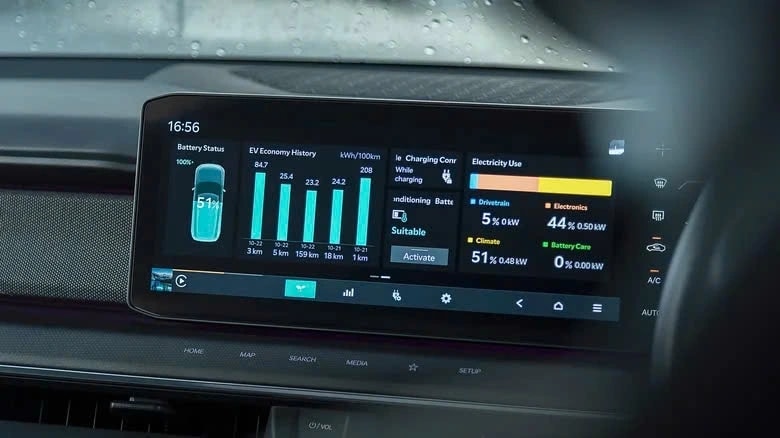
The battery is the "heart": measure SoH before buying.
The battery is the most expensive component and degrades over time. Request a State of Health (SoH) report to see the remaining capacity compared to the original. A practical way to check: charge to 100%, compare the estimated range to the published figures for a new vehicle of the same model. A slight decrease of around 2% is normal; ideally, the vehicle should have at least 80% battery capacity – a threshold generally accepted by manufacturers.
Having a battery still under warranty is a big advantage (usually 8–10 years or 160,000 km). According to Geotab's research on 10,000 electric vehicles, batteries can last 15–20 years with an average degradation rate of about 1.8% per year. This figure is for reference only, as it also depends on ambient temperature, charging habits, and battery management software.
Scope of operations: published figures and actual figures
The range per charge directly reflects the battery's health. Modern cars can exceed 640 km per charge; some models, like the Lucid Air, claim up to 1,200 km. During a test drive, compare the car's estimated range to the original specifications to identify any unusual loss of range.
Quantify your needs: according to the U.S. Department of Transportation, most users travel less than 64 km per day. If you frequently travel long distances, avoid models with low range (such as the Fiat 500e). Also, consider the charging infrastructure in your area to ensure long-term usability.
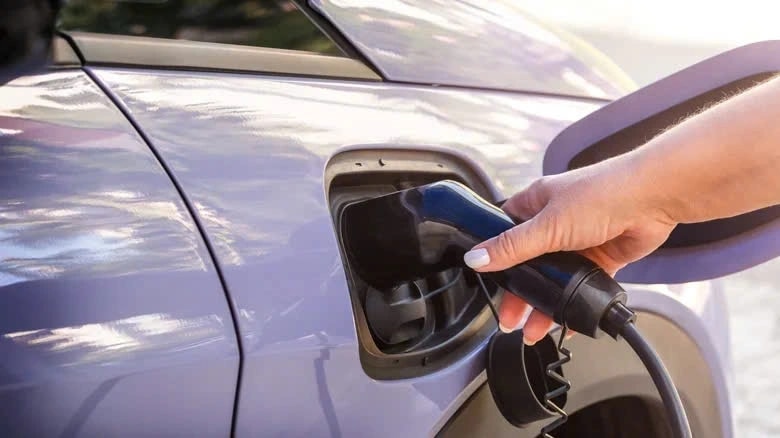
Features and driving experience: test before signing the contract.
Electric vehicles incorporate many unique features. Test them all: the front trunk (if available), USB ports, the driving mode selector, and the vehicle's responsiveness when changing modes. Request a demonstration of the automatic parking or driving assistance features to assess system stability. With higher-level assistance packages, note: if at Level 3, this is not fully autonomous driving; the driver must be prepared to intervene when necessary, and activation depends on local regulations.
Regarding driver assistance systems, check features such as adaptive cruise control (ACC), Stop & Go, lane keeping assist, and blind spot monitoring; if the vehicle is equipped with radar and lidar sensors, ensure consistent operation. Regenerative braking is also crucial: an adjustable system will directly impact driving feel and energy efficiency. For vehicles with vehicle-to-load charging from manufacturers like BYD, Kia, Nissan, or Ford, test powering a small device to confirm functionality.
Chargers and accessories: Don't overlook these small but expensive items.
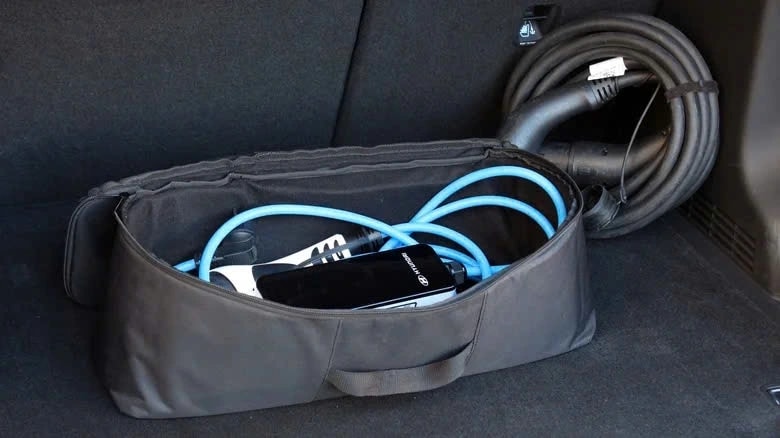
After confirming the battery and operation, check the included charger. Level 1 charging cables typically use a standard household outlet with a power output of approximately 1.3–2.4 kW. Some vehicles come with a Level 2 cable (requiring a wall charger); if it's still working properly, this will significantly reduce the cost of a new one. Don't forget to test the portable charger to ensure safe and stable current conversion.
Inspect the cable carefully: if it's cracked, frayed, or worn, replace it for safety. Check that the charging port cover is tightly sealed to protect against dust and moisture.
Maintenance and service history: Don't neglect them just because they're "less frequently maintained."
Electric vehicles have fewer moving parts, but still require regular maintenance: checking sensors, batteries, brakes, updating software, and replacing filters. Many owners are negligent, leading to hidden wear and tear that is difficult to detect early. When buying, request a complete maintenance record, clearly detailing items replaced and when they were performed; check tire rotation and alignment to maintain traction and performance.
If possible, have an authorized dealer or certified facility inspect the vehicle before purchase – this can save you thousands of dollars in repair costs later. Note that vehicle repair costs in the U.S. have increased by more than 15% year-on-year due to older vehicles, parts shortages, and labor shortages.
Summary of quick test criteria
| Category | Milestones should be included. | Key notes |
|---|---|---|
| Battery status (SoH) | ≈ 80% or more | Compare the estimated range after 100% charge with the original specifications. |
| Battery warranty | 8–10 years or 160,000 km | A warranty is an advantage in terms of risk cost. |
| Natural decline | ≈ 1.8%/year | According to Geotab research, usage conditions are a factor. |
| Scope of operation | A slight decrease of approximately 2%. | If the degradation is significant, consider replacing the battery or choosing a different vehicle. |
| Charging accessories | Cable L1 1.3–2.4 kW; L2 may be included. | Test the portable charger; check the cable and the charging port cover. |
| ADAS and its features | ACC Stop & Go, parking, V2L (if available) | Practical demonstration required; Level 3 does not offer fully autonomous driving. |
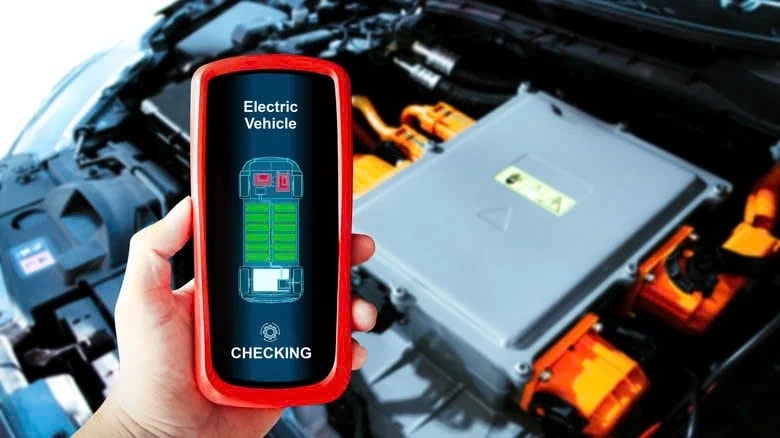
Use value and demand positioning
Determine your travel frequency, charging habits, and the infrastructure of your area. If you mainly travel less than 64 km/day, a medium range is sufficient. Those who frequently travel long distances should prioritize models with a large range and convenient charging networks; avoid models with low ranges for long-distance travel.
Conclusion: Choose the right car, optimize costs.
Buying a used electric vehicle is a smart and economical choice if you check the right things: SoH and battery warranty, range, electric-smart features, charging accessories, and service history. An independent inspection before buying will help filter out costly risks, ensuring a cost-effective and safe long-term investment.


