
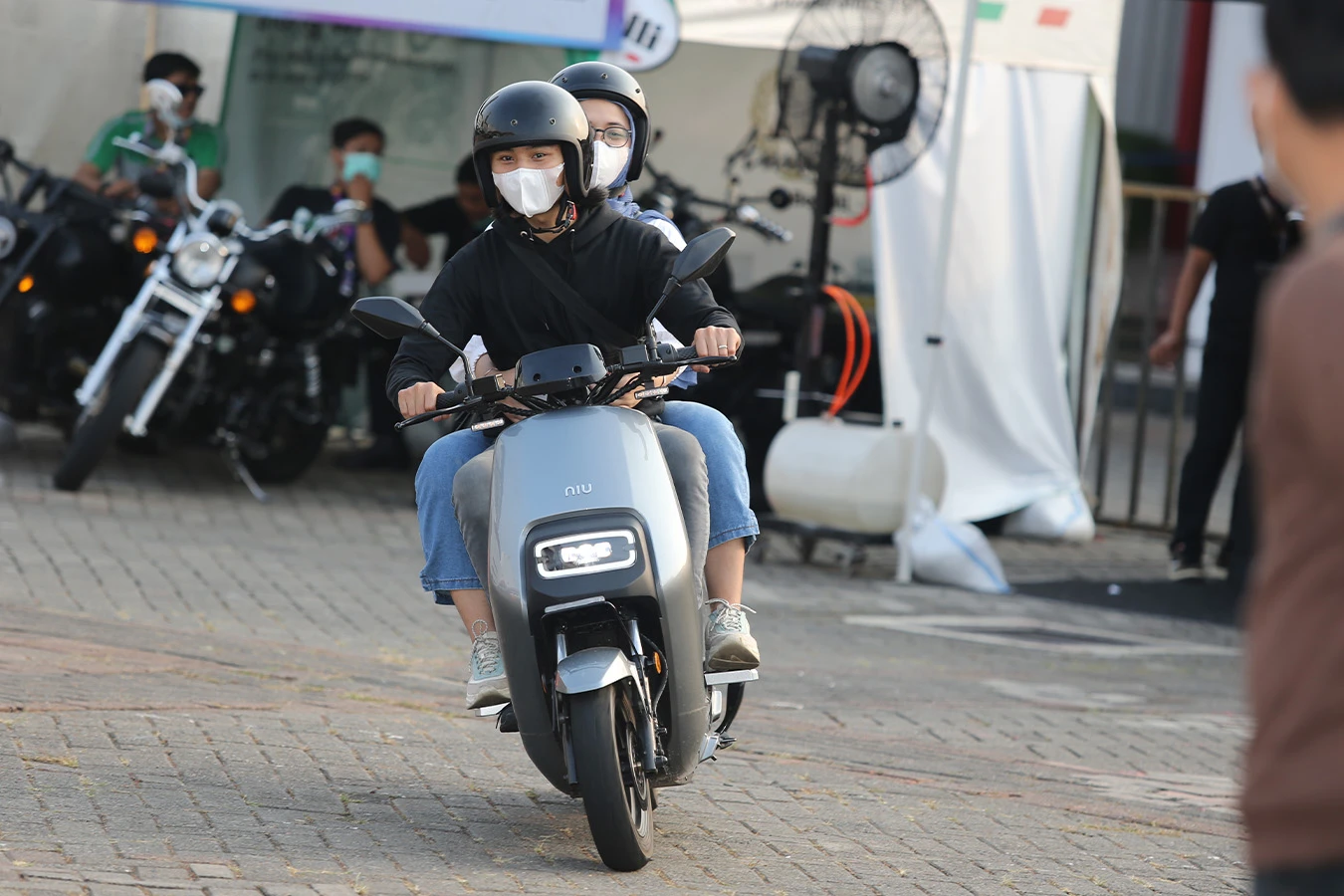
Electric scooters are booming in Macau, but are hampered by a lack of charging stations.
Macau has increased the proportion of electric motorcycles to 40.7% thanks to subsidies of up to 8,800 pataca, but currently has only 630 charging points and 8 battery swapping stations for over 5,000 vehicles. A shortage of technicians threatens to stall the electrification process.
Macau is accelerating its transition to electric motorcycles, with its market share reaching 40.7%. However, the charging network and technical workforce are not keeping pace with this growth, creating new bottlenecks in urban life.
According to the Macau Daily Times, experts warn that the existing number of charging points is insufficient and poorly distributed, while there is a shortage of technicians knowledgeable about electric vehicles. This risks stalling the "greening" of vehicles, despite strong support policies from the government.
Rapid growth, but infrastructure lagging behind.
This month, the Macau Department of Environmental Protection (DSPA) launched a new phase of its five-year subsidy program to encourage people to switch from gasoline-powered motorcycles to electric ones. Participants can receive up to 8,800 pataca (over US$1,100) along with fee discounts.
Thanks to previous support programs, the proportion of electric motorcycles increased from 2% to 40.7%. In the period of 2022–2023 alone, 1,457 old vehicles were recalled and 1,210 new electric motorcycles were registered. However, charging infrastructure has grown slowly: currently, the special administrative region has 630 charging points located in 49 public parking lots and 8 battery swapping stations to serve over 5,000 registered electric motorcycles.
| Index | Value |
|---|---|
| Electric motorcycle market share | 40.7% |
| Maximum allowance per person | 8,800 pataca (over $1,100) |
| Public charging points | 630 parking spaces at 49 lots. |
| Battery swapping station | 8 stations |
| Electric motorbike registration | Over 5,000 vehicles |
| Used car recall (2022–2023) | 1,457 vehicles |
| Newly registered electric vehicles (2022–2023) | 1,210 vehicles |
Harsh climate and the urban space challenge
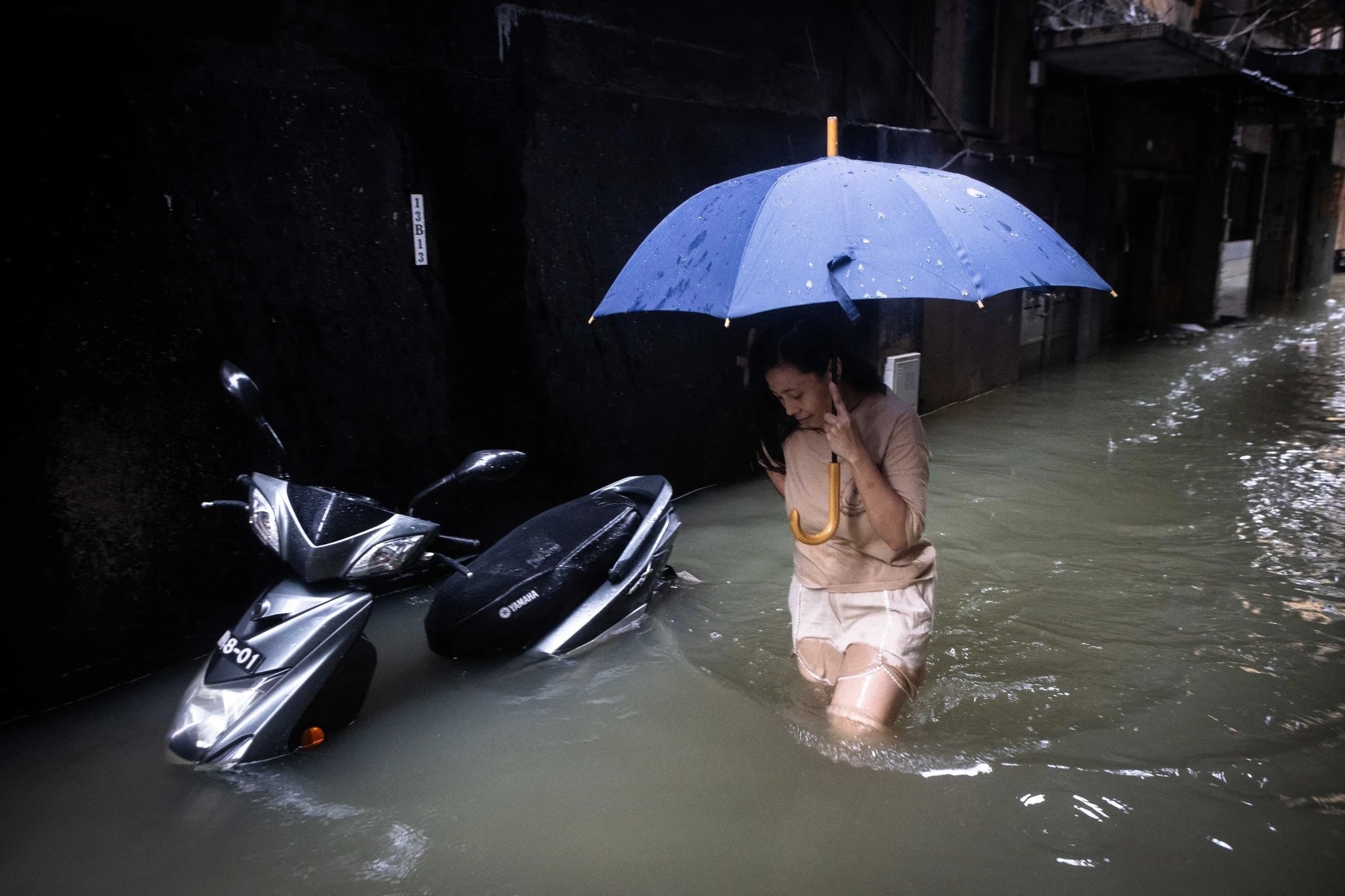
Macau is located in a region directly influenced by the East-West Pacific Ocean, where tropical storms are frequent. The risk of flooding complicates the expansion of the charging network, requiring higher flood protection and electrical safety standards.
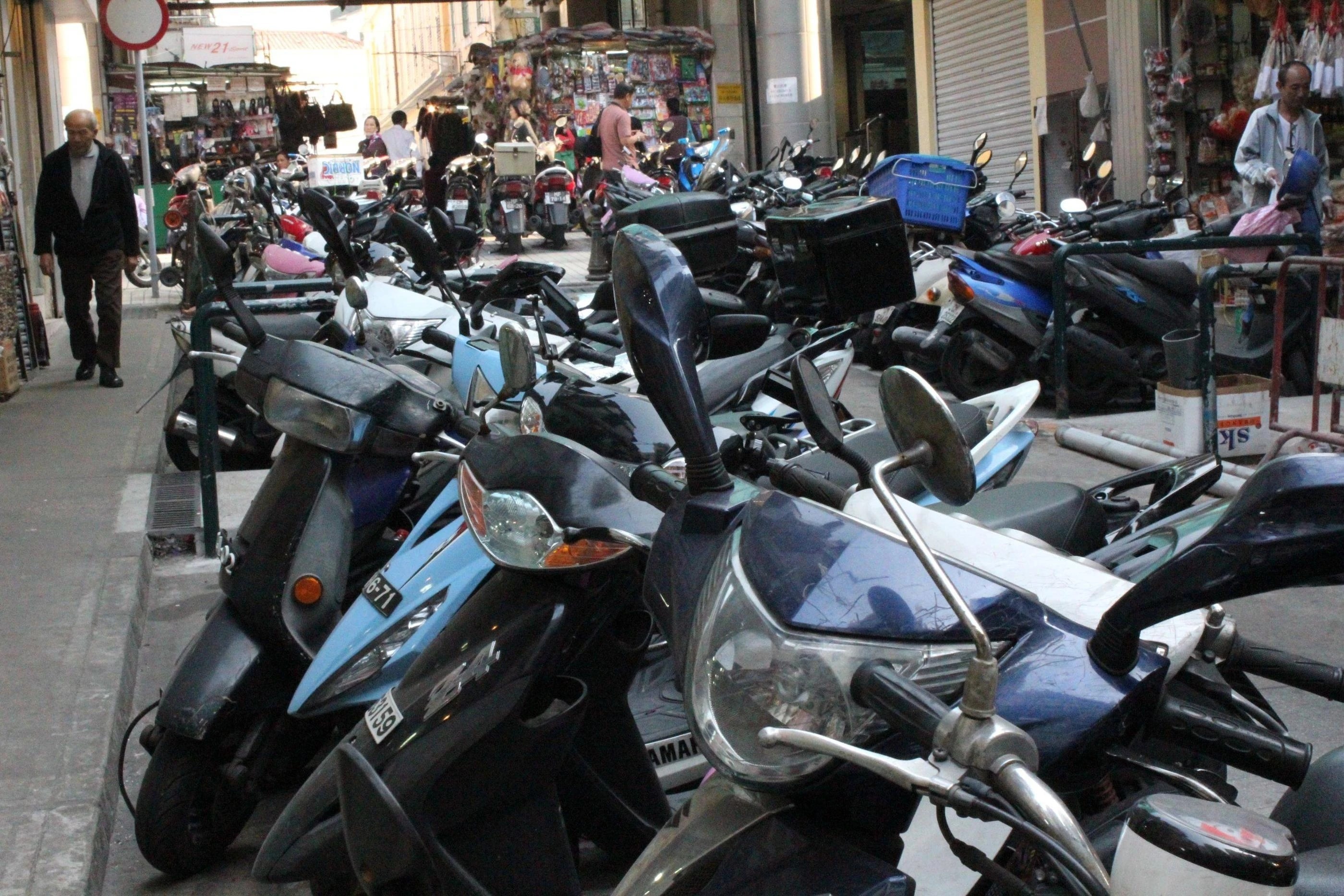
Ung Ka Fei, a representative of the Macau Motorcycle Professionals Association, stated that the current charging system is both insufficient in number and poorly distributed. Private parking lots are almost entirely lacking in charging points, leaving users dependent on already overloaded public infrastructure.
A shortage of technicians in a fragmented market.
Not only is there a shortage of charging stations, but repair and maintenance services are also under pressure. Lei Chong Sam, Chairman of the Macau Environmental Protection Electric Motorcycle Traders Association, noted that the biggest problem right now is the extremely limited number of charging stations, while the number of technicians with in-depth knowledge of electric vehicles is very small.
The electric motorcycle market in Macau currently features 179 models from nearly 50 brands. This product diversity offers consumers many choices, but it also makes training and standardizing repair and maintenance procedures more challenging, especially given the differences in electrical and electronic systems between manufacturers.
Subsidy policies need to go hand in hand with infrastructure and human resources.
Government support packages have provided a clear impetus, but if infrastructure is not upgraded and properly distributed, the benefits could be negated by long charging times, higher operating costs, and safety risks from flooding. Observers believe that without soon expanding the charging network and training personnel, Macau's ambition to electrify its motorcycle fleet will slow down.
The immediate focus, according to experts, is to increase the number of charging points in public parking lots, gradually equip private parking lots, and expand technician training to ensure after-sales service keeps pace with the growing number of vehicles.
Short conclusion
- Highlight: The proportion of electric motorcycles has rapidly increased to 40.7% thanks to subsidies and incentives.
- Bottleneck: 630 charging points and 8 battery swapping stations are insufficient to serve more than 5,000 vehicles; their distribution is not optimal.
- Risks: A shortage of technicians and flooding challenges could slow down the electrification process.
- Prerequisite: Expanding the charging network and training personnel must go hand in hand with supportive policies.


