
Xiaomi 17T Pro and 185Hz display: An analysis of the new advancement.
Leaked information suggests that the Xiaomi 17T Pro may be equipped with a 185Hz display, a move aimed at competing in the gaming smartphone segment and setting a new display standard.
According to the latest information, Xiaomi is reportedly developing the 17T Pro with a notable upgrade: a display with a refresh rate of up to 185Hz. If this becomes a reality, it would be a significant step forward, not only for the company's "T" product line but also for the smartphone market, especially in the gaming sector.
The meaning of a 185Hz refresh rate.
For many years, 120Hz displays were considered the gold standard, offering the optimal balance between smooth image display and power consumption. However, in the race for technological advancement, manufacturers are constantly seeking to surpass this limit to gain a competitive advantage.
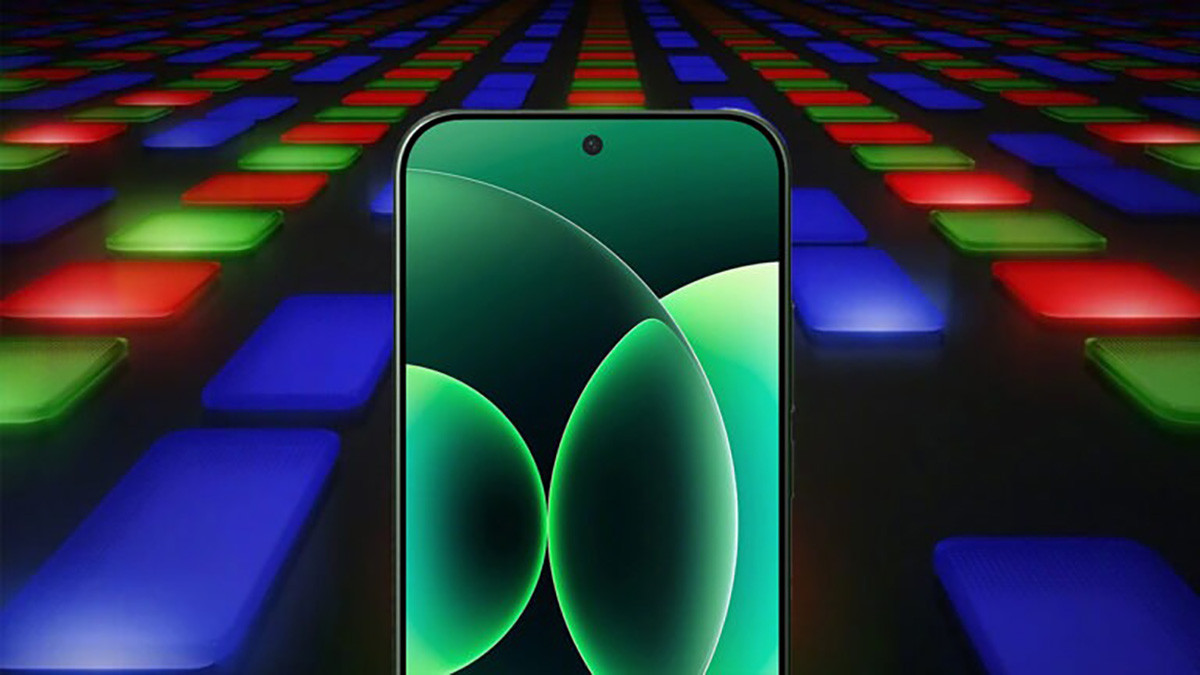
185Hz monitors aren't geared towards the everyday needs of most users, where the difference from 120Hz is barely noticeable. Instead, they're designed for competitive gaming environments. The higher refresh rate minimizes screen tearing and motion blur, while also increasing touch responsiveness. For professional gamers, these improvements can provide a decisive advantage in high-speed matches.
Competitive dynamics and technical infrastructure
Xiaomi's consideration of equipping its products with 185Hz displays is seen as a strategic move to maintain its position in the mid-range and high-end smartphone segments. As competitors continuously push display standards higher, possessing such an impressive specification will help Xiaomi's products stand out.
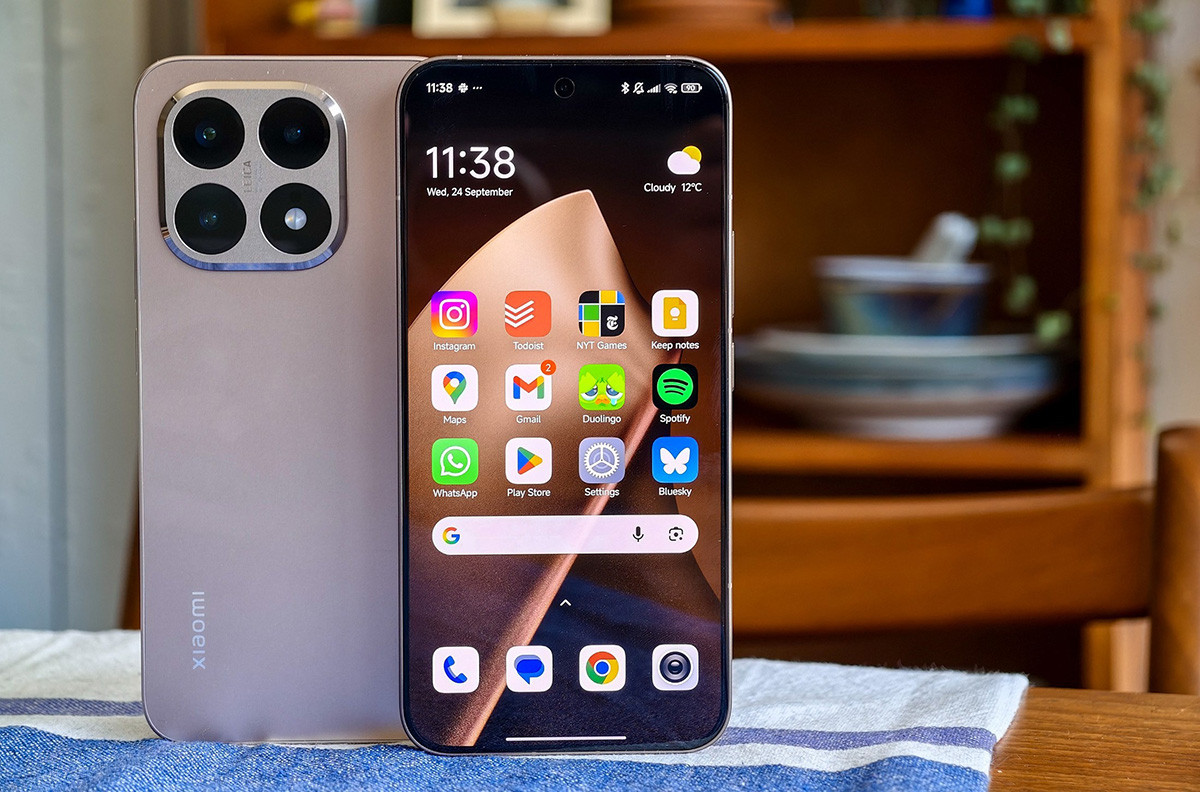
Leaked information suggests that the Xiaomi 17T series will be developed based on the Redmi K90 Ultra platform. The Redmi smartphone is rumored to use a 165Hz display. Therefore, Xiaomi upgrading the display to 185Hz for the international version of the 17T Pro is a logical possibility, aiming to create differentiation and better meet user expectations, especially those of the gaming community.
Challenges and prospects
While offering benefits in visual experience, ultra-high refresh rate displays also come with the biggest challenge: power consumption. Optimizing software and battery capacity will be key to ensuring reasonable usage time. If Xiaomi can solve this problem, equipping its "T" series with a 185Hz display would be one of the most valuable improvements in recent years.


