
Xiaomi stopped providing software updates for the Xiaomi 12 Lite, 12S Pro, and Redmi Note 12R starting in August.
Xiaomi has officially added the Xiaomi 12 Lite, 12S Pro, and Redmi Note 12R to its list of devices that will no longer receive software updates, meaning they will no longer receive regular security patches.
Xiaomi's Security Center has officially updated its list of devices entering the End of Life (EOL) phase. Accordingly, three familiar phone models – the Xiaomi 12 Lite, Xiaomi 12S Pro, and Redmi Note 12R – will no longer receive operating system updates or regular security patches.
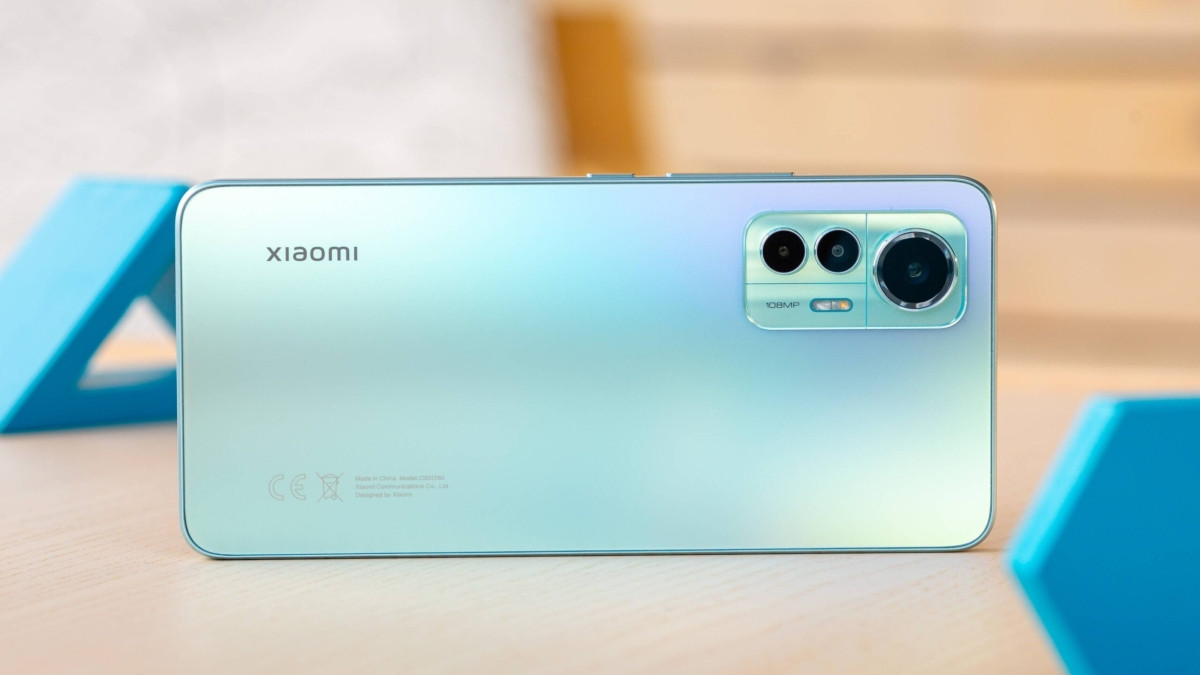
Specific update deadlines for each device model.
According to data released by the company, each device on this EOL list will end at a different operating system version depending on the product roadmap:
- Xiaomi 12 Lite:This officially marks the end of the software lifecycle for the HyperOS 1 operating system.
- Xiaomi 12S Pro:Updates have stopped at HyperOS 3.
- Redmi Note 12R:Receive the final upgrade, HyperOS 2.2, before maintenance ends.
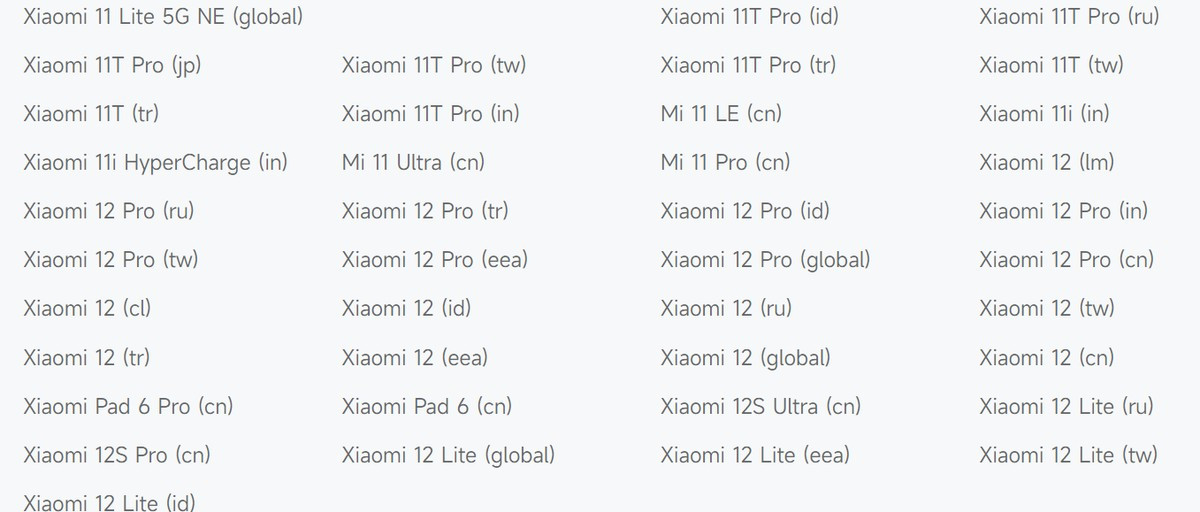
The impact of the EOL state on the device.
The decision to place the devices on the EOL list means Xiaomi will stop providing annual operating system upgrades and monthly security patches. The company will also cease accepting or processing reports of security vulnerabilities related to these models.
Although the phone may still function normally, the lack of new patches increases the risk of information security breaches against online threats. Furthermore, the device's compatibility with new applications on the app store may gradually decrease over time. However, Xiaomi notes that in the event of discovering a particularly serious security vulnerability, they may still release an emergency patch.
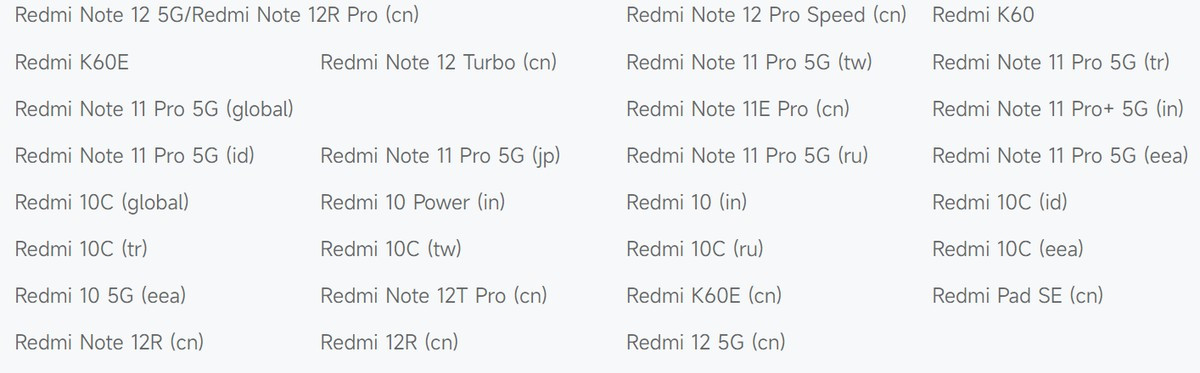
HyperOS product lifecycle and operating system direction
Typically, Xiaomi's mid-range and upper-mid-range smartphone models have an update support cycle of about 2 years. Previously, the company's EOL (End of Life) list also included the entire Xiaomi 11 series, the Xiaomi 12 Pro Dimensity chip version, and the Xiaomi Pad 5 tablet.
This move is part of the device lifecycle management roadmap, allowing the company to focus its technical resources on developing and optimizing the next-generation Xiaomi HyperOS operating system across current and future product lines.


