
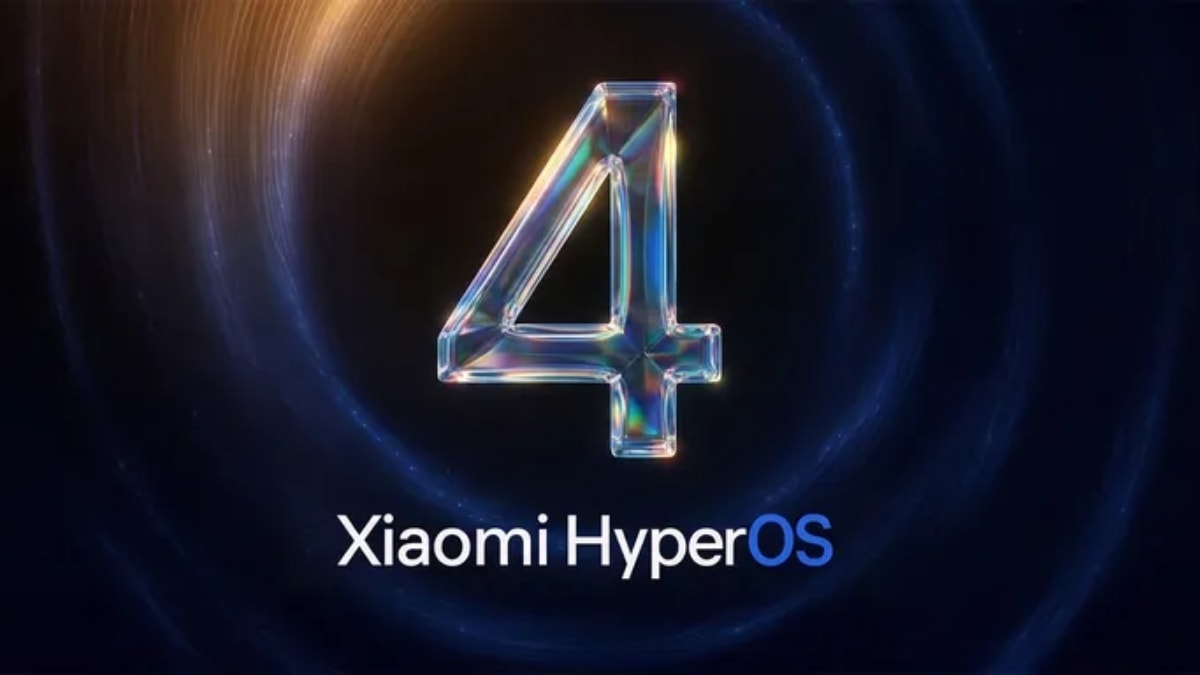
Xiaomi HyperOS 4 reveals a new Liquid Glass interface based on Android 17.
HyperOS 4 is expected to completely change the aesthetics with its Liquid Glass design language, bringing superior blurring effects and depth to high-end devices.
Xiaomi's software ecosystem is preparing for a major visual transformation. According to reliable leaks from the tech community, the upcoming HyperOS 4 version, running on Android 17, will adopt a completely new user interface design language called Liquid Glass. This move shows Xiaomi's alignment with Google's new design trend, as the recent Android mascot also features characteristics of transparent materials.
Liquid Glass design language and the evolution of the HyperOS interface.
Known for its skillful blend of iOS's smoothness and Android's versatility, Xiaomi has begun laying the groundwork for this ambitious interface transition. Evidence of the Liquid Glass effect has now been discovered in a test version of the system keyboard app.
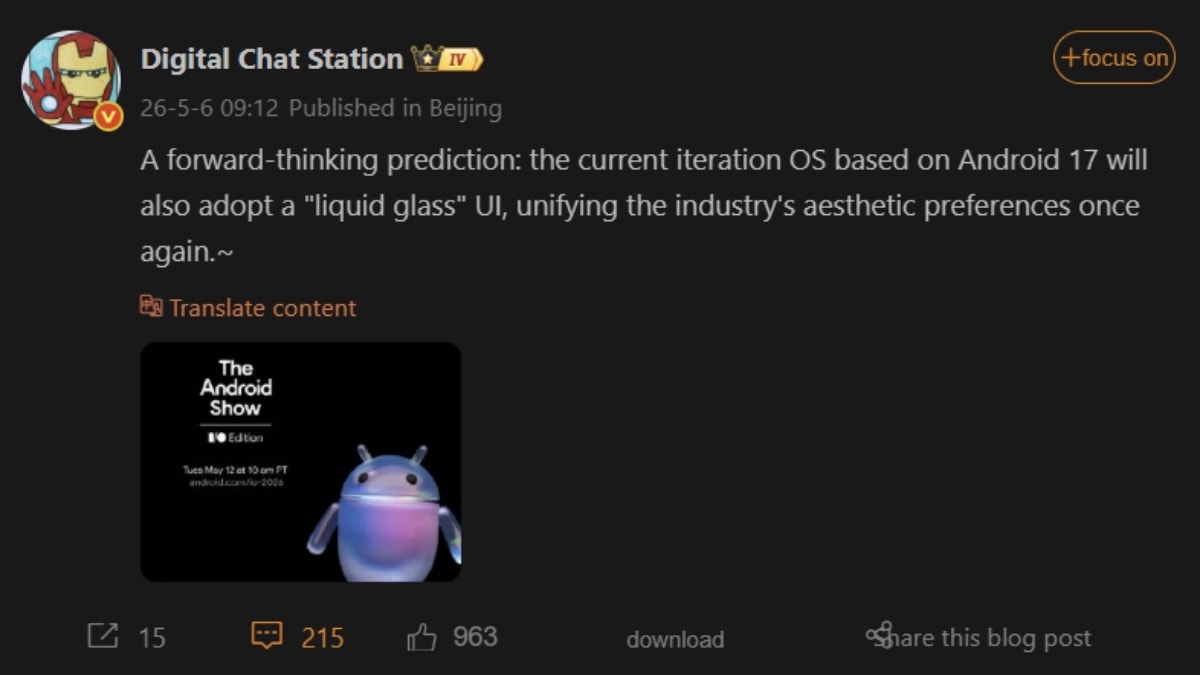
At its core, Liquid Glass lies in upgrading the blurring system to a more sophisticated and advanced level. Instead of monotonous blurred areas, the new interface creates a realistic depth of field, mimicking how light passes through transparent glass. This not only makes the interface look more luxurious but also helps to naturally separate layers of information, reducing visual clutter for the user.
Performance challenges and hardware hierarchy strategies
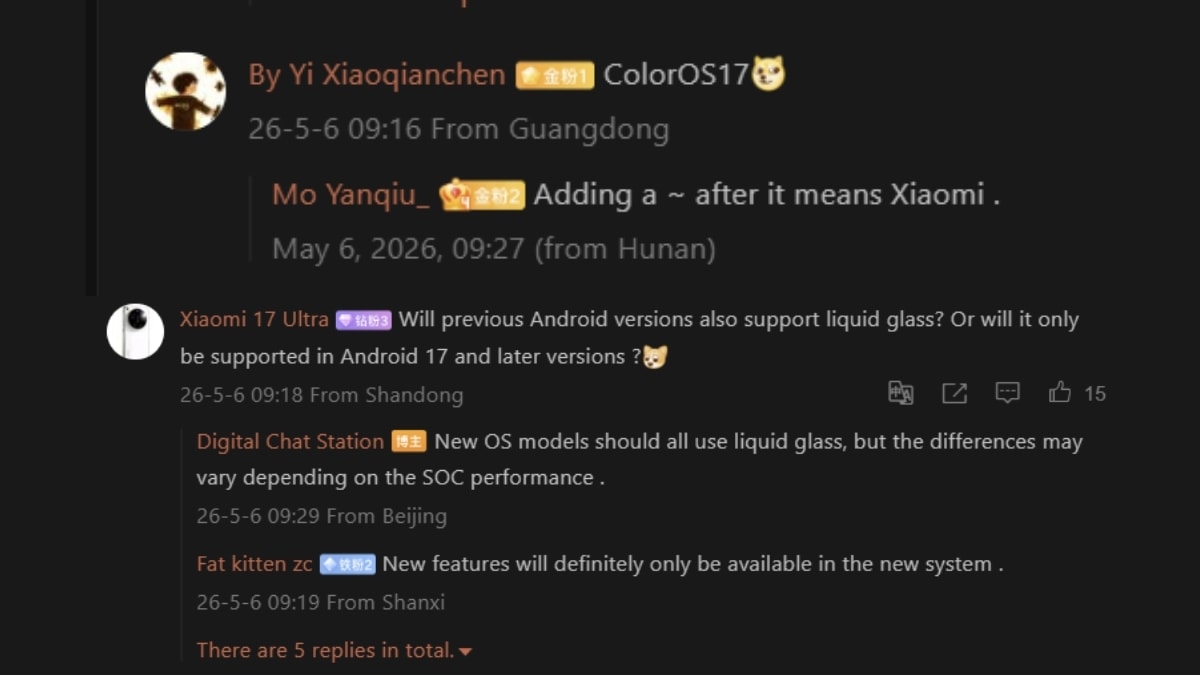
Although Liquid Glass offers impressive visuals, executing these graphic effects requires significant GPU (graphics processing unit) processing resources. Real-time blurring algorithms and liquid glass texture creation require powerful computing capabilities to maintain stable frame rates, avoiding lag and excessive battery drain.
For this reason, Xiaomi plans to implement a tiered user experience strategy based on the actual performance of each model. Specifically:
- High-end and mid-range models:You will experience the full Liquid Glass effect with its depth and high aesthetic appeal.
- Mid-range and budget-friendly models:You might only receive a simplified (Lite) version of the interface to ensure system stability and smoothness.
Below is a list of devices expected to fully support HyperOS 4 features:
| Product line | Typical models |
|---|---|
| Xiaomi Series | Xiaomi 17, Xiaomi 17T, Xiaomi 15, Xiaomi 15T Pro, Xiaomi 14, Xiaomi 13 |
| POCO Series | POCO F7, POCO F8 series |
Deployment roadmap and readiness
Currently, the Developer Preview of Android 17 is officially available on some newer models such as the Xiaomi 17 and Xiaomi 15T Pro. This is an important step for software engineers to optimize the Liquid Glass language before releasing the stable version for global users.
Xiaomi's proactive approach to prioritizing interface graphics based on hardware power is considered a pragmatic decision. This prevents older devices from becoming overloaded with hardware, while also creating a distinct and premium value proposition for the company's high-end flagship models and its sub-brand POCO in the future.


