
Xiaomi loses $5,600 for each electric vehicle sold in the first quarter of 2026.
Despite achieving $2.9 billion in electric vehicle revenue with a 6.6% sales growth, Xiaomi still recorded an operating loss of $457 million in the first quarter of 2026 due to rising component costs.
Xiaomi Group has officially released its Q1 2026 financial report, revealing a contrasting picture between sales and profits in its smart electric vehicle (EV) segment. During this period, the company's EV and artificial intelligence (AI) innovation segment generated revenue of 19.9 billion yuan (approximately $2.9 billion). However, the unit still incurred an operating loss of 3.1 billion yuan (approximately $457 million).
With a total of 80,856 vehicles delivered in the first quarter, Xiaomi averaged a loss of approximately $5,600 per vehicle sold. This represents a significant increase compared to the $900 loss per vehicle in the same period last year.
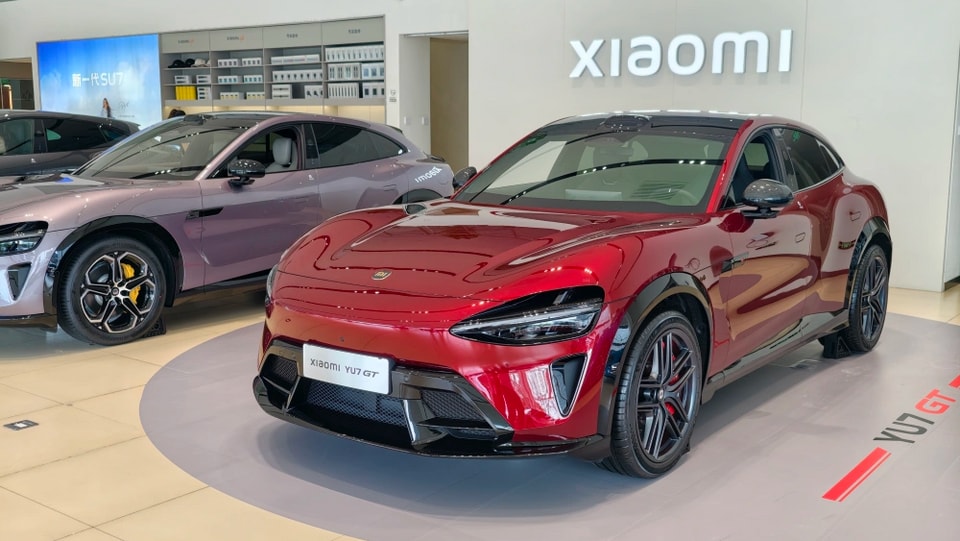
The boom of the YU7 line and the transition to the SU7 generation.
Despite pressure on profitability, Xiaomi's sales maintained growth momentum. Total vehicle deliveries in the quarter reached 80,856 units, a 6.6% increase compared to the 75,869 units delivered in the first quarter of 2025. Revenue from smart electric vehicles alone reached 19 billion yuan (US$2.8 billion), with an average selling price of approximately 235,000 yuan (US$34,600) per vehicle.
This growth was driven primarily by the new YU7 model, which reached a cumulative delivery milestone of 232,000 units in just 10 months after its launch. Meanwhile, the first-generation SU7 sedan has ceased production to make way for a new generation. As of May 6th, the new SU7, launched in March, had received over 80,000 orders.
| Financial figures for Q1/2026 | Value (in Chinese Yuan) | Value (USD converted) |
|---|---|---|
| Revenue from the EV & AI segment | 19.9 billion | 2.9 billion |
| EV operating losses | 3.1 billion | 457 million |
| Average selling price per vehicle | 235,000 | 34,600 |
| Average loss/car | But | 5,600 |
Reasons for the decline in profit margins
The gross profit margin for the electric vehicle and AI technology segment this quarter reached 20.1%, down from 23.2% in the same period last year. According to Xiaomi's explanation, this decline stems from three main factors: the impact of vehicle purchase tax subsidy programs, lower-than-expected delivery rates of the SU7 Ultra model (a high-margin version), and increased costs of core components.
In terms of price segment, the new YU7 GT, launched on May 21st, is positioned in the premium segment with a starting price of 389,900 yuan (US$57,300). The standard YU7 version is more affordable, starting at 233,500 yuan (US$34,300).
To maintain competitiveness and support its long-term growth plan, Xiaomi continues to rapidly expand its retail network. As of the end of March, the company had 490 stores in 143 cities across mainland China. This expansion is expected to help the company optimize operating costs and improve profitability in the following quarters of 2026.


