
Xiaomi SU7 Ultra: A look back at the controversial carbon fiber hood.
The Suzhou court upheld the ruling in the "false advertising" case against the SU7 Ultra: a refund of 20,000 RMB, compensation of 126,000 RMB, and 10,000 RMB in legal fees; at least 300 customers are demanding their rights.
A recent ruling by the Suzhou Intermediate People's Court (Jiangsu) has rejected Xiaomi Auto's appeal in a "false advertising" case concerning the carbon fiber hood on the SU7 Ultra. The case centered on the advertised "dual air duct design" intended to direct airflow for cooling the wheels, but customers reported that this feature was almost entirely ineffective as advertised.
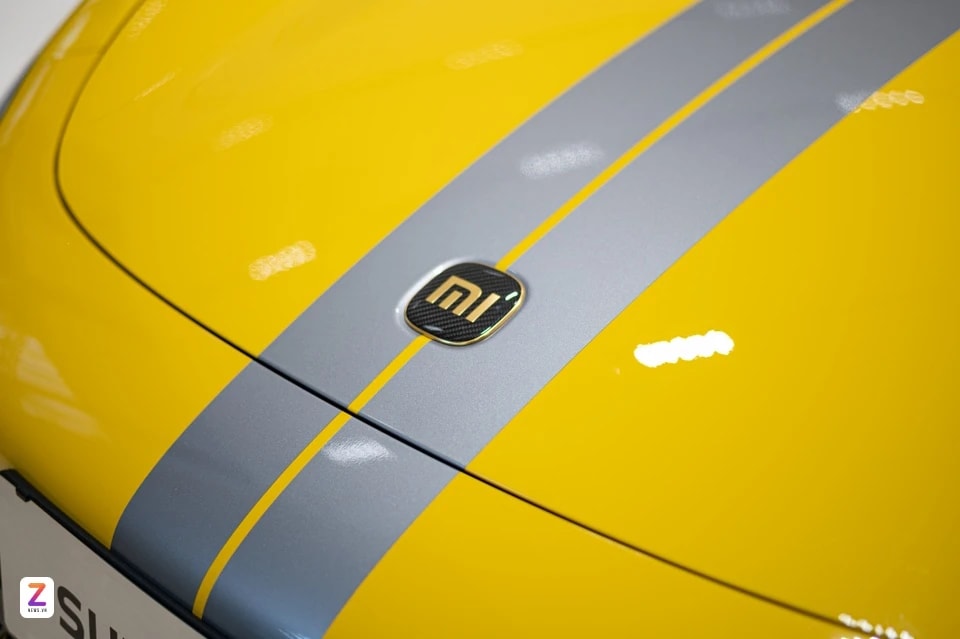
The ruling and key developments
According to Autohome, the court ordered Xiaomi Auto to return the 20,000 RMB (US$2,800) deposit to the plaintiff, pay 126,000 RMB (US$17,640) in compensation, equivalent to three times the price of the optional accessories, and also pay 10,000 RMB (US$1,400) in legal fees. The lower court's ruling was upheld after appeal.
Summary timeline
- Customers are complaining that the "dual air ducts" on the carbon fiber hood of the SU7 Ultra do not function as advertised for cooling the wheels.
- After receiving the car, the user reported that the internal structure of the carbon fiber hood is almost identical to the standard aluminum hood, only about 1.3 kg lighter.
- On May 7th, Xiaomi Auto offered two options: exchange for a standard hood or a $280 refund; many customers rejected the offer and filed lawsuits.
- The first plaintiff won the case; Xiaomi appealed but was rejected.
- There are currently at least 300 people in an online user group requesting refunds and similar compensation.
Design: The "dual air duct" detail from a technical perspective.
The controversy revolves around the carbon fiber hood, advertised as having "dual air ducts" to direct airflow for cooling the wheels. According to the winning customer, after actual inspection, the carbon fiber hood hardly exhibits the described airflow or heat dissipation function; its internal structure is almost identical to a standard aluminum hood and is about 1.3 kg lighter.
The 1.3 kg weight difference is noteworthy because it represents a change in materials and structure that is usually expected to result in a significant difference in functionality if air ducts are integrated. In this case, the key point lies in the customer's belief that the presented design does not perform the corresponding function in actual use.
User experience: Expectations and post-sales feedback
Following complaints, Xiaomi Auto offered two solutions (replacing the standard hood with a new one or giving a $280 refund). However, many car owners rejected these options and chose to sue. The unfavorable ruling against Xiaomi at the first instance was subsequently upheld by a higher court, setting a precedent for similar demands from the user community.
Performance: Missing data for a comprehensive assessment
The available data sources do not provide dynamic parameters, fuel consumption, or performance measurements for the SU7 Ultra. Therefore, this article focuses only on the carbon fiber hood as a controversial detail, avoiding speculation about its impact on the car's overall performance without independent data.
Safety and technology: A focus on information transparency.
The lawsuit did not address the active/passive safety features or driver assistance systems of the SU7 Ultra. The only technological highlight was the claim about the aerodynamics of the carbon fiber hood, which led to the court's conclusion of "false advertising" when compared to customer feedback.
Pricing and positioning: Accessory costs and legal implications
The carbon fiber hood was priced at 42,000 RMB (US$5,880). According to the ruling, the 126,000 RMB compensation is equivalent to three times the price of this optional accessory. Along with the refund of the deposit and legal fees, the total financial burden in this case for the first plaintiff represents a significant risk, especially considering at least 300 other customers have requested similar treatment.
| Item | Amount (RMB) | Conversion (USD) | Note |
|---|---|---|---|
| Deposit refund | 20,000 | 2,800 | According to the ruling |
| Compensation (3 times the price of the accessory) | 126,000 | 17,640 | Original accessory price: 42,000 RMB |
| Legal fees | 10,000 | 1,400 | According to the ruling |
Conclusion: Lessons on functional statements
The SU7 Ultra case illustrates that any technical claims, particularly those related to aerodynamics or cooling, require consistency between description and reality. With the available data from the court ruling and customer feedback, the controversy centers on the discrepancy between the advertised performance and the actual performance of the carbon fiber hood.
Advantages: The legal process clarifies consumer rights; information on accessory prices and compensation levels is specific and transparent. Disadvantages: Lack of independent data on the functional measurements of the aforementioned part and lack of overall performance data for the SU7 Ultra. In the context of at least 300 customers demanding similar rights, this is a noteworthy lesson for a young automotive brand building its reputation.


