
"Please call us the Deaf People."
Deaf people don't communicate through their eardrums; they communicate through eye contact, body language, and the vibrations of their hearts. If you ever have the chance to observe a group of deaf people conversing, you'll see a remarkably deep connection.
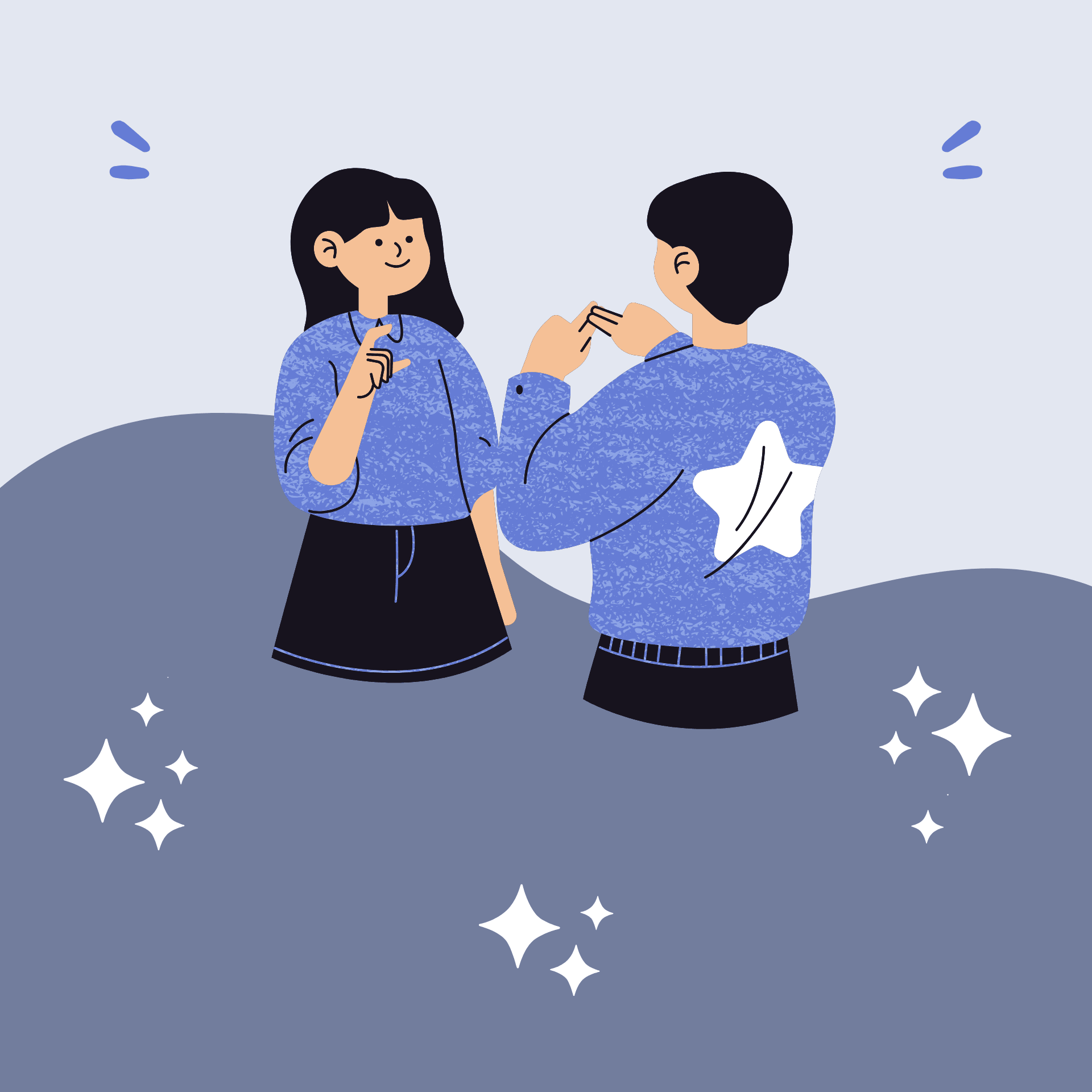
In the minds of many, language is sometimes a "bewildering maze" of subtleties. When faced with people with physical disabilities, we often tend to seek out euphemisms and gentle adjectives, believing that this is a way to alleviate their pain and show empathy. We call the blind "visually impaired," the lame "mobility disabled," and the hearing impaired "hearing impaired"... We believe this is a subtlety, a way to protect their self-esteem from being hurt.
However, amidst the noise, a quiet and courageous voice is rising from the community of people living in the world of sign language: "Please call us Deaf People." Mr. Nguyen Tuan Linh - Chairman of the Hanoi Deaf Association - emphasized: Deaf (capitalized, in English: Deaf) refers to a community with its own culture, using sign language as a means of communication. Meanwhile, hearing loss refers to people with impaired hearing, who mainly use spoken language (possibly with the assistance of hearing aids or cochlear implants); in the process of communication, they may use some signs, but these may or may not follow the grammar of the sign language that the deaf people are using.
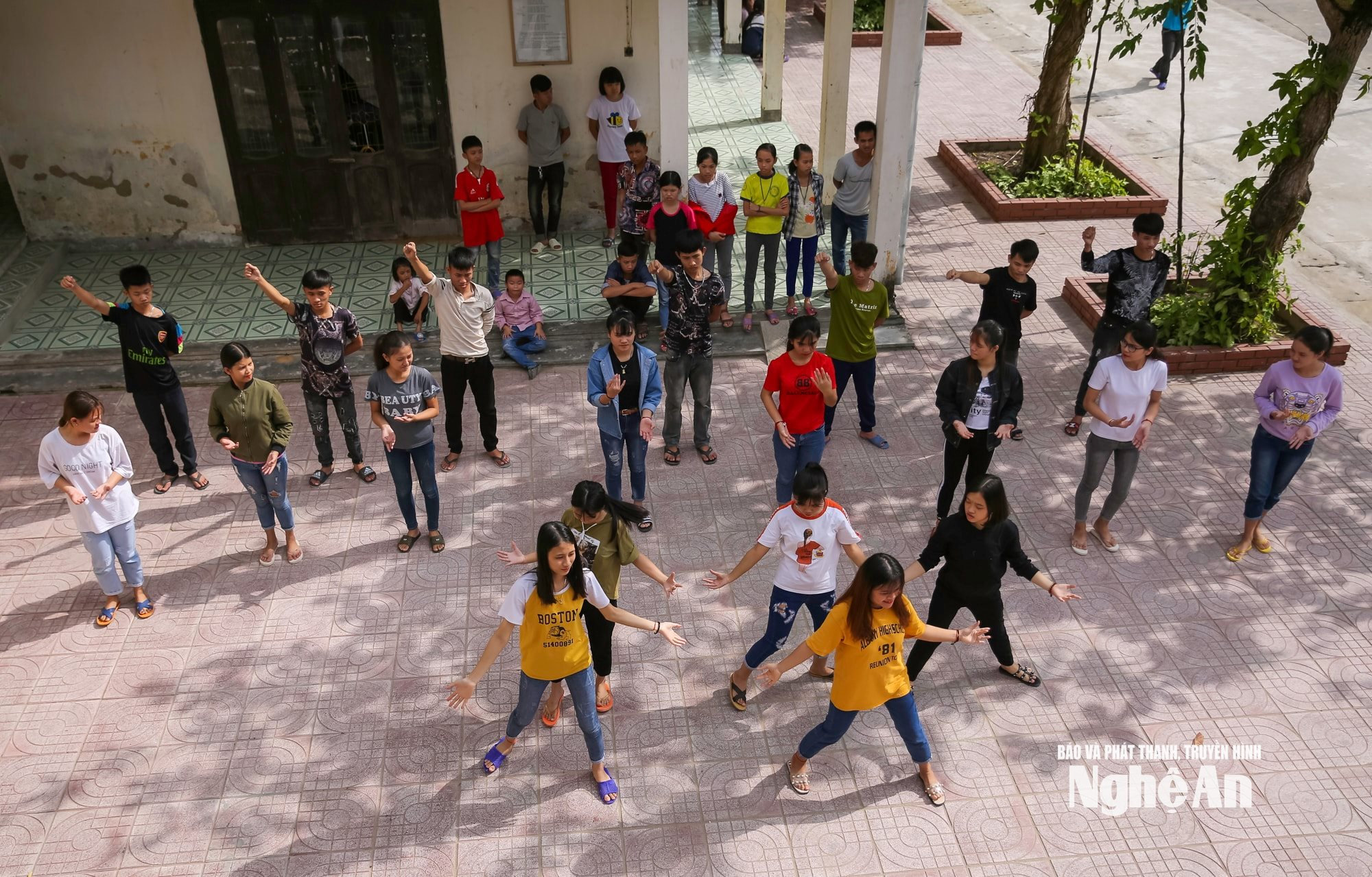
For the Deaf community, they don't see themselves as patients. Deafness, for them, isn't a defect to be corrected, but rather a state of being. When we deliberately use the term "hearing impaired" to refer to someone who is completely deaf, we are inadvertently placing them within the frame of reference of "hearers." We consider them "failed hearers" instead of acknowledging them as "fully deaf." True respect doesn't lie in using flowery words to mask reality, but in daring to look that reality straight in the eye with respect. Avoiding the word "deaf" is actually a form of subtle discrimination, a refusal to acknowledge the unique identity of a community with its own "language" and culture.
As a journalist, having interacted with the Deaf community many times, I realized that their world is not a silent, sad space. On the contrary, it is a vibrant world full of color and energy, thanks to the hands that "speak." Sign language is not a temporary substitute for spoken language; it is a legitimate language with a complex grammatical structure and the ability to express the deepest nuances of human thought and emotion.
Deaf people don't communicate through their eardrums; they communicate through eye contact, body rhythm, and the vibrations of their hearts. If you ever have the chance to observe a group of deaf people conversing, you'll see an incredibly deep connection. They aren't distracted by background noise; they look deeply into each other's eyes, reading every hand movement. It's an absolute "listening" that sometimes hearing people, even those with perfectly healthy ears, can never achieve because they're preoccupied with superficial external sounds.
Therefore, when called "deaf," deaf people feel pitied for "not being able to hear," and they want to be recognized for being able to communicate in a different way.
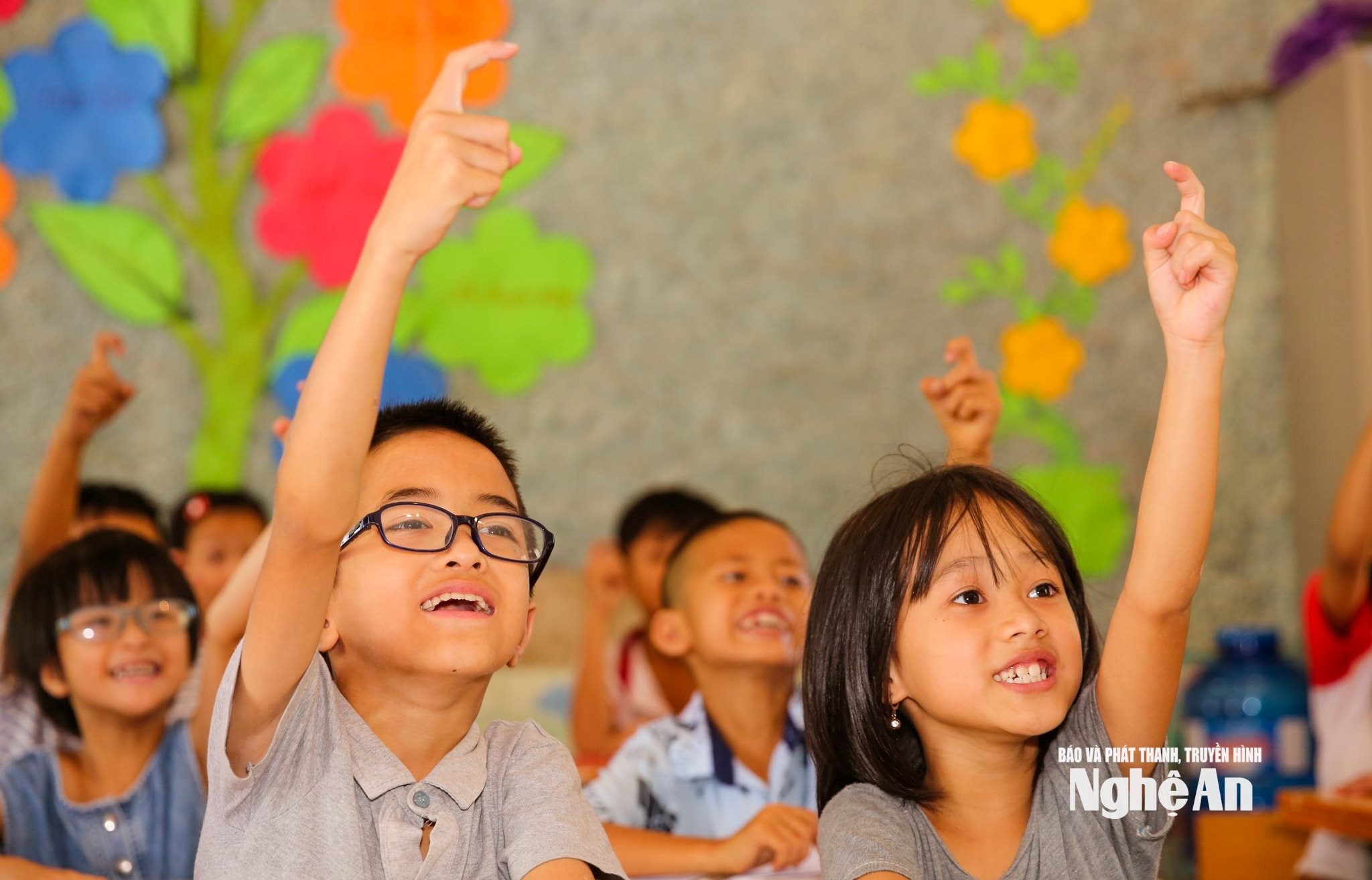
The story of the labeling of the Deaf community is actually a great lesson about how society deals with differences. Looking broadly at the entire disability community, we often see a common pattern: society tries to "normalize" them. We praise those without legs who try to walk on prosthetic legs, we admire those without arms who learn to write with their feet. Of course, these are extraordinary efforts that deserve respect. But from a deeper perspective, it seems we are forcing them to conform to the standards of the majority in order to be considered "integrated." We assume that being like us is what is good and successful.
That is the fundamental mistake in the concept of inclusion. Inclusion does not mean making everyone the same. A civilized society is not a production line that creates people with the same set of skills and the same way of functioning their bodies. True inclusion is when we accept differences as an inevitable part of human biodiversity and culture.
Inclusion is when we build a separate pathway for wheelchair users not out of pity, but because we understand that it is an alternative mode of transportation that deserves respect in a shared space. Inclusion is when sign language appears on television news broadcasts not as a privilege, but as an acknowledgment of the equal right of citizens to access information.
Instead of forcing people with disabilities to strive to be "normal," society needs to strive to be "inclusive." Instead of asking, "How can we make them hear us?", let's ask, "How can we understand them?".
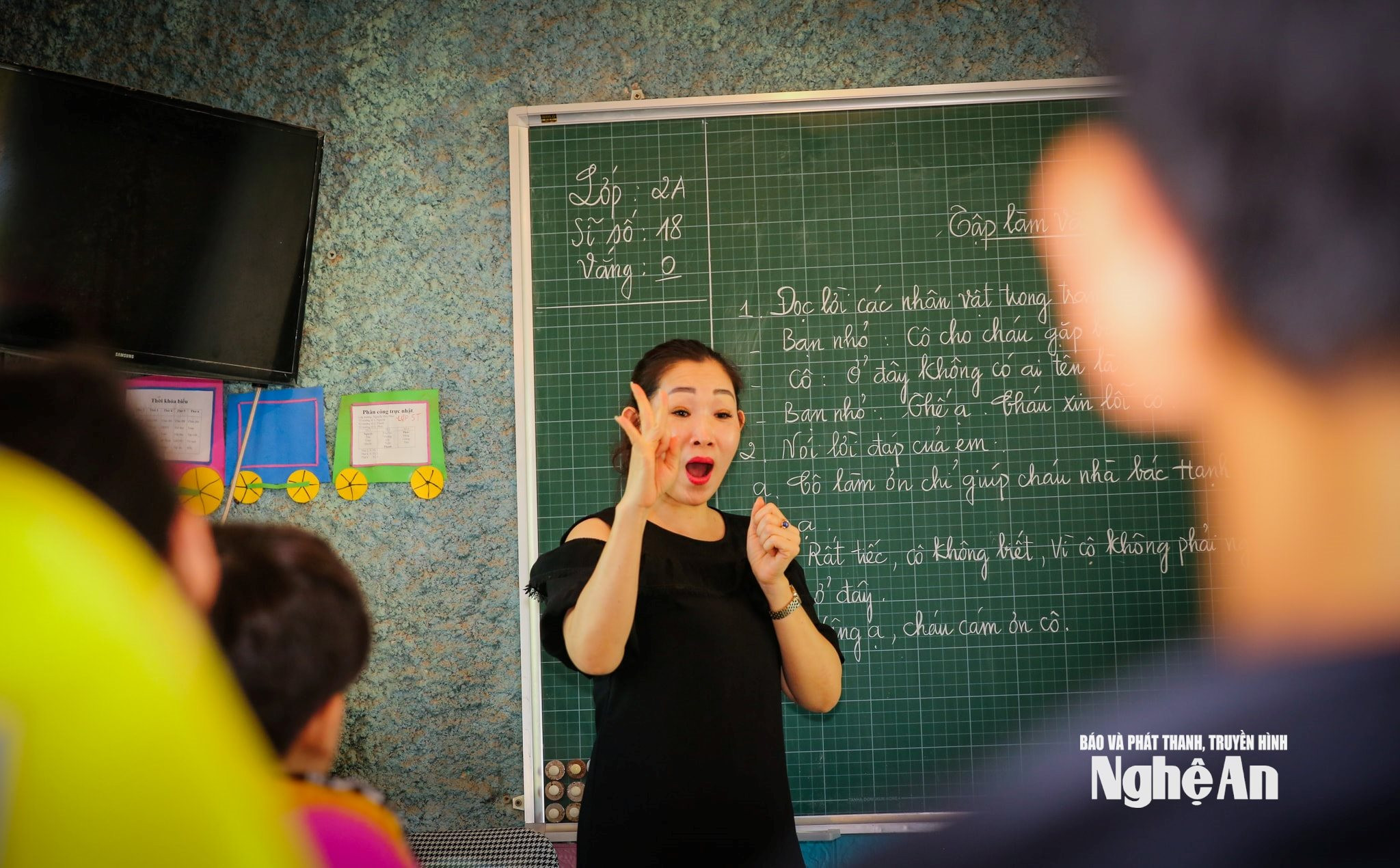
Every person with a disability possesses a different version of perfection. A blind person may not see light, but they have an incredibly rich world of sounds and sensations. A deaf person may not hear sounds, but they have an extraordinary ability to observe and visualize. If we create a sufficiently large space, both in terms of infrastructure and mindset, each of these differences will have the opportunity to shine in its own way.
In schools, we teach children about compassion by donating books and clothes. That's good, but it's not enough. We need to teach children that a friend in a wheelchair or someone who uses sign language isn't a "pitiable person," but a "special friend" with strengths different from ours. Let's teach children how to step into their friends' world, instead of just standing outside and looking in with pity.
A nation's development isn't measured solely by its skyscrapers or economic growth rates. It's also measured by how that society treats its minority groups. Respecting differences is how we make our society kinder. After all, in the eyes of creation, we are all unique individuals striving for empathy on our journey through life.


