
Mo Hamlet, Thung Nai, Phu Tho: pristine Muong stilt houses.
Mo Hamlet, nestled in the valley beside Hoa Binh Lake, preserves 195 traditional wooden stilt houses with thatched roofs, practicing tourism "as it is," welcoming tens of thousands of visitors annually, and achieving OCOP 4-star provincial rating.
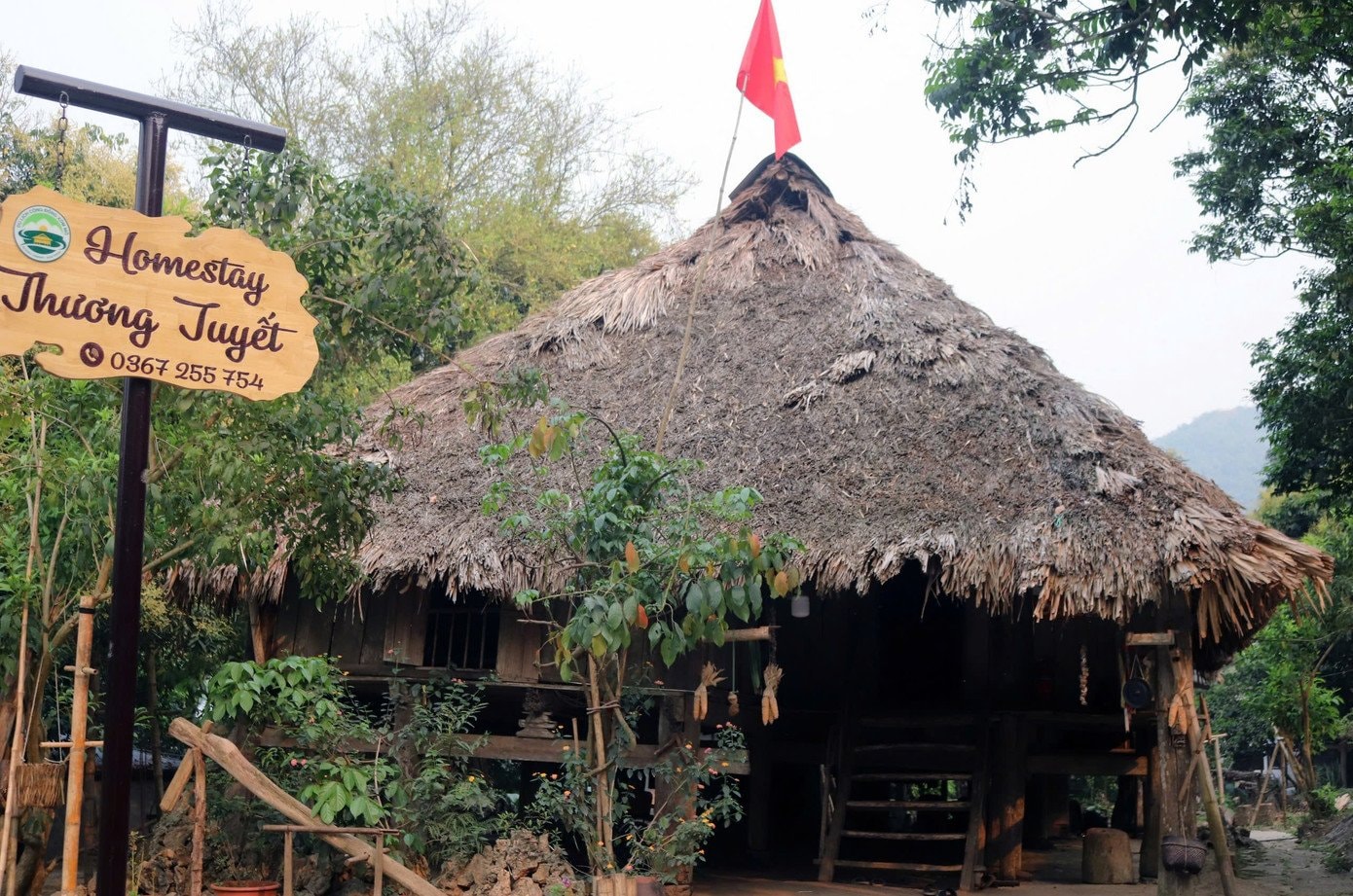
Nestled in a valley, surrounded by hills and terraced rice fields cascading down the slopes, Mo Hamlet (Thung Nai Commune, Phu Tho Province) appears like a rustic painting of the mountains and forests. The hamlet has 195 houses, mostly stilt houses made of wood with thatched roofs; this peaceful setting makes many visitors feel relaxed and at ease.
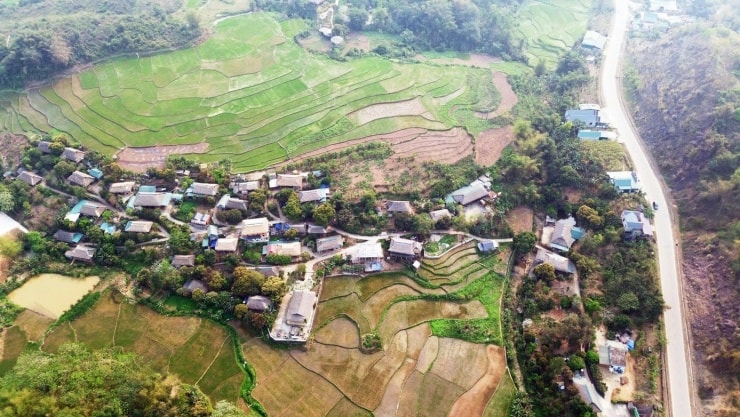
Explore Mo Village
What captivates tourists is not only the valley landscape or the terraced rice fields, but also the soul of Muong culture embodied in the stilt houses and customs of the local community. Since the 1980s, Mo village has welcomed its first groups of visitors; initially driven by curiosity, the genuine, rustic charm and the atmosphere of the stilt houses kept them staying longer, and then returning.
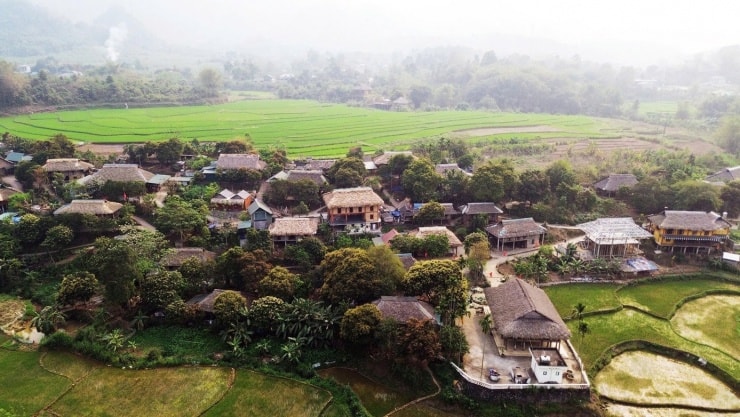
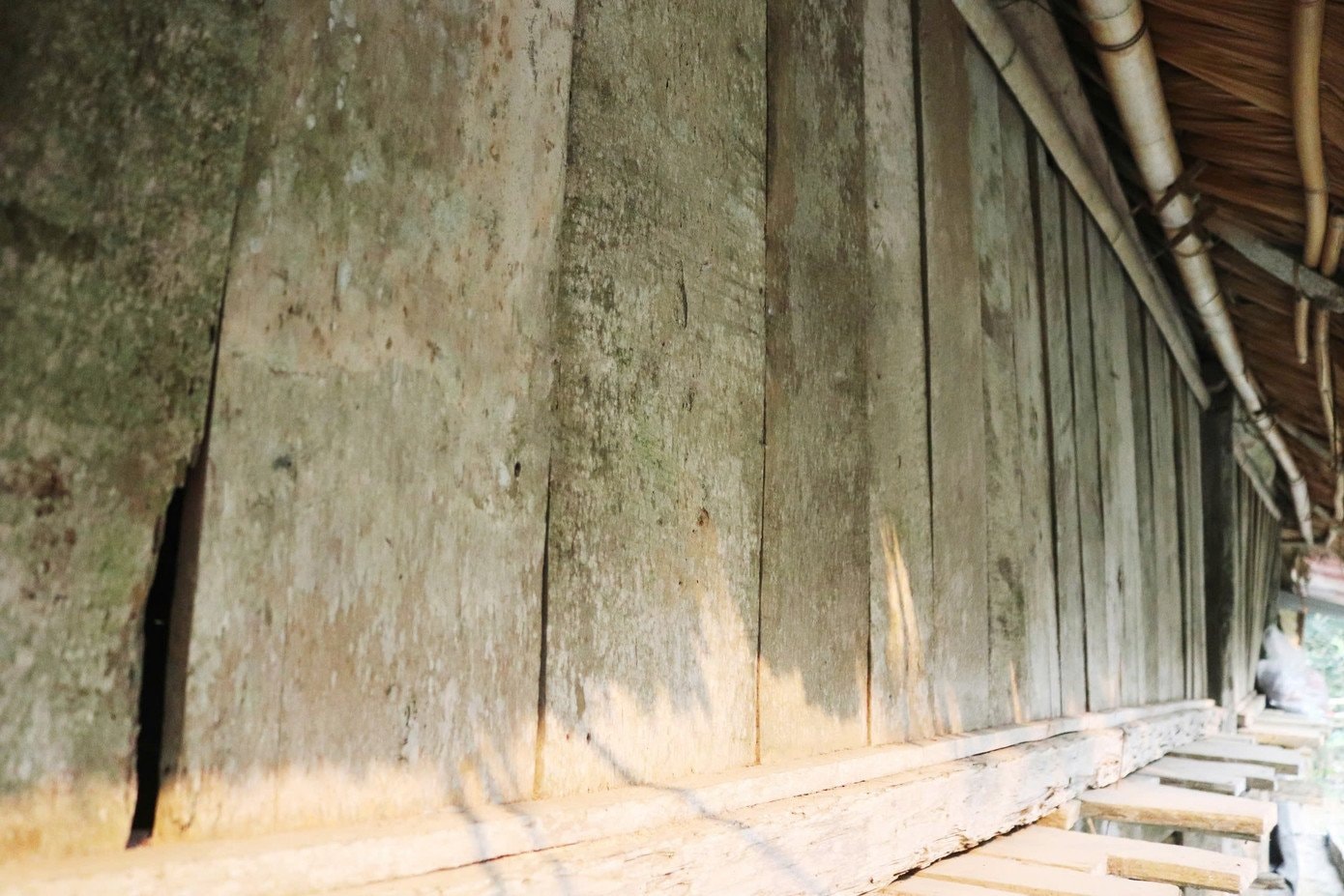
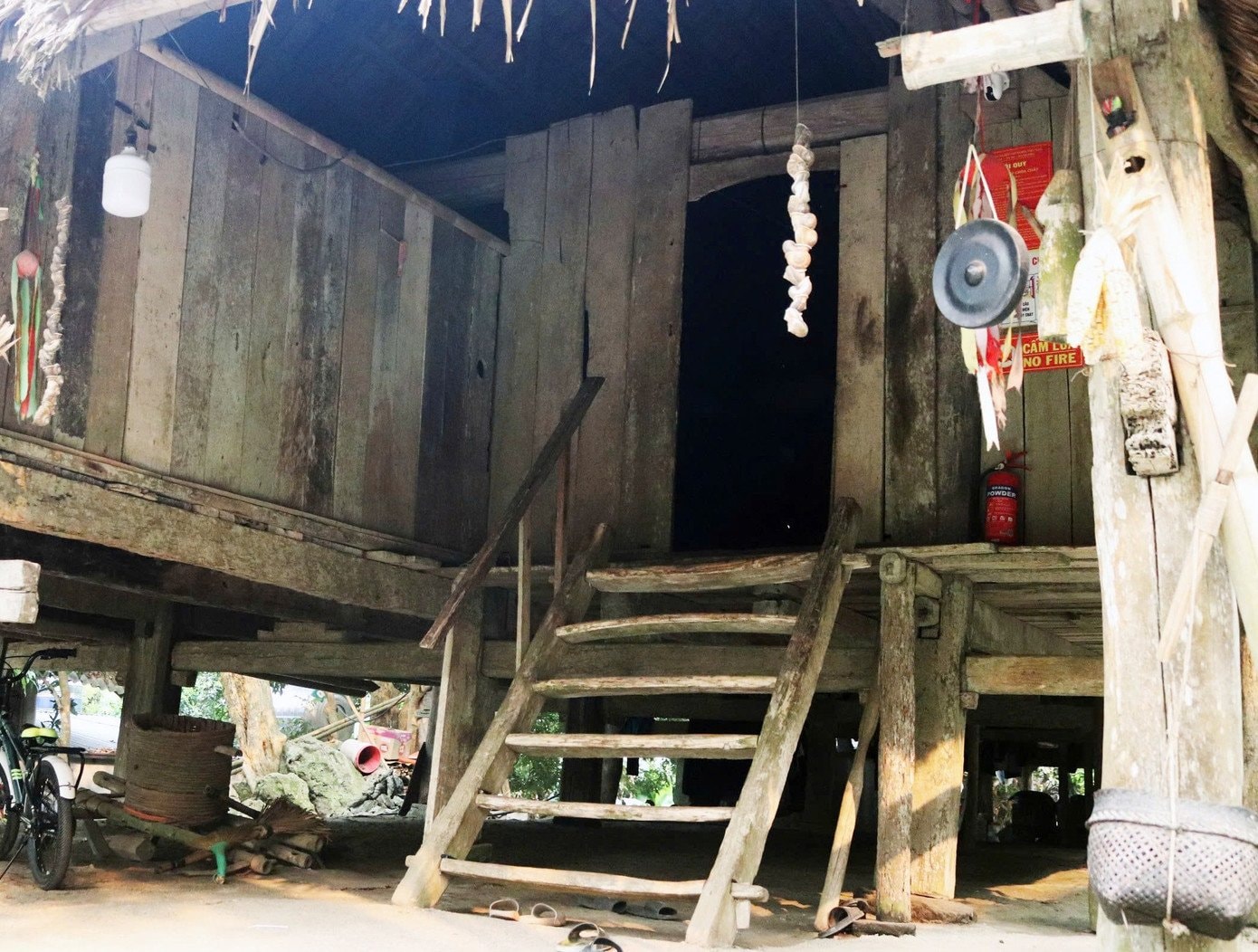
The stilt houses in Mo hamlet are built of wood with thatched roofs, creating a harmonious and peaceful overall atmosphere. According to the locals, it is this pristine beauty and slow pace of life that has made it a true "destination," not just a backdrop for tourist activities.
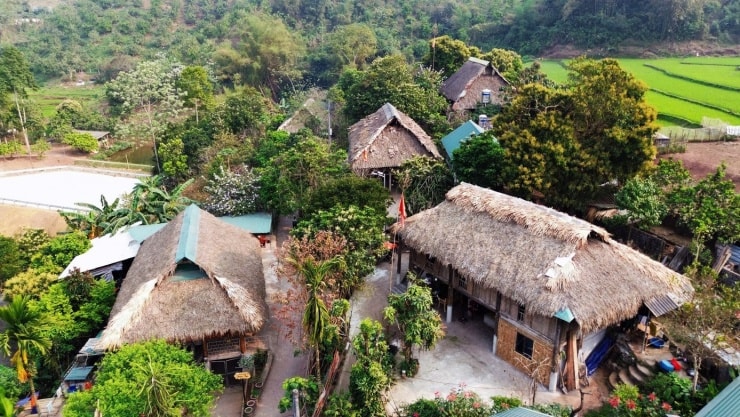
"Live as you are" - the story of tourism.
Ms. Bui Thi Tuyet, a resident of Mo hamlet, recalls that the first visitors came to the "small hamlet by Hoa Binh Lake" out of curiosity, then were captivated by the genuine simplicity of the people and the beauty of the mountains and forests. "To date, our small hamlet welcomes tens of thousands of visitors every year, a remarkable number for a community tourism destination," she said.
Ms. Bui Thi Oanh, a resident of Mo hamlet, shared about the community's approach to tourism: "Our unique approach to tourism is not about 'selling what we have,' but about 'living as we are.' We don't transform the village to please tourists; it's the pristine, authentic nature that captivates people."
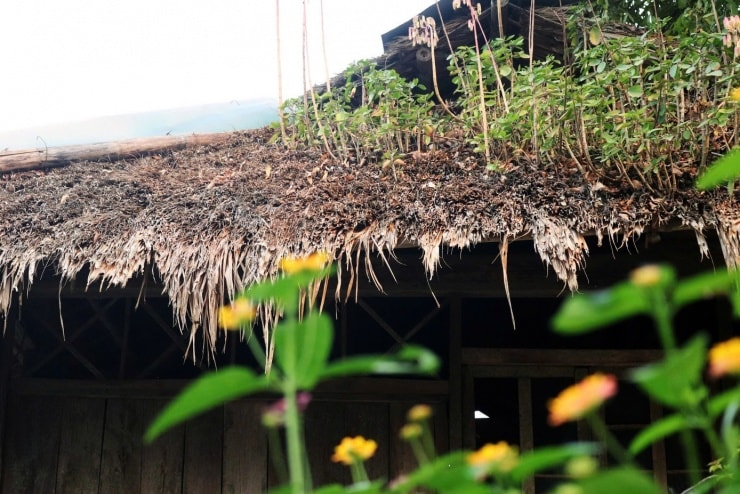
Vibrant culture in traditional stilt houses.
Many Muong cultural values are still maintained and passed down through generations, from traditional clothing to songs and dances. Locals participate in training courses on hospitality, environmental preservation, and the retention of traditional crafts to develop cultural and tourism products. The daily rhythm of life, familiar customs, and the rustic atmosphere of the stilt houses form the foundation for a visitor's experience.
Cuisine of Mo Hamlet
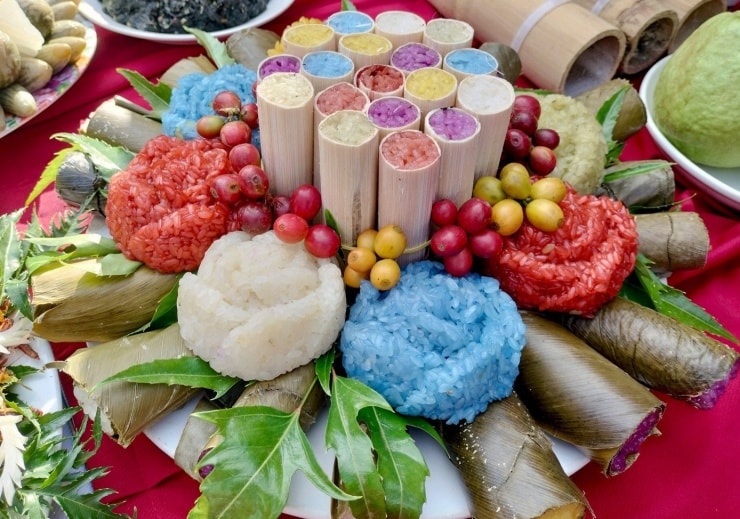
Cuisine is a memorable highlight, featuring dishes brimming with the flavors of the mountains and forests: five-colored sticky rice, spring rolls wrapped in pomelo leaves, grilled stream fish, bamboo-tube rice, rice wine… These simple dishes reflect the skill of Muong women and the richness of the local culture.
- Five-colored sticky rice
- Spring rolls wrapped in pomelo leaves
- Grilled stream fish
- Bamboo rice
- Rice wine
Fact-checking information
- Location: Mo Hamlet, Thung Nai Commune, Phu Tho Province; a small hamlet next to Hoa Binh Lake.
- Landscape: The valley is surrounded by hills and mountains, with terraced rice fields stretching along the hillsides.
- Residential space: 195 houses, mostly wooden stilt houses with thatched roofs.
- History of welcoming guests: Beginning in the 1980s.
- Number of visitors: Tens of thousands per year (according to locals).
- Recognition: Recognized as a 4-star OCOP-certified community tourism destination at the provincial level this year.
Suggested experiences
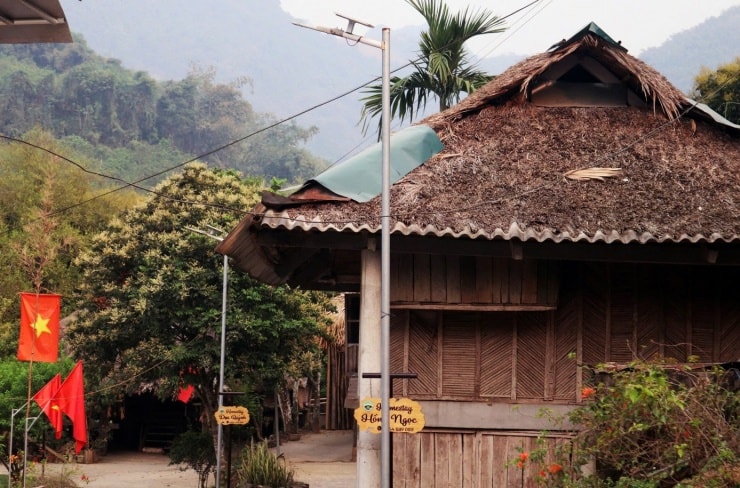
- Strolling amidst the scenery of wooden stilt houses with thatched roofs and terraced rice fields, you can feel the slow, rustic pace of life.
- Learn about the traditional clothing, songs, and dances of the Muong people – values that are being passed down through generations.
- Working alongside the community to preserve the environment and local culture – a spirit emphasized by the people through training courses.
Mo Hamlet doesn't chase after the trend of "showing off" for tourism; the community here chooses to preserve what belongs to them as it is. It is this authenticity that has created the enduring appeal of this community-based tourism destination amidst the mountains and forests.


