
Smart TV trends: 4 technologies to look forward to in 2026
At the world's largest consumer electronics show (CES 2026) in the US, a host of new technologies revealed a future where TVs become works of art, the centerpiece of smart homes, and entertainment screens can be found anywhere.
Each year, CES offers a glimpse into what's coming to our living rooms. Besides "dancing" robot vacuums, augmented reality (AR) glasses, and new artificial intelligence (AI) applications, TVs remain a major focus, especially as LG, Samsung, and many other brands showcase bold new ideas.
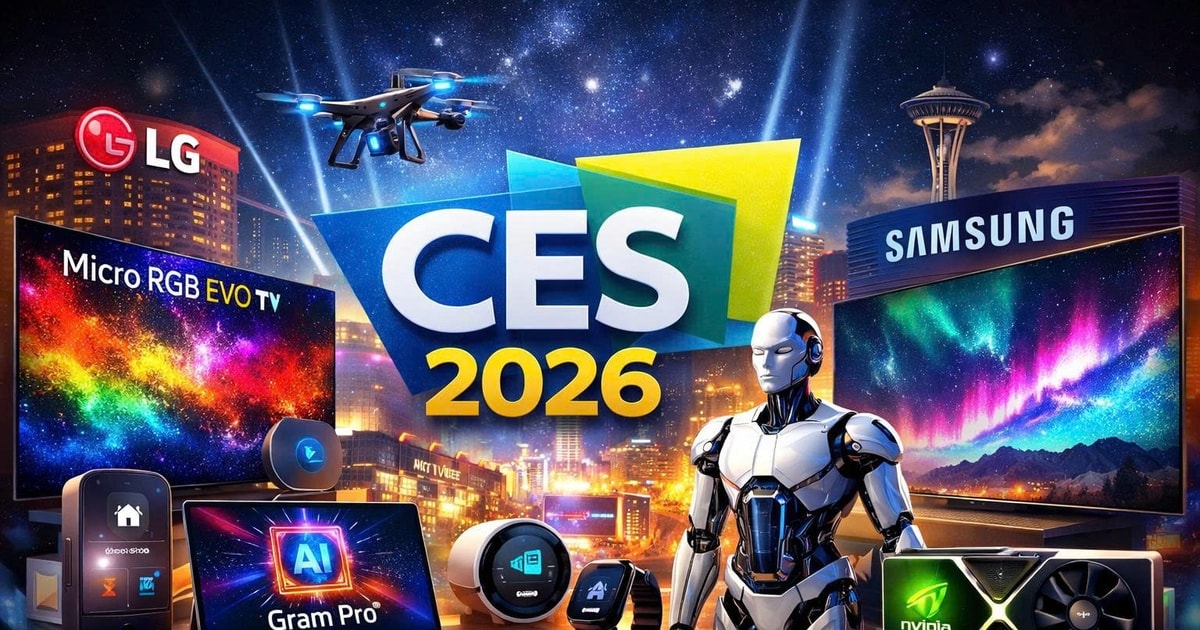
From ultra-slim designs and the ability to blend seamlessly into living spaces to advanced display and AI technologies, smart TVs in 2026 are gradually transcending the traditional concept of "electronic devices."
1. Ultra-thin TV, as sophisticated as a work of art.
The "art TV" trend continues to boom and is no longer Samsung's exclusive domain. The Frame series, a hybrid wall-mounted TV, redefined the concept of a wall-mounted TV that displays artwork even when not in use. This year, Amazon also joined the trend with its Ember Artline series, offering matte screens and a library of thousands of free artworks.
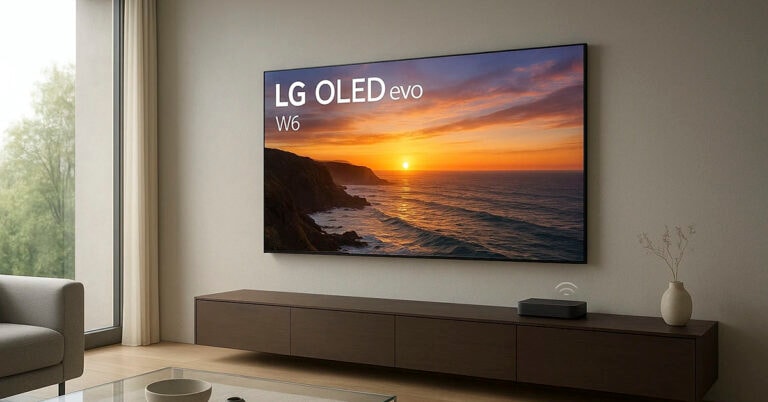
Most notably, the LG OLED evo W6 (Wallpaper TV) is a TV that's only 9 mm thick, practically flush against the wall. All components and ports are moved to the Zero Connect Box, which is located up to 10 meters away from the TV. This allows the bezel-less screen to be mounted in locations typically reserved for artwork, while still delivering sharp OLED display quality down to the pixel.
2. TVs are no longer "confined" to the living room.
Outdoor and portable TVs are becoming a clear trend. At CES 2026, Sylvox – an American brand specializing in outdoor TVs – attracted attention with its line of bezel-less outdoor TVs, up to 90% thinner than traditional models. In particular, the 110-inch Cinema Pro Helio QLED model was promoted as the world's largest outdoor TV, bright enough to display clearly even in strong sunlight.
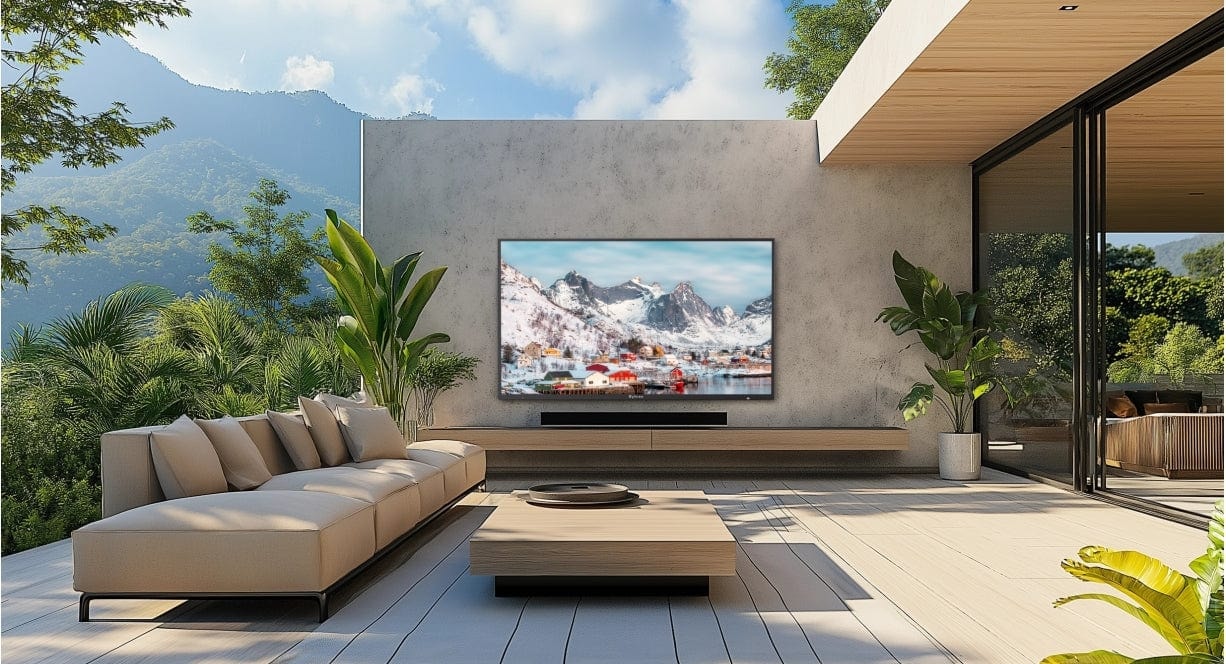
These TVs are designed to withstand rain, dust, and extreme temperatures, making them suitable for patios, terraces, or pool areas. Meanwhile, portable TVs like the Samsung Moving Style, LG StanByME, or Hisense FollowMe allow users to take the screen anywhere—from bedrooms and kitchens to balconies—with a simple operation.
3. Micro RGB - a new display technology challenging OLED.
OLED still holds an important position, but it's no longer the absolute "king." Micro RGB is emerging as the next-generation display technology, with separate red, green, and blue LEDs instead of the white LEDs found in mini LEDs.
This approach results in more accurate colors, higher contrast, and superior brightness, especially on large screens.
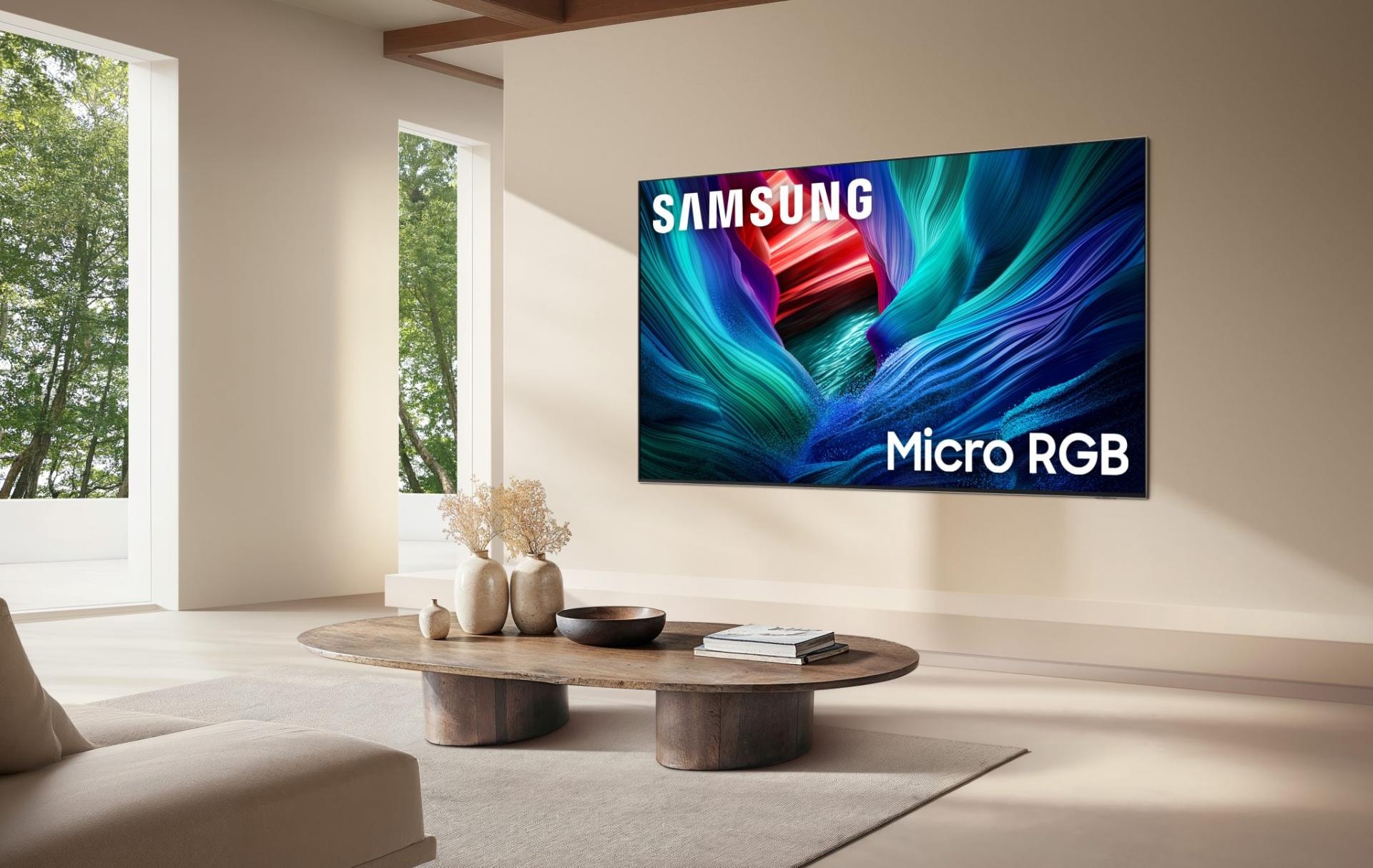
Samsung and LG both showcased massive Micro RGB TVs at CES 2026, with Samsung displaying a 130-inch prototype and LG announcing a range of 75- to 100-inch models. Combined with AI processors, these TVs are capable of fine-tuning the image based on the content being displayed, delivering a near-cinema experience at home.
4. Artificial intelligence becomes the "brain" of TV.
AI is deeply infiltrating every aspect of smart TVs. Samsung introduced its Vision AI platform, LG integrated AI into both hardware and software, and Amazon is preparing to bring its AI-powered Alexa+ assistant to Fire TV.
AI technology not only helps upgrade images from low-resolution sources, optimize sound according to room acoustics, and suggest content tailored to user habits, but it also becomes the central hub for smart home control, such as notifying when the washing machine is finished, suggesting meals, displaying daily reminders, or controlling other IoT devices, all through voice commands or intuitive interfaces.
In short, smart TVs in 2026 will not only be "smarter," but also more versatile, more beautiful, and more closely integrated into daily life. From art-like designs and outdoor usability to new screen technologies and AI at its core, TVs are gradually becoming the heart of the modern digital living space.


