
Japanese exports surged to their highest level in nine months, exceeding forecasts.
Exports in November rose 6.1%, driven by the US and Western European markets, helping Japan achieve a trade surplus of $2.08 billion and strengthening the likelihood of raising interest rates.
According to data released by Japan's Ministry of Finance on December 17, the country's goods exports in November increased by 6.1% year-on-year. This is the strongest growth rate in nine months, far exceeding the 4.8% forecast by economists in a Reuters survey. This positive data increases the likelihood that the Bank of Japan (BOJ) will raise interest rates at its upcoming meeting.
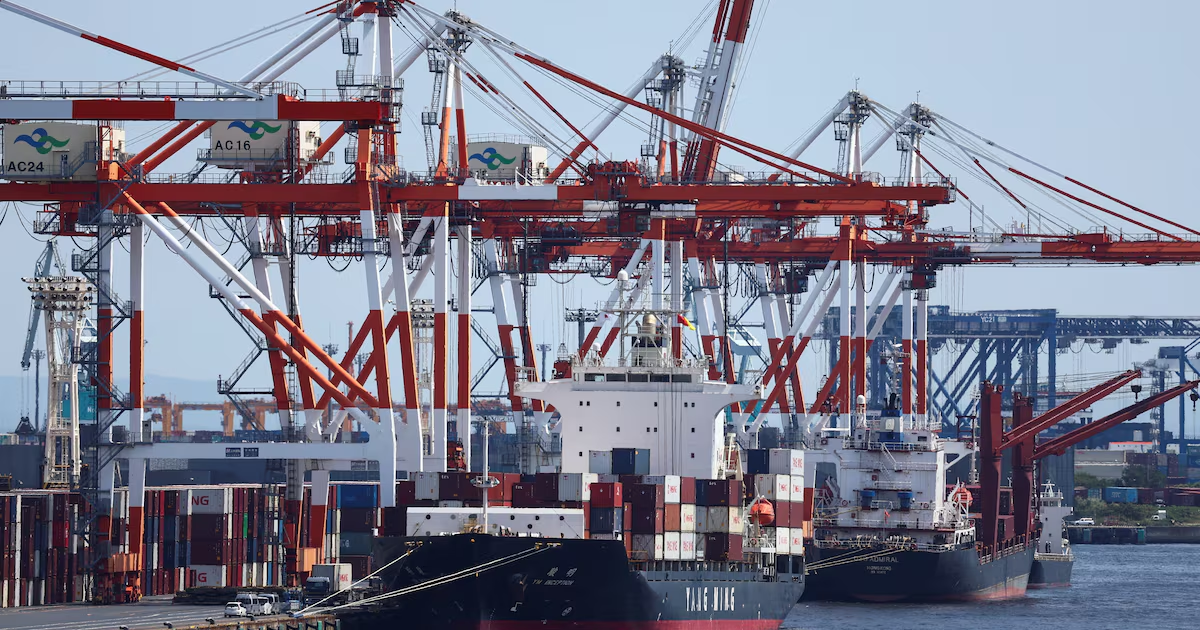
Growth drivers from the US and European markets.
Japan's export growth was driven primarily by a 23.6% increase to Western European markets and an 8.8% increase to the United States, its second-largest trading partner. Notably, this marks the first time exports to the U.S. have recorded growth since March.
Although the total value of automobile exports in November decreased by 4.1%, exports to the US alone increased by 1.5% compared to the same period last year. Economist Koki Akimoto of the Daiwa Research Institute commented: “Automobile exports to the US are recovering faster than expected, as the reduction in US tariffs on Japanese cars has given Japanese automakers better competitiveness. In addition, Japanese exports are also being supported by the depreciation of the yen.”
However, Akimoto also warned that the weakening US labor market could put downward pressure on auto demand, making this growth momentum difficult to sustain in the future.
Trade surplus returns after 5 months.
While exports surged, Japan's imports in November increased by only 1.3%, lower than the forecast of 2.5%. This resulted in a trade surplus of 322.2 billion yen (approximately $2.08 billion), significantly higher than the forecast of 71.2 billion yen. This marks the first time Japan has recorded a trade surplus in five months. The trade balance with the United States also turned positive for the first time in seven months.
Regarding other markets, exports to Asia (excluding China) increased by 4.5%, while exports to China decreased by 2.4% in November.
Economic outlook and monetary policy
Although the Japanese economy contracted in the third quarter, analysts believe growth has returned in the fourth quarter. The initial shock from US tariffs does not appear to be as severe as anticipated. Furthermore, a recent BOJ survey showed that sentiment among Japan's major manufacturing businesses reached its highest level in four years.
Jesper Koll, an expert at financial services firm Monex Group, highlighted the growth in chip and equipment exports. Data showed that exports of electrical machinery increased by 7.4% and semiconductor-related products by 13% in November. Koll suggested that the market is underestimating the positive impact of the infrastructure investment boom in the US on Japanese exports.
With these positive signals, the BOJ is projected to raise its policy interest rate from 0.5% to 0.75% at its meeting on December 19th. However, the pace of subsequent interest rate increases remains difficult to predict, depending on potential risks such as a possible decline in US consumer spending due to rising inflation.


