
Nghe An's import and export activities before the Middle East conflict.
Escalating tensions in the Middle East, with large-scale airstrikes between the US, Israel, and Iran, are creating a "shockwave" on global supply chains. In Nghe An province, import-export businesses are facing skyrocketing logistics costs and direct risks from vital shipping routes.
Logistics bottlenecks and soaring cost pressures.
In the early days of 2026, the global geopolitical landscape turned bleak as successive military attacks in the Middle East caused widespread instability. As the "heart" of vital shipping lanes such as the Suez Canal and the Strait of Hormuz, any upheaval there would immediately send chills down the spines of international trade.
According to a report from the Nghe An Department of Industry and Trade, the security situation in the Strait of Hormuz is at an alarming level. Iran has issued stern warnings about safety risks for ships passing through the area. As a result, many major shipping companies have announced a temporary suspension of cargo transportation, especially for goods requiring strict refrigerated container storage, to the Gulf and Red Sea regions.
The closure or restriction of airspace from countries in the region has also put air transport in a difficult position. Flights have to change routes or fly around to avoid conflict zones, leading to longer travel times, reduced operating capacity, and higher fares.
For businesses in Nghe An, the most noticeable impact is in the figures on shipping invoices. Observations show that sea freight rates on some routes have increased sharply, by 1.5 to 2 times compared to the period before the conflict. Shipping times have to be diverted around the Cape of Good Hope (South Africa) instead of going through the Suez Canal, extending journeys by 8 to 15 days. Businesses also have to bear additional war surcharges (WRS), peak season surcharges (PSS), and soaring marine insurance fees.
Beyond just cost, a localized shortage of empty containers at export ports is becoming a reality due to a significant slowdown in ship turnaround times.
The consequences of global geopolitical "hotspots" extend to...businesses
The heat from the Middle East is no longer a distant story but is now present in the warehouses and docks of businesses in Nghe An province. Each unit, depending on its target market, is experiencing different levels of impact.
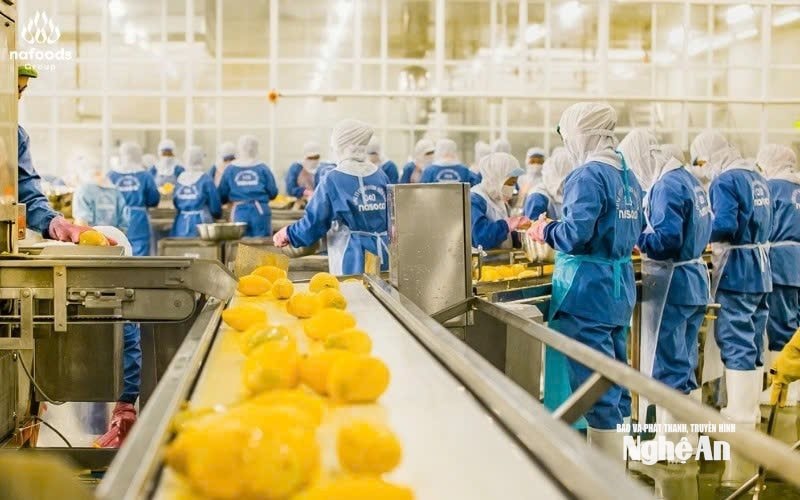
Nafoods Group Joint Stock Company – one of the leading agricultural export companies in the province – is facing disruptions to its export routes. Currently, the company's export shipments to the UAE are temporarily held at Ho Chi Minh City port awaiting further notice from the shipping company. This delay not only puts pressure on warehousing costs but also affects the quality and supply plans for its partners.
The most challenging situation is faced by businesses whose key markets are located within or bordering conflict zones. Thanh Dat Tea Company, whose main markets are Pakistan and Afghanistan, is a prime example. The impact of security instability at the Bandar Abbas transshipment port has disrupted shipping schedules. For shipments already departed, the company has been forced to adjust itineraries mid-journey and accept unexpected wartime surcharges.
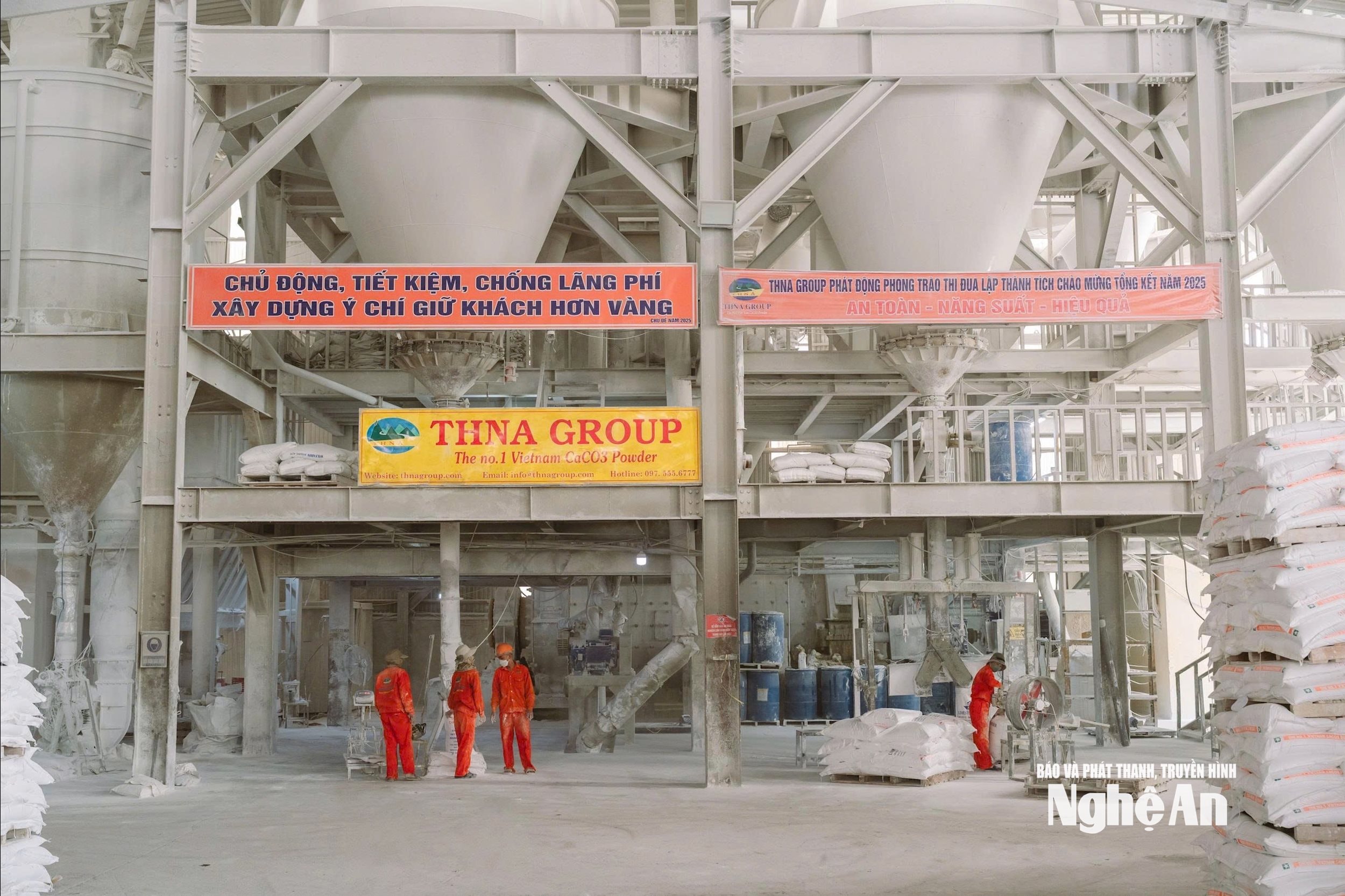
As a leading enterprise in the extraction, production, and processing of ultra-fine white limestone powder, Trung Hai Nghe An Company exports its products to many international markets such as India, Bangladesh, and countries in the Middle East. Therefore, the conflict in the Middle East has caused many difficulties for the company.
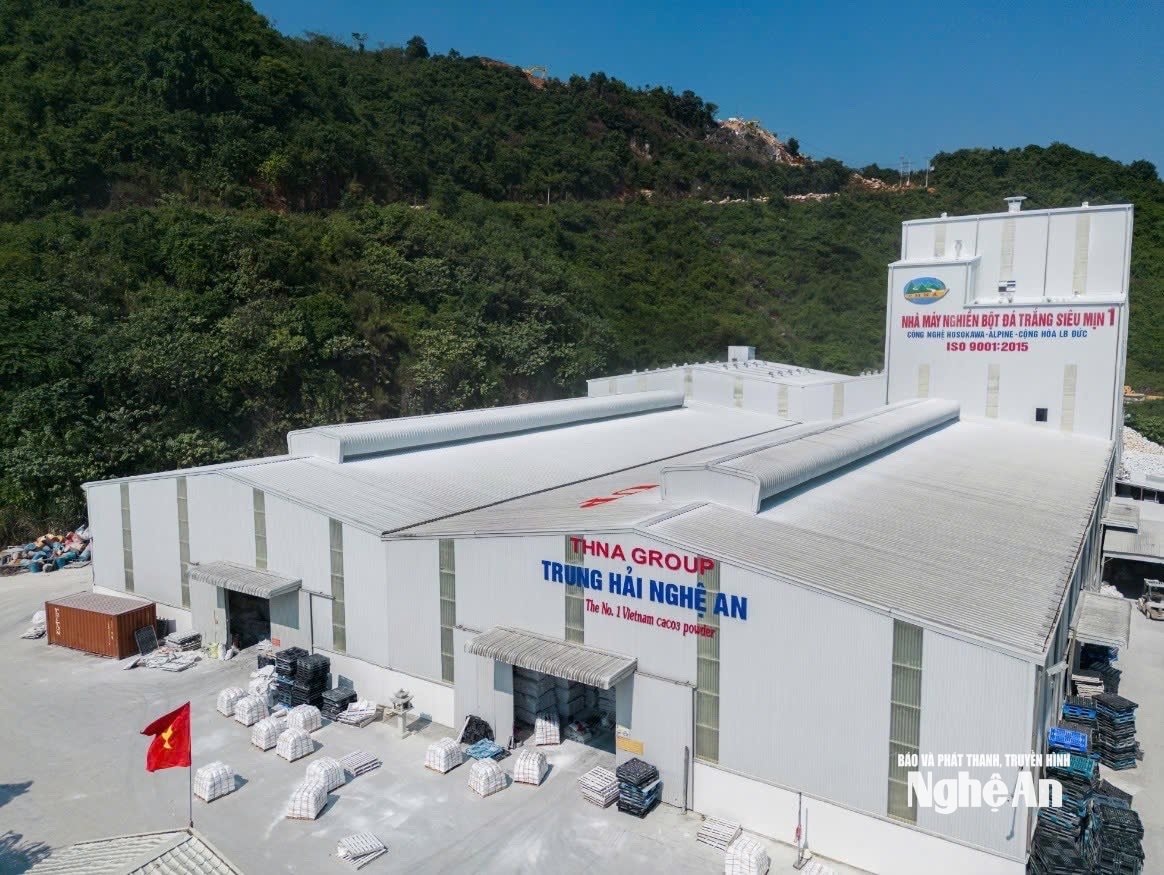
Chairman of the Board of Directors Nguyen Trung Hai shared: Logistics costs are skyrocketing, shipping routes avoiding conflict zones will have to extend transit times by 8-15 days, driving up sea freight rates (potentially by 30-50%). Some shipping companies have temporarily suspended operations pending a stabilization of the situation, leading to delays in delivering goods to customers. In addition, shipping companies are implementing additional measures. War risk insurance premiums are added to goods, driving up the cost of products for customers. Rising oil prices have also increased production costs and transportation costs from Nghe An to ports in Hai Phong. Currently, freight rates are increasing by 800,000 to 1,000,000 VND per container to Hai Phong compared to the old rates.
Furthermore, orders in the Middle East and countries near the conflict zone have decreased due to customer concerns about the current political situation. For orders already signed and completed, international payments through the banking system have also been affected and are significantly delayed compared to normal. Therefore, the company must constantly update information through various channels to proactively handle orders accordingly. Focusing on stable markets, the company is boosting exports to markets less directly affected by the Middle East conflict, such as South Korea, Japan, Taiwan, and China. It is also intensifying efforts to exploit the domestic market to ensure production is not significantly disrupted by the global situation.
Identify risks andstrategic solution
Although most businesses in Nghe An currently export under FOB (Free On Board) terms – meaning the risks and transportation costs are directly borne by the importing partner – we cannot afford to be complacent.
The Nghe An Department of Industry and Trade assesses that increased costs and extended delivery times will diminish the credibility of businesses in maintaining orders. In the long term, fluctuations in world oil and fuel prices will create a chain reaction, increasing production costs and putting immense pressure on the competitiveness of Vietnamese export goods in general and those from Nghe An in particular.
To weather the storm, experts and regulators recommend that businesses immediately implement the following sets of solutions:
Contract risk management:Review the force majeure, insurance, and risk allocation clauses in commercial contracts. Purchasing adequate insurance for goods is mandatory to minimize losses.
Negotiation and sharing:Proactively contact partners to negotiate a delay in delivery schedules and share any additional costs incurred due to unforeseen circumstances.
Market restructuring:It's time to stop "putting all your eggs in one basket." Businesses need to diversify their markets, prioritizing regions with more stable transportation routes such as Southeast Asia and Asia, and especially to return to aggressively exploiting the domestic market.
Enhance product value:Focus on high value-added items with long shelf lives to minimize risks associated with extended shipping times.
The Middle East crisis is a harsh test of the resilience of Nghe An businesses in 2026. However, opportunities always exist within challenges. Businesses that adapt early, proactively manage risks, and are sensitive to new market trends will not only overcome the "storm" but also build a solid foundation for future development.
Besides the efforts of businesses themselves, the Nghe An Department of Industry and Trade has also made important recommendations to central ministries and agencies. These include the need to continue closely monitoring the situation to provide early warnings; maintaining support policies such as VAT reduction and credit support to facilitate cash flow for the production sector. At the same time, trade promotion activities need to be intensified to open up safer alternative markets. Under the direction of the Ministry of Industry and Trade, businesses need to closely coordinate with the Vietnamese Trade Offices abroad to gather information and seek new opportunities. In difficult times, responsiveness and solidarity will be the foundation for Nghe An's import and export sector to overcome the turbulent times.


