
The conflict in Iran threatens to deplete Ukraine's Patriot missile stockpile.
The escalating tensions in the Middle East are putting immense pressure on Patriot missile supplies, forcing Kyiv to face the risk of air defense ammunition shortages in the face of large-scale attacks.
The ongoing conflict in the Middle East, particularly with Iran, is posing direct challenges to Ukraine's ability to maintain its air defense network. Military experts believe that Moscow could exploit the shortage of expensive Patriot guided missiles to intensify attacks on Kyiv's strategic infrastructure.
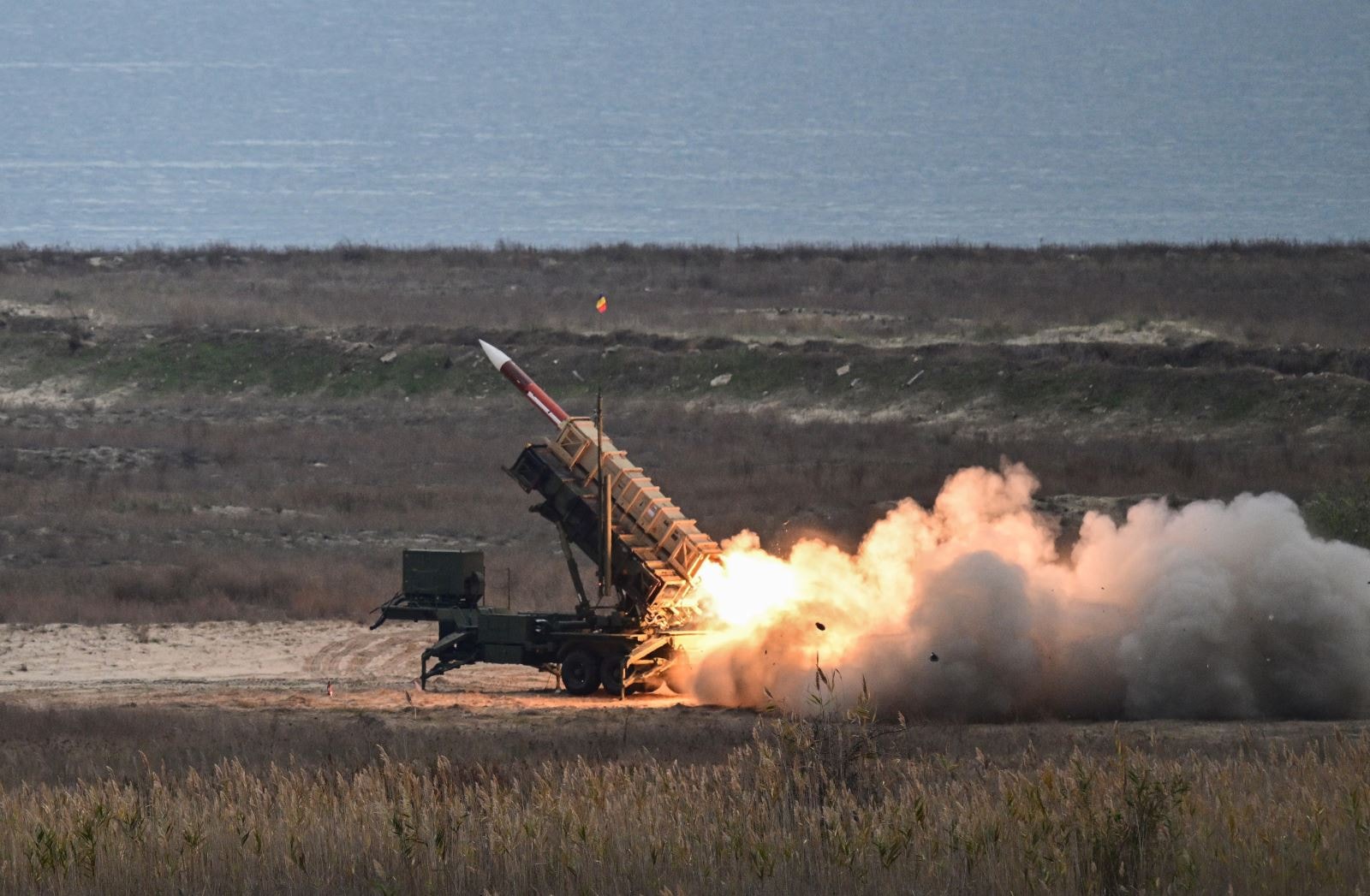
Pressure from economic challenges and production output.
The Patriot system, developed since the 1970s, serves as Ukraine's most important defense element today, particularly in major cities like Kyiv. However, this defense capability faces significant financial and production bottlenecks. Each Patriot interceptor missile costs several million dollars, while annual global production has never exceeded 900 units.
Nikolay Mitrokhin, an expert at the University of Bremen (Germany), stated that while the Patriot system can intercept Russia's Kinzhal hypersonic missile, it cannot protect all critical power transmission lines. According to him, the core issue lies not only in the number of interceptor missiles but also in preventing the enemy from producing and using offensive weapons.
Saturation tactics aim to deplete the shield.
Notably, analysts note that Russia frequently employs large-scale air strikes to deplete Ukraine's stockpiles. Moscow typically begins with drones and decoys to force Kyiv's air defenses to expend Patriot missiles. Once the defenses are weakened, ballistic and cruise missile attacks are then officially launched.
Volodymyr Fesenko, head of the Penta Center for Applied Political Studies in Kyiv, believes that Russia's recent halt in attacks could be a sign of preparation for a major offensive. The most obvious objective is to deplete the arsenal of interceptor missiles, thereby inflicting maximum damage on civilian and military targets.
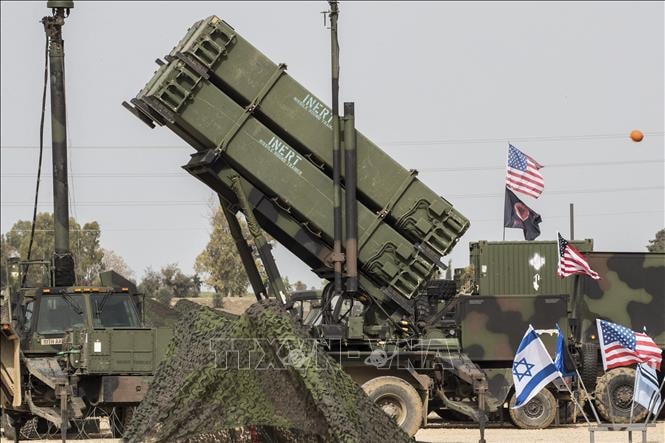
The race for technology and alternatives.
Besides the numerical pressure, Ukraine also faces a technical confrontation. Lieutenant General Ihor Romanenko, former Deputy Chief of the General Staff of the Ukrainian Army, said that Russian engineers have modified the software to make the Iskander-M missile more maneuverable, making it difficult to intercept. "This is a technical confrontation. If we keep the old technology, we will have lost before the battle even begins," Romanenko emphasized.
Amidst increased caution regarding the supply of Patriot missiles from the US and European countries due to instability in the Middle East, Ukraine is seeking alternatives. The SAMP/T air defense system, developed by France and Italy, has already been deployed. Compared to Patriot, SAMP/T has the advantage of superior radar and requires a smaller operating crew (around a dozen people compared to 90 for Patriot).
Overall, while systems like Patriot and SAMP/T have proven effective in combat, Ukraine's ability to maintain its steel shield in the near future depends heavily on the stability of global supply chains and its self-sufficiency through attacks on enemy weapons production facilities.


