(Baonghean.vn) - Dinh Tien Hoang, Emperor Quang Trung, the great poet Nguyen Du... are some of the most prominent figures born in the Year of the Rooster in Vietnamese history.
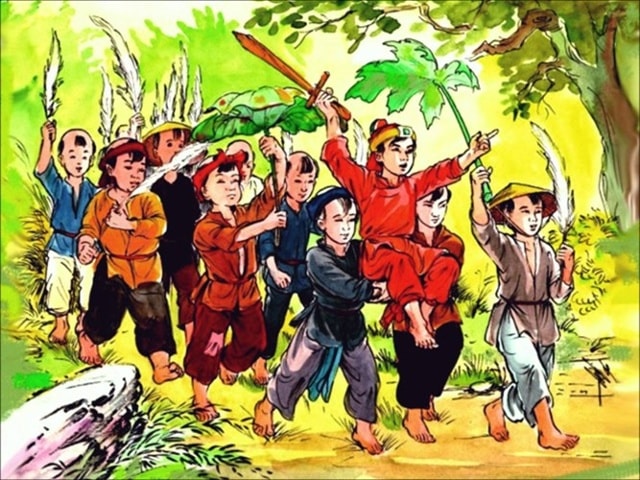 |
| Đinh Bộ Lĩnh (925-979, born in the year of the Rooster), also known as Emperor Đinh Tiên Hoàng, was a famous figure born in the year of the Rooster who quelled the rebellion of the 12 warlords, unified the country, and became the first emperor of Vietnam after 1,000 years of Chinese rule. Đại Cồ Việt was the state that initiated the era of independence and self-reliance, establishing a centralized monarchy in Vietnam. |
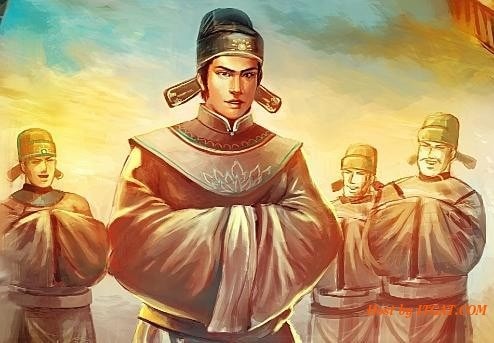 |
| Luong The Vinh (1441-1496, born in the year of the Rooster) passed the imperial examination and became a top scholar during the reign of Le Thanh Tong at the age of 23. He is considered a renowned mathematician with his remarkable work, Dai Thanh Toan Phap (Great Compendium of Mathematical Methods). He was also one of the 28 members of the prestigious Tao Dan Poetry Society and left behind many valuable works of poetry, prose, Buddhist philosophy, and literature. |
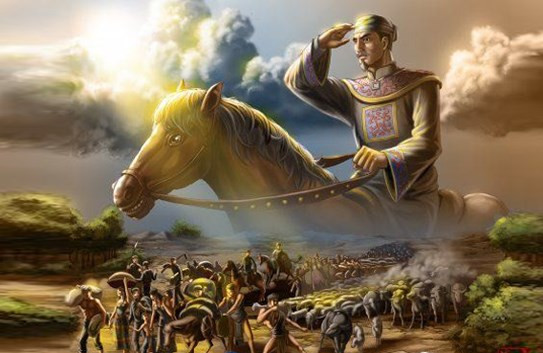 |
| Nguyen Hoang (1525-1613, born in the year of the Rooster) was the first Nguyen lord, who laid the foundation for the southward expansion of the Vietnamese people and established the Nguyen dynasty - the last feudal dynasty in Vietnamese history. |
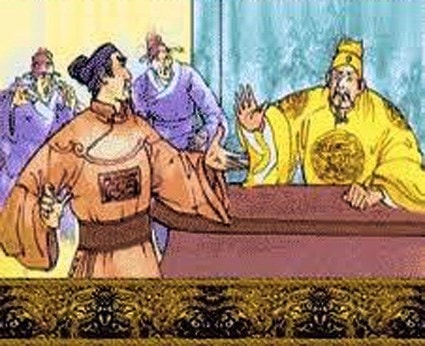 |
| Giang Văn Minh (1573-1637, born in the year of the Rooster) was renowned for his vast knowledge and talent, having passed the Thám Hoa (third-highest level in the imperial examinations) and serving as an official during the restoration of the Lê dynasty in Vietnamese history. He was known as the envoy who "did not disgrace the king's command" for his frank responses before the Chinese court, which led to his execution by Emperor Ming Sizong. |
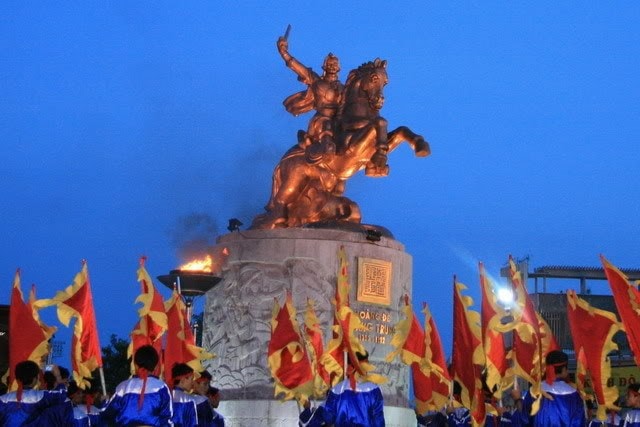 |
| Nguyen Hue (1753-1792, born in the year of the Rooster), also known as Emperor Quang Trung, was the leader of the Tay Son Rebellion, which ended the Trinh-Nguyen civil war and defeated invasions from Siam and the Qing Dynasty. He also proposed many progressive reform plans to build Dai Viet (Vietnam). |
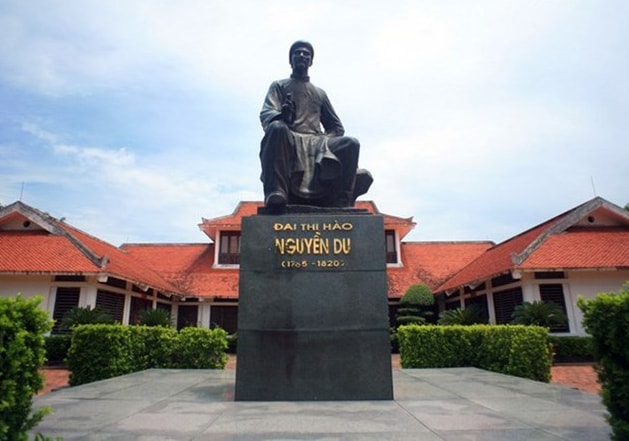 |
| Nguyen Du (1765-1820, born in the year of the Rooster) was a renowned poet and a great cultural figure during the late Le Dynasty and early Nguyen Dynasty in Vietnam. His work, "The Tale of Kieu," is considered a literary masterpiece and one of the most representative achievements in Vietnamese literature. |
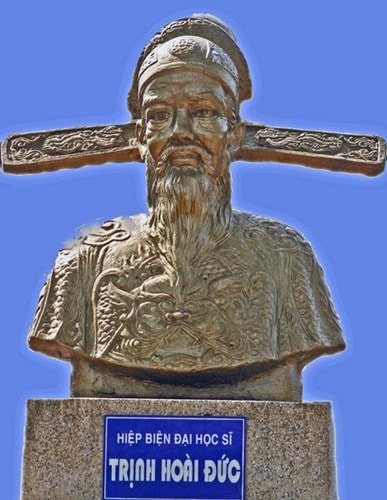 |
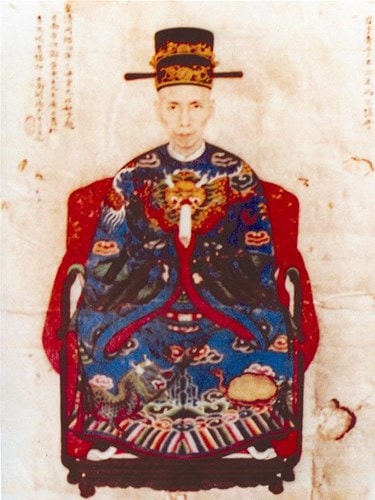
| Trịnh Hoài Đức (1765-1825, born in the year of the Rooster) was a high-ranking official of the Nguyễn dynasty, as well as a renowned poet, writer, and historian of the 18th and 19th centuries. His book, Gia Định Thành Thông Chí, is considered one of the most important documents for historians and geographers of Southern Vietnam. |
 |
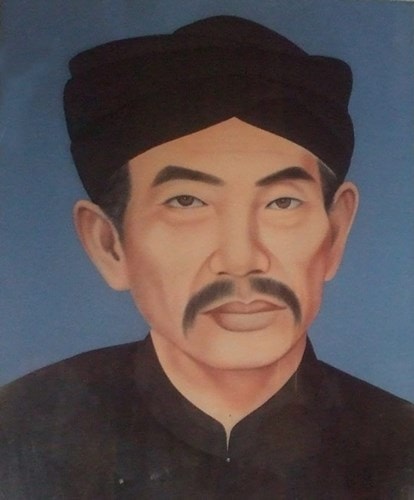
| Dang Huy Tru (1825-1874, born in the year of the Rooster) was a high-ranking official during the reigns of Thieu Tri and Tu Duc of the Nguyen Dynasty. He is considered a modern Vietnamese reformer, the founder of photography in Vietnam, and the first person to introduce Western shipbuilding technology to Vietnam. |
 |
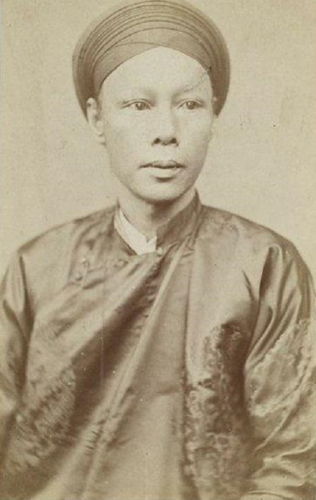
| Nguyen Trung Truc (1837-1868, born in the year of the Rooster) was a leader of the anti-French resistance movement in Southern Vietnam in the latter half of the 19th century. Responding to the call to arms, he rallied the people, achieved many glorious victories, and was appointed Commander of Ha Tien by the imperial court. |
 |
| Truong Vinh Ky (1837-1898, born in the year of the Rooster) was a scholar fluent in over 15 languages, considered one of the world-class scholars of the 19th century. He was also the editor of the Gia Dinh newspaper, leaving behind nearly 100 valuable books and manuscripts. |
Kim Ngoc
(Synthetic)



