10 World Heritage Sites in Distress
It is undeniable that many valuable natural landscapes around the world are at risk of disappearing completely. This is due to many reasons: environmental issues, rampant tourism exploitation, regional conflicts, etc. To save these landscapes, the world needs appropriate conservation solutions now, before it's too late. Below are 10 landmarks that are currently at risk.
Iceland (Greenland)
Ice sheets cover nearly 81% of Iceland. If the ice melts, the region will be split into separate islands, and the famous glaciers will no longer attract tourists. But the greatest danger is the loss of habitat for polar bears, and melting ice will cause devastating flooding in some areas of the US, including Los Angeles. The world is calling for action to reduce harmful emissions to save these dwindling glaciers.
Coral Triangle region
Located in the waters between Indonesia, Malaysia, and the Philippines, the Coral Triangle boasts the world's richest biodiversity and coral reefs, with over 450 species of coral found there. Tourists from all over the world flock here to swim, dive, and admire the underwater landscape. However, the latest research from John Hopkins University reveals that nearly 70% of the coral reefs in Southeast Asian waters are at risk of disappearing. The main culprits are fishing using explosives (cyanide and dynamite), sediment deposition, pollution, etc. The Marine Protected Area (MPA) is a project implemented to protect this Coral Triangle region. The purpose of the MPA is to establish a nature park to protect and care for the marine life and coral reefs.
The capital of Leh Old Town.
The capital of the ancient kingdom of Ladakh is a rare, well-preserved medieval city in the Himalayas. The city attracts world visitors with its monasteries, as well as its rich wildlife, including many rare and endangered species, such as snowstorms. Climate change has caused intense rains that are gradually eroding Leh Old Town, which was not built to withstand such conditions. The World Monuments Conservation Organization (WMF) has implemented a series of measures to protect this ancient city. Babylon, Iraq: Located 80km south of Baghdad, Babylon was originally a city of Mesopotamia (West Asia, between the Tigris and Euphrates rivers), one of the cradles of civilization. From 2300 BC, Babylon was considered a holy city. This ancient site certainly holds significant importance for human history, and unfortunately, it is being ravaged by war.
Old Damascus City, Syria
As one of the oldest cities in the world, and with no one still living there, Old Damascus is being destroyed by modern construction. Old Damascus has eight gates and many ancient areas mentioned in Christian and Islamic scriptures. Recently, Bab Tuma (the Gate of St. Thomas), leading to the Christian quarter of Old Damascus, has been flagged as a site threatened with destruction by modern construction.
Dhangkar Gompa Temple, Himachal Pradesh, India
As part of the Dhangkar complex and one of the five major Buddhist centers, this ancient temple (built thousands of years ago) sits atop a hill in a remote area on the border between India and Tibet. The temple is now in danger of disappearing due to erosion of the hillside. India is currently seeking funding for a conservation plan to save it. Furthermore, the development of tourism is also contributing to the temple's worsening condition.
Panama Canal, Panama City, Chagres River
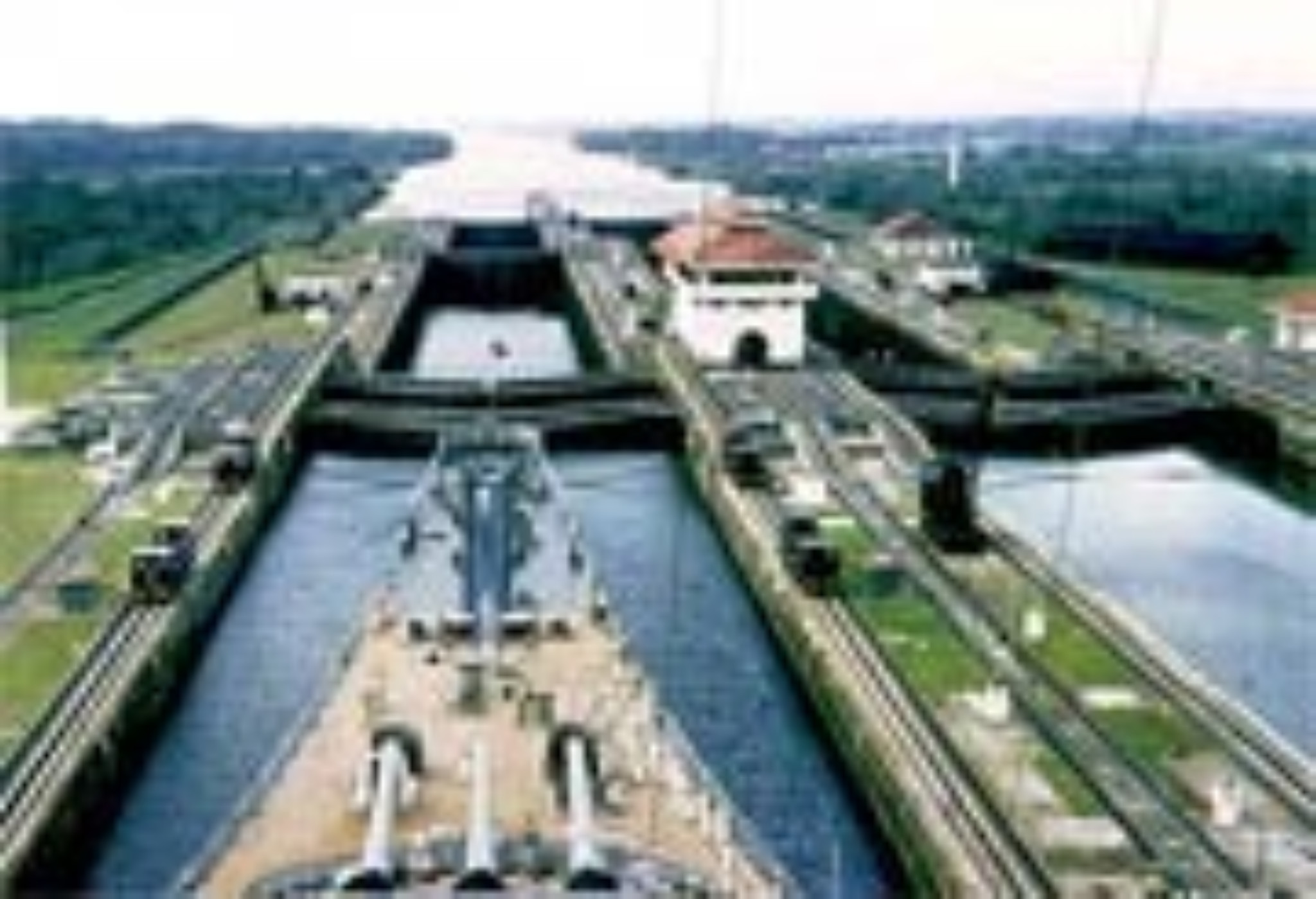 |
One of the wonders is being destroyed. |
Chinguetti Mosque, Mauritania, West Africa
As one of the seven holy cities of Islam, the Chinguetti Mosque in Mauritania (West Africa) was built in the 13th century and used as a resting place for merchants transporting valuable goods such as gold and ivory across the Sahara Desert. A UNESCO World Heritage site, the mosque is severely deteriorating due to neglect and the ravages of nature: floods, high temperatures, and erosion. To save this ancient monument, measures to stabilize climate change in the area are necessary to prevent the mosque from disappearing permanently.
Sonargaon-Panam City, Bangladesh
In this ancient city, one can find architecture from the Islamic Kingdom, Mongol, and Bangladeshi colonial periods from the 15th to the 19th centuries. Many monuments of the Mongols and colonialists are present within the city. Currently, the city suffers significant damage due to floods, rising sea levels, earthquakes, haphazard construction, and partly due to human vandalism. For the survival of the ancient city, the local authorities have initiated several projects to restore the monuments of historical and cultural value.
Artwork on the Dampier rock, Murujuga, Australia
Murujiga, the world's largest rock art, was created by Aboriginal people in northwestern Australia 10,000 years ago. However, industrial development has destroyed 24.4% of this artwork. Furthermore, the recent discovery of a large natural gas field in the area has contributed to its destruction. Despite this, the Australian government has yet to decide whether to intervene in Murujiga's preservation in light of future oil and gas development in the area. For now, the Australian Rock Art Research Association, along with other organizations, is urging the government to relocate the oil and gas facilities.
According to the People's Police