
10 interesting facts about chicken eggs
An average hen lays up to 270 eggs per year, while each egg takes approximately 24 hours to develop inside the hen.
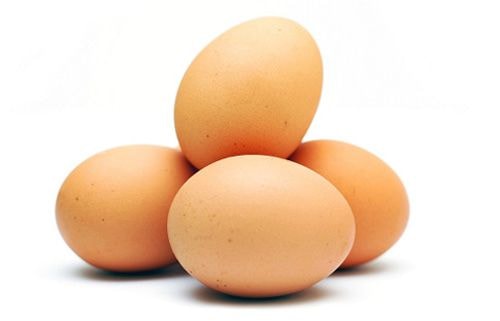 |
| Calcium carbonate is the building block of eggshells, and it's also the main component of antacids. (Image: globe-views.com) |
1. Calcium carbonate is the building block of eggshells, and it is also the main component of antacids. Eggshells account for 9% to 12% of the total weight of an egg and contain small pores that allow oxygen, carbon dioxide, and moisture to escape.
2. Egg whites are composed of albumen protein (containing about 57% of the egg's protein). Nutrients in egg whites include: niacin (vitamin B3), riboflavin (vitamin B2), chlorine, magnesium, potassium, sodium, and sulfur.
3. The hen's diet (primarily grains containing yellow and orange plant pigments) determines the color of the egg yolk.
4. The color of eggs varies depending on age and many other factors. If the egg white is pink or has a multi-colored sheen, the egg is spoiled and should not be consumed.
5. According to the Egg Safety Center, blood sometimes appears in eggs due to small blood vessels rupturing in the yolk. This does not mean the egg is unsafe.
6. An average hen lays between 250 and 270 eggs per year.
7. The egg reached a temperature of approximately 40.5°C when it was laid.
8. In the United States, white eggs are preferred. However, people in New England prefer brown eggs.
9. It takes approximately 24 to 26 hours for an egg to develop inside a hen.
10. China is the world's largest supplier of chicken eggs. The country produces approximately 390 billion eggs annually (about half of the world's supply).
According to VnExpress


