(Baonghean.vn) - Among the animals with extremely potent toxins that exist in nature, the amount of venom in a single pufferfish can kill 30 people at once.Here is a list of some animal species whose toxins can be deadly to humans:
Six-year-old boy nearly dies after being bitten by an octopus.
 |
Pufferfish:In Vietnam, toxicological analyses have been conducted on 35 species, with the striped pufferfish (scientific name Arothron hispidus) being one of the 10 most toxic pufferfish species. According to scientists, just one venomous pufferfish is enough to kill 30 people at once. Pufferfish meat contains the highly toxic substance Tetrodotoxin. This toxin is found in the pufferfish's internal organs, especially in the liver and ovaries, and even in the skin.
|
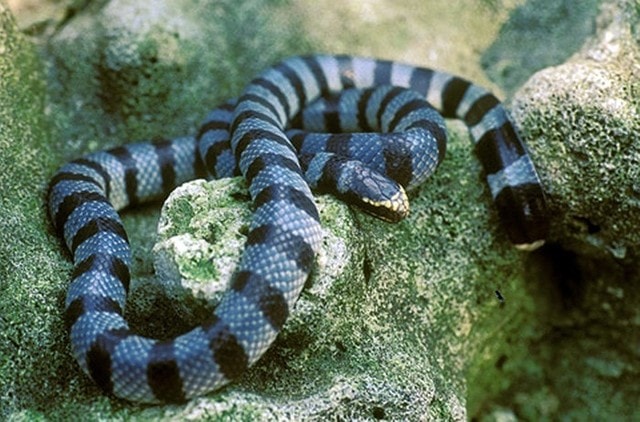 |
| Sea snakes (sea vipers):The viper is considered one of the most venomous snakes in Vietnam, especially the small-headed viper (whose head is as small as a knitting needle). The venom of the viper is hundreds of times stronger than that of a cobra. Just one bite can kill a human within half an hour. In addition, other venomous snakes in Vietnam include the Malayan pit viper, the banded krait, the cat cobra, and the butterfly cobra. |
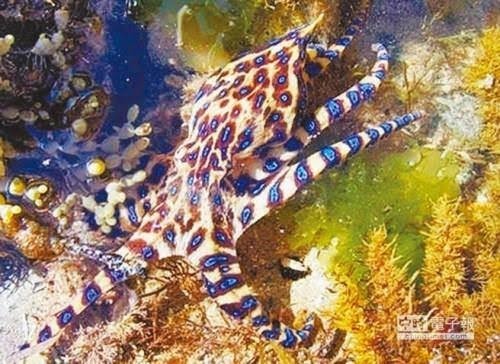 |
| Blue-ringed octopus:They weigh less than 100g, but carry enough venom to kill 26 adults in just a few minutes. If bitten by this octopus, the victim will be paralyzed and stop breathing within 10 minutes. |
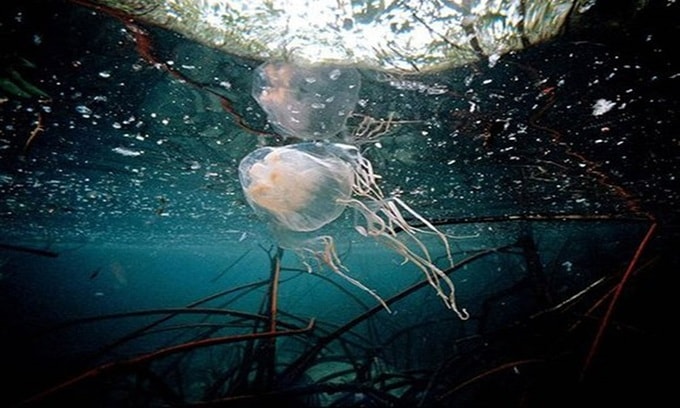 |
| Box jellyfishThe box jellyfish, also known as the sea wasp, is a species of jellyfish with up to 60 tentacles, each approximately 4.5 meters long. Each tentacle contains 5,000 stinging cells, holding enough venom to kill 60 people. Scientists estimate that box jellyfish kill dozens of people each year, more than the number of deaths caused by shark attacks. |
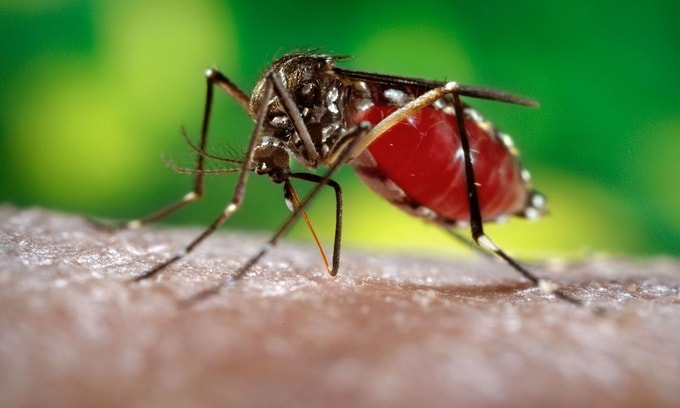 |
Mosquito:Most mosquito bites only cause itching. But some mosquito species are vectors for malaria parasites. Mosquitoes cause the deaths of millions of people every year. These tiny creatures have recently been identified as carriers of the Zika virus, which causes microcephaly.
|
 |
Tarantula spider:Originating from the Americas and belonging to the Theraphosidae family, tarantulas were introduced to Vietnam in 2008 and became popular in 2009. Although considered pets, experts warn that this species can be deadly. A single bite can cause excruciating pain. Furthermore, tarantula bites cause deep, slow-healing wounds and can be fatal if the victim is allergic. Tarantula hairs can cause blindness if they get into the eyes.
|
 |
| Scorpion:In Vietnam, there are two common species of scorpions: the black scorpion and the brown scorpion. Scorpion stings can cause victims to feel dizzy, sweat, have watery eyes and runny nose, feel nauseous, and experience stiffness in their limbs. In rare cases, scorpion venom can cause anaphylactic shock, which is life-threatening. |
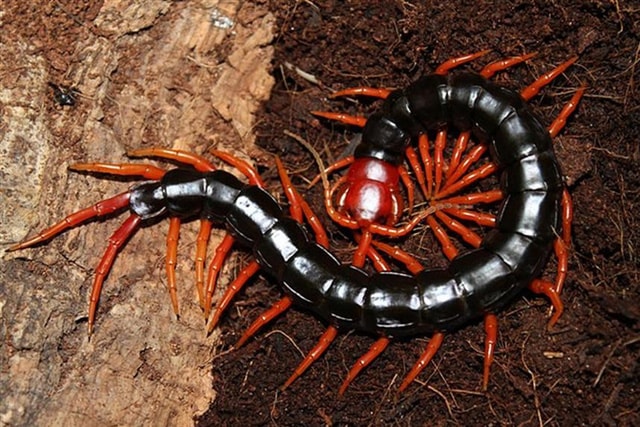 |
| Vietnamese centipedeThe Vietnamese giant centipede is a species of centipede found throughout Southeast Asia. Its bite is very painful, causing swelling and fever. In fact, the Vietnamese centipede is the only species recorded to be associated with a fatal case. The venom of the Vietnamese centipede contains serotonin (a monoamine neurotransmitter), a hemolytic agent, phospholipase A, a protein that causes cardiac arrest, and cytolysin. |
 |
| Wasp venomIts main components are protein, along with invasive enzymes, hemolytic enzymes, cytotoxic enzymes, allergens, and acetylcholine... In severe cases of bee stings, victims may experience cyanosis, shock, cardiovascular collapse... and may die if not given prompt medical attention.Aside from honeybees, which don't pose much of a threat to human life, other bee species like wasps and hornets can be deadly with just over 10 stings. |
 |
| Blood-sucking bugs:According to studies conducted worldwide, blood-sucking bugs can transmit the intracellular parasite Trypanosoma cruzi into the human body through their bites, causing Chagas disease. Victims of this dangerous disease experience fatigue, drowsiness, and a weakened immune system. When it becomes chronic, the disease can cause blood clots leading to death. In Vietnam, after being bitten by a bug, the patient only sees a small red bump, about 1-2 mm in size, on the skin, without swelling. |
Hoa Le
(Synthetic)



