
10 Omega-3 Rich Foods Everyone Should Know
Our health is the most important issue, so people always supplement their bodies with beneficial substances, and one of the essential ones is Omega-3.
According to MSc. Dr. Nguyen Van Tien from the National Institute of Nutrition, Omega-3 is a group of fatty acids. DHA and EPA are involved in the formation of brain structure and function. ALA is an Omega-3 fatty acid that is just as valuable as DHA and EPA. When entering the body, ALA is converted into DHA and EPA as needed, helping to provide energy and serving as building blocks for brain structure, protecting the brain, and increasing neurotransmission.
Omega-3s are not only good for the skin, help improve sleep, and support brain development, but they also reduce the risk of cancer and lower blood fat levels in the liver. Supplementing your body with omega-3s is essential.
According to Dr. Hoang Quyet Tien from the Medical Information Center at Tam Anh General Hospital in Ho Chi Minh City, Omega-3 comes from both plant and animal sources. However, Omega-3 cannot be stored and must be supplemented daily through food.
You can supplement your daily Omega-3 intake from fatty fish such as salmon, herring, anchovies, and tuna, as well as through supplements as advised by your doctor or as directed by the manufacturer. Overconsumption of Omega-3s may cause nausea, rashes, heartburn, diarrhea, and a fishy aftertaste.
Omega-3 from animal sources
According to MSc. Dr. Nguyen Van Tien, Omega-3 fatty acids are found in fish, fish oil, and marine fish. Some types of fish with high Omega-3 content include mackerel, salmon, herring, sardines, tuna, and oysters. These fish also contain many nutrients such as vitamin B12 and selenium. Therefore, breastfeeding mothers should not avoid fish but should eat it to increase nutrients for their children and benefit their own health.
- MackerelMackerel is often smoked and filleted whole for breakfast in Western countries. It's very nutritious; a 100g serving provides up to 200% of the daily requirement for vitamin B12 and 100% for selenium. In addition, mackerel is also rich in omega-3s; 100g of mackerel contains 5,134 mg of omega-3.
- Salmon:Salmon is high in protein and contains many nutrients such as magnesium, potassium, selenium, and B vitamins. 100g of salmon contains 2,260mg of Omega-3. Studies have shown that people who regularly eat salmon have a reduced risk of diseases such as cardiovascular disease, dementia, and depression.
- Herring:Herring is often pickled or pre-processed, then canned and sold as a snack. 100g of herring contains 1,729mg of Omega-3.
- Oysters:Oysters are rich in nutrients such as vitamin B12, iron, magnesium, phosphorus, zinc, and copper. In addition, 100g of raw oysters contains 672mg of omega-3.
- Sardines:Sardines are very nutritious, containing nutrients such as vitamin B12, selenium, phosphorus, calcium, protein, and vitamin D. 100g of sardines contains 1,480mg of omega-3.
- Anchovies:Being small fish, they are often dried and canned. Anchovies are rich in calcium, vitamin B3, and selenium. 100g of anchovies contains 2,113 mg of Omega-3.
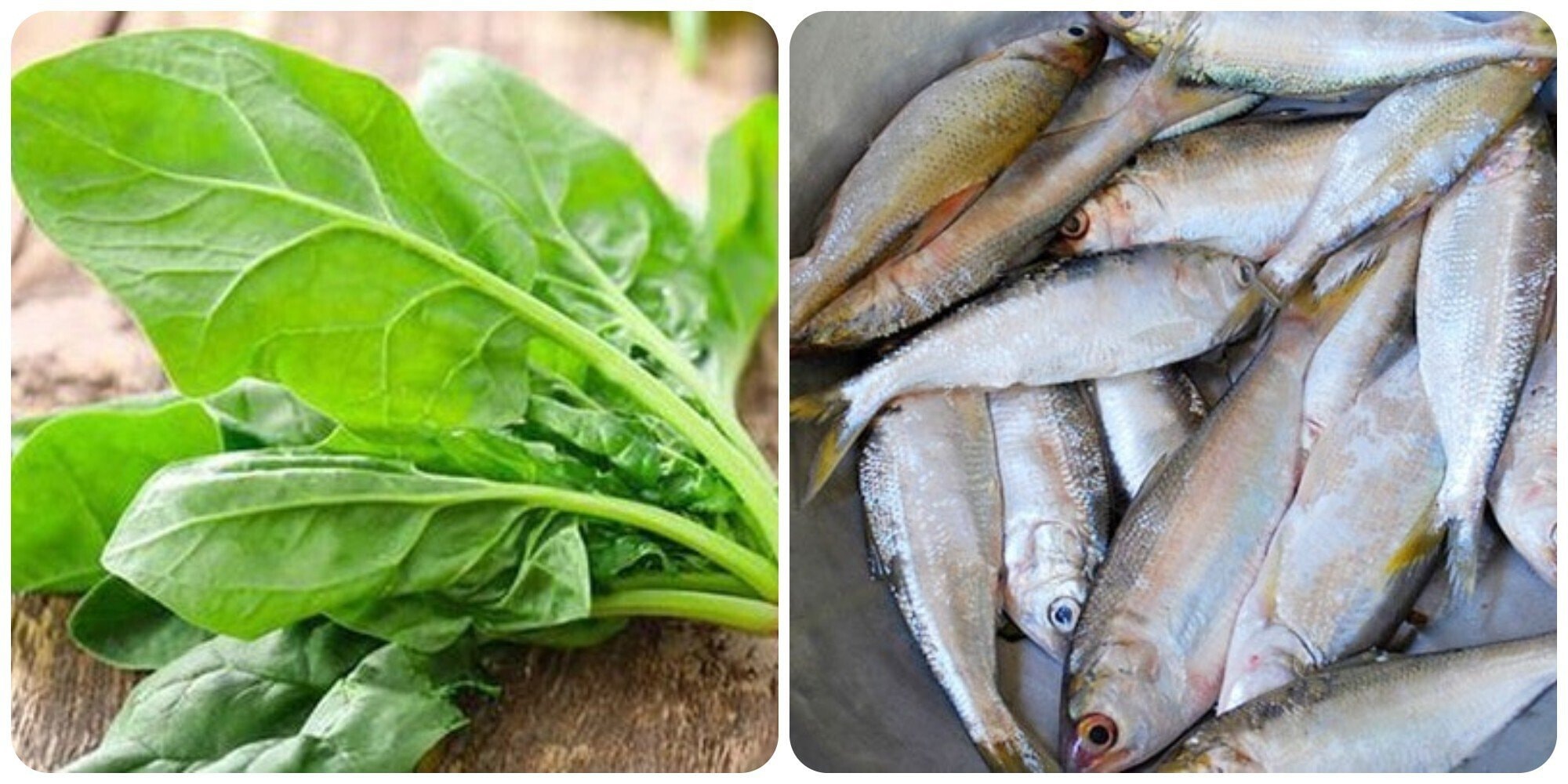
Omega-3s are derived from plants.
Plant-based omega-3s are abundant in nuts and green vegetables such as Brussels sprouts, kale, spinach, collard greens, cauliflower, and peas.
- Spinach:100g of spinach contains 138mg of Omega-3 and 26mg of Omega-6. Spinach, also known as kale or bok choy, is considered one of many people's favorite vegetables because it is not only delicious but also very nutritious, rich in vitamins A, C, E, K and various omega fatty acids.
- Flax seeds:Flax seeds are small, brown or yellow seeds, commonly used as an additive and in oil production. Rich in healthy fats, flax seeds are also a good source of Omega-3s. Flax seeds are also considered a perfect food for vegetarians because they provide plenty of fiber, vitamin E, and magnesium.
- Chia seeds:100g of chia seeds contain 4,915mg of omega-3 and 1,620mg of omega-6. Rich in calcium, phosphorus, and protein, chia seeds are also very suitable for gym-goers.
- Walnuts:Besides being rich in omega fatty acids (100g of walnuts contains 9,079mg of Omega-3 and 38,092mg of Omega-6), walnuts are also very nutritious, high in fiber, and copper. Note that when eating walnuts, don't discard the outer membrane as it contains many antioxidants.
- Legumes such as mung beans, black beans, peas, and peanuts are rich in Omega-3.


