
10 foods that will help you avoid dieting.
The following foods will help you shed excess weight, and they themselves contain very few calories or fats to worry about.
Garlic
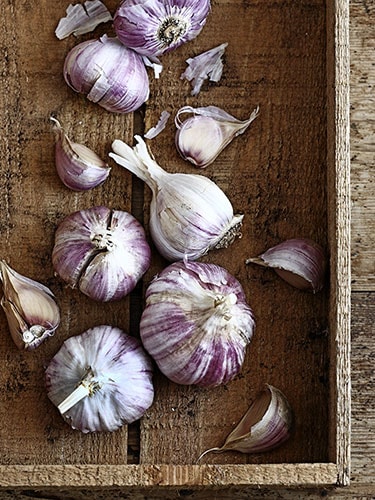
This herb has more uses than just adding flavor to meals. It can also help flatten your waistline thanks to the natural allicin it contains, says Keri Glassman, an American nutritionist and founder of Nutritious Life.
 |
| Photo: redbook. |
Allicin kills harmful bacteria in the digestive tract, helping to keep the intestines healthy and functioning smoothly, reducing bloating. In addition, Korean researchers have discovered that this member of the onion family also has anti-obesity effects thanks to proteins activated in the liver. Add garlic to most poultry dishes, pasta, or vegetarian dishes and sauces.
Beans
“When you’re craving carbohydrates, think of the legume family,” says Rachel Begun, a nutrition and food consultant in Boulder, Colorado. Beans are special because they provide a significant amount of fiber and protein. One cup of black beans contains about 17 grams of fiber and 14 grams of protein. We all know that fiber and protein are invaluable for weight management because both make you feel fuller for longer and help you avoid overeating later. A recent study published in the journal Obesity showed that extracts from white kidney beans can reduce energy absorption from carbohydrates and sweets, curbing cravings thanks to certain enzymes that inhibit starch digestion.
Pistachios (pistachio nuts)
"Pistachios are one of the best snacks for weight management," says Katherine Brooking, an American dietitian and co-founder of Appetite for Health. A 30-gram serving of pistachios contains 6 grams of protein and 3 grams of fiber, but their true power is more felt visually than in your stomach.
“When eating pistachios, you need to remove the shells, and this helps you chew more slowly. Removing the shells can also visually remind you how much you’ve eaten, which helps you control your snacking,” Brooking added. In fact, in a study conducted at Eastern Illinois University, people who ate pistachios without shells consumed 41% fewer calories than those who ate shelled pistachios.
Seaweed
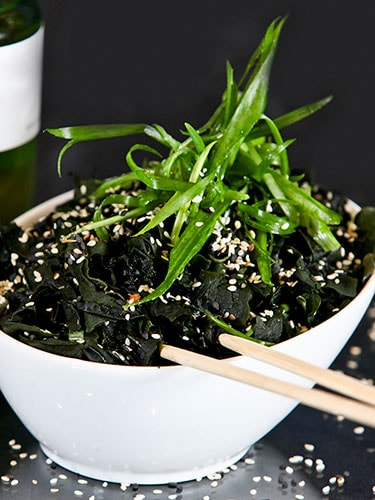
"Perhaps we should take advice from the Japanese, a country with one of the lowest obesity rates in the world," says Julie Upton, a nutritionist and co-founder of Appetite for Health. One of their staple foods is wakame, a type of seaweed rich in protein and nutrients.
 |
| Photo: redbook. |
“Compounds isolated from wakame, also known as fucoxanthin, have been shown to help boost fat burning in animal model studies,” Upton says. “Research is now looking for other compounds in seaweed such as alginate, which forms a gel in the stomach to enhance satiety.” Add seaweed to soups and salads or use it instead of lettuce when topping bread.
Red chili
Good news for those who love spicy food. “Red peppers contain an antioxidant called capsaicin, which acts as an anti-inflammatory and metabolism booster,” says Keri Glassman, a registered dietitian in the U.S. Several studies have shown that people who eat packaged chili peppers feel less hungry and burn more calories.
One study conducted at Purdue University found that volunteers who regularly consumed this spicy condiment benefited from weight loss, experiencing less hunger and, in particular, fewer cravings for fatty, salty, and sugary foods. According to the researchers, incorporating red peppers into meals can provide lasting benefits, especially when combined with exercise and a healthy diet.
White potatoes
“White potatoes are actually a fat-burning food,” Glassman says. The reason is that they are full of resistant starch, a compound that ferments in the gut and produces butyrate compounds—a type of fatty acid that can encourage the body to burn more fat. A study published in the journal Diabetes showed that butyrate also improved insulin sensitivity and increased energy expenditure in mice.
Mango
"New research from Oklahoma State University in the US indicates that mangoes may lower blood sugar levels, which could help control cravings, especially for carbohydrates," Brooking said.
Yogurt
Its benefits aren't just limited to a low-calorie diet. “The calcium in yogurt can help lower calcium levels in the body – thereby burning fat and reducing stored fat,” says Brooking. Additionally, the beneficial microorganisms in yogurt nourish your gut, and we know that the gut bacteria in healthy people are different from those in obese individuals. The way yogurt is made, including the fermentation process, also gives it higher levels of protein, B vitamins, calcium, potassium, and magnesium compared to milk, so include it daily.
Butter
"More than 80% of the calories in avocados come from fat, but they're still great for you," Upton says. Research shows that people who eat avocados have lower BMIs, and a recent study of overweight men and women found that adding avocado to lunch increased their satisfaction by 22%. It also reduced cravings by 24% three hours later.
The study authors suggest that the fiber, unsaturated fat content, and a type of sugar that helps lower blood sugar called D-mannoheptulose, present in avocados, may play a role in stabilizing blood sugar levels and keeping appetite under control.
 |
| Photo: redbook. |
Artichoke
Artichokes are rich in fiber, with each medium-sized flower containing about 6 grams of it. “Fiber is great if you’re trying to lose weight because it really slows down digestion so you feel fuller for longer,” Glassman says. It also means consuming more volume but fewer calories. Artichokes also help with gut health. They contain indigestible nutrients called prebiotics, which support the good bacteria in your digestive system, potentially reducing bloating and helping to flatten your stomach.
According to Vnexpress.net


