
3 types of pork offal that can harm your health if consumed in large quantities.
Limit your consumption of pork liver, lungs, and intestines to avoid bacterial infections and heavy metals that can harm your health.
Dishes made from pork offer many health benefits, providing protein and fat. In particular, pork is rich in vitamins and several minerals such as calcium, potassium, and iron in easily absorbable forms.
However, not all parts of the pig that are eaten in large quantities are good for you.
|
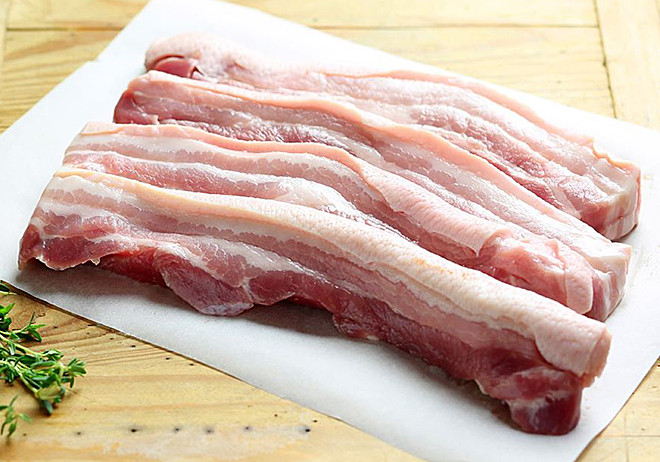
Pork is highly nutritious. Photo:Abel |
Liver
According to Dr. Nguyen Thuy Linh, from the Nutrition Department of Hanoi Medical University, the liver is the detoxification organ of pigs. Most substances passing through the liver are broken down, but there are many heavy metals and growth stimulants that pigs inhale or ingest that the liver cannot break down. These substances then remain, harming human health.
Furthermore, consuming large amounts of liver can increase cholesterol levels, potentially leading to cardiovascular problems in later life. Therefore, pork liver should not be eaten frequently. If consumed, it should be thoroughly prepared by soaking it in salt water, washing it carefully, and cooking it thoroughly.
Lung
Pigs live near the ground and frequently inhale large amounts of dust, dirt, and heavy metals. Therefore, when we eat pig lungs, this dust and metal particles enter our bodies and harm our health.
Furthermore, pigs frequently breathe close to the ground, inhaling a large number of parasites, diseases, bacteria, and viruses into their lungs. Even washing during processing cannot completely remove them.
Therefore, careful consideration is needed before using pig lungs as food.
Pork intestines
According to Dr. Le Thi Hai from the National Institute of Nutrition, pork offal contains a lot of cholesterol, causing many problems for people with diabetes, cardiovascular disease, or metabolic disorders. Eating too much pork offal can also cause gout, fatty liver disease, pancreatitis, and increase blood lipid levels.
"Many animal organ processing facilities are unsanitary and contaminated with various types of parasites, bacteria, and viruses that are harmful to humans," said Dr. Hai. People who eat poor-quality, spoiled, or discolored animal organs are very susceptible to parasitic infections.
Furthermore, the use of chemicals to remove odors and whiten pig intestines increases the risk of chemical accumulation in the body of those who consume them. Therefore, if you want to eat pig intestines, it's best to buy them and clean them thoroughly yourself or choose reputable and trustworthy establishments.
Safe meat preparation methods
Wash your hands thoroughly before and after cooking. Avoid eating raw or undercooked pork. Cooked pork should be eaten immediately to prevent bacterial contamination.
Cooked food should not be placed next to raw food or food preparation utensils. Utensils such as knives and cutting boards should be washed thoroughly before being used to prepare other foods.
When buying meat, cut it along the grain and observe. If the meat has pinhead-sized white spots, or if the meat fibers are fibrous or oval-shaped, it is infected with parasites. You can also identify it by touching the meat. Pork that is hard, lacks elasticity, and is not soft... may have been treated with urea or contains borax.


