
4 breakfast combinations that ruin your health.
Improper breakfast habits can lead to dangerous health problems related to the stomach, liver, and kidneys.
Nutritionist Ma Yaocheng from the Nutrition Department of Hangtian Central Hospital in Beijing, China, warns that the following four common breakfast combinations can silently harm your health:
1. Milk + eggs
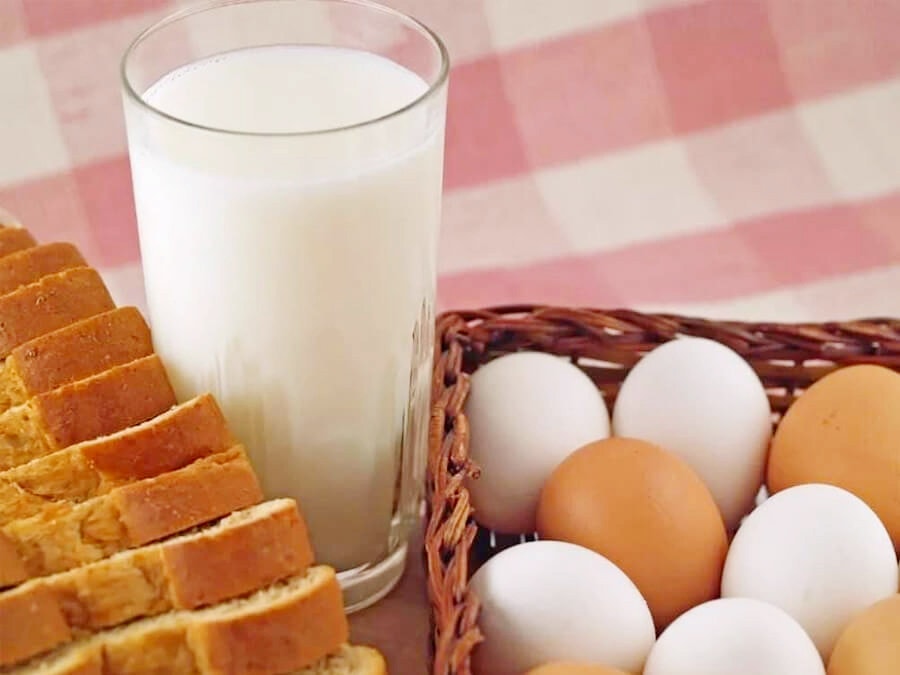 |
Eggs and milk are a popular breakfast combination. Photo: Egg machine |
According toQQBoth foods are rich in nutrients, but when combined, they not only fail to complement each other but can also lead to unfortunate health consequences.
The reason is that milk contains lactose, a type of sugar that is easily digested thanks to lactase enzymes secreted in the intestinal lining, which break down lactose into glucose. Eggs are high in protein, which breaks down amino acids. Eating eggs and milk together can cause indigestion because the body cannot absorb the lactose in milk. In more severe cases, it can lead to bloating, diarrhea, and acidic stools.
Furthermore, if you only eat these two things for breakfast, your brain will lack its main energy source (carbohydrate), which can make you feel dizzy all morning, affecting your work, studies, and life.
Improvement: While eating eggs and drinking milk, consider adding steamed buns or sweet potatoes to provide carbohydrates. Ideally, include some fruits and vegetables to supplement fiber and trace elements, ensuring more comprehensive nutrient absorption.
2. Soy milk + fried dough sticks
Soy milk is obviously not the problem; the issue lies with the fried dough sticks. Fried dough sticks are basically "refined carbohydrates + deep-fried," with high oil and calorie content.
Not only fried dough sticks, but also foods like fried dumplings and donuts are high in fat, and adding soy milk, which is also a food with a certain amount of fat, the amount of oil in this breakfast mixture clearly exceeds the standard, causing health disadvantages such as indigestion, obesity, cardiovascular disease, and high blood pressure.
Fried foods are also classified as a 2A carcinogen (possibly carcinogenic) by the International Agency for Research on Cancer. Repeatedly frying at high temperatures produces many harmful substances such as benzopyrene and acrylamide, which can cause cancer.
Improvement: Eat less fried food, ideally no more than once a week. When eating fried dough, combine it with some dark green vegetables and protein-rich foods (eggs, tofu, dried meat, etc.).
3. Plain rice porridge + pickled vegetables
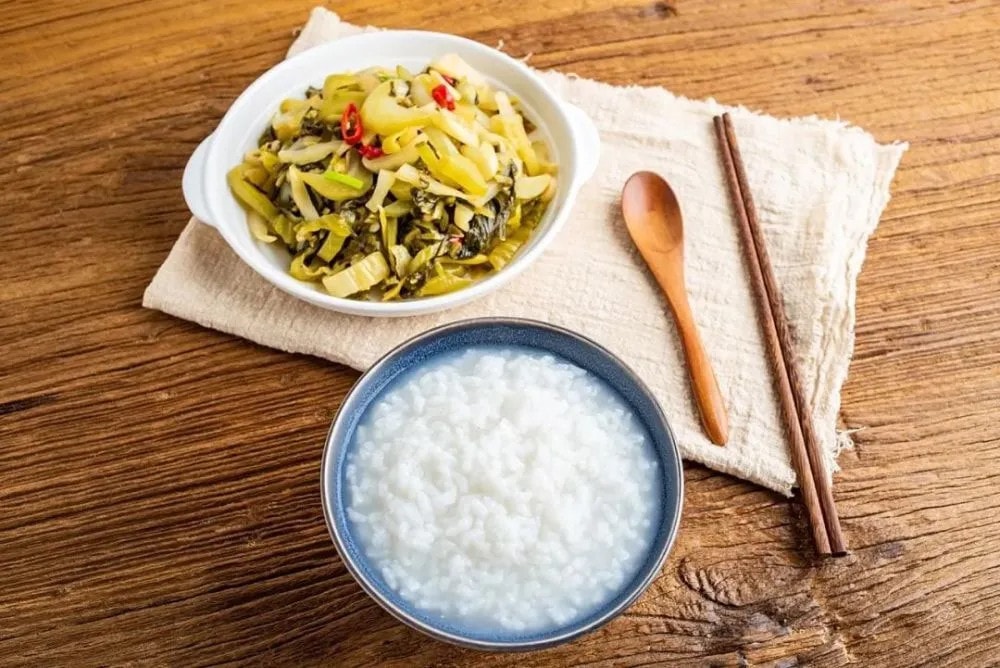 |
Pickled vegetables are not a healthy food. Photo: QQ |
This combination feels very palatable for breakfast. However, the nutritional composition of plain rice porridge, mainly refined carbohydrates, lacks protein, vitamins, and fiber. Furthermore, porridge has a high glycemic index, which is not beneficial for controlling blood sugar levels after meals, and is especially unfriendly for diabetics.
More importantly, pickled vegetables are high in salt, which is a no-no for people with high blood pressure. If the pickling process is not up to standard, the nitrite content can easily exceed the standard. When nitrite enters the body, it will be converted into nitrosamine, and long-term consumption poses a risk of cancer, such as stomach cancer.
Improvement: Consider switching from plain rice porridge to multigrain porridge, which can lower the glycemic index, and reduce consumption of pickled vegetables. Combine this with eggs and fruits like oranges and apples, or add nuts to your diet.
4. Have breakfast with snacks.
Many people stock up on processed snacks like cookies, chips, and chocolate for breakfast. While these foods can be used when hungry, replacing breakfast with snacks is unhealthy. Snacks are mostly unprocessed foods that are not beneficial for digestion and absorption.
Snack foods are very low in nutrients, consisting mainly of carbohydrates and fats, severely lacking in protein, vitamins, and minerals, and easily providing a high intake of trans fatty acids.
Furthermore, these foods don't make you feel full; eating too much can lead to unnecessary energy surplus but a lack of nutrients, resulting in decreased physical strength and increased susceptibility to illness.
Improvement: Breakfast should include whole-wheat bread, a vegetable salad, eggs, milk, fruit, nuts, etc.


