
5 important things to note before eating mung beans.
People with a cold constitution often exhibit symptoms such as cold and weak hands and feet, back and leg pain, and loose stools. Eating mung beans can worsen these conditions, potentially causing severe abdominal pain and diarrhea, leading to dehydration, stagnation of blood and energy, muscle and joint pain, and a weakened and cold spleen and stomach, resulting in digestive system diseases such as chronic gastritis, etc.
People with a cold constitution often exhibit symptoms such as cold and weak hands and feet, back and leg pain, and loose stools. Eating mung beans can worsen these conditions, potentially causing severe abdominal pain and diarrhea, leading to dehydration, stagnation of blood and energy, muscle and joint pain, and a weakened and cold spleen and stomach, resulting in digestive system diseases such as chronic gastritis, etc.
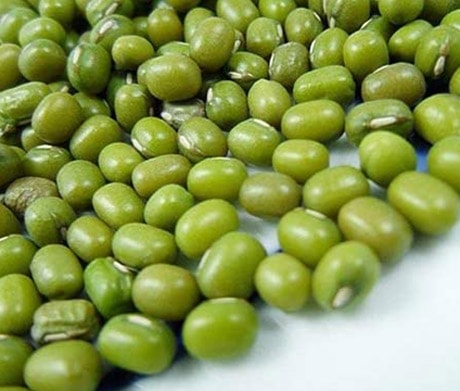
People with a cold constitution should not eat mung beans.
People with a cold constitution often exhibit symptoms such as cold and weak hands and feet, back and leg pain, and loose stools. Eating mung beans can worsen these conditions, potentially causing severe abdominal pain and diarrhea, leading to dehydration, stagnation of blood and energy, muscle and joint pain, and a weakened and cold spleen and stomach, resulting in digestive system diseases such as chronic gastritis, etc.
Eating mung beans helps prevent heatstroke, treats food poisoning, and has a certain therapeutic effect on heat-induced swelling, thirst, dysentery, smallpox, etc. However, it is not suitable for people who are taking medication.
You shouldn't eat mung beans when you're hungry.
You shouldn't eat mung beans when you're hungry, as mung beans are considered "cold" in nature and eating them on an empty stomach is bad for your stomach.
Furthermore, people with weak constitutions should avoid eating mung beans because they contain more protein than chicken, and large peptide proteins require catalysts to break them down into smaller peptides, at which point the amino acids can be absorbed by the body. These individuals have poor digestive function, making them prone to stomach pain and diarrhea due to poor digestion.
You shouldn't eat mung beans every day.
Eating in moderation is fine; adults usually eat it 2-3 times a week, one cup each time is sufficient. For children, it depends on each child's specific constitution, and it's best to consult a doctor beforehand. Generally, children aged 2-3 years old can start eating porridge, and can eat a small amount of mung beans. After age 6, they can eat the adult portion.
Eating too much mung bean can generally cause stomach and intestinal problems. Women who consume excessive amounts of mung beans may experience gynecological issues such as leucorrhea, bloating, and menstrual cramps.
When taking traditional Chinese medicine, one should avoid eating mung beans.
When taking traditional Chinese medicine, one should not eat mung beans. According to the "Compendium of Materia Medica," mung beans have a sweet and cooling nature, are non-toxic, and neutralize all herbs. Folklore also considers mung beans a remedy for poisoning. Therefore, it is traditionally believed that mung beans and traditional Chinese medicine should not be taken together. This belief has persisted to this day.
According to Dan Tri - NM


