
5 mistakes to avoid when treating asthma and bronchitis in children.
During seasonal changes, many children suffer from respiratory illnesses such as bronchitis and asthma. These illnesses are prone to recurrence and can lead to dangerous complications (pneumonia, death) if not treated properly. Changing these five mistakes will help mothers better protect their children's respiratory systems.
Seeing their child sick, they immediately give them antibiotics.
Many parents and grandparents view antibiotics as a "miracle cure," buying and giving them to children as soon as they show signs of illness, regardless of the ailment. In reality, the main cause of bronchitis and bronchospasm is mostly viral. Antibiotics, however, are only effective against bacteria.
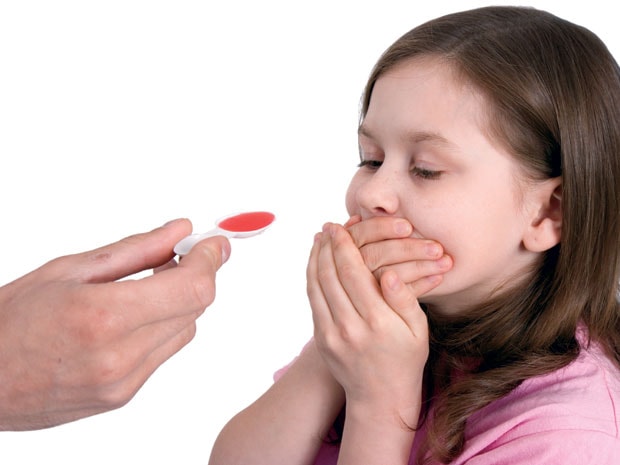 |
| Illustrative image. |
Associate Professor, Doctor Nguyen Thi Ngoc Dinh - former Director of the Central Ear, Nose and Throat Hospital - advises parents to remain calm in this situation. If proper nasal and throat hygiene is maintained, the child is given warm, nutritious fluids, and medication is used as prescribed by the doctor, the illness will resolve quickly. Antibiotics should not be used without medical supervision to avoid unwanted consequences. For children with bronchial asthma, antibiotics should only be used when there are signs of secondary infection such as cough, fever, sore throat, refusal to breastfeed or eat, or cough with green or yellow phlegm. In treatment, herbal remedies are considered safer for the child.
Reusing old prescriptions, prescriptions intended for other children.
Many parents, when their children are sick, reuse old prescriptions, or follow advice from friends, or copy prescriptions from other children online. Each child has a different illness and constitution, so parents should not use a prescription intended for one child for another.
Each type of bacteria is sensitive to certain antibiotics. Especially for children with asthma, the treatment regimen varies depending on the severity of the condition. When a child's respiratory illness recurs, using an old prescription or one intended for another child can worsen the illness, lead to antibiotic resistance, and endanger the child's life.
Stop taking medication when symptoms improve.
Some mothers wonder why, even after their child's condition improved and they stopped taking the medication, a few days later the child started coughing more, vomiting, and having difficulty breathing... According to doctors, children who do not complete the full course of antibiotics may experience worsening symptoms and risk needing a combination of stronger antibiotics.
In particular, this mistake seriously affects asthma control because asthma is a chronic disease; symptoms disappear but airway inflammation remains. When exposed to irritants, the inflammation worsens, leading to acute asthma attacks, which, if not treated promptly, can be life-threatening.
Typically, children with bronchitis need medication for 5-7 days. For chronic bronchitis, bronchospasm, or asthma, medication must be used according to the doctor's treatment plan, which may last for several months.
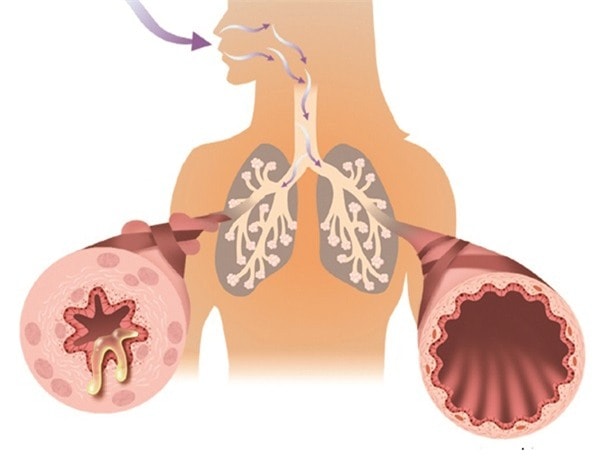 |
| The child's bronchi are inflamed and producing secretions. |
Incorrect ways to keep children warm
Dressing children in too many layers, causing them to sweat, and turning the air conditioner too cold when they complain of being hot are all incorrect ways to keep them warm. Children with asthma or bronchitis should be dressed warmly but in breathable clothing, and should play and sleep in clean environments. Parents and grandparents should not smoke and should limit children's exposure to crowded places after they have recovered from illness, in order to avoid the spread of respiratory diseases.
Feed the childunreasonable dietary restrictions
Children with asthma and bronchitis often cough a lot, so parents often make them avoid eating chicken, eggs, shrimp, crab, and fish. However, doctors say this dietary restriction has no scientific basis and can even lead to nutritional deficiencies, weakened immunity, prolonged illness, and frequent relapses. Foods that a child is allergic to should only be avoided if they have asthma and an allergic predisposition.
According to VNE
| RELATED NEWS |
|---|


