
6 interesting things you might not know about tubeless and tubed tires.
Users are probably familiar with vehicles equipped with tubeless or tubed tires. However, not everyone understands the differences between these two types of tires and how they affect a vehicle's performance.
Here are some differences between tubeless and tubed tires that you may not know.
1. Avoid frequent tire punctures.
One of the main reasons for inner tube tires to puncture is when the inner tube gets trapped between the tire and the rim. This reason may sound illogical, but it can happen during use. Additionally, any sharp object will quickly deflate an inner tube tire, rendering your vehicle immobile.
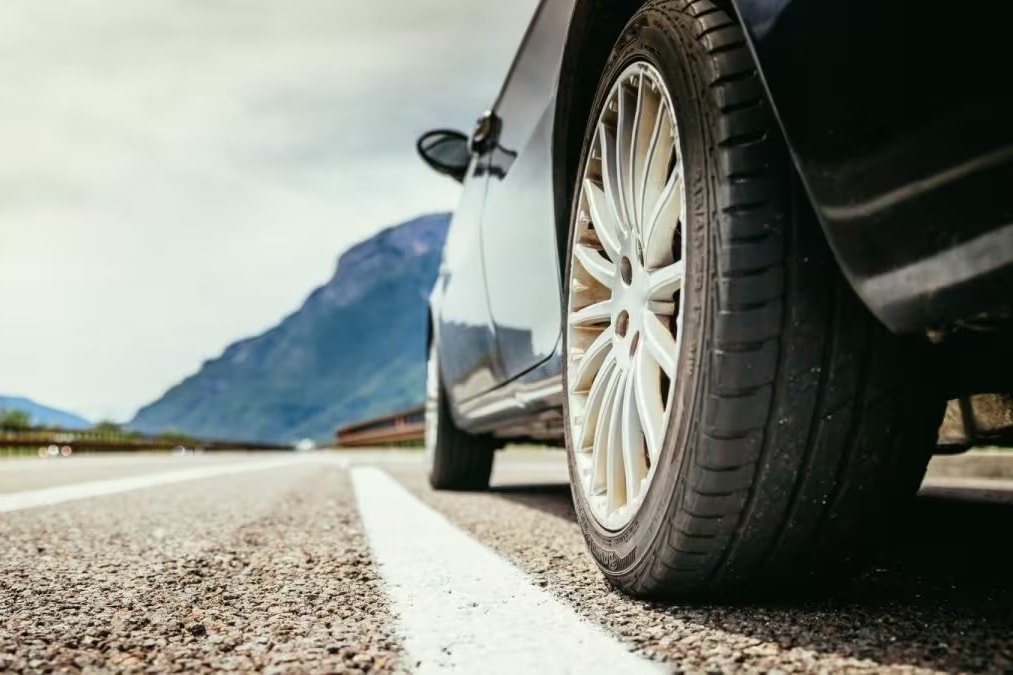
But with tubeless tires, you can forget about such problems. A layer of halobutyl or chlorobutyl, with excellent heat resistance and oxidation resistance, is coated inside the tire wall, allowing it to retain air and prevent it from escaping.
In the unfortunate event of running over a nail, the puncture in the tire won't deflate quickly, so you don't need to rush to remove the nail immediately; you can still drive a short distance further.
2. Self-sealing glue can be used to seal the puncture.
Another advantage of tubeless tires over traditional tires is that they allow tire manufacturers or users to apply multiple layers of liquid sealant to the inside of the tire wall. When a tire is punctured, the liquid sealant automatically flows out and seals the hole, preventing air from escaping and ensuring that tire pressure doesn't change suddenly. Therefore, you don't need to replace the tire or wait for a tire technician to fix it.
3. Air escapes more slowly.
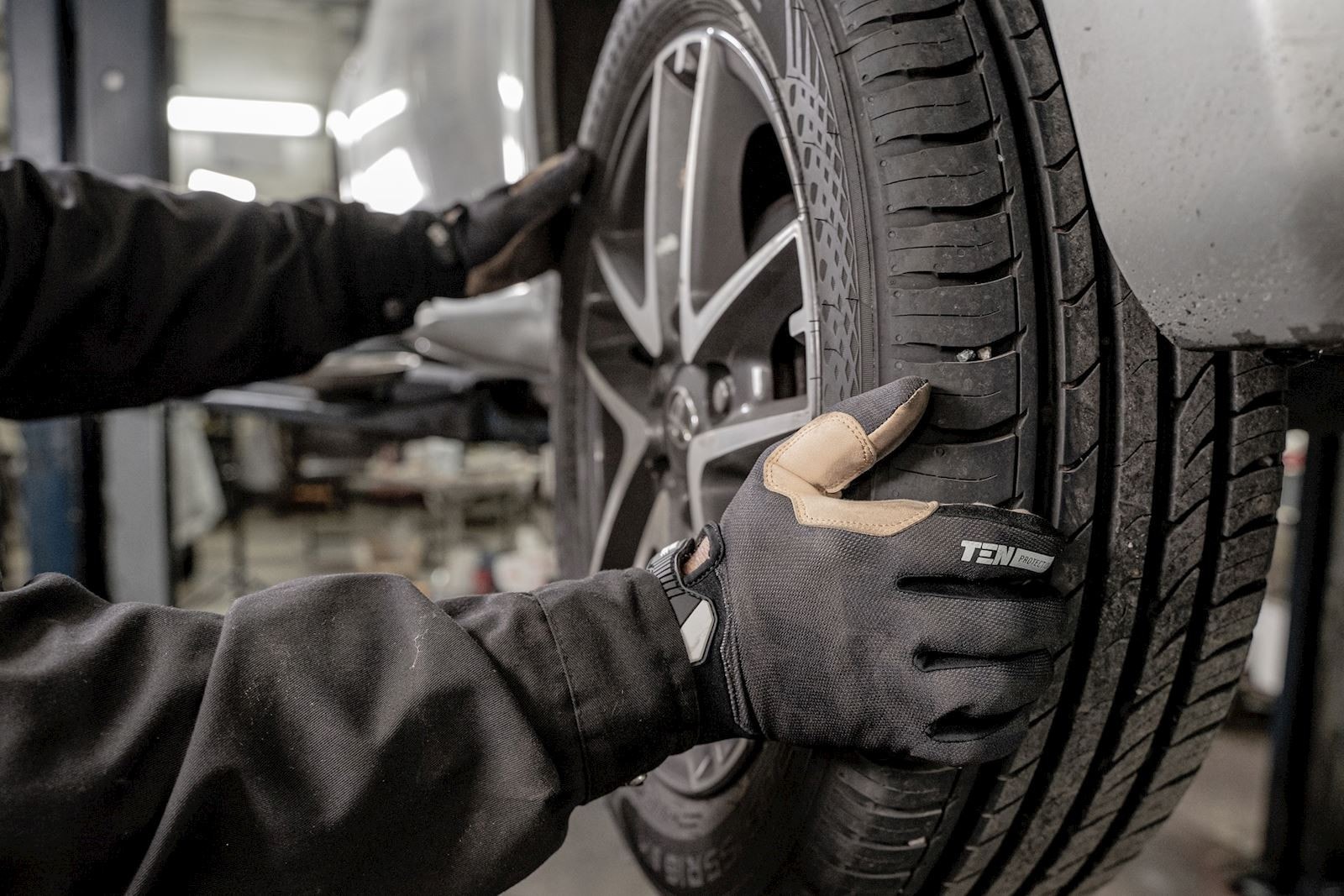
During your journey, you may encounter a flat tire, and when that happens, the air inside the tire can leak out. The difference between tubeless and tubed tires is that the air pressure inside the tire decreases more slowly in tubeless tires, giving you enough time to pull over safely and replace or repair the punctured tire.
Furthermore, the driver will not experience sudden loss of control, minimizing the risk of accidents. In contrast, a punctured tire will immediately release air, which is very dangerous as it causes the vehicle to lose balance, especially on highways and at high speeds.
4. Avoid creating unnecessary friction.
When a vehicle is moving at high speed, friction occurs between the inner tube and the tire. With constant contact, the temperature of the inner tube increases. If this continues, the inner tube may burst, a very dangerous occurrence at high speeds. However, with tubeless tires, this risk is almost eliminated thanks to their superior heat dissipation.
5. Lightweight, reduced fuel consumption.
The most significant advantage of tubeless tires is that they are lighter than tires with inner tubes, although the difference is only about 0.5 kg. This lighter weight helps the vehicle maintain balance and easily navigate rough terrain. In addition, the light weight of tubeless tires also helps reduce fuel consumption. The truth is that heavier components require more energy from the engine. Therefore, tires with inner tubes will consume more fuel.
6. High stability
Another difference between the two types of tires is that tubed tires are prone to internal pressure imbalance. This can cause the vehicle to lose balance during acceleration, and any deformation of the wheel can lead to dangerous situations while driving. In contrast, the airtight design of tubeless tires provides better pressure balance, even at high speeds.
Conclude
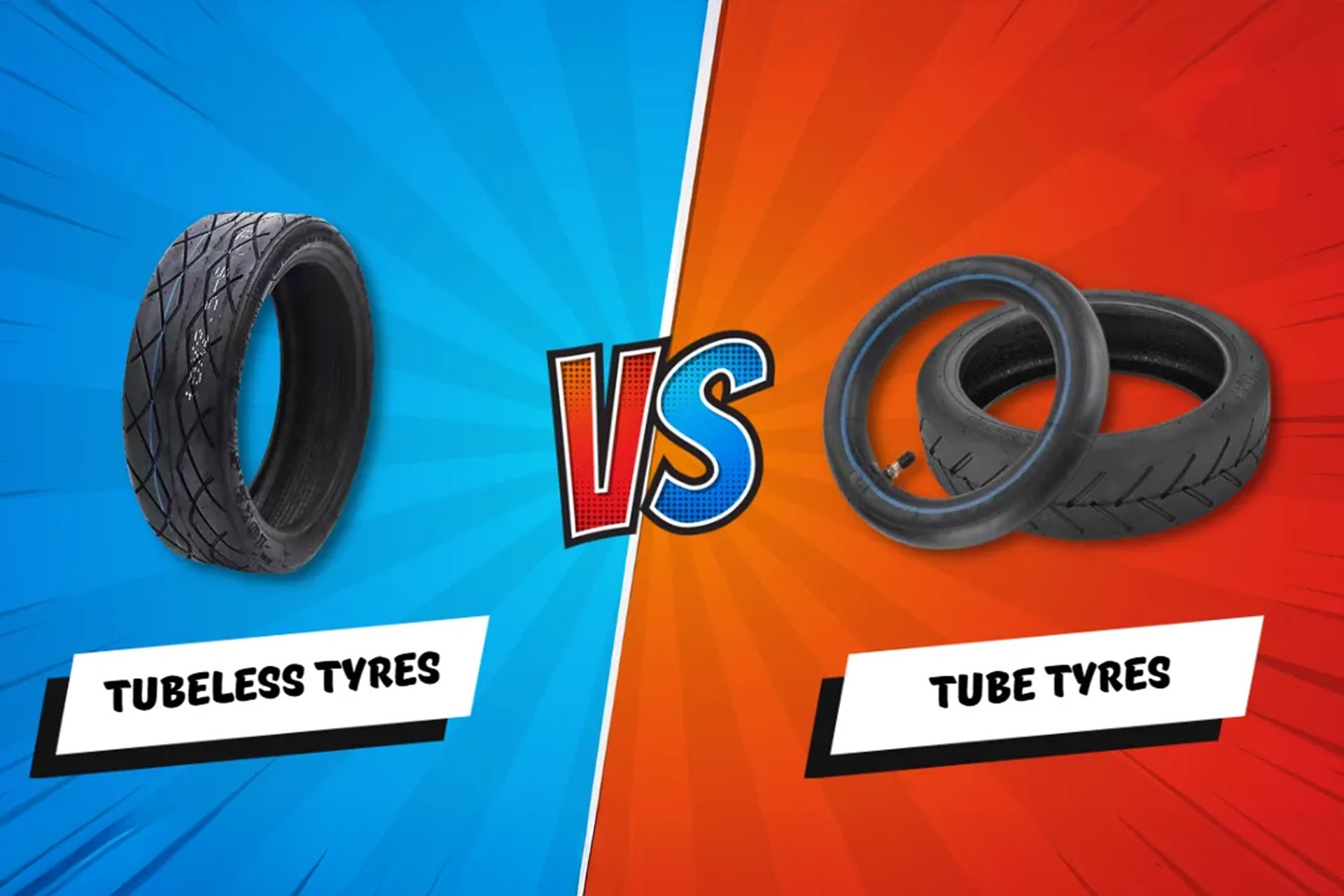
Currently, tubeless tires are commonly used on passenger cars, while tires with inner tubes are still used on trucks. Tubeless tires also generally have a higher price than tires with inner tubes. However, in terms of safety and durability, tubeless tires still have superior advantages, so despite the higher price, tubeless tires remain the choice of the vast majority of consumers today.
Conversely, the advantages of tubed tires are their low cost, ease of replacement and repair in case of a problem. Repair costs are also relatively low. The disadvantages are that tubed tires are quite heavy, leading to higher fuel consumption, a higher risk of blowouts at high speeds or punctures from nails or sharp objects, and only a relatively low level of safety.


