
6 misconceptions about iron supplementation
Iron deficiency anemia is very common in countries around the world. The causes stem from the following misconceptions about diet:
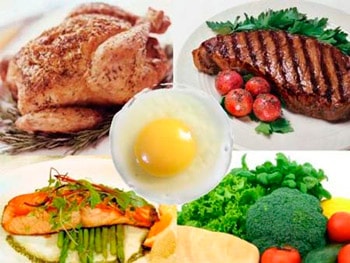
1. Eating too much meat is not good for your body.
Some women, having heard advertisements about the harmful effects of meat on health, focus only on eating plant-based foods, leading to insufficient consumption of animal-based foods rich in iron.
In fact, animal-based foods not only contain abundant iron but also have a very high absorption rate, reaching 25%. In contrast, the iron in plant-based foods is affected by phytic acid and oxalate, resulting in a lower absorption rate of only about 3%. Therefore, abstaining from meat can lead to iron-deficiency anemia; a balanced intake of fruits, vegetables, and meat is essential in daily diets.
2. Eggs and milk are good for people with anemia.
Cow's milk is nutritious but contains very low levels of iron, with the body absorbing only about 10%. For example, children fed on cow's milk, if their mothers neglect to supplement their diet with other nutritious foods, may develop iron-deficiency anemia.
Egg yolks are a good source of iron, but while their iron content is relatively high, the absorption rate is only 3%, making them not a reliable source of iron. Some proteins in eggs can inhibit iron absorption. Therefore, while cow's milk and egg yolks are nutritious, relying solely on them for iron supplementation is insufficient. However, animal liver not only contains a high amount of iron but also has a high absorption rate of over 30%, making it a very suitable source of iron.
3. Fresh vegetables and fruits are useless in supplementing iron.
Many people are unaware that eating plenty of fresh vegetables and fruits is excellent for iron supplementation. This is because fresh fruits and vegetables contain high levels of Vitamin C, citric acid, and malic acid—organic acids that can combine with iron to form compounds, thereby increasing iron solubility in the intestines and aiding in iron absorption.
4. Drinking too much coffee and tea is harmless.
For women, drinking too much coffee and tea can lead to iron-deficiency anemia. This is because tannic acid in tea leaves and polyphenols in coffee can combine with iron to form insoluble salts, inhibiting iron absorption. Therefore, women should drink tea and coffee in moderation, 1-2 cups per day is sufficient.
5. If anemia improves, iron medication can be stopped.
People with anemia who take iron supplements as prescribed by their doctor, and then stop taking them when their anemia improves or stabilizes, are making a mistake. This can cause the anemia to reappear.
The correct method is to use iron supplements to treat iron-deficiency anemia, and even after the anemia has stabilized, iron supplements must be continued for 6-8 weeks to replenish the accumulated iron in the body.
6. Brown sugar is effective in enriching the blood.
It is traditionally believed that red sugar water can replenish blood, and women often drink it during menstruation and the postpartum period to improve their blood circulation. However, experts have pointed out that red sugar water does not have the miraculous effects that folklore claims.
Experts say that brown sugar does not have the miraculous effects that folk beliefs claim, such as "replenishing qi and nourishing blood," "promoting rapid uterine contraction, and eliminating postpartum blood stasis." In fact, brown sugar does not contain any components beneficial for blood replenishment, and if processed uncleanly, it may even contain impurities.
According to (Dan Tri) - NT


