Some foods contain inherent toxins, and improper storage can pose a significant danger to consumers, especially increasing the risk of poisoning.
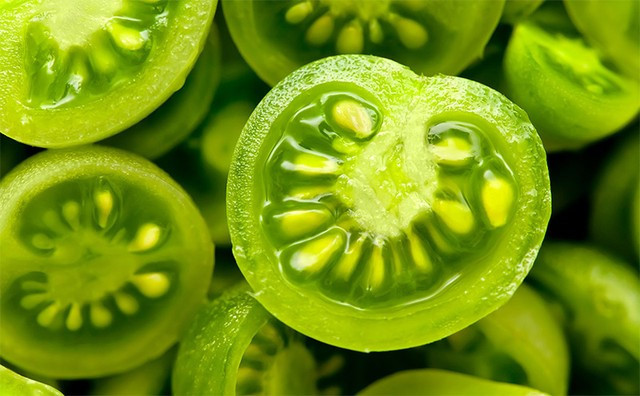 |
| Green tomatoes:Containing the toxin solanine, eating green tomatoes leaves a bitter taste in the mouth; after consumption, symptoms of poisoning such as dizziness, nausea, and vomiting may appear. Scientists also warn that eating raw green tomatoes is even more dangerous. |
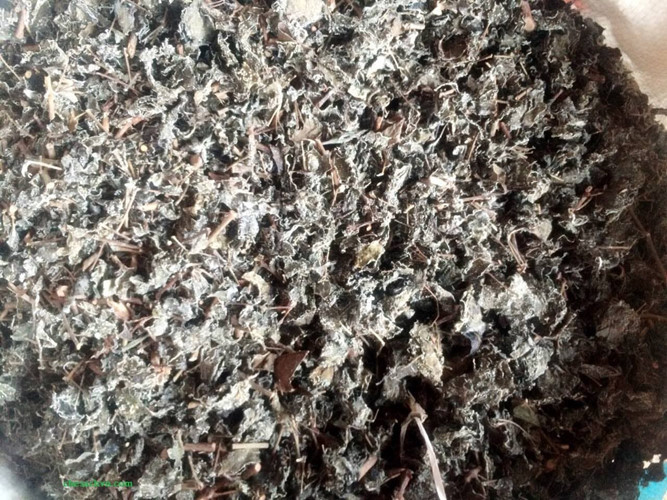 |
| The tea is moldy.Tea is an extremely valuable beverage for human health. However, note that if you find mold on tea, it means it has been contaminated with penicillin and aspergillus. Drinking moldy tea can cause mild symptoms such as dizziness and diarrhea. |
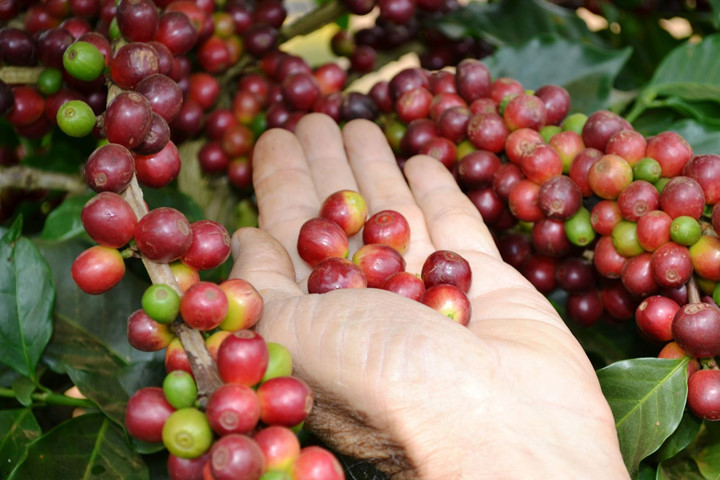 |
| Fresh coffee beans:Fresh coffee beans can cause hemolytic syndrome, allergies, fatigue, anemia, and other symptoms. |
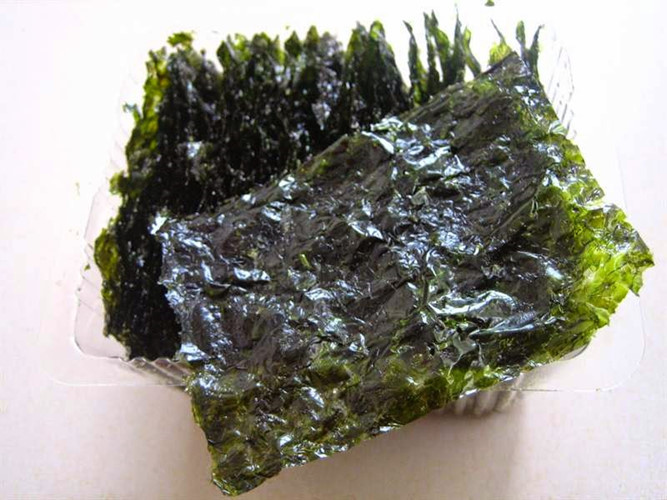 |
| Seaweed changes color:The color of seaweed is due to the release of cyclic peptides, specifically fucose, a toxic substance. If, after soaking in cold water, the seaweed turns a dark bluish-purple color, it means the seaweed was contaminated before drying and packaging. This type of seaweed is very harmful to the body. |
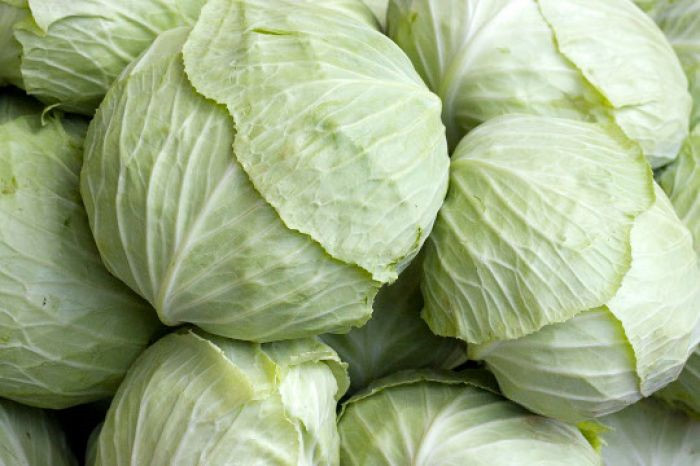 |
| In rotten cabbage:It contains nitrite, a substance that plays a role in the formation of methemoglobin in human blood, causing the blood to lose its oxygen-carrying function, leading to oxygen poisoning, dizziness, palpitations, vomiting, cyanosis of the lips, etc. In severe cases, it can cause unconsciousness, seizures, difficulty breathing, and if not treated promptly, it can be life-threatening. |
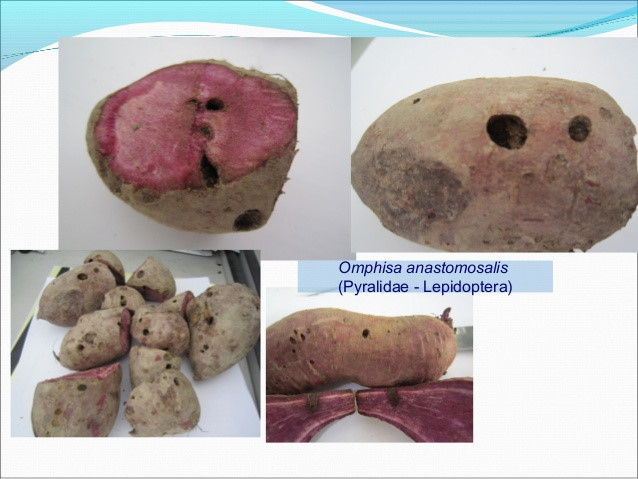 |
| Potatoes with black spots on the skin:When buying or eating potatoes, pay attention to avoid potential harm. If you see black spots on the potato skin, it indicates a fungal infection, and consuming them can easily lead to poisoning. |
According to VOV



